
The beach cruiser e-bike has evolved from a niche curiosity into a mainstream mobility solution, blending the relaxed, upright riding posture of classic cruisers with the power and convenience of electric assist. Whether you’re cruising along coastal boardwalks, commuting through urban neighborhoods, or simply enjoying a leisurely weekend ride, these stylish and comfortable bikes offer an accessible way to cover more ground with less effort. As we move through 2026, the market for beach cruiser e-bikes has matured significantly—offering improved battery technology, smarter motor integration, and sleeker designs that don’t compromise on comfort. With so many options available, choosing the right one can feel overwhelming. That’s where this guide comes in.
This comprehensive buying guide is designed to help you navigate the crowded landscape of beach cruiser e-bikes with confidence. Whether you’re a first-time buyer or upgrading from a traditional bike, you’ll gain expert-level insights into what truly matters when making your purchase. We’ll break down the most critical factors—from motor power and battery life to frame materials and ergonomics—so you can make a decision that aligns with your lifestyle, budget, and riding goals. You’ll also learn how to avoid common pitfalls, understand pricing tiers, and discover insider tips to get the best value. By the end, you’ll not only know what to look for but also feel empowered to choose a cruiser that delivers long-term satisfaction.
The beach cruiser e-bike market in 2026 is more dynamic than ever. Major brands like Rad Power Bikes, Aventon, and Lectric have expanded their cruiser lines, while emerging players are introducing innovative features such as integrated GPS, regenerative braking, and app-based ride tracking. At the same time, budget-friendly models from companies like Gotrax and Ancheer continue to make e-biking accessible to a wider audience. With advancements in lithium-ion battery efficiency and mid-drive motor systems becoming more common even in entry-level models, the gap between premium and affordable options is narrowing. This guide will help you cut through the marketing noise and focus on what really delivers value—comfort, reliability, performance, and style—so you can ride with confidence and joy.

What to Look for When Buying a Beach Cruiser E-Bike
1. Motor Power and Type
The motor is the heart of any e-bike, and for beach cruisers, it plays a crucial role in determining how smoothly and efficiently you can tackle hills, headwinds, or long stretches of flat terrain. Most beach cruiser e-bikes use either a hub motor (located in the front or rear wheel) or a mid-drive motor (mounted near the pedals). Hub motors are more common in budget and mid-range models due to their simplicity and lower cost. They provide steady power and are generally reliable, though they can feel less responsive on steep inclines. Mid-drive motors, on the other hand, offer better weight distribution and leverage the bike’s gears for more efficient power delivery, making them ideal for varied terrain—though they tend to appear in higher-end models.
When evaluating motor power, look for a rating in watts (W). For beach cruising, a motor between 250W and 750W is typical. A 250W motor is sufficient for flat, relaxed riding, especially if you’re using pedal assist rather than full throttle. However, if you plan to ride in hilly areas or carry heavy loads (like groceries or beach gear), a 500W or 750W motor will provide noticeably better performance. Keep in mind that higher wattage doesn’t always mean faster speeds—most e-bikes are limited to 20 mph (Class 2) or 28 mph (Class 3) by law in the U.S., but stronger motors help maintain speed under load.
2. Battery Capacity and Range
Battery performance is arguably the most important factor for e-bike users, as it directly impacts how far you can ride on a single charge. Battery capacity is measured in watt-hours (Wh), which represents the total energy stored. For example, a 36V 10Ah battery equals 360Wh. The higher the Wh, the longer the potential range—though real-world range depends on factors like terrain, rider weight, assist level, and wind conditions.
Most beach cruiser e-bikes offer batteries ranging from 300Wh to 600Wh. A 300Wh battery might give you 20–30 miles on eco mode, while a 500Wh+ battery can deliver 40–60 miles or more. If you plan to use your e-bike for daily commuting or long weekend rides, aim for at least 400Wh. Also consider battery placement: integrated batteries (built into the frame) offer a cleaner look and better protection, while removable batteries are easier to charge indoors and replace if needed.
Charging time is another consideration. Most lithium-ion batteries take 4–6 hours to fully charge, though some fast-charging models can reach 80% in under 3 hours. Look for batteries with smart management systems that prevent overcharging and extend lifespan. Additionally, check whether the battery is UL-certified—this ensures it meets safety standards for fire and electrical hazards.
3. Frame Material and Build Quality
The frame is the foundation of your e-bike, and for beach cruisers, durability and comfort are paramount. Most models use either aluminum alloy or steel. Aluminum is lightweight, rust-resistant, and stiff, making it ideal for e-bikes where every pound counts. It’s also easier to weld into sleek, modern designs. Steel, on the other hand, is heavier but offers superior shock absorption, which enhances ride comfort—especially on bumpy boardwalks or uneven pavement. Some premium cruisers use chromoly steel, a high-strength variant that balances weight and durability.
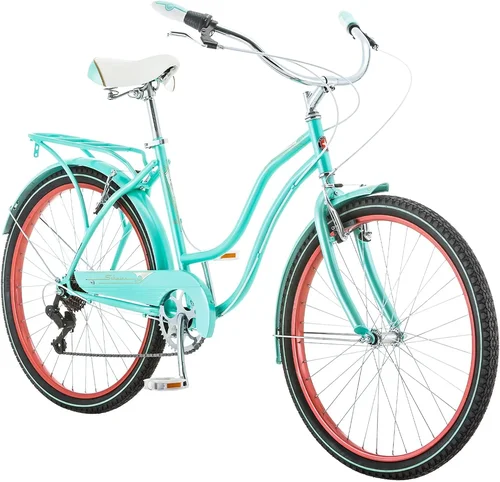
When inspecting build quality, look for smooth welds, reinforced joints, and attention to detail in cable routing and component integration. A well-built frame should feel solid when you lift it and show no signs of flex or creaking during test rides. Also consider the step-through vs. high-step design: step-through frames (with a low or absent top tube) are easier to mount and dismount, making them ideal for riders with mobility concerns or those wearing dresses or skirts. High-step frames offer more structural rigidity but require more flexibility to use.
Don’t overlook the importance of paint and finish. Beach environments are harsh—salt air, sand, and UV exposure can degrade coatings over time. Look for powder-coated or e-coated finishes, which are more resistant to chipping and corrosion than standard paint. Some brands even offer rust-proof warranties, which is a strong indicator of confidence in their build quality.
4. Comfort and Ergonomics
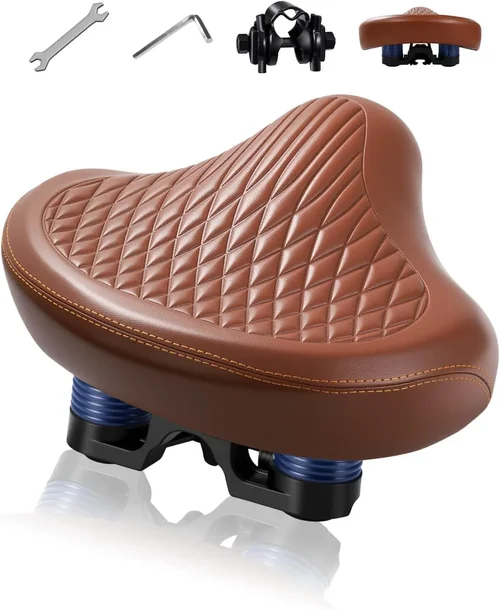
Beach cruisers are defined by their comfort-first design, and this should be a top priority when choosing an e-bike. Start with the saddle: look for a wide, cushioned seat with ample padding and ergonomic shaping. Gel or memory foam inserts can significantly improve long-ride comfort. The handlebars should be wide and swept back, promoting an upright riding posture that reduces strain on your back, neck, and wrists. Adjustable handlebars are a bonus, allowing you to fine-tune your position.
Suspension plays a key role in comfort, especially on uneven surfaces. Many beach cruiser e-bikes feature front suspension forks, which absorb bumps from potholes or cracks in the pavement. Some models also include seatpost suspension or dual-spring saddles for added cushioning. While full suspension is rare in this category (due to weight and cost), even basic front suspension can make a noticeable difference in ride quality.
Tire width is another comfort factor. Beach cruisers typically use wide, balloon-style tires (2.1” to 3.0”) that provide natural cushioning and stability. These tires roll smoothly over sand, gravel, and pavement, and their large contact patch improves grip. Look for puncture-resistant tires with reflective sidewalls for added safety. Additionally, consider the bike’s weight distribution—center of gravity should be low and balanced to prevent wobbling at speed.
5. Braking System
Reliable brakes are non-negotiable, especially on an e-bike that can reach speeds of 20 mph or more. Most beach cruiser e-bikes use either mechanical disc brakes, hydraulic disc brakes, or rim brakes (V-brakes). Disc brakes are superior in wet or sandy conditions because they’re less affected by moisture and debris. Hydraulic disc brakes offer the best stopping power and require less hand force, making them ideal for long rides or riders with weaker grips. Mechanical disc brakes are more affordable and easier to maintain but may require occasional cable adjustments.
Rim brakes are less common on modern e-bikes due to their reduced effectiveness in wet weather and faster wear on rims. However, some budget models still use them—avoid these if you ride frequently or in variable conditions. Regardless of type, test the brakes during a demo ride: they should engage smoothly without squealing or grabbing abruptly. Also check for brake levers with ergonomic shaping and reach adjustment, which improve comfort and control.
Some premium models now include regenerative braking, which captures energy during deceleration and feeds it back into the battery. While this feature adds minimal range (typically 5–10%), it’s a nice efficiency boost and reduces wear on brake pads. However, it’s not essential for most riders and may add cost.
6. Display and Controls
The display is your interface with the e-bike’s electronic systems, so it should be intuitive, readable, and informative. Most beach cruiser e-bikes come with an LCD or LED display mounted on the handlebars. Look for a backlit screen that’s visible in direct sunlight and at night. Key information should include speed, battery level, assist mode, odometer, and trip distance. Some advanced displays also show cadence, power output, and navigation prompts.
Controls should be easy to operate while riding. Thumb throttles are common on Class 2 e-bikes and allow instant power without pedaling—great for starting from a stop or climbing hills. However, some riders prefer pedal-assist only (PAS) systems, which provide power only when you’re pedaling. Many bikes offer multiple PAS levels (e.g., Eco, Tour, Sport, Turbo), letting you customize effort and range. Ensure the control buttons are tactile and responsive, not sticky or hard to press.
Smart features are becoming more prevalent. Some models include Bluetooth connectivity, allowing you to sync with a smartphone app for ride tracking, anti-theft alerts, firmware updates, and route planning. While not essential, these features can enhance the riding experience and add long-term value. Just be aware that app-dependent functions may require a subscription or ongoing software support.
7. Accessories and Customization
One of the joys of beach cruiser e-bikes is their versatility for lifestyle use. Consider what accessories you’ll need and whether the bike supports them. Common add-ons include rear racks, front baskets, fenders, lights, and phone mounts. Look for pre-installed mounting points (eyelets) on the frame and fork, which make it easy to attach these items without drilling or clamping.
Integrated lighting is a valuable safety feature. Many e-bikes now include LED headlights and taillights powered by the main battery. These are brighter and more reliable than battery-powered alternatives. Some models even have brake-activated taillights or turn signals—nice touches for urban riding. Fenders are essential if you ride in wet conditions, as they prevent water and mud from spraying onto your clothes.
Customization options vary by brand. Some companies offer multiple color choices, while others allow you to upgrade components like saddles, grips, or tires at purchase. Consider whether the bike can grow with your needs—can you add a child seat? Swap in a larger battery? These factors affect long-term usability and resale value.
8. Brand Reputation and Customer Support
Not all e-bike brands are created equal. Established companies like Rad Power Bikes, Aventon, and Juiced Bikes have built strong reputations for quality, innovation, and customer service. They typically offer comprehensive warranties, detailed manuals, and responsive support teams. In contrast, lesser-known or generic brands may cut corners on components or lack reliable售后 support.
Research the brand’s history: How long have they been in business? Do they specialize in e-bikes or are they a general electronics company? Check online reviews on trusted platforms like Electric Bike Review, Reddit, or YouTube. Pay attention to comments about reliability, repair frequency, and how issues were resolved. A brand that stands behind its products will often offer extended warranties, free maintenance checks, or trade-in programs.
Also consider availability of replacement parts. If a motor or battery fails after a few years, can you easily source a replacement? Brands with strong dealer networks or direct-to-consumer models usually have better part availability. Avoid brands that use proprietary components with no third-party support—this can leave you stranded if something breaks.
Different Types of Beach Cruiser E-Bikes

Common Buying Mistakes to Avoid
❌ Mistake: Prioritizing Style Over Function
Why it’s bad: It’s easy to fall in love with a bike’s retro design or vibrant color, but aesthetics shouldn’t overshadow performance and comfort. A beautiful bike with a weak motor, poor brakes, or uncomfortable saddle will quickly become a garage ornament.
What to do instead: Always test ride before buying. Focus on how the bike feels—not just how it looks. Check motor responsiveness, brake performance, and seating comfort. A stylish bike that rides poorly is a waste of money.
❌ Mistake: Ignoring Battery Real-World Range
Why it’s bad: Manufacturers often quote “up to” range figures based on ideal conditions (light rider, flat terrain, eco mode). In reality, range can be 30–50% lower, especially in windy or hilly areas.
What to do instead: Look for independent range tests or user reviews that report real-world mileage. Choose a battery with at least 20–30% more capacity than your longest expected ride to account for variables.
❌ Mistake: Overlooking Weight and Portability
Why it’s bad: E-bikes are heavy—typically 50–70 lbs. If you need to carry it upstairs, load it into a car, or store it in a small space, weight becomes a major issue.
What to do instead: Consider a folding model or one with a step-through frame if portability matters. Check the bike’s weight and dimensions before purchase, and ensure you can handle it physically.
❌ Mistake: Skipping the Test Ride
Why it’s bad: Photos and specs don’t reveal how a bike handles. A poorly balanced bike can feel wobbly or unstable, even if the specs look good.
What to do instead: Always test ride in conditions similar to your intended use—on hills, pavement, and with cargo if possible. Pay attention to steering, braking, and overall comfort.
❌ Mistake: Buying Based on Price Alone
Why it’s bad: The cheapest bike often uses low-quality components that wear out quickly, leading to frequent repairs and early replacement.
What to do instead: Focus on value, not just cost. A mid-range bike with better build quality and warranty may save you money in the long run.
❌ Mistake: Neglecting Warranty and Support
Why it’s bad: E-bikes have complex electronics. Without a solid warranty, a single motor or battery failure could cost hundreds to repair.
What to do instead: Choose brands with at least a 1–2 year comprehensive warranty and accessible customer service. Check if local dealers offer support.
❌ Mistake: Forgetting About Local Laws
Why it’s bad: E-bike regulations vary by state and city. Some areas restrict speed, throttle use, or where you can ride.
What to do instead: Research local laws before buying. Ensure your bike complies with Class 1, 2, or 3 definitions and any helmet or licensing requirements.
Budget Guidelines: How Much Should You Spend?
Entry-Level ($600–$1,000): This tier includes models from brands like Gotrax, Ancheer, and Ecotric. Expect basic hub motors (250W–500W), removable batteries (300–400Wh), and minimal features. Build quality is adequate but may use lower-grade components. Ideal for occasional, flat-terrain riding. Range is typically 20–30 miles. Best for casual users on a tight budget.
Mid-Range ($1,000–$1,800): The sweet spot for most buyers. Brands like Rad Power Bikes, Aventon, and Lectric offer reliable performance, better batteries (400–600Wh), and improved brakes and displays. Many include integrated lights, fenders, and racks. Motors are more responsive, and frames are sturdier. Range extends to 40–60 miles. Great for daily commuting and weekend adventures.
Premium ($1,800–$2,800): Designed for enthusiasts and frequent riders. Features may include mid-drive motors, hydraulic disc brakes, advanced displays, and smart connectivity. Batteries are high-capacity (500–700Wh), and frames use premium materials like chromoly steel or hydroformed aluminum. Suspension and ergonomics are top-tier. Ideal for long-distance touring, hilly terrain, or tech-savvy users.
Luxury ($2,800+): Top-tier models from brands like Riese & Müller, Stromer, or Benno. These bikes offer cutting-edge technology, custom builds, and luxury finishes. Expect regenerative braking, GPS tracking, app integration, and ultra-long range (70+ miles). Built for performance, style, and status. Best for serious riders or those who view their e-bike as a long-term investment.
Expert Tips for Getting the Best Deal
- Buy during off-season sales: Late fall and winter are the best times to find discounts, as retailers clear inventory for new models. Look for Black Friday, Cyber Monday, and end-of-year promotions.
- Shop directly from manufacturers: Brands like Rad Power Bikes and Aventon often offer exclusive deals, free shipping, and extended warranties when you buy online.
- Check for refurbished or open-box deals: These bikes are typically inspected, tested, and sold at 15–30% off retail. Great way to get premium features at a lower price.
- Negotiate add-ons: Ask for free accessories like locks, lights, or helmets with your purchase. Many dealers include these to close the sale.
- Read the fine print on warranties: Ensure the warranty covers the battery, motor, and frame—not just the electronics. Some brands offer prorated coverage that decreases over time.
- Use price tracking tools: Websites like Honey or CamelCamelCamel can alert you when prices drop on specific models.
- Consider financing options: Many brands offer 0% APR financing for 6–12 months, making higher-end models more accessible.
- Join loyalty programs: Some retailers offer points, discounts, or early access to sales for registered members.

Frequently Asked Questions
Q: How fast do beach cruiser e-bikes go?
A: Most are limited to 20 mph (Class 2) or 28 mph (Class 3) by law. Actual speed depends on motor power, terrain, and rider input. Throttle-only models can reach top speed without pedaling.
Q: Can I ride a beach cruiser e-bike in the rain?
A: Yes, but avoid submerging the motor or battery. Most e-bikes are water-resistant (IPX4 or higher), but prolonged exposure can damage electronics. Dry the bike after wet rides.
Q: How long does the battery last?
A: Lithium-ion batteries typically last 500–1,000 charge cycles, or 3–5 years with regular use. Proper care (avoiding extreme temps, not draining to 0%) extends lifespan.
Q: Do I need a license or insurance?
A: In most U.S. states, no license or insurance is required for Class 1–3 e-bikes. However, rules vary—check local regulations.
Q: Can I pedal without electric assist?
A: Yes. All e-bikes function as regular bicycles when the motor is off. Pedal resistance is minimal on most models.
Q: Are beach cruiser e-bikes good for hills?
A: It depends on the motor and gearing. Models with 500W+ motors and multiple PAS levels handle hills well. Fat tire or mid-drive bikes perform best on steep terrain.
Q: How do I maintain my e-bike?
A: Regularly clean the chain, check tire pressure, inspect brakes, and keep the battery charged. Service the motor and electronics annually at a certified shop.
Q: Can I upgrade components later?
A: Some parts like saddles, tires, and lights are easy to upgrade. Motors and batteries are more complex—check compatibility before modifying.
Q: What’s the difference between pedal assist and throttle?
A: Pedal assist (PAS) provides power only when you pedal, while throttle lets you ride without pedaling. Throttle is convenient but uses more battery.
Q: Are e-bikes eco-friendly?
A: Yes, compared to cars. E-bikes produce zero emissions during use and use far less energy per mile. Recycling programs for batteries are improving.
Our Final Recommendations
Best for Budget-Conscious Buyers: Gotrax GX1 Beach Cruiser E-Bike – At under $800, it offers solid 250W motor performance, 360Wh battery, and classic cruiser styling. Great for flat, short-distance rides.
Best Overall Value: Rad Power Bikes RadCity 5 Plus – Priced around $1,600, it delivers 750W motor, 672Wh battery, hydraulic brakes, and integrated lights. Excellent for commuting and recreation.
Best Premium Option: Aventon Aventure.2 – A fat tire cruiser with 750W motor, 80-mile range, and app connectivity. Perfect for all-terrain adventures and long rides.
Best for Beginners: Lectric XP 3.0 – Affordable, foldable, and easy to ride. Ideal for first-time e-bike users who want versatility and low maintenance.
Best for Advanced Users: Juiced CrossCurrent X – High-performance mid-drive motor, 920Wh battery, and 85-mile range. Built for speed, distance, and tech integration.
Conclusion: Making the Right Choice
Choosing the right beach cruiser e-bike is about balancing your needs, budget, and lifestyle. Whether you’re seeking a relaxed ride along the shore or a reliable commuter for city streets, the key is to prioritize comfort, performance, and long-term value. Don’t let flashy features or low prices distract you from core essentials like motor power, battery life, and build quality. Take the time to test ride, read reviews, and understand what you’re really paying for.
Remember, the best e-bike is the one you’ll actually use. A slightly more expensive model with better ergonomics and reliability will bring more joy than a cheap bike that sits unused. Use this guide as your roadmap, and don’t hesitate to ask questions or seek expert advice. With the right choice, your beach cruiser e-bike will become a trusted companion for years of smooth, enjoyable rides.
Ready to hit the road? Start your search with confidence—your perfect ride is out there.