
Electric fat tire bikes have revolutionized the way we explore off-road terrain, tackle snowy commutes, and enjoy rugged adventures. As we move into 2025, these powerful machines are no longer niche novelties—they’re mainstream mobility solutions embraced by commuters, outdoor enthusiasts, delivery riders, and even casual weekend explorers. With advancements in battery technology, motor efficiency, frame design, and smart integration, today’s electric fat tire bikes offer unprecedented performance, comfort, and versatility. Whether you’re navigating sandy beaches, snowy mountain trails, or urban potholes, a quality e-fat bike can transform your ride from a struggle into a smooth, exhilarating experience.
This comprehensive buying guide is designed to help you cut through the noise and make an informed decision when choosing the best electric fat tire bike for your needs in 2025. We’ll walk you through every critical factor—from motor power and battery life to build quality, price ranges, and brand reliability—so you don’t end up with a bike that disappoints after a few months. You’ll learn how to avoid common pitfalls, understand what features truly matter, and identify which models offer the best value at different budget levels. By the end of this guide, you’ll have a clear roadmap to find a fat tire e-bike that fits your lifestyle, terrain, and riding goals.
The market for electric fat tire bikes has exploded in recent years, with dozens of brands—from established names like Rad Power Bikes and Juiced Bikes to emerging innovators like Aventon and Himiway—offering increasingly sophisticated models. Prices range from under $1,000 to well over $5,000, and features vary widely. Some prioritize raw power and speed, while others emphasize portability, comfort, or cargo capacity. With so many options, it’s easy to feel overwhelmed. That’s why this guide focuses not just on listing top models, but on teaching you how to evaluate them like an expert. Whether you’re a first-time buyer or upgrading from an older e-bike, you’ll gain the knowledge to choose wisely.

What to Look for When Buying an Electric Fat Tire Bike
1. Motor Power and Type
The motor is the heart of any electric fat tire bike, and its specs directly impact performance, especially on challenging terrain. Most e-fat bikes in 2025 use either hub motors (mounted in the front or rear wheel) or mid-drive motors (integrated near the pedals). Hub motors are more common in budget and mid-range models because they’re simpler and cheaper to produce. Rear hub motors typically offer better traction and a more natural riding feel, while front hub motors can feel twitchy under power. Mid-drive motors, found mostly in premium models, provide superior weight distribution, better hill-climbing ability, and more efficient use of gears—making them ideal for serious off-roading or long-distance touring.
Motor power is measured in watts (W), with most fat tire e-bikes ranging from 500W to 1,000W. In the U.S., federal law limits Class 3 e-bikes to 750W, but many manufacturers offer “off-road” or “peak” modes that briefly exceed this for steep climbs. A 750W motor is sufficient for most riders on mixed terrain, but if you plan to haul heavy loads, ride steep inclines regularly, or tackle deep snow or sand, consider a 1,000W model. Also pay attention to torque (measured in Newton-meters or Nm)—higher torque means quicker acceleration and better hill performance. Look for motors with at least 80 Nm of torque for serious off-road use.
2. Battery Capacity and Range
Battery life is arguably the most important factor for long-distance riders or those using their e-bike for daily commuting. Battery capacity is measured in watt-hours (Wh), which tells you how much energy the battery can store. A higher Wh rating generally means longer range, but real-world performance depends on terrain, rider weight, assist level, tire pressure, and weather conditions. Most 2025 e-fat bikes come with batteries between 480Wh and 960Wh. For example, a 720Wh battery might give you 40–60 miles on eco mode on flat ground, but only 20–30 miles on high assist over hilly trails.
Lithium-ion (Li-ion) batteries dominate the market due to their high energy density, long lifespan, and relatively low weight. Look for removable batteries—they allow you to charge off the bike and swap in a spare for extended rides. Some brands now offer dual-battery systems (like the Juiced RipCurrent X), effectively doubling your range. Also check charging time: many 2025 models support fast charging, topping up in 3–4 hours instead of 6–8. Finally, consider battery placement. Down-tube-mounted batteries lower the center of gravity for better stability, while rear rack batteries can affect handling if not well-balanced.
3. Frame Material and Build Quality
Fat tire e-bikes endure more stress than standard e-bikes due to their wide tires, heavy loads, and rough terrain. Therefore, frame material and construction are critical for durability and ride quality. Most models use either aluminum alloy or steel. Aluminum is lighter, rust-resistant, and stiff—ideal for responsive handling—but can fatigue over time under extreme loads. High-quality 6061 or 7005 aluminum frames are common in mid-to-high-end bikes. Steel frames are heavier but offer superior shock absorption and longevity, making them great for touring or cargo hauling, though they’re prone to rust if not properly treated.
Pay close attention to weld quality, tube thickness, and reinforcement points—especially around the motor mount, dropouts, and battery housing. A well-built frame should feel solid under load, with no creaking or flexing. Suspension also plays a role: while full suspension is rare (due to weight and cost), many fat tire e-bikes feature front suspension forks with 80–120mm of travel to absorb bumps. Some premium models include rear suspension or innovative elastomer systems. Always check weight capacity—most e-fat bikes support 250–350 lbs, but heavy-duty models can handle up to 400 lbs.
4. Tire Size and Tread Pattern
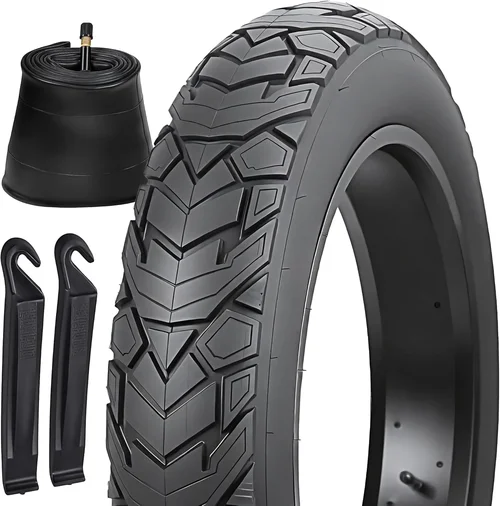
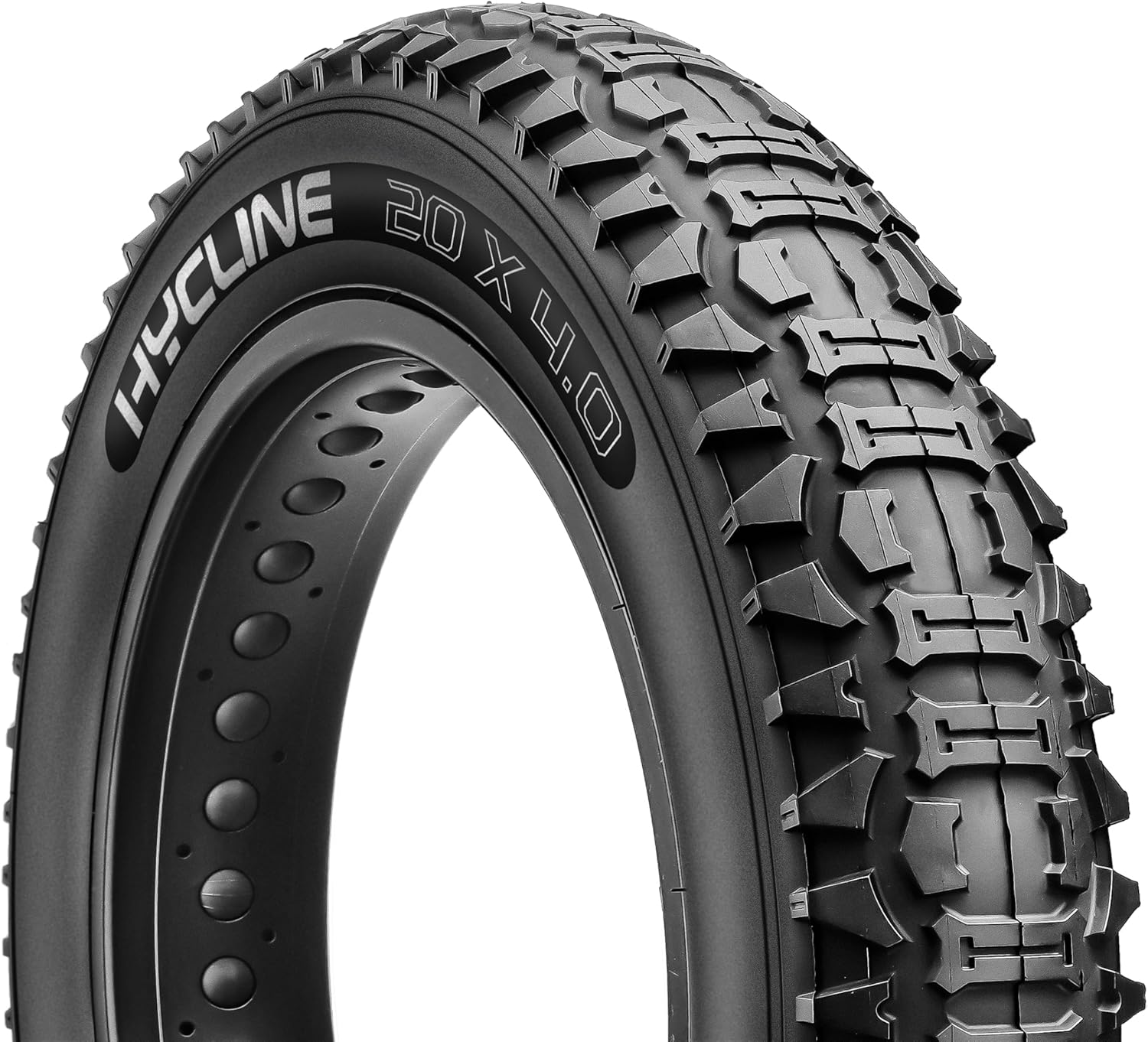
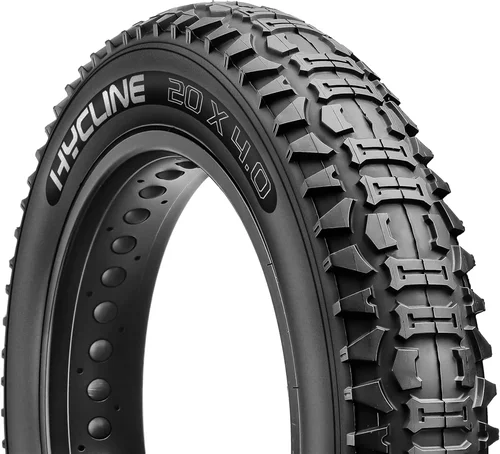
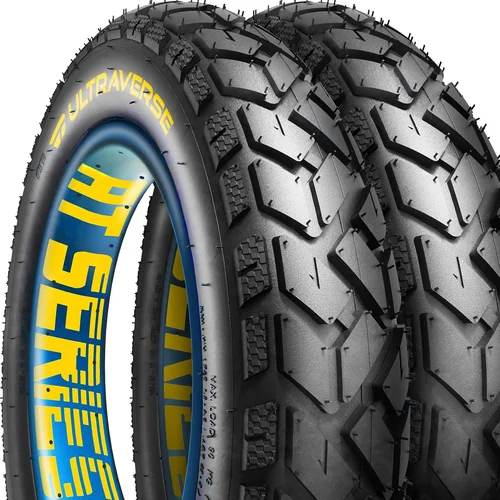
Fat tires are what define these bikes, typically ranging from 4.0 to 5.0 inches in width. Wider tires (4.8″–5.0″) provide maximum flotation on sand, snow, or mud but add rolling resistance and weight. Narrower fat tires (4.0″–4.5″) are better for mixed terrain and pavement, offering a smoother ride with less drag. Tire pressure is adjustable—lower PSI (5–15) for soft ground, higher (20–30) for pavement—so look for tires with a broad usable range.
Tread pattern matters too. Knobby, aggressive treads (like those on the Maxxis Colossus or Vee Tire Co. Snowshoe) excel in loose or slippery conditions but can be noisy and slow on roads. Semi-slick or hybrid treads offer a compromise, with center ridges for pavement and side knobs for cornering grip. Tubeless-ready tires are becoming more common in 2025, reducing puncture risk and allowing lower pressures without pinch flats. Always verify tire compatibility with your rims—some wide rims require specific tire widths.
5. Braking System
With speeds often exceeding 20 mph and heavy loads, reliable braking is non-negotiable. Mechanical disc brakes are common on budget models but require frequent adjustment and lose power when wet or muddy. Hydraulic disc brakes, found on mid-to-high-end bikes, offer superior modulation, consistent performance in all conditions, and less hand fatigue. Look for 180–203mm rotors—larger rotors provide more stopping power, essential for downhill or loaded riding.
Some 2025 models include regenerative braking (which recaptures energy during deceleration), though its real-world benefit is minimal on e-bikes compared to EVs. More importantly, check for brake integration with the motor cutoff—when you squeeze the brake lever, the motor should disengage instantly. This safety feature prevents accidental acceleration and is standard on reputable brands.
6. Display and Smart Features
The display is your command center, showing speed, battery level, assist mode, trip data, and more. Basic LCD screens are functional but lack customization. Color TFT displays (like those on the Aventon Aventure.2 or Himiway Cobra) offer better visibility, navigation integration, and smartphone connectivity. Many 2025 models support app integration via Bluetooth, allowing you to track rides, adjust settings, lock the bike remotely, or even receive firmware updates.
Look for intuitive controls—thumb throttles vs. twist grips, button placement, and backlighting for night riding. Some bikes include GPS tracking, anti-theft alarms, or built-in lights powered by the main battery. While not essential, these features enhance convenience and security. Avoid bikes with proprietary software that limits third-party accessories or diagnostics.
7. Weight and Portability
Electric fat tire bikes are inherently heavy—most weigh between 60 and 85 lbs—due to the motor, battery, and robust frame. This affects maneuverability, storage, and transport. If you need to carry your bike upstairs or load it into a car, consider lighter models (under 70 lbs) or those with step-through frames for easier mounting. Folding e-fat bikes exist (like the Lectric XP Fat), but they’re rare and often compromise on stability or range.
Portability also includes ease of maintenance. Removable batteries, tool-free adjustments, and accessible drivetrains save time and frustration. Some brands offer integrated rear racks or front baskets for cargo, which can offset the need for panniers or trailers. Always check the bike’s dimensions when folded or stored—some take up significant garage or apartment space.
8. Warranty and Customer Support
A good warranty reflects a brand’s confidence in its product. In 2025, expect at least a 1-year comprehensive warranty on the frame, motor, and battery, with 2–3 years becoming standard for reputable brands. Some (like Rad Power Bikes) offer extended battery warranties (up to 2 years) due to degradation concerns. Read the fine print: labor costs, shipping fees, and exclusions (like water damage or improper charging) can void coverage.
Customer support is equally important. Can you reach a real person quickly? Are parts readily available? Do they offer local service partnerships? Brands with U.S.-based support centers (e.g., Juiced Bikes, Aventon) typically resolve issues faster than overseas-only operations. Check online forums and review sites for recurring complaints about warranty denials or slow repairs.
Different Types of Electric Fat Tire Bikes
Common Buying Mistakes to Avoid
❌ Mistake: Prioritizing Price Over Build Quality
Why it’s bad: Cheap e-fat bikes often use low-grade motors, weak frames, and unreliable batteries that fail within a year. You may save $500 upfront but spend more on repairs or replacements.
What to do instead: Invest in a reputable brand with solid reviews and a good warranty. Mid-range bikes ($1,800–$2,800) often offer the best balance of quality and value.
❌ Mistake: Ignoring Real-World Range Claims
Why it’s bad: Manufacturers often quote range based on ideal conditions (light rider, flat terrain, eco mode). Actual range can be 30–50% lower.
What to do instead: Divide the advertised range by 1.5 to estimate real-world performance. Test ride if possible, or check user reviews for verified range reports.
❌ Mistake: Overlooking Local Laws and Regulations
Why it’s bad: Some states or cities restrict e-bike speed, power, or where they can be ridden. A 1,000W bike might be illegal on bike paths.
What to do instead: Check your local e-bike classification laws. Most areas allow Class 1 (pedal-assist only, up to 20 mph) and Class 3 (up to 28 mph), but throttle use may be limited.
❌ Mistake: Choosing the Wrong Tire Width for Your Terrain
Why it’s bad: A 5.0″ tire on pavement feels sluggish and drains the battery faster. Conversely, a 4.0″ tire may sink in deep snow.
What to do instead: Match tire width to your primary use: 4.0″–4.5″ for mixed terrain, 4.8″–5.0″ for snow/sand.
❌ Mistake: Skipping the Test Ride
Why it’s bad: E-fat bikes vary greatly in handling, weight distribution, and comfort. What looks good online might feel awkward in person.
What to do instead: Visit a local dealer or attend e-bike demo events. If buying online, choose retailers with generous return policies (e.g., 14–30 days).
❌ Mistake: Neglecting Maintenance Requirements
Why it’s bad: Fat tires, heavy frames, and high torque demand more maintenance—chain wear, brake adjustments, tire pressure checks.
What to do instead: Learn basic upkeep or budget for regular tune-ups. Choose bikes with sealed bearings and rust-resistant components.
❌ Mistake: Assuming All Throttles Are Equal
Why it’s bad: Twist throttles can be jerky; thumb throttles offer finer control. Some lack progressive engagement, making starts abrupt.
What to do instead: Test throttle response during a demo. Prefer models with smooth, linear throttle curves.
Budget Guidelines: How Much Should You Spend?
Entry-Level ($800 – $1,500): These bikes are great for beginners or occasional riders. Expect basic 500W–750W hub motors, 480–672Wh batteries, mechanical disc brakes, and minimal features. Brands like Ancheer, ECOTRIC, and Lectric offer decent value here, but build quality and longevity may be limited. Ideal for paved paths, light trails, or short commutes.
Mid-Range ($1,500 – $3,000): This is the sweet spot for most buyers. You’ll find reliable 750W motors, 720–960Wh batteries, hydraulic disc brakes, color displays, and better frames. Models like the RadRover 6 Plus, Himiway Cruiser, and Aventon Aventure.2 deliver excellent performance, comfort, and durability for daily use and moderate off-roading.
Premium ($3,000 – $5,000): Designed for enthusiasts and serious adventurers. Features include mid-drive motors, dual suspension, high-capacity batteries (up to 1,200Wh), premium components (Shimano, SRAM), and advanced electronics. Bikes like the Juiced RipCurrent X, Benno Boost E 10D, and Riese & Müller Load 75 excel in performance, range, and build quality.
Luxury ($5,000+): Top-tier machines with cutting-edge tech, custom builds, and exceptional craftsmanship. Think carbon fiber elements, integrated GPS, regenerative braking, and ultra-long range. These are for collectors, long-distance tourers, or those who demand the absolute best—no compromises.
Expert Tips for Getting the Best Deal
1. Buy During Off-Season Sales: Late fall and winter (October–February) are prime times for discounts as retailers clear inventory for new models. Black Friday and Cyber Monday often feature 15–25% off top brands.
2. Consider Refurbished or Open-Box Models: Many brands sell certified refurbished e-bikes at 20–40% off with full warranties. These are thoroughly tested and often indistinguishable from new.
3. Compare Total Cost of Ownership: Factor in battery replacement (every 3–5 years, $400–$800), maintenance, and potential upgrades. A slightly more expensive bike with better components may save money long-term.
4. Leverage Retailer Perks: Some stores offer free assembly, tune-ups, or loyalty programs. Rad Power Bikes, for example, includes a free first service.
5. Check for Local Incentives: Several U.S. states and cities offer rebates or tax credits for e-bike purchases—up to $1,500 in places like California and Colorado. Search “e-bike rebate [your state]” for details.
6. Read User Reviews Beyond Star Ratings: Look for detailed feedback on battery life, customer service, and real-world performance. Sites like Electric Bike Report and Reddit’s r/ebikes are goldmines.
7. Negotiate Add-Ons: If buying in-store, ask for free accessories (lock, helmet, pump) or discounted upgrades (better tires, lights).
8. Verify Return and Exchange Policies: Ensure you can return the bike within 14–30 days if it doesn’t meet expectations. Some online retailers charge restocking fees.

Frequently Asked Questions
Q: Can I ride an electric fat tire bike in the rain or snow?
A: Yes, most 2025 e-fat bikes are designed for all-weather use with IP65 or higher water resistance ratings. However, avoid submerging the battery or motor. In snow, lower tire pressure (5–10 PSI) for better traction, and clean the bike afterward to prevent salt or moisture damage.
Q: How often should I charge the battery?
A: Lithium-ion batteries perform best when kept between 20% and 80%. Avoid full discharges. Charge after each long ride, but don’t leave it plugged in indefinitely. Store at 50% charge if unused for weeks.
Q: Are fat tire e-bikes allowed on bike paths?
A: It depends on local laws. Most Class 1 and Class 3 e-bikes are permitted on multi-use paths, but some parks ban motorized vehicles. Always check signage and regulations.
Q: Can I convert a regular bike to a fat tire e-bike?
A: Technically yes, but it’s rarely cost-effective or safe. Fat tires require wide forks and rear stays, plus a reinforced frame. Conversion kits often lack the power and stability of purpose-built e-fat bikes.
Q: How long do fat tire e-bikes last?
A: With proper care, a quality e-fat bike can last 5–10 years. The battery may need replacement after 800–1,000 charge cycles (about 3–5 years), but the frame and drivetrain can endure much longer.
Q: Do I need special insurance for my e-fat bike?
A: Not typically, but consider adding it to your homeowner’s or renter’s insurance policy, especially for high-value models. Some insurers offer standalone e-bike coverage.
Q: Can I take my e-fat bike on public transit?
A: Many buses and trains allow e-bikes, but folding models are easier to manage. Check with your local transit authority—some restrict motorized bikes during peak hours.
Q: What’s the difference between pedal assist and throttle?
A: Pedal assist (PAS) provides power only when you pedal, with varying levels of support. Throttle lets you ride without pedaling, like a scooter. Both are useful—PAS for efficiency, throttle for hills or rest.
Q: Are fat tire e-bikes good for beginners?
A: Absolutely! Their stability, wide tires, and low center of gravity make them forgiving and confidence-inspiring, especially on uneven terrain. Start with lower assist levels to build skill.
Q: How do I maintain fat tires?
A: Check pressure weekly (use a fat tire-specific gauge), inspect for cuts or wear, and clean treads after muddy rides. Rotate tires occasionally to even out wear.
Our Final Recommendations
Best for Budget-Conscious Buyers: Lectric XP Fat – At under $1,000, it offers surprising value with a 750W motor, 672Wh battery, and folding design. Great for urban riders who need portability.
Best Overall Value: Rad Power Bikes RadRover 6 Plus – Reliable 750W motor, 672Wh battery, hydraulic brakes, and excellent customer support. A proven favorite for commuting and light off-roading.
Best Premium Option: Juiced RipCurrent X – Dual-battery system (1,440Wh total), 1,000W motor, and rugged build make it ideal for long adventures and heavy loads.
Best for Beginners: Aventon Aventure.2 – User-friendly interface, smooth ride, and strong community support. Perfect for first-time e-bike owners.
Best for Advanced Users: Benno Boost E 10D – Mid-drive motor, premium components, and modular cargo options cater to serious riders and tourers.
Conclusion: Making the Right Choice
Choosing the best electric fat tire bike in 2025 isn’t just about picking the shiniest model or the highest specs—it’s about aligning your purchase with your real-world needs, terrain, and lifestyle. We’ve covered everything from motor types and battery life to budget tiers and common pitfalls, equipping you with the knowledge to navigate this dynamic market confidently. Remember, the “best” bike is the one that fits your body, your budget, and your riding goals—not the one with the most watts or the longest advertised range.
Prioritize quality over gimmicks, test before you buy, and don’t underestimate the value of good customer support. Whether you’re commuting through snowy streets, exploring desert trails, or hauling groceries across town, a well-chosen e-fat bike can transform your daily routine into an adventure. Take your time, do your research, and invest in a machine that will serve you reliably for years to come. Your perfect ride is out there—now go find it.