
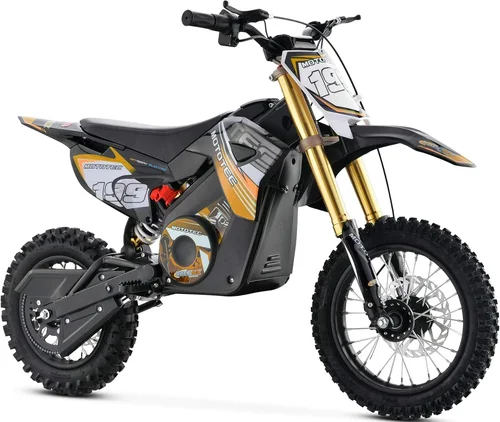
Electric dirt bikes have surged in popularity over the past few years, and for good reason. They offer a cleaner, quieter, and increasingly powerful alternative to traditional gas-powered off-road motorcycles. Whether you’re a weekend trail rider, a motocross enthusiast, or a parent looking for a safe and fun ride for your child, electric dirt bikes are reshaping the off-road experience. With advancements in battery technology, motor efficiency, and frame design, today’s electric models rival—and in some cases surpass—their combustion counterparts in performance, reliability, and ease of use.
This comprehensive buying guide is designed to help you navigate the rapidly evolving world of electric dirt bikes in 2025. We’ll walk you through everything you need to know to make an informed decision, from understanding key performance metrics to comparing top models across different price ranges. You’ll learn how to evaluate battery life, motor power, suspension quality, and build durability—factors that directly impact your riding experience. We’ll also highlight common pitfalls to avoid, share expert tips for getting the best deal, and provide real-world recommendations based on rider type and budget. By the end of this guide, you’ll have the confidence and knowledge to choose the electric dirt bike that best fits your needs, whether you’re hitting the trails for the first time or upgrading from a gas bike.
The electric dirt bike market has matured significantly, with offerings now spanning from affordable youth models to high-performance machines capable of tackling professional motocross tracks. Brands like Sur Ron, KTM, Husqvarna, and Segway have entered the space with innovative designs, while startups like Cake and Alta Motors continue to push the boundaries of what’s possible. With options ranging from $1,000 entry-level bikes to $15,000+ premium machines, there’s never been a better time to go electric. This guide cuts through the noise, delivering expert insights and practical advice to help you find the perfect ride.

What to Look for When Buying an Electric Dirtbike
1. Budget & Price Range
Your budget is the foundation of your buying decision. Electric dirt bikes vary widely in price, from under $1,000 for basic youth models to over $15,000 for professional-grade machines. Before you start shopping, determine how much you’re willing to spend and stick to it. Keep in mind that the cheapest option isn’t always the best value—lower-priced bikes may lack durability, performance, or safety features. Conversely, the most expensive model may include features you don’t need. A realistic budget helps narrow your options and prevents overspending on unnecessary extras.
When setting your budget, consider not just the upfront cost but also long-term expenses like battery replacements, maintenance, and accessories (helmets, gloves, riding gear). Some brands offer financing options or trade-in programs, which can make higher-end models more accessible. Also, factor in potential savings on fuel and maintenance—electric bikes have fewer moving parts and don’t require oil changes, spark plugs, or exhaust system repairs.
2. Performance Specifications
Performance is where electric dirt bikes truly shine. Key specs to evaluate include motor power (measured in watts or horsepower), torque, top speed, and range. Most electric dirt bikes feature brushless DC motors, which are efficient, reliable, and require minimal maintenance. A motor rated between 3,000W and 7,000W is ideal for recreational trail riding, while 10,000W+ motors are better suited for aggressive off-roading or motocross.
Torque is especially important for off-road performance—electric motors deliver instant torque, giving you immediate acceleration without the need for clutch control. Look for bikes with at least 100 Nm of torque for strong hill-climbing ability. Top speed typically ranges from 30 to 60 mph, depending on the model. For younger riders or beginners, lower speeds are safer and more manageable. Range, measured in miles per charge, varies based on battery capacity (measured in watt-hours, or Wh) and riding conditions. A range of 20–40 miles is standard for most mid-tier models, though aggressive riding can reduce this significantly.
3. Build Quality & Durability
Off-road riding is tough on equipment, so build quality is non-negotiable. Look for bikes with sturdy frames made from high-tensile steel or lightweight aluminum alloys. These materials offer a balance of strength and weight, ensuring the bike can handle jumps, drops, and rough terrain without bending or cracking. Check for reinforced welds, quality suspension components, and durable plastics on fenders and body panels.
Suspension is another critical factor. Quality front forks and rear shocks absorb impacts and improve handling. Entry-level bikes may have basic spring forks, while premium models feature adjustable air or coil suspension with multiple compression and rebound settings. Tires should be knobby and made from puncture-resistant rubber, with sizes ranging from 14” for youth bikes to 21” for full-sized adult models. Finally, inspect the overall fit and finish—loose bolts, poor alignment, or flimsy components are red flags.
4. Battery Life & Charging Time
The battery is the heart of any electric dirt bike. Most models use lithium-ion (Li-ion) or lithium iron phosphate (LiFePO4) batteries, with Li-ion being more common due to its higher energy density. Battery capacity is measured in watt-hours (Wh)—the higher the number, the longer the ride time. A 2,000Wh battery might last 30–40 miles on moderate terrain, while a 4,000Wh+ battery can extend that to 60+ miles.
Charging time is equally important. Many bikes come with standard chargers that take 4–8 hours for a full charge. Fast chargers (sold separately or included with premium models) can reduce this to 2–3 hours. Some high-end bikes support regenerative braking, which recaptures energy during deceleration and slightly extends range. Always check the battery’s cycle life—most are rated for 500–1,000 full charge cycles before capacity drops below 80%. Removable batteries are a major plus, allowing you to swap in a fresh pack during long rides.
5. Weight & Portability
Weight affects handling, maneuverability, and ease of transport. Electric dirt bikes typically weigh between 80 and 150 pounds, depending on size and battery capacity. Lighter bikes (under 100 lbs) are easier to control, especially for beginners or younger riders. However, heavier bikes often have larger batteries and more robust frames, which can improve stability at high speeds.
Portability matters if you plan to transport the bike frequently. Look for models with folding handlebars, removable batteries, and compact designs. Some bikes are designed to fit in the trunk of a car or the bed of a truck without disassembly. If you’re trailering, ensure the bike has secure tie-down points. For riders with limited storage space, consider a bike that can be stored vertically or hung on a wall mount.
6. Features & Functionality
Modern electric dirt bikes come packed with features that enhance safety, performance, and convenience. Regenerative braking, as mentioned, helps extend range. Multiple riding modes (Eco, Sport, Race) allow you to adjust power output based on terrain and skill level. LED lighting improves visibility during early morning or evening rides, while digital displays show speed, battery level, trip distance, and more.
Other useful features include keyless ignition, Bluetooth connectivity for app-based diagnostics, and smartphone integration for ride tracking. Some bikes offer smartphone mounts, USB charging ports, or even built-in GPS. For families, adjustable seat heights and speed limiters are valuable for younger riders. Water resistance is also important—look for IP67 or higher ratings to ensure the bike can handle mud, puddles, and light rain.
7. Brand Reputation & Reliability
Not all electric dirt bike brands are created equal. Established names like KTM, Husqvarna, and Yamaha have decades of experience in motorcycle engineering and offer proven reliability. Sur Ron has built a strong reputation in the electric off-road space with models like the Light Bee, known for their performance and durability. Segway’s X260 and X300 series are popular among trail riders for their balance of power and affordability.
When evaluating a brand, research customer reviews, warranty policies, and availability of spare parts. Brands with strong dealer networks and service centers make maintenance and repairs easier. Avoid unknown or no-name brands that offer suspiciously low prices—these often cut corners on quality and safety. Look for certifications like CE, UL, or DOT, which indicate compliance with safety and environmental standards.
8. Warranty & Customer Support
A solid warranty is a sign of a manufacturer’s confidence in their product. Most reputable brands offer at least a 1-year warranty on the frame and motor, with 6–12 months on the battery. Premium models may include 2–3 years of coverage. Read the fine print—some warranties exclude normal wear and tear, crashes, or improper charging.
Customer support is just as important. Can you easily reach a technician by phone or email? Are there online resources like user manuals, video tutorials, and FAQs? Brands with active forums or social media communities often provide faster, peer-to-peer support. Before buying, check if the company offers repair services or partnerships with local dealers. A good warranty and responsive support can save you time, money, and frustration down the road.
Different Types of Electric Dirtbikes

Common Buying Mistakes to Avoid
❌ Mistake: Choosing Based on Price Alone
Why it’s bad: The cheapest bike often sacrifices build quality, safety, and performance. You may end up with a model that breaks down frequently, lacks proper suspension, or has a weak motor that struggles on hills.
What to do instead: Balance price with features and durability. Look for the best value within your budget—sometimes spending $500 more gets you a significantly better bike with longer battery life and better components.
❌ Mistake: Ignoring Battery Specifications
Why it’s bad: A bike with a small battery may look powerful on paper, but if it only lasts 15 minutes of aggressive riding, it’s not practical for real-world use.
What to do instead: Check the battery’s watt-hour (Wh) rating and real-world range estimates. Opt for removable batteries and consider purchasing a spare for longer rides.
❌ Mistake: Overlooking Weight and Size
Why it’s bad: A bike that’s too heavy or too big can be difficult to control, especially for beginners or younger riders. It may also be hard to transport or store.
What to do instead: Match the bike’s size and weight to the rider’s strength and experience. Test ride if possible, or check manufacturer sizing guides.
❌ Mistake: Skipping the Warranty Check
Why it’s bad: Without a solid warranty, you’re on the hook for expensive repairs if the motor or battery fails prematurely.
What to do instead: Always review the warranty terms before buying. Choose brands that offer at least 1 year on the motor and 6 months on the battery.
❌ Mistake: Buying Without Researching the Brand
Why it’s bad: Unknown brands may use low-quality components, have poor customer support, or disappear after a few years, leaving you without parts or service.
What to do instead: Stick to reputable brands with positive reviews and established dealer networks. Read user forums and watch video reviews.
❌ Mistake: Forgetting About Maintenance and Parts
Why it’s bad: Even electric bikes need maintenance—tires wear out, brakes need adjustment, and suspension requires servicing.
What to do instead: Choose a bike with readily available parts and service options. Avoid models with proprietary components that are hard to replace.
❌ Mistake: Not Considering Riding Environment
Why it’s bad: A bike designed for flat trails won’t perform well in rocky, mountainous terrain, and vice versa.
What to do instead: Match the bike’s capabilities to your typical riding conditions. Look for features like aggressive tires, long-travel suspension, and high torque for rough terrain.
Budget Guidelines: How Much Should You Spend?
- Entry-Level ($600 – $1,500): Ideal for kids and beginners. These bikes are lightweight, have lower top speeds (15–25 mph), and basic suspension. Examples include the Razor MX650 and Segway X160. Expect shorter range (10–20 miles) and limited durability for aggressive use.
- Mid-Range ($2,000 – $5,000): The sweet spot for most recreational riders. These bikes offer better motors (3,000W–7,000W), longer range (25–40 miles), and improved suspension. Models like the Sur Ron Light Bee and KTM Freeride E-XC fall into this category. Great for trail riding and light off-roading.
- Premium ($5,000 – $10,000): For serious off-roaders and intermediate riders. These bikes feature high-torque motors (8,000W+), advanced suspension, and durable frames. Expect 40–60 mile range, fast charging, and features like regenerative braking. Examples include the Husqvarna EE 5 and Cake Kalk&.
- Luxury ($10,000+): Top-tier performance for professionals and enthusiasts. These bikes are race-ready, with carbon fiber components, adjustable suspension, and cutting-edge electronics. Models like the Alta Motors Redshift MX and custom-built Sur Ron upgrades offer unmatched power and precision.

Expert Tips for Getting the Best Deal
- Shop During Off-Season: Prices drop in late fall and winter when demand is low. Many retailers offer clearance sales to make room for new inventory.
- Compare Online and In-Store: Online retailers often have lower prices and better selection, but local dealers may offer test rides, service, and trade-in options.
- Look for Bundles: Some sellers include helmets, gloves, chargers, or spare batteries in package deals—these can save you $200–$500.
- Check for Rebates and Incentives: Some states and utility companies offer rebates for electric vehicle purchases, including off-road bikes.
- Negotiate: Even online, you can sometimes negotiate free shipping, extended warranties, or discounts—especially on higher-priced models.
- Read Return Policies: Ensure the seller offers a reasonable return window (at least 14–30 days) in case the bike doesn’t meet your expectations.
- Test Ride When Possible: If you can, visit a dealer or attend a demo event. Feeling the bike’s power, balance, and comfort firsthand is invaluable.
- Join Owner Forums: Communities like Sur Ron Forum or Electric Dirt Bike Reviews often share deals, maintenance tips, and user experiences.

Frequently Asked Questions
Q: Are electric dirt bikes as powerful as gas bikes?
A: Yes, many electric dirt bikes now match or exceed the performance of 250cc gas bikes. Electric motors deliver instant torque, providing quicker acceleration off the line. However, top speed and long-term durability under extreme conditions may still favor high-end gas models in some cases.
Q: How long do electric dirt bike batteries last?
A: Most lithium-ion batteries last 500–1,000 full charge cycles before capacity drops below 80%. With proper care, this translates to 3–5 years of regular use. Avoid deep discharges and extreme temperatures to extend battery life.
Q: Can I ride an electric dirt bike in the rain?
A: Most electric dirt bikes are water-resistant (IP67 rated), meaning they can handle splashes, puddles, and light rain. However, submerging the bike or riding in heavy downpours can damage electronics. Always dry the bike thoroughly after wet rides.
Q: Do I need a license to ride an electric dirt bike?
A: It depends on your location and the bike’s power. In many U.S. states, electric bikes under 750W are classified as e-bikes and don’t require a license. Higher-powered models may be considered motorcycles and require registration, insurance, and a license. Check local laws before riding on public land.
Q: How fast can electric dirt bikes go?
A: Speeds vary widely. Youth models max out at 20–25 mph, while adult bikes range from 35 mph to over 60 mph. Premium models like the Sur Ron Storm Bee can exceed 70 mph with upgraded batteries.
Q: Are electric dirt bikes quiet?
A: Yes—much quieter than gas bikes. Electric motors produce a low hum rather than a loud engine roar, making them ideal for riding in noise-sensitive areas like campgrounds or residential trails.
Q: Can I upgrade my electric dirt bike?
A: Absolutely. Common upgrades include higher-capacity batteries, performance controllers, upgraded suspension, and custom exhausts (for sound). Some brands, like Sur Ron, have large aftermarket communities offering mods.
Q: How do I maintain an electric dirt bike?
A: Maintenance is simpler than gas bikes. Regular tasks include checking tire pressure, cleaning the chain, inspecting brakes, and keeping the battery charged. Avoid water exposure to electrical components and store in a dry place.
Q: Where can I ride an electric dirt bike?
A: Electric dirt bikes are allowed on most off-road trails, motocross tracks, and private land. Some public parks and forests permit them on designated trails. Always check local regulations—some areas restrict motorized vehicles.
Q: Are electric dirt bikes eco-friendly?
A: Yes, significantly more than gas bikes. They produce zero emissions during operation and have a smaller carbon footprint over their lifetime, especially when charged with renewable energy.
Our Final Recommendations
- Best for Budget-Conscious Buyers: Segway X260 – At around $2,500, it offers excellent value with a 4,000W motor, 40-mile range, and durable build. Great for trail riding and light off-roading.
- Best Overall Value: Sur Ron Light Bee X – Priced at $4,500, it’s a favorite among enthusiasts for its 6,000W motor, 50-mile range, and modular design. Perfect balance of power, range, and price.
- Best Premium Option: Husqvarna EE 5 – At $10,000, it’s a race-ready machine with a 5 kW motor, adjustable suspension, and lightweight carbon fiber components. Ideal for competitive riders.
- Best for Beginners: Razor MX650 – Affordable at $800, it’s lightweight, easy to control, and perfect for kids and first-time riders. Includes speed limiter and training wheels.
- Best for Advanced Users: Alta Motors Redshift MX – Though discontinued, used models offer unmatched performance with a 40+ hp motor, 60+ mph top speed, and professional-grade suspension. A true electric motocross beast.
Conclusion: Making the Right Choice
Choosing the best electric dirt bike in 2025 doesn’t have to be overwhelming. By focusing on your budget, riding style, and performance needs, you can narrow down the options and find a bike that delivers excitement, reliability, and long-term value. Remember to prioritize build quality, battery life, and safety features—especially if you’re buying for a younger rider. Don’t rush the decision; take time to research, compare models, and, if possible, test ride before committing.
Electric dirt bikes represent the future of off-road riding—cleaner, quieter, and increasingly powerful. Whether you’re exploring forest trails, hitting the motocross track, or introducing your child to the thrill of two wheels, there’s an electric model out there that’s perfect for you. Use this guide as your roadmap, avoid common pitfalls, and invest in a bike that will deliver years of adventure. The trail is calling—answer it with confidence.