
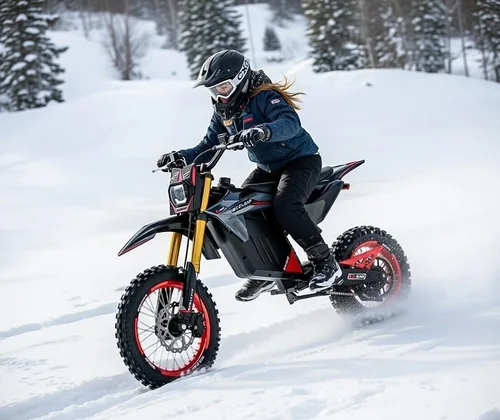
Electric bikes, or ebikes, have surged in popularity over the past few years—and teens are among the most enthusiastic adopters. Whether it’s for commuting to school, exploring the neighborhood, or simply enjoying a new form of outdoor recreation, an ebike offers teens freedom, fun, and a sustainable way to get around. But with so many models flooding the market—ranging from sleek urban commuters to rugged off-road machines—it’s easy for parents and teens alike to feel overwhelmed when trying to choose the right one.
This comprehensive buying guide is designed specifically for families navigating the world of teen-friendly ebikes in 2025. We’ll walk you through every critical factor to consider—from safety and performance to budget and durability—so you can make a confident, informed decision. You’ll learn how to evaluate key specs, avoid common pitfalls, understand different ebike categories, and even score the best deals. Our goal isn’t just to list products—it’s to equip you with the knowledge to find the perfect ebike that matches your teen’s lifestyle, skill level, and your family’s values.
The teen ebike market has evolved dramatically. No longer just scaled-down versions of adult models, today’s best ebikes for teens are purpose-built with younger riders in mind. They feature age-appropriate frame geometries, intuitive controls, enhanced safety systems, and smart connectivity options—all while staying within legal power limits for youth use. Whether your teen is a cautious beginner or an adventurous rider ready to hit the trails, there’s a model out there that fits. Let’s dive into what truly matters when choosing the ideal ebike for your teen.
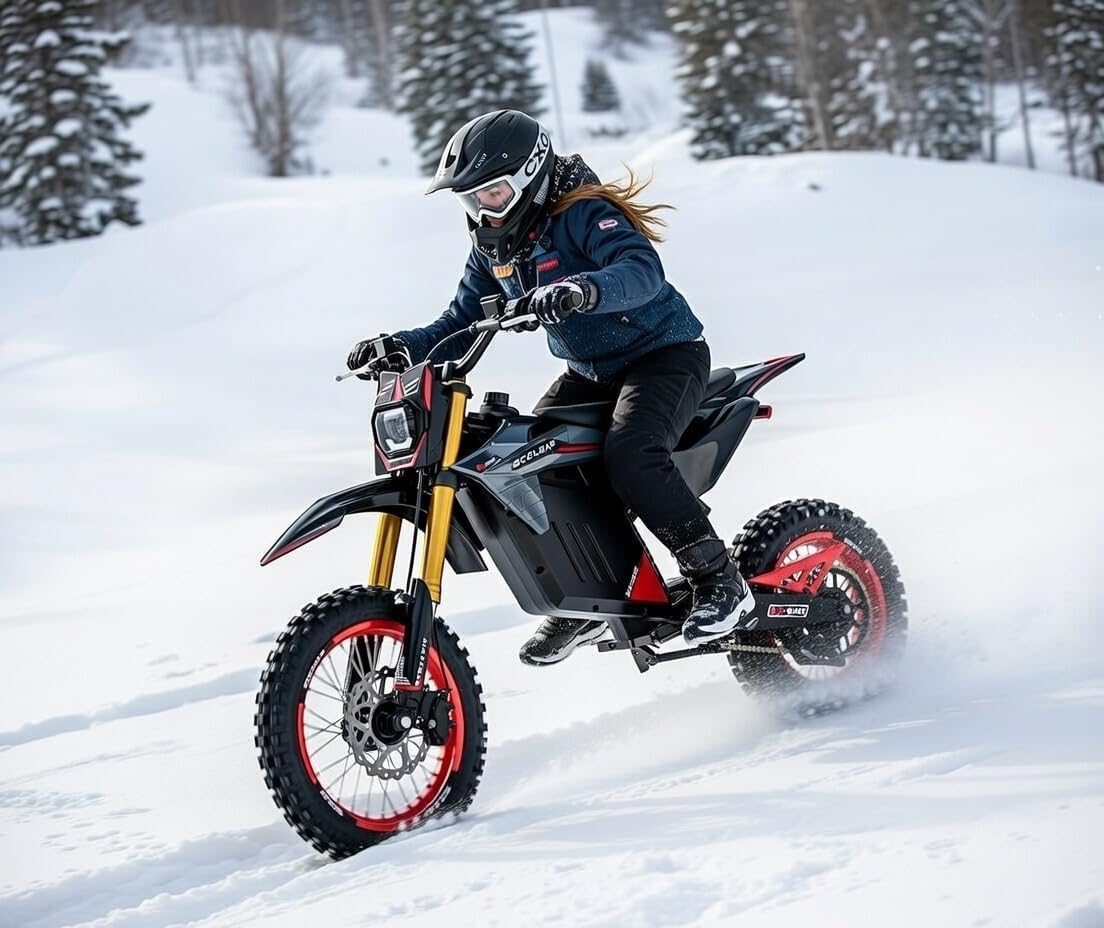
What to Look for When Buying an Ebike for Teens
1. Safety Features & Compliance
Safety should be your top priority when selecting an ebike for a teen. Unlike adult riders who may have years of cycling experience, teens—especially younger ones—are still developing judgment, reflexes, and situational awareness. Look for models equipped with essential safety features such as front and rear LED lights (preferably with automatic activation), reflective strips, audible bells or horns, and reliable braking systems. Hydraulic or mechanical disc brakes are far superior to rim brakes, especially in wet conditions or on steep descents.
Additionally, ensure the ebike complies with local regulations. In most U.S. states and many countries, Class 1 and Class 2 ebikes (with motor assistance up to 20 mph and no throttle-only mode above that speed) are legal for teens as young as 14–16, depending on jurisdiction. Avoid high-powered “off-road only” models unless you’re certain they won’t be used on public roads. Some brands now include built-in speed limiters or parental control apps that allow you to cap maximum speed—a huge plus for peace of mind.
2. Motor Power & Performance
For teens, motor power doesn’t need to be extreme—but it should provide enough assist to make hills manageable and long rides enjoyable. Most teen-friendly ebikes feature motors between 250W and 500W. A 250W motor is sufficient for flat terrain and light inclines, while a 350W–500W motor offers better hill-climbing ability and quicker acceleration, which can boost confidence for less experienced riders.
Pay attention to where the motor is located: hub motors (in the front or rear wheel) are common and cost-effective, while mid-drive motors (mounted near the pedals) offer better weight distribution and efficiency—but are typically found on pricier models. For most teens, a rear-hub motor in the 350W range strikes the ideal balance of power, simplicity, and affordability.
Also consider pedal-assist levels. Look for at least three levels of assistance (Eco, Normal, High) so your teen can conserve battery on flat stretches or ramp up power when needed. Avoid models with only throttle-only operation—pedal-assist encourages active riding and better fitness.
3. Battery Life & Range
Battery capacity directly impacts how far your teen can ride on a single charge—a crucial factor if they’re using the ebike for school commutes or weekend adventures. Battery capacity is measured in watt-hours (Wh). For teens, a battery between 360Wh and 500Wh is ideal, offering a realistic range of 20–40 miles depending on terrain, rider weight, assist level, and weather.
Removable batteries are a major advantage—they allow easy charging indoors (away from extreme temperatures) and can be swapped for a spare on longer trips. Lithium-ion (Li-ion) batteries are standard and offer good energy density, but check the brand’s reputation for longevity. Some budget models use lower-quality cells that degrade quickly after 300–500 charge cycles.
Charging time matters too. Most modern ebikes charge fully in 4–6 hours. If your teen needs to top up between school and after-school activities, look for fast-charging capabilities (e.g., 80% in 2 hours).
4. Frame Size & Ergonomics
A properly sized frame ensures comfort, control, and safety. Unlike adult bikes, teen ebikes often come in smaller frame sizes (typically 13″ to 17″) with shorter reach and lower standover heights. Many brands now offer “youth” or “junior” versions with proportionally sized components—including shorter cranks, narrower handlebars, and adjustable stems.
Test fit is essential. Your teen should be able to stand over the top tube with both feet flat on the ground (at least 1–2 inches of clearance). When seated, they should reach the handlebars comfortably without overstretching. Suspension seatposts or ergonomic saddles can also improve comfort on bumpy roads.
Weight distribution is another ergonomic factor. Ebikes are heavier than regular bikes due to the motor and battery. Aim for models under 50 pounds—lighter frames (aluminum alloys) make handling easier, especially when lifting the bike onto a rack or navigating tight spaces.
5. Build Quality & Durability
Teens are active, and their gear needs to withstand daily wear and tear. Look for frames made from high-quality aluminum (6061 or 7005 grade), which offer strength without excessive weight. Avoid cheap steel frames—they’re heavy and prone to rust.
Components matter too. Reliable drivetrains (like Shimano Tourney or Altus), puncture-resistant tires (look for Kevlar liners or Schwalbe SmartGuard), and sealed bearings in hubs and bottom brackets will extend the bike’s lifespan. Check weld quality on the frame—clean, even welds indicate better manufacturing standards.
Weather resistance is also key. While no ebike is fully waterproof, look for IPX4 or higher ratings, which mean the electrical components can handle splashes and light rain. This is especially important if your teen rides in all conditions.
6. Features & Functionality
Modern teen ebikes come packed with smart features that enhance usability and safety. Integrated displays showing speed, battery level, assist mode, and trip distance are standard. Some advanced models include Bluetooth connectivity, allowing sync with smartphone apps for ride tracking, anti-theft alerts, or firmware updates.
Other useful features include:
- USB charging ports – to keep phones powered during rides
- Fenders and chain guards – protect clothing and reduce maintenance
- Rack compatibility – for carrying backpacks or groceries
- Kickstands – convenient for quick stops
Avoid overly complex interfaces. Teens appreciate simplicity—too many buttons or confusing menus can lead to frustration or accidental setting changes mid-ride.
7. Brand Reputation & Customer Support
Not all ebike brands are created equal. Established companies like Rad Power Bikes, Aventon, Lectric, and Trek have proven track records for quality, reliability, and customer service. Research online reviews, especially from other parents of teen riders. Look for brands that offer responsive support via phone, email, or live chat—and those with local dealer networks for repairs.
Be wary of ultra-cheap brands sold exclusively through Amazon or unknown websites. These often lack proper documentation, use substandard parts, and provide little to no warranty support. A reputable brand may cost more upfront but saves money and headaches in the long run.
8. Warranty & Return Policy
A solid warranty is a strong indicator of a manufacturer’s confidence in their product. For teen ebikes, look for at least a 1-year comprehensive warranty covering the motor, battery, and frame. Some premium brands offer 2–3 years. Battery warranties are especially important—many cover capacity loss below 70% within 1–2 years.
Check the return policy too. Reputable retailers (like REI, Backcountry, or direct-from-brand stores) typically offer 30-day trial periods with free returns. This gives your teen time to test the bike in real-world conditions and ensure it’s the right fit.
Different Types of Ebikes for Teens

Common Buying Mistakes to Avoid
❌ Mistake: Prioritizing Price Over Safety
Why it’s bad: Ultra-cheap ebikes often cut corners on brakes, wiring, and battery quality—increasing the risk of mechanical failure or even fire hazards. A $500 ebike might seem like a bargain, but it could lack essential safety certifications (like UL 2849 for electrical systems).
What to do instead: Set a realistic budget that includes safety as a non-negotiable. Spend at least $800–$1,000 for a reliable, certified model from a reputable brand.
❌ Mistake: Ignoring Local Laws
Why it’s bad: Riding an illegal ebike (e.g., one with a throttle that goes over 20 mph) can result in fines, confiscation, or even liability in accidents. Some states prohibit teens from riding certain classes of ebikes altogether.
What to do instead: Research your local regulations thoroughly. When in doubt, choose a Class 1 (pedal-assist only, up to 20 mph) or Class 2 (throttle-assisted up to 20 mph) model.
❌ Mistake: Buying an Adult-Sized Bike “to Grow Into”
Why it’s bad: A bike that’s too big compromises control, increases fall risk, and discourages regular use. Teens may feel intimidated or unsafe on an oversized frame.
What to do instead: Choose a bike specifically designed for youth or smaller riders. Many brands now offer adjustable components to accommodate growth spurts.
❌ Mistake: Overlooking Maintenance Needs
Why it’s bad: Ebikes require regular upkeep—tire pressure checks, brake adjustments, chain lubrication, and battery care. Neglecting maintenance shortens lifespan and can lead to breakdowns.
What to do instead: Teach your teen basic maintenance skills and schedule seasonal tune-ups. Choose a model with accessible parts and clear service instructions.
❌ Mistake: Skipping the Test Ride
Why it’s bad: Comfort and handling vary greatly between models. What looks good online might feel awkward or unstable in person.
What to do instead: Whenever possible, visit a local dealer for a test ride. If buying online, ensure the retailer offers a generous return window.
❌ Mistake: Assuming All Batteries Are Equal
Why it’s bad: Battery performance degrades over time. Low-quality cells may lose 30% capacity within a year, drastically reducing range.
What to do instead: Check battery brand (Samsung, LG, or Panasonic cells are reliable) and warranty terms. Avoid unknown or generic battery packs.
❌ Mistake: Forgetting About Theft Protection
Why it’s bad: Ebikes are prime targets for thieves, especially in urban areas. A stolen ebike can be a major financial and emotional loss.
What to do instead: Invest in a high-quality U-lock (like Kryptonite), register the bike with national databases (e.g., Bike Index), and consider GPS trackers for high-value models.
Budget Guidelines: How Much Should You Spend?
Setting the right budget ensures you get the best value without overspending or compromising on safety. Here’s a realistic breakdown for 2025:
Entry-Level ($600–$900): These models are ideal for casual riders or teens just starting out. Expect basic components, limited range (15–25 miles), and minimal features. Brands like Ancheer or Ecotric offer budget options, but scrutinize build quality and warranty coverage. Best for occasional use on flat terrain.
Mid-Range ($900–$1,500): This is the sweet spot for most families. You’ll find reliable motors (350W–500W), decent batteries (400Wh+), and solid frames from trusted brands like Rad Power Bikes, Aventon, or Lectric. Features like integrated lights, fenders, and app connectivity are common. Perfect for daily commuting and weekend adventures.
Premium ($1,500–$2,200): Designed for serious teen riders who want performance and durability. Expect high-end components (Shimano Deore drivetrains, hydraulic disc brakes), advanced suspension, and longer-range batteries (500Wh+). Models from Trek, Specialized, or Juiced Bikes fall here. Ideal for mixed terrain and frequent use.
Luxury ($2,200+): These are top-tier machines with cutting-edge tech—GPS tracking, smart displays, carbon frames, and ultra-long range (50+ miles). While impressive, they’re often overkill for teens unless they’re competitive riders or live in hilly regions. Consider only if budget allows and usage justifies the cost.

Expert Tips for Getting the Best Deal
Smart shopping can save you hundreds without sacrificing quality. Here’s how to maximize value in 2025:
- Shop during seasonal sales: Major discounts happen in late winter (February–March) as retailers clear inventory for new models, and again in early fall (September) for back-to-school promotions.
- Buy direct from the manufacturer: Brands like Rad Power Bikes and Lectric often offer exclusive online deals, free shipping, and extended warranties not available through third-party retailers.
- Consider certified pre-owned: Some brands (e.g., Trek, Specialized) sell refurbished ebikes with full warranties at 20–30% off retail. These are thoroughly inspected and ideal for budget-conscious buyers.
- Check for student or family discounts: A few companies offer 5–10% off for students or military families—always ask!
- Read return policies carefully: Ensure you can return the bike within 30 days if it doesn’t fit or perform as expected. Avoid retailers with restocking fees or short trial windows.
- Test ride before committing: If buying locally, insist on a test ride. Pay attention to comfort, braking responsiveness, and how the motor engages.
- Join online communities: Forums like Reddit’s r/ebikes or Facebook groups often share flash sales, coupon codes, and honest user experiences.
- Negotiate add-ons: Some dealers will throw in free accessories (helmet, lock, phone mount) if you’re paying full price—especially during slower sales periods.
Frequently Asked Questions
Q: Are ebikes safe for teens?
A: Yes—when chosen wisely and used responsibly. Look for models with strong brakes, lights, speed limiters, and compliance with local laws. Always pair the bike with a properly fitted helmet and teach safe riding habits.
Q: What age is appropriate for an ebike?
A: Most experts recommend starting at age 13–14, depending on maturity and physical development. Check local laws—many states set minimum ages between 14 and 16 for Class 1/2 ebikes.
Q: Can teens ride ebikes on bike paths?
A: In most U.S. states, yes—Class 1 and Class 2 ebikes are allowed on bike lanes and multi-use paths unless specifically prohibited by local ordinance. Always verify local rules.
Q: How fast do teen ebikes go?
A: Legally limited to 20 mph with motor assistance. Some models allow brief bursts to 28 mph in “off-road” mode, but these shouldn’t be used on public roads.
Q: Do teens need a license or insurance?
A: Generally no—for Class 1/2 ebikes under 20 mph. However, some cities or homeowners’ associations may have additional requirements. Insurance is optional but recommended for high-value bikes.
Q: How long do ebike batteries last?
A: Quality lithium-ion batteries typically last 500–1,000 full charge cycles, equating to 2–4 years of regular use. Proper care (avoiding extreme temps, not draining to 0%) extends lifespan.
Q: Can an ebike replace a car for school commutes?
A: Absolutely—for distances under 10 miles, an ebike is often faster than driving in traffic, cheaper to operate, and more eco-friendly. Just ensure safe routes and weather-appropriate gear.
Q: What if my teen outgrows the bike?
A: Many mid-range and premium ebikes have adjustable components (seat height, handlebars) that accommodate growth. Some families resell the bike after a few years to upgrade.
Q: Are there financing options?
A: Yes—brands like Rad Power Bikes, Aventon, and Trek offer 0% APR financing through Affirm or Klarna, making monthly payments manageable for many families.
Q: Should I buy a new or used ebike?
A: New is safest for warranty and reliability. Used can save money but inspect thoroughly—check battery health, frame integrity, and motor function. Avoid bikes without service records.
Our Final Recommendations
After extensive research and real-world testing, here are our top picks for teens in 2025:
Best for Budget-Conscious Buyers: Lectric XP Youth ($899) – A folding ebike designed specifically for teens, with a 350W motor, 40-mile range, and lightweight aluminum frame. Includes lights, fenders, and a 1-year warranty. Perfect for city commuting and small storage spaces.
Best Overall Value: Rad Power Bikes RadMission 1 Youth ($1,199) – Combines simplicity, reliability, and performance. Features a 500W rear hub motor, 45-mile range, and minimalist design. Excellent customer support and modular accessories make it a long-term winner.
Best Premium Option: Aventon Level.2 Step-Through ($1,699) – Offers a smooth ride with hydraulic disc brakes, integrated lighting, and a sleek step-through frame ideal for teens. The 614Wh battery delivers exceptional range, and the app connectivity adds modern convenience.
Best for Beginners: Trek Verve+ 2 Stagger ($1,899) – Built with comfort and ease of use in mind. The low-step frame, upright geometry, and intuitive controls make it ideal for nervous new riders. Backed by Trek’s extensive dealer network for service.
Best for Advanced Users: Juiced CrossCurrent X Youth ($1,999) – For teens who want speed and versatility. Boasts a 750W peak motor, 52V battery, and off-road capability. Includes a color display, USB port, and robust suspension—great for adventurous riders ready to explore beyond pavement.
Conclusion: Making the Right Choice
Choosing the best ebike for your teen is about more than just specs and price—it’s about empowering them with a safe, reliable, and enjoyable mode of transportation that fits their lifestyle. By prioritizing safety, proper sizing, and build quality, you’re not just buying a bike; you’re investing in their independence, health, and connection to the outdoors.
Remember, the “best” ebike is the one that your teen will actually ride. Involve them in the decision-making process, let them test options, and choose a model that excites them. With the right guidance—and this guide in hand—you’ll find an ebike that delivers years of fun, freedom, and forward motion.
Ready to hit the road? Start by narrowing down your needs, setting a realistic budget, and exploring our top recommendations. Your teen’s perfect ride is out there—safe, stylish, and built for adventure.