
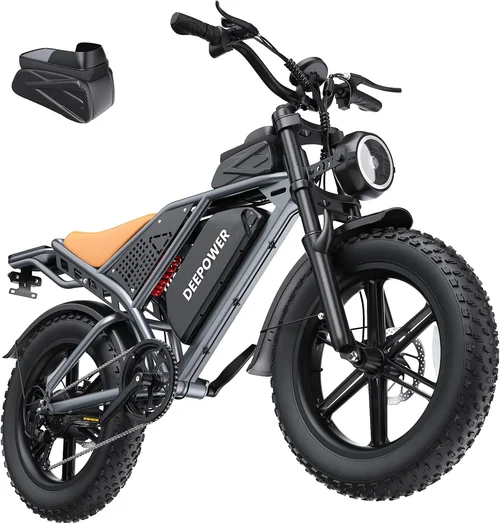
Electric dirt bikes are revolutionizing off-road riding. Once dominated by loud, gas-guzzling two-strokes and four-strokes, the dirt bike world is now embracing silent, instant-torque electric powertrains that deliver thrilling performance with zero emissions. Whether you’re a weekend trail rider, a motocross enthusiast, or a parent looking for a safe, fun ride for your kid, there’s never been a better time to go electric.
This comprehensive buying guide is designed to cut through the noise and help you make an informed decision. With dozens of models hitting the market in 2025—from budget-friendly kids’ bikes to high-performance adult machines capable of tackling professional tracks—it’s easy to feel overwhelmed. Our goal is to equip you with the knowledge to choose the right electric dirt bike based on your skill level, riding style, budget, and long-term needs. We’ll break down key specs, compare categories, highlight common pitfalls, and offer expert-backed recommendations so you can ride confidently from day one.
The electric dirt bike market has matured rapidly over the past few years. Major brands like KTM, Husqvarna, and Beta now offer factory-built electric models, while innovative startups such as Cake, Sur Ron, and Segway have pushed the boundaries of lightweight design and battery efficiency. Simultaneously, affordable options from brands like Razor, MotoTec, and Overtime have made electric off-roading accessible to younger riders and casual users. This explosion of choice means more innovation—but also more confusion. That’s why understanding what truly matters in an electric dirt bike is essential before you click “buy.”

What to Look for When Buying an Electric Dirt Bike
1. Budget & Price Range
Your budget is the single most important factor when shopping for an electric dirt bike. Prices vary wildly—from under $500 for basic youth models to over $15,000 for competition-ready machines. Setting a realistic budget upfront prevents overspending or settling for a bike that doesn’t meet your needs.
Entry-level electric dirt bikes (typically under $1,000) are ideal for kids or beginners. They often feature lower top speeds (10–20 mph), smaller motors (250W–750W), and shorter battery life (30–60 minutes). While they lack advanced features, they’re perfect for learning balance and control in a safe, low-risk environment.
Mid-range models ($1,000–$4,000) offer a sweet spot for teens and adult casual riders. These bikes usually include better suspension, more powerful motors (1,000W–3,000W), and improved battery technology (lithium-ion with 1–2 hours of runtime). Brands like Sur Ron (Light Bee), Segway (X260), and Overtime dominate this segment with durable builds and respectable off-road capability.
Premium electric dirt bikes ($4,000–$10,000) are built for serious trail riding, enduro, or light motocross. Expect full suspension, high-torque motors (5,000W+), regenerative braking, smartphone connectivity, and swappable batteries. Models like the KTM Freeride E-XC and Husqvarna TE 300E fall here—offering near-gas-bike performance with electric convenience.
Luxury/professional-grade bikes ($10,000+) are engineered for competition, extreme terrain, or commercial use. These include cutting-edge tech like carbon fiber frames, AI-assisted traction control, and ultra-fast charging. The Cake Kalk OR and Beta E-XC represent this tier—built for riders who demand maximum performance and reliability.
2. Performance Specifications
Performance in electric dirt bikes is measured differently than in gas-powered counterparts. Instead of horsepower and displacement, focus on motor power (watts or kW), torque (Nm), top speed, range, and hill-climbing ability.
Motor power determines how fast and how steeply your bike can climb. A 500W motor might suffice for flat trails, but a 3,000W+ motor is needed for technical terrain or rider weights over 180 lbs. Torque is even more critical—electric motors deliver 100% torque instantly, giving you explosive acceleration off the line. Look for at least 50 Nm of torque for serious off-road use.
Top speed ranges from 15 mph (kids’ bikes) to over 60 mph (high-end models). However, speed isn’t everything—many trail riders prefer slower, controllable bikes for technical sections. Range depends on battery capacity (measured in watt-hours, or Wh) and riding style. Aggressive riding drains batteries faster. Most mid-range bikes offer 20–40 miles per charge, while premium models can exceed 60 miles with eco modes.
Hill-climbing ability is often overlooked but crucial for off-roading. Check the manufacturer’s stated gradeability (e.g., “can climb 30% grades”). This tells you whether the bike can handle steep inclines without stalling or overheating.
3. Build Quality & Durability
An electric dirt bike must withstand mud, rocks, jumps, and crashes. Poor build quality leads to broken frames, loose wiring, or water-damaged electronics—especially since many components are sealed but not fully waterproof.
Frame material matters: aluminum alloy is lightweight and corrosion-resistant, while steel is heavier but more impact-resistant. Look for reinforced joints and thick-wall tubing. Suspension quality is equally vital—cheap spring forks and basic rear shocks won’t handle rough terrain. Premium bikes use adjustable air or coil suspension with 8–10 inches of travel.
Water resistance is a big differentiator. While no electric bike is truly “waterproof,” many now carry IP67 ratings, meaning they can survive brief submersion. Avoid models with exposed connectors or unsealed battery compartments if you plan to ride in wet conditions.
Also inspect welds, bolt quality, and cable routing. Sloppy assembly or thin-gauge wiring suggests cost-cutting that could lead to early failure. Brands like KTM, Husqvarna, and Cake prioritize rugged construction, while some budget brands sacrifice durability for affordability.
4. Battery Technology & Charging
The battery is the heart of any electric dirt bike. Lithium-ion (Li-ion) is standard, but not all Li-ion batteries are equal. Look for cells from reputable manufacturers like Samsung, LG, or Panasonic—they offer better cycle life and thermal stability.
Battery capacity (Wh) directly affects range. A 1,000Wh battery will last roughly twice as long as a 500Wh one under similar conditions. Swappable batteries are a game-changer for extended rides—you can carry a spare and swap in seconds instead of waiting hours to recharge.
Charging time varies widely. Basic chargers may take 6–8 hours for a full charge, while fast chargers (often sold separately) can cut that to 2–3 hours. Some premium models support Level 2 charging (240V), enabling sub-90-minute recharges. Always check if the charger is included—some brands sell it as an add-on.
Battery management systems (BMS) are critical for safety and longevity. A good BMS prevents overcharging, over-discharging, and overheating. Without it, you risk reduced battery life or even fire hazards.
5. Features & Functionality
Modern electric dirt bikes come packed with features that enhance safety, control, and convenience. Key ones to consider include:
– Multiple ride modes: Eco, Trail, Sport, and Race modes let you tailor power delivery to terrain and skill level.
– Regenerative braking: Recovers energy during deceleration, extending range by 5–15%.
– Smartphone app integration: Lets you monitor battery health, track rides, adjust settings, and even lock the bike remotely.
– LED lighting: Essential for night riding; look for bright headlights and brake lights.
– Digital display: Shows speed, battery level, trip distance, and error codes.
– Adjustable suspension: Allows tuning for rider weight and terrain.
– Quick-release wheels: Makes transport and tire changes easier.
For younger riders, parental controls (speed limiters, remote kill switches) are invaluable. For adults, features like traction control, launch control, and GPS tracking add serious value.
6. Brand Reputation & Reliability
Not all electric dirt bike brands are created equal. Established motorcycle manufacturers (KTM, Husqvarna, Beta) bring decades of engineering expertise and global service networks. Their electric models undergo rigorous testing and meet strict safety standards.
Specialized EV brands like Cake, Sur Ron, and Segway focus solely on electric mobility, often leading in innovation. However, their dealer networks may be limited, making repairs harder in rural areas.
Budget brands (Razor, MotoTec, Cooltrax) prioritize affordability over longevity. While great for casual use, they may lack spare parts or technical support down the line.
Research brand history, customer service responsiveness, and community feedback. Forums like Electric Dirt Bike Forum or Reddit’s r/ElectricMotorcycles are goldmines for real-world insights.
7. Warranty & Support
A strong warranty protects your investment. Most reputable brands offer 1–2 years on the frame and motor, and 6–12 months on the battery (which degrades naturally). Some, like Cake, offer up to 3 years of coverage.
Check what’s included: Does the warranty cover labor? Are batteries prorated? Can you get service locally, or must you ship the bike back? Avoid brands with “limited” warranties that exclude common failures.
Customer support matters too. Can you reach a human quickly? Do they stock replacement parts? Brands with U.S.-based support (like Sur Ron or Segway) typically resolve issues faster than overseas-only operations.
8. Size, Weight & Portability
Electric dirt bikes vary significantly in size and weight. Youth models weigh 50–80 lbs and fit riders 3–12 years old. Adult bikes range from 120 lbs (lightweight trail bikes) to over 250 lbs (full-size enduro machines).
Consider where and how you’ll store and transport the bike. Can it fit in your car trunk? Do you need a trailer? Heavy bikes may require ramps or two people to load.
Seat height is crucial for control. Beginners should be able to touch both feet flat on the ground when seated. Most adult bikes have seat heights between 30–36 inches; youth models are lower (24–28 inches).
Portability also affects maintenance. Lighter bikes are easier to flip over for chain lubrication or tire changes. Some models feature foldable handlebars or removable batteries for compact storage.
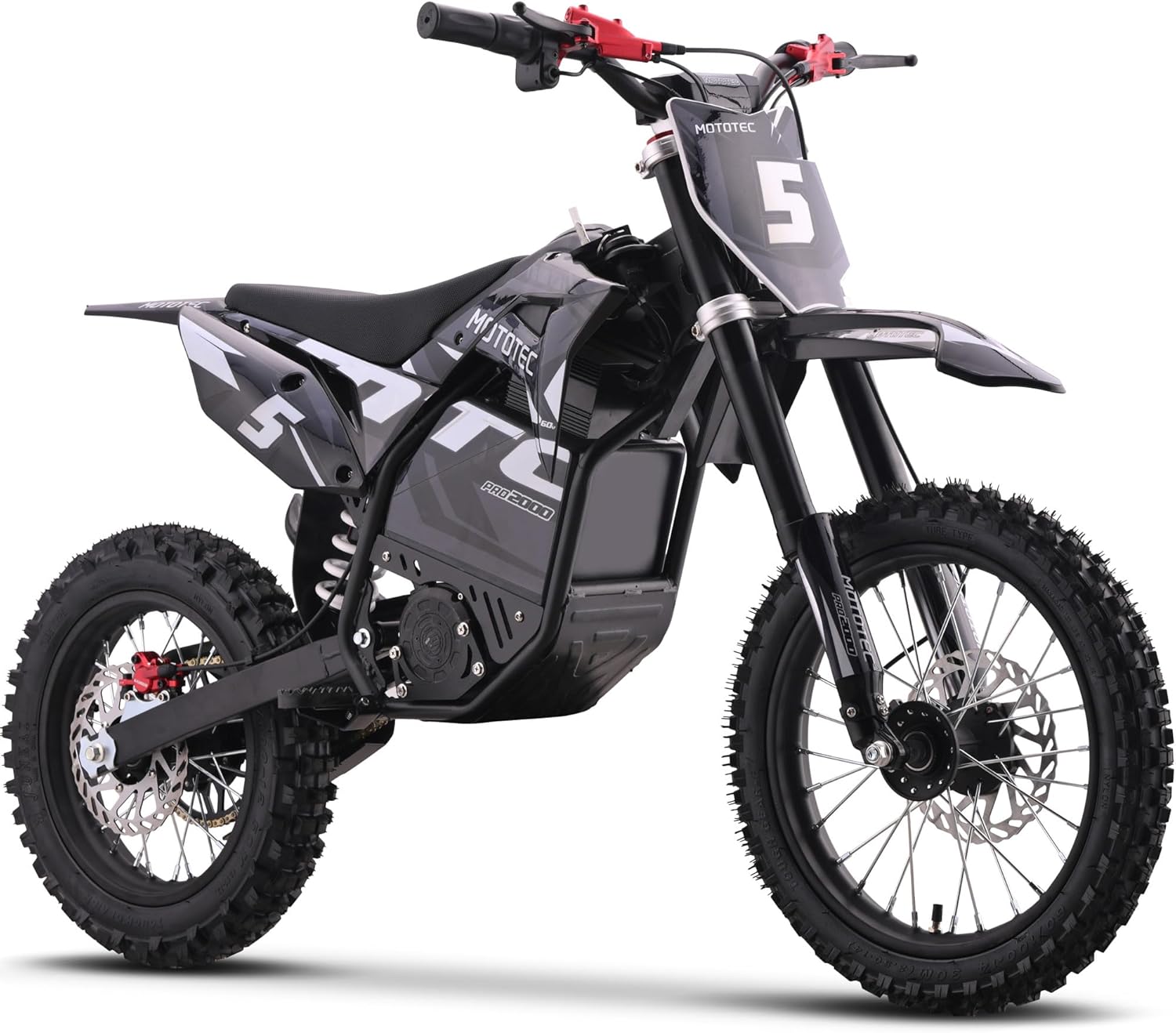
Different Types of Electric Dirt Bikes
Common Buying Mistakes to Avoid
❌ Mistake: Ignoring Rider Weight and Skill Level
Why it’s bad: A bike designed for a 100-lb kid will struggle—or be dangerous—for a 200-lb adult. Similarly, giving a beginner a 60-mph race bike invites accidents.
What to do instead: Match the bike’s power, size, and features to the rider’s weight, experience, and intended use. When in doubt, choose a slightly underpowered bike over an overpowered one.
❌ Mistake: Overlooking Battery Real-World Range
Why it’s bad: Manufacturers often quote “ideal condition” range (flat terrain, light rider, eco mode). In reality, range can drop by 30–50% on hills or with aggressive riding.
What to do instead: Assume you’ll get 60–70% of the advertised range. If you need 30 miles, buy a bike rated for 45–50 miles. Carry a spare battery for long rides.
❌ Mistake: Skipping Safety Gear
Why it’s bad: Even slow electric bikes can cause serious injury in a fall. Many buyers assume “it’s just a kid’s bike” and skip helmets or pads.
What to do instead: Always wear a DOT-approved helmet, gloves, boots, and protective clothing. For kids, consider full-face helmets and chest protectors.
❌ Mistake: Buying Based Solely on Price
Why it’s bad: The cheapest bike often costs more long-term due to poor reliability, lack of parts, or short battery life.
What to do instead: Consider total cost of ownership: initial price + maintenance + battery replacement (every 3–5 years) + resale value. Mid-range bikes often offer the best long-term value.
❌ Mistake: Not Testing Before Buying
Why it’s bad: Online specs don’t reveal how a bike feels—its balance, throttle response, or suspension compliance.
What to do instead: Visit local dealers for test rides. If unavailable, watch detailed review videos, read owner forums, and check return policies (many brands offer 14–30 day trials).
❌ Mistake: Ignoring Local Laws and Regulations
Why it’s bad: Some states classify electric dirt bikes as motor vehicles requiring registration, insurance, or helmets—even off-road. Others ban them on public trails.
What to do instead: Check your state and local regulations before buying. Join local riding clubs—they often know which areas allow e-bikes.
❌ Mistake: Assuming All Electric Bikes Are Maintenance-Free
Why it’s bad: While electric bikes have fewer moving parts than gas bikes, they still need chain lubrication, tire checks, brake adjustments, and battery care.
What to do instead: Learn basic maintenance or find a local shop familiar with e-bikes. Keep a toolkit handy and follow the manual’s service schedule.
Budget Guidelines: How Much Should You Spend?
Entry-Level ($300–$1,000): Ideal for young riders (ages 3–10) or casual backyard use. Expect simple designs, basic suspension, and limited range (20–30 minutes). Brands like Razor MX350 or MotoTec Mud Monster fit here. Great for learning, but not built for serious terrain.
Mid-Range ($1,000–$4,000): The sweet spot for most buyers. These bikes offer reliable performance, decent range (1–2 hours), and better build quality. Models like the Sur Ron Light Bee X ($4,500, often on sale under $4K), Segway X260 ($3,500), and Overtime Moto V2 ($2,800) dominate this tier. Perfect for teens, adults, and weekend trail riders.
Premium ($4,000–$10,000): For enthusiasts and serious off-roaders. You’ll get full suspension, high-capacity batteries, advanced electronics, and rugged frames. The KTM Freeride E-XC ($9,999), Husqvarna TE 300E ($10,499), and Cake Kalk INK ($8,900) are top contenders. These bikes handle technical trails, long rides, and even light competition.
Luxury ($10,000+): Reserved for professionals, racers, or those who want the absolute best. Expect carbon fiber components, AI-driven dynamics, ultra-fast charging, and race-level tuning. The Beta E-XC and custom-built Sur Ron Ultra Bee fall here. Only worth it if you’re riding frequently or competitively.
Expert Tips for Getting the Best Deal
– Buy during off-peak seasons: Demand drops in late summer and fall, leading to discounts. Avoid spring when everyone is gearing up for riding season.
– Shop directly from manufacturers: Brands like Sur Ron, Cake, and Segway often offer exclusive bundles (free helmet, fast charger, extended warranty) not available through retailers.
– Check refurbished or demo units: Many brands sell lightly used demo bikes at 15–30% off with full warranties. These are great for saving money without sacrificing quality.
– Negotiate add-ons: Ask for free shipping, a spare battery, or upgraded charger—especially at local dealerships.
– Read the fine print on returns: Ensure you have at least 14 days to return the bike if it doesn’t meet expectations. Some retailers charge restocking fees.
– Join owner communities: Facebook groups and forums often share promo codes, flash sales, or group-buy discounts.
– Consider financing: Some brands offer 0% APR financing for 6–12 months, making premium bikes more accessible.
– Verify dealer authenticity: Only buy from authorized dealers to ensure warranty coverage and genuine parts.

Frequently Asked Questions
Q: Are electric dirt bikes legal to ride on public trails?
A: It depends on your location. Many U.S. states allow Class 1 e-bikes on multi-use trails, but electric dirt bikes (especially high-power models) are often classified differently. Check with your local land management agency (USFS, BLM, state parks) for specific rules. Private trails and motocross tracks are usually safer bets.
Q: How long do electric dirt bike batteries last?
A: Most lithium-ion batteries retain 80% capacity after 500–1,000 charge cycles, which translates to 3–5 years of regular use. Proper care (avoiding extreme temps, not draining to 0%) extends lifespan.
Q: Can I ride an electric dirt bike in the rain?
A: Many modern e-bikes are water-resistant (IP65 or IP67), meaning they can handle splashes and light rain. However, avoid deep puddles, submersion, or pressure washing. Always dry the bike thoroughly after wet rides.
Q: Do electric dirt bikes require registration or insurance?
A: In most states, off-road electric dirt bikes used on private property do not require registration. However, if you plan to ride on public roads (even briefly), check local laws—some states treat them like motorcycles.
Q: How fast can electric dirt bikes go?
A: Speeds vary widely: kids’ bikes max out at 15–20 mph, while high-performance models like the Cake Kalk OR can exceed 60 mph. Most trail bikes cruise comfortably at 30–40 mph.
Q: Are electric dirt bikes quieter than gas bikes?
A: Absolutely. Electric motors produce minimal noise—mostly tire and wind sound. This makes them ideal for riding in noise-sensitive areas or early morning/late evening sessions.
Q: Can adults ride youth-sized electric dirt bikes?
A: Generally no. Youth bikes have lower weight limits, smaller frames, and less suspension travel. An adult riding one risks damage to the bike and loss of control.
Q: What’s the difference between hub motor and mid-drive motor?
A: Hub motors are built into the wheel (usually rear) and are simpler/cheaper but can feel unbalanced. Mid-drive motors sit near the pedals (or crank) and offer better weight distribution and efficiency—common in premium models.
Q: How do I maintain my electric dirt bike?
A: Regular maintenance includes cleaning after rides, lubricating the chain, checking tire pressure, inspecting brakes, and storing the battery properly. Avoid spraying water directly on electronics.
Q: Can I upgrade my electric dirt bike’s battery or motor?
A: Some brands (like Sur Ron) have active modding communities that offer battery upgrades or performance tunes. However, modifications may void your warranty and affect safety—proceed with caution.
Our Final Recommendations
Best for Budget-Conscious Buyers: Razor MX650 Dirt Rocket ($599)
A reliable, fun entry point for teens and light adults. With a 650W motor, 17 mph top speed, and decent build quality, it’s perfect for beginners who want a taste of off-road riding without breaking the bank.
Best Overall Value: Sur Ron Light Bee X ($4,499, often discounted)
The gold standard for mid-range electric dirt bikes. It combines 6 kW of power, 40+ mile range, swappable batteries, and a lightweight aluminum frame. Ideal for trail riding, commuting, or light enduro.
Best Premium Option: KTM Freeride E-XC ($9,999)
For riders who want factory-level engineering and race-ready performance. With WP suspension, a 5.2 kWh battery, and KTM’s legendary durability, this bike handles everything from forest trails to motocross tracks.
Best for Beginners: Segway X160 ($2,499)
Compact, lightweight (108 lbs), and packed with safety features like ride modes and a low seat height. Great for new riders learning throttle control and balance.
Best for Advanced Users: Cake Kalk OR ($11,900)
Built for extreme terrain and silent exploration. Features a carbon fiber subframe, 11 kW motor, and modular design. Loved by adventurers and professionals alike.
Conclusion: Making the Right Choice
Choosing the best electric dirt bike isn’t just about picking the fastest or most expensive model—it’s about finding the right match for your lifestyle, skill level, and riding goals. Whether you’re buying your first bike for your child or upgrading to a high-performance machine for weekend adventures, the key is to prioritize what matters most: safety, reliability, and enjoyment.
Remember to weigh performance against practicality, budget against long-term value, and features against real-world needs. Don’t rush the decision—take time to research, test ride when possible, and consult owner communities. And always gear up properly: no bike is worth risking your safety.
The electric dirt bike revolution is here to stay. With zero emissions, near-silent operation, and thrilling torque, these machines offer a cleaner, quieter, and increasingly capable alternative to traditional gas bikes. By using this guide, you’re not just buying a vehicle—you’re investing in years of off-road fun, exploration, and freedom.
So gear up, charge up, and hit the trails. The future of dirt biking is electric—and it’s waiting for you.