
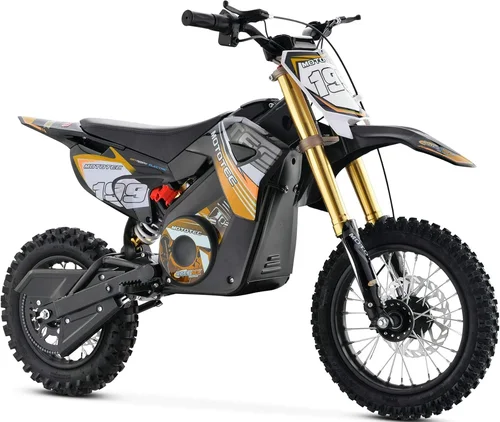
Electric dirt bikes are no longer just a futuristic concept—they’re here, and they’re revolutionizing off-road riding. With zero emissions, near-silent operation, and instant torque delivery, electric dirt bikes offer a thrilling alternative to traditional gas-powered machines. Whether you’re a weekend warrior hitting local trails, a parent looking for a safe first bike for your child, or an experienced rider seeking high-performance electric power, the market in 2026 is more diverse and advanced than ever before.
This comprehensive buying guide is designed to cut through the noise and help you make an informed decision. We’ll walk you through everything you need to know—from performance specs and build quality to budget considerations and real-world usability. By the end of this article, you’ll understand exactly what to look for, which models stand out, and how to avoid common pitfalls. The electric dirt bike market has matured significantly in recent years, with brands like Sur Ron, Cake, KTM, and Segway pushing the boundaries of innovation. With advancements in battery technology, motor efficiency, and frame design, today’s electric dirt bikes are not only competitive with their gasoline counterparts—they often surpass them in key areas like maintenance, ride smoothness, and environmental impact.

What to Look for When Buying an Electric Dirt Bike
1. Budget & Price Range
Your budget is the foundation of your buying decision. Electric dirt bikes span a wide price spectrum, from under $1,000 for entry-level youth models to over $15,000 for professional-grade machines. It’s important to set a realistic budget early and stick to it, but also to understand what you’re getting at each price tier. A $1,500 bike won’t offer the same performance or durability as a $10,000 model, and that’s okay—depending on your needs.
For beginners or casual riders, spending between $2,000 and $4,000 can get you a reliable, fun machine with decent range and power. Mid-range bikes ($4,000–$8,000) often include better suspension, higher-capacity batteries, and more robust frames. Premium models ($8,000+) are built for serious off-road use, with top-tier components, advanced electronics, and race-ready performance. Remember: cheaper isn’t always better, but overpaying for features you won’t use is equally wasteful.
2. Performance Specifications
Performance is where electric dirt bikes truly shine—and where they differ most from gas bikes. Key specs to evaluate include motor power (measured in watts or horsepower), torque (in lb-ft), top speed, and range (in miles or kilometers per charge). Electric motors deliver 100% torque instantly, which means explosive acceleration off the line—something gas engines can’t match without revving up.
For example, a bike with a 10 kW motor might hit 50 mph and deliver 160 lb-ft of torque, making it ideal for trail riding and light motocross. Higher-end models like the Cake Kalk OR or Sur Ron Ultra Bee can exceed 20 kW and reach speeds over 70 mph. Range varies widely: entry-level bikes may offer 20–30 miles, while premium models with swappable batteries can go 60+ miles on a single charge. Always check real-world range under your intended riding conditions—hill climbing and aggressive riding drain batteries faster than flat, smooth trails.
3. Build Quality & Durability
Off-road riding is tough on equipment. Your bike needs to withstand jumps, rocks, mud, and repeated impacts. Look for frames made from high-strength aluminum or chromoly steel, which offer a good balance of strength and weight. Suspension quality is equally critical—check for adjustable front forks and rear shocks with sufficient travel (at least 8–10 inches for serious off-roading).
Pay attention to IP ratings for water and dust resistance. An IP67 rating means the bike can handle heavy rain and temporary submersion, which is essential for trail riding. Also consider the quality of components: sealed bearings, reinforced swingarms, and durable plastics all contribute to long-term reliability. Brands like KTM and Husqvarna have decades of off-road experience, so their electric models often reflect superior engineering and attention to detail.
4. Features & Functionality
Modern electric dirt bikes come packed with features that enhance safety, performance, and convenience. Regenerative braking, for instance, recovers energy during deceleration and extends range. Multiple riding modes (Eco, Trail, Sport, Race) let you tailor power delivery to your skill level and terrain. Some models include Bluetooth connectivity, allowing you to monitor battery health, track ride data, or even adjust settings via a smartphone app.
Other useful features include LED lighting for night riding, quick-swap battery systems, and integrated dashboards with speed, range, and battery level displays. For younger riders, speed limiters and parental controls are invaluable. Don’t overlook practical details like kickstands, luggage racks, or tool storage—small touches that make a big difference on long rides.
5. Brand Reputation
Not all electric dirt bike brands are created equal. Established names like KTM, Husqvarna, and Yamaha bring decades of motorcycle expertise to their electric offerings, ensuring high standards of engineering and support. Emerging brands like Sur Ron, Cake, and Segway have built strong reputations through innovation and performance, often at more accessible price points.
Research customer feedback, professional reviews, and long-term reliability reports. A brand with a solid track record is more likely to honor warranties, provide spare parts, and offer responsive customer service. Avoid unknown or “no-name” brands that lack transparency about their supply chain or manufacturing processes—these bikes may save you money upfront but could cost more in repairs or replacements down the line.
6. Warranty & Support
A good warranty is a sign of confidence in a product’s quality. Most reputable brands offer at least a 12-month warranty on the entire bike, with extended coverage for the battery (often 2–3 years). Some premium models include comprehensive service plans or roadside assistance. Always read the fine print: warranties may not cover wear items like tires, brake pads, or chains, and they often require regular maintenance to remain valid.
Customer support matters too. Can you easily reach a technician? Are replacement parts readily available? Brands with local dealers or service centers provide a significant advantage, especially if you live in a remote area. Online-only brands may offer lower prices but can leave you stranded if something breaks far from home.
7. Size & Portability
Electric dirt bikes vary significantly in size and weight. Youth models can weigh as little as 50 pounds, making them easy for kids to handle, while full-sized adult bikes often exceed 200 pounds. Consider where and how you’ll transport the bike—will it fit in your truck bed or SUV? Do you need to carry it up stairs or load it onto a trailer?
Folding handlebars, removable batteries, and lightweight frames can improve portability. Some models are designed specifically for easy transport, with compact dimensions and integrated carrying handles. If you plan to ride in remote areas or travel frequently, portability could be a deciding factor.
8. User Reviews & Ratings
Nothing beats real-world experience. Before making a purchase, read user reviews on forums, YouTube, and e-commerce sites. Look for patterns: do multiple riders report the same issue with battery life or suspension? Are there consistent complaints about customer service? Pay attention to long-term reviews (6+ months) to assess durability and reliability.
Professional reviews from outlets like Cycle World, Motocross Action, or Electrek provide in-depth testing and comparisons. However, don’t rely solely on expert opinions—your needs may differ. A bike praised for racing performance might be overkill for casual trail riding, while a budget model lauded for affordability could lack the range you need.
Different Types of Electric Dirt Bikes

Common Buying Mistakes to Avoid
❌ Mistake: Ignoring Real-World Range
Why it’s bad: Manufacturers often quote ideal range under perfect conditions—flat terrain, light load, moderate speed. In reality, range drops significantly when climbing hills, carrying gear, or riding aggressively. A bike advertised with 60 miles of range might only deliver 35–40 miles in real use.
What to do instead: Look for independent range tests and user reports. Choose a bike with at least 20–30% more range than you think you’ll need. Consider models with swappable batteries for extended rides.
❌ Mistake: Overlooking Weight and Size
Why it’s bad: A heavy bike is harder to control, especially for beginners or younger riders. It’s also more difficult to transport and recover if you crash. Some electric dirt bikes weigh over 250 pounds—comparable to full-size gas bikes.
What to do instead: Test ride if possible. Check the bike’s weight and dimensions against your physical strength and transport options. Youth models should be lightweight and low to the ground for safety.
❌ Mistake: Skipping the Test Ride
Why it’s bad: Specs don’t tell the whole story. How a bike feels—its balance, throttle response, and suspension behavior—can only be judged by riding it. A bike with great numbers might feel twitchy or uncomfortable.
What to do instead: Visit a dealer or attend demo events. If that’s not possible, watch detailed ride reviews on YouTube and read firsthand accounts from owners.
❌ Mistake: Choosing Based on Price Alone
Why it’s bad: The cheapest bike isn’t always the best value. Low-cost models may use inferior batteries, weak motors, or flimsy frames that fail quickly. You could end up spending more on repairs or replacements.
What to do instead: Focus on total cost of ownership, including maintenance, battery life, and resale value. A mid-range bike with better components often saves money long-term.
❌ Mistake: Ignoring Local Regulations
Why it’s bad: Electric dirt bikes are not legal everywhere. Some states or parks require registration, licensing, or restrict use to designated trails. Riding illegally can result in fines or confiscation.
What to do instead: Check your local laws before buying. Some bikes are street-legal with lights and mirrors; others are off-road only. Choose accordingly.
❌ Mistake: Neglecting Maintenance Needs
Why it’s bad: While electric bikes have fewer moving parts than gas bikes, they still require maintenance—chain lubrication, brake checks, tire pressure, and battery care. Neglecting these can shorten the bike’s lifespan.
What to do instead: Learn basic maintenance or find a local shop that services electric bikes. Follow the manufacturer’s maintenance schedule.
❌ Mistake: Buying Without a Warranty Plan
Why it’s bad: Batteries degrade over time, and motors can fail. Without warranty coverage, repairs can be expensive—especially for high-voltage components.
What to do instead: Always buy from a reputable dealer that offers a solid warranty. Consider extended coverage for the battery and motor.
Budget Guidelines: How Much Should You Spend?
- Entry-Level ($800–$2,500): Ideal for kids, teens, or casual riders. These bikes offer basic performance, limited range (15–25 miles), and simpler components. Examples include the Segway X260 and Razor MX650. Great for learning, but not built for serious off-roading.
- Mid-Range ($2,500–$6,000): The sweet spot for most buyers. Bikes like the Sur Ron Light Bee X and Cake Kalk provide excellent performance, 30–50 miles of range, and durable builds. Suitable for trail riding, light motocross, and weekend adventures.
- Premium ($6,000–$12,000): For enthusiasts and advanced riders. These models feature high-power motors, long-range batteries, and race-grade suspension. Examples include the KTM Freeride E-XC and Husqvarna EE 5. Built for performance and reliability.
- Luxury ($12,000+): Top-tier machines for professionals or serious collectors. The Cake Kalk& or Sur Ron Ultra Bee offer cutting-edge tech, swappable batteries, and carbon fiber components. These bikes deliver unmatched performance but come at a steep price.
Expert Tips for Getting the Best Deal
- Buy During Off-Season: Prices often drop in late fall and winter when demand is low. Many dealers offer discounts to clear inventory before new models arrive in spring.
- Shop at Authorized Dealers: While online retailers may offer lower prices, authorized dealers provide better support, warranties, and access to service. They’re also more likely to honor recalls or repairs.
- Look for Demo or Used Models: Demo bikes are often sold at a discount and have low mileage. Certified pre-owned programs from brands like KTM or Husqvarna offer inspected, warrantied used bikes.
- Negotiate Accessories: Dealers may throw in free gear—battery chargers, tool kits, or riding apparel—to close a sale. Don’t be afraid to ask.
- Check for Rebates or Incentives: Some states offer tax credits or rebates for electric vehicle purchases. Research local programs that could save you hundreds.
- Read the Return Policy: Make sure you can return or exchange the bike within a reasonable window (at least 14–30 days) if it doesn’t meet your expectations.
- Join Owner Forums: Communities like Sur Ron Forum or Cake Riders share deals, maintenance tips, and firsthand experiences. You might even find a private seller offering a great deal.
- Consider Financing: Many dealers offer 0% APR financing for qualified buyers. This lets you spread the cost over 12–24 months without extra interest.

Frequently Asked Questions
Q: How long do electric dirt bike batteries last?
A: Most lithium-ion batteries last 500–1,000 charge cycles before capacity drops to 80%. With proper care—avoiding full discharges, storing at 50% charge, and keeping cool—you can expect 3–5 years of reliable use. Swappable batteries extend practical lifespan.
Q: Can I ride an electric dirt bike in the rain?
A: Yes, if it has a high IP rating (IP67 or higher). However, avoid deep water crossings and always dry the bike after riding. Water can damage connectors and electronics if not properly sealed.
Q: Are electric dirt bikes street legal?
A: It depends on the model and local laws. Some bikes come with lights, mirrors, and VINs for street registration. Others are off-road only. Check your state’s DMV requirements before riding on public roads.
Q: How fast do electric dirt bikes go?
A: Speeds vary widely. Youth models top out at 20–30 mph, while high-performance bikes like the Sur Ron Ultra Bee can exceed 70 mph. Most trail bikes cruise at 40–50 mph.
Q: Do electric dirt bikes need oil changes?
A: No. Electric motors don’t require oil. However, you still need to maintain the chain, brakes, suspension, and tires—just like a gas bike.
Q: How long does it take to charge an electric dirt bike?
A: Charging time depends on battery capacity and charger type. A standard 2A charger may take 4–6 hours for a full charge. Fast chargers (5A–10A) can reduce this to 1–2 hours. Some models support Level 2 charging for even faster top-ups.
Q: Are electric dirt bikes good for beginners?
A: Absolutely. Instant torque and smooth power delivery make them easier to control than gas bikes, which require clutch and throttle coordination. Many models include beginner modes that limit speed and power.
Q: Can I upgrade my electric dirt bike?
A: Yes, to some extent. You can upgrade batteries, suspension, tires, and electronics. However, major motor or controller upgrades may void the warranty and require technical expertise.
Q: What’s the best electric dirt bike for kids?
A: The Segway X260 and Razor MX650 are excellent starter bikes. They’re lightweight, have speed limiters, and are built for safety. For older teens, the Cake Kalk AP offers more power while remaining manageable.
Q: How do I maintain my electric dirt bike?
A: Regular maintenance includes cleaning after rides, checking tire pressure, lubricating the chain, inspecting brakes, and storing the battery properly. Follow the manufacturer’s manual for specific guidelines.
Our Final Recommendations
- Best for Budget-Conscious Buyers: Sur Ron Light Bee X – At around $4,500, it offers exceptional performance, 40+ miles of range, and a durable build. A favorite among trail riders for its balance of power and value.
- Best Overall Value: Cake Kalk OR – Priced at $11,000, it’s premium but worth it. Lightweight, powerful, and built for serious off-roading. Ideal for riders who want top-tier performance without compromise.
- Best Premium Option: KTM Freeride E-XC – A true electric motocross bike with race-ready suspension, 50+ mph top speed, and KTM’s legendary build quality. Perfect for competitive riders.
- Best for Beginners: Segway X260 – Affordable, safe, and easy to ride. Great for teens and first-time riders learning the basics of off-road riding.
- Best for Advanced Users: Sur Ron Ultra Bee – With 22 kW of power and 70+ mph top speed, this bike blurs the line between trail machine and race bike. Built for experienced riders who demand performance.
Conclusion: Making the Right Choice
Choosing the best electric dirt bike isn’t just about picking the fastest or most expensive model—it’s about finding the right fit for your skill level, riding style, and budget. Whether you’re teaching your child to ride, exploring backcountry trails, or competing on the track, there’s an electric dirt bike designed for you. By focusing on key factors like performance, build quality, and real-world usability, you can avoid common mistakes and invest in a machine that will deliver years of thrilling, low-maintenance adventure.
Take your time, do your research, and prioritize what matters most to you. A well-chosen electric dirt bike isn’t just a purchase—it’s an entry point to a cleaner, quieter, and more sustainable way to experience the freedom of off-road riding. The future of dirt biking is electric, and it’s here now. Ride smart, ride safe, and enjoy the journey.