
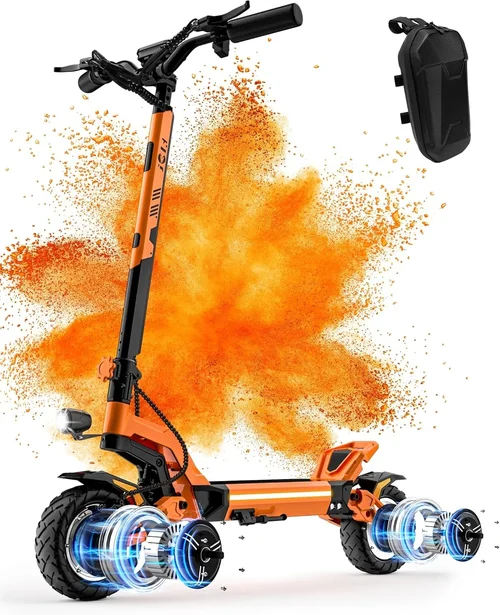
Electric scooters have evolved far beyond their origins as playful urban toys. Today, they’re serious transportation solutions for adults seeking efficient, eco-friendly, and cost-effective ways to navigate city streets, commute to work, or simply enjoy a weekend ride. But for riders weighing 300 lbs or more, finding the right electric scooter isn’t just about style or speed—it’s about safety, stability, and long-term reliability. Many mainstream models are engineered for lighter riders and can struggle under heavier loads, leading to reduced performance, premature wear, or even safety hazards.
That’s why this guide exists. Whether you’re a first-time buyer or upgrading from a model that didn’t quite meet your needs, we’ve done the research to help you make a confident, informed decision. In this comprehensive buying guide, you’ll learn exactly what to look for in an electric scooter that can safely and comfortably support a 300 lb adult. We’ll break down critical factors like weight capacity, motor power, build quality, and real-world performance, while also highlighting common pitfalls and expert tips to get the best value. Our goal is to empower you with practical knowledge so you can choose a scooter that fits your lifestyle—not one that leaves you stranded halfway to your destination.
The market for heavy-duty electric scooters has expanded significantly in recent years, with manufacturers now designing models specifically for higher weight capacities. However, not all scooters labeled “high-capacity” are created equal. Some advertise impressive specs on paper but fall short in real-world use due to weak frames, undersized motors, or poor suspension. Others prioritize portability over durability, sacrificing structural integrity for foldability. With so many options—ranging from budget-friendly commuter scooters to premium off-road beasts—it’s easy to feel overwhelmed. This guide cuts through the noise, offering clear, actionable advice tailored to riders who need a scooter that can handle 300 lbs without compromise.
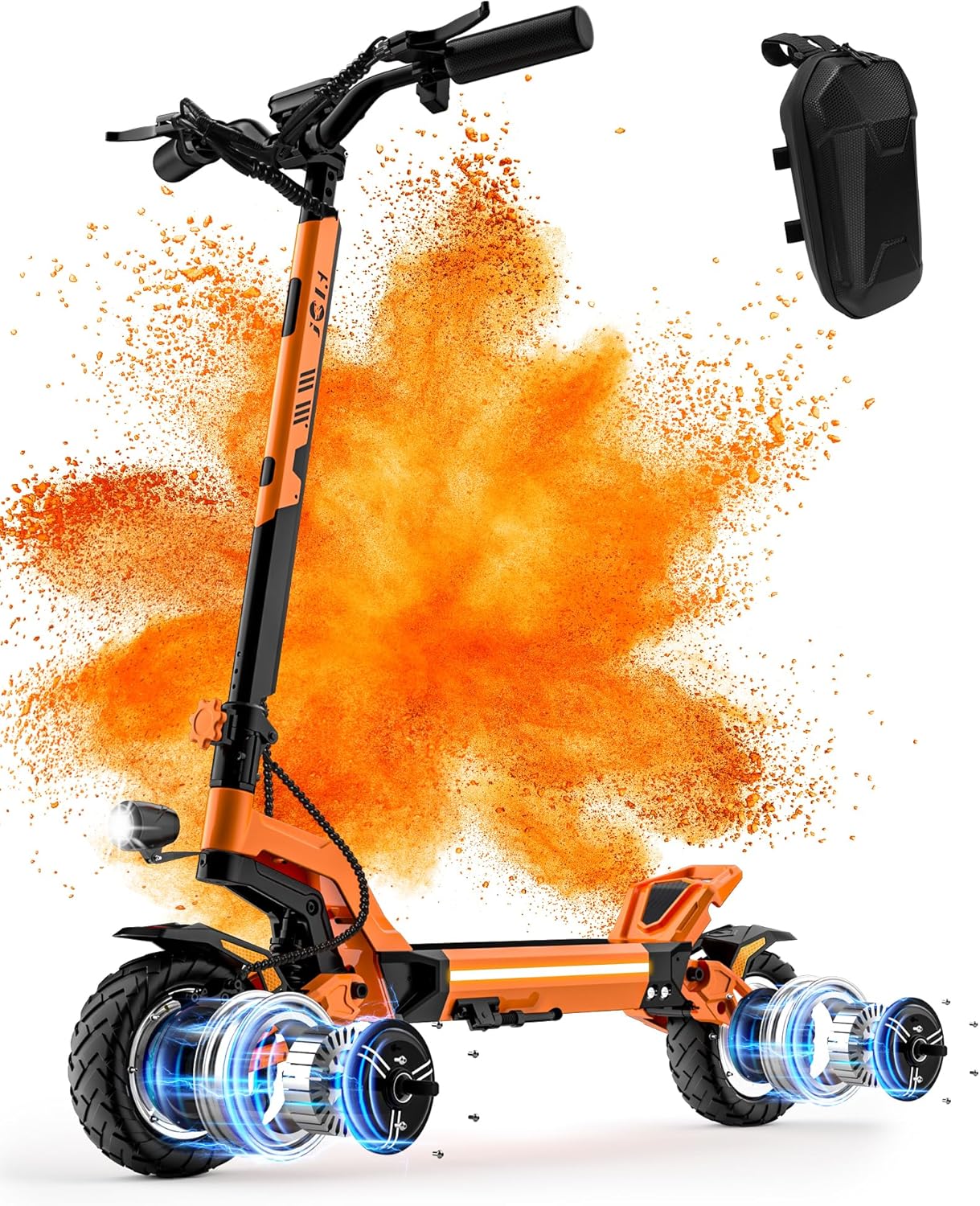
What to Look for When Buying an Electric Scooter for 300 lbs
1. Weight Capacity & Structural Integrity
The most critical factor when shopping for an electric scooter as a 300 lb rider is the manufacturer’s stated weight capacity. Never assume a scooter can handle your weight just because it looks sturdy—always check the official spec sheet. A reputable model should have a maximum load rating of at least 300 lbs, but ideally 330–400 lbs to provide a safety buffer. This extra margin accounts for dynamic forces like acceleration, braking, and uneven terrain, which increase stress on the frame and components.
Beyond the number itself, examine the scooter’s structural design. Look for reinforced aluminum or steel frames, thick-walled tubing, and robust welding at stress points like the folding mechanism and rear fork. Avoid scooters with thin, hollow frames or plastic-heavy construction—they may buckle under sustained heavy use. Pay special attention to the deck: it should be wide enough (at least 7–8 inches) and made of non-slip, durable material to ensure secure footing. Some high-capacity models feature double-layer decks or integrated footrests for added stability.
2. Motor Power & Torque
Motor power directly impacts how well a scooter performs under load. For a 300 lb rider, a weak motor will struggle on inclines, drain the battery quickly, and overheat during extended use. Look for a continuous motor rating of at least 500 watts, with peak power reaching 800–1000 watts or higher. Brushless hub motors are preferred for their efficiency, quiet operation, and longevity.
Torque is equally important—it determines how easily the scooter accelerates and climbs hills. Higher torque means better hill-climbing ability, which is crucial if you live in a hilly area or frequently encounter curbs and ramps. Dual-motor setups (one in each wheel) offer superior traction and power distribution, making them ideal for heavier riders, though they come at a higher price point. Always test ride if possible: feel how the scooter responds when starting from a stop and climbing a mild slope. If it hesitates or whines, the motor may be underpowered.
3. Battery Life & Range
Range anxiety is real—especially when carrying extra weight, which increases energy consumption. A scooter that claims 25 miles of range with a 150 lb rider might only deliver 12–15 miles with a 300 lb load. To compensate, choose a model with a larger battery capacity, measured in watt-hours (Wh). For reliable performance, aim for at least 500Wh; 600–800Wh is ideal for daily commuting.
Lithium-ion batteries are standard and offer good energy density, but check the cell quality—brands like Samsung, LG, or Panasonic indicate higher reliability. Avoid scooters with generic or unspecified battery brands. Also consider charging time: a 500Wh battery typically takes 4–6 hours to recharge fully. Some premium models support fast charging, which can be a lifesaver if you need a quick top-up during the day.
Real-World Range Estimate Table
| Battery Capacity (Wh) | Est. Range (300 lb rider) | Best Use Case |
|---|---|---|
| 400–500 | 10–15 miles | Short commutes, flat terrain |
| 600–700 | 15–22 miles | Daily commuting, mixed terrain |
| 800+ | 22–30+ miles | Long-distance travel, hills |
4. Tire Type & Suspension
Tires and suspension dramatically affect ride comfort and control, especially for heavier riders. Pneumatic (air-filled) tires offer superior shock absorption and grip on rough surfaces, making them ideal for urban environments with potholes, cracks, and debris. However, they require occasional maintenance and are prone to punctures. Solid rubber tires are maintenance-free and puncture-proof but provide a harsher ride—best suited for smooth pavements.
For 300 lb riders, we strongly recommend pneumatic tires with a diameter of at least 10 inches. Larger tires distribute weight more evenly and improve stability. Pair them with front suspension (spring or hydraulic) and, ideally, rear suspension as well. Full suspension systems absorb bumps effectively, reducing fatigue and protecting the scooter’s internal components from excessive vibration. If budget allows, look for adjustable suspension settings—some premium models let you tune firmness based on rider weight.
5. Braking System
Safety starts with reliable brakes. At higher weights, stopping distances increase significantly, so a robust braking system is non-negotiable. Avoid scooters with only electronic or regenerative brakes—they lack the stopping power needed for heavy loads. Instead, opt for mechanical disc brakes (front and rear), which provide consistent, powerful deceleration even in wet conditions.
Some top-tier models feature hydraulic disc brakes, offering even smoother modulation and greater reliability. Regenerative braking can complement mechanical systems by recharging the battery during deceleration, but it should never be the primary brake. Always test the brakes during a demo ride: they should engage firmly without squealing or grabbing abruptly. Check brake pad quality too—cheaper pads wear out faster under heavy use.
6. Deck Size & Ergonomics
A spacious, well-designed deck enhances comfort and control. For a 300 lb rider, a narrow or short deck can feel cramped and unstable, especially at higher speeds. Look for decks that are at least 20 inches long and 7–8 inches wide, with ample room for both feet. Textured, non-slip surfaces (like rubberized grip tape) prevent slipping, even in rain or sweat.
Handlebar height and grip comfort also matter. Adjustable handlebars allow customization for different rider heights, reducing strain on your back and arms. Ergonomic grips with shock-absorbing materials improve comfort on long rides. Some scooters include integrated phone mounts, cup holders, or USB ports—small conveniences that add up over time.
7. Portability & Foldability
While portability may seem less critical for heavy-duty scooters, it’s still worth considering—especially if you plan to carry the scooter upstairs, onto public transit, or into an office. However, never sacrifice structural strength for foldability. Many high-capacity scooters weigh 50–70 lbs, so look for models with secure locking mechanisms and comfortable carrying handles.
If you need frequent portability, consider a scooter with a step-through frame or removable battery. Some models feature quick-release wheels or modular designs for easier storage. Just remember: the heavier the scooter, the more challenging it becomes to transport. Test the folding mechanism—it should lock firmly in both open and closed positions without wobbling.
8. Brand Reputation & Customer Support
Not all electric scooter brands are equal when it comes to quality and service. Stick with established manufacturers known for durability and transparency. Research customer reviews on trusted platforms like Amazon, Reddit, or specialized forums. Pay attention to comments about long-term reliability, especially from riders near or above 300 lbs.
Check if the brand offers accessible customer support, repair services, and readily available spare parts. Brands like Segway-Ninebot, Apollo, Dualtron, and EMOVE have strong reputations and global service networks. Avoid obscure brands with no warranty or contact information—they’re risky investments.
Different Types of Electric Scooters for Heavy Riders
Common Buying Mistakes to Avoid
❌ Mistake: Ignoring Real-World Weight Limits
Why it’s bad: Many scooters list a “maximum load” that sounds sufficient but doesn’t account for real-world conditions like hills, wind resistance, or frequent stops. Riding at or near the limit accelerates wear on motors, batteries, and frames.
What to do instead: Always choose a scooter rated for at least 10–20% above your actual weight. This safety margin ensures consistent performance and extends the scooter’s lifespan.
❌ Mistake: Prioritizing Speed Over Stability
Why it’s bad: High top speeds look impressive in ads, but they’re dangerous if the scooter lacks proper suspension, wide tires, or responsive brakes—especially for heavier riders who need more control.
What to do instead: Focus on balanced specs: adequate speed (15–20 mph is plenty for most commutes), strong brakes, and stable handling. Speed means little if you can’t stop safely.
❌ Mistake: Overlooking Tire Maintenance
Why it’s bad: Pneumatic tires require regular pressure checks and occasional patching. Neglecting them leads to poor ride quality, increased rolling resistance, and higher risk of blowouts—particularly under heavy loads.
What to do instead: Invest in a portable tire pump and learn basic puncture repair. Alternatively, consider hybrid tires (semi-pneumatic) that offer a compromise between comfort and low maintenance.
❌ Mistake: Buying Based Solely on Price
Why it’s bad: The cheapest scooter often cuts corners on materials, motor quality, and safety features. You may end up replacing it within a year—costing more in the long run.
What to do instead: View your purchase as a long-term investment. Spend a bit more upfront for proven durability, better warranty, and reliable customer support.
❌ Mistake: Skipping the Test Ride
Why it’s bad: Specs don’t tell the whole story. A scooter might look perfect on paper but feel unstable, jerky, or uncomfortable in person—especially under your specific weight.
What to do instead: Visit local retailers or attend demo events. If that’s not possible, buy from retailers with generous return policies (30 days or more) so you can test it risk-free.
❌ Mistake: Ignoring Local Laws and Regulations
Why it’s bad: Some cities restrict scooter speed, require helmets, or ban riding on sidewalks. Using an illegal scooter can result in fines or confiscation.
What to do instead: Research your local e-scooter laws before buying. Choose a model that complies with speed limits and safety requirements in your area.
Budget Guidelines: How Much Should You Spend?
Choosing the right electric scooter isn’t just about features—it’s about aligning your budget with your needs. Here’s a realistic breakdown of what you can expect at different price points:
Entry-Level ($500–$800): These scooters offer basic functionality for light-to-moderate use. Expect modest motor power (350–500W), limited range (8–12 miles under load), and minimal suspension. Weight capacities may hover around 220–260 lbs, so verify carefully. Ideal for occasional short trips on flat terrain, but not recommended for daily commuting or hilly areas.
Mid-Range ($800–$1,500): This is the sweet spot for most 300 lb riders. Scooters in this range typically feature 500–800W motors, 500–600Wh batteries, pneumatic tires, and reliable disc brakes. Weight capacities usually start at 300 lbs, with many models rated for 330–350 lbs. You’ll get solid build quality, decent range (15–20 miles), and better customer support. Great for daily commuting and mixed terrain.
Premium ($1,500–$3,000): Designed for performance and durability, these scooters boast 800W–1500W motors, dual suspension, large batteries (700–1000Wh), and reinforced frames. Many support 350–400 lbs and include advanced features like app connectivity, LED lighting, and regenerative braking. Perfect for hilly cities, long commutes, or riders who value comfort and reliability.
Luxury ($3,000+): At this tier, you’re paying for cutting-edge engineering, premium materials, and exceptional build quality. Expect top-tier components from brands like Dualtron or Kaabo, with features such as hydraulic brakes, customizable ride modes, and ultra-long range (30+ miles). These are built to last decades and handle extreme conditions—ideal for enthusiasts or professionals.
Expert Tips for Getting the Best Deal
1. Shop During Off-Season Sales: Electric scooters often go on sale in late fall and winter when demand drops. Black Friday, Cyber Monday, and post-holiday clearance events can yield discounts of 15–30%.
2. Buy Direct from Manufacturer: Brands like Apollo, EMOVE, and Segway often offer exclusive online deals, extended warranties, or free shipping that you won’t find on third-party retailers.
3. Check Return & Warranty Policies: A generous return window (30+ days) lets you test the scooter risk-free. Look for at least a 1-year warranty covering motor, battery, and frame—longer is better.
4. Read Verified Owner Reviews: Focus on reviews from riders who mention their weight and usage patterns. Phrases like “I weigh 280 lbs and…” provide far more useful insight than generic praise.
5. Consider Refurbished or Open-Box Models: Certified refurbished scooters from reputable sellers often come with warranties and sell for 20–40% less than new. Just ensure they’ve been thoroughly inspected.
6. Join Owner Communities: Forums like Reddit’s r/ElectricScooters or Facebook groups let you ask real users about their experiences. You’ll get unfiltered advice on reliability, repairs, and hidden flaws.
7. Test Before You Commit: If possible, rent a similar model for a day or two. Many cities now offer e-scooter rental programs—use them to gauge comfort and performance under your weight.
8. Negotiate Add-Ons: Some retailers will throw in free accessories (helmet, lock, phone mount) if you ask—especially during slow sales periods.

Frequently Asked Questions
Q: Can a 300 lb person safely ride an electric scooter?
A: Absolutely—but only if the scooter is specifically designed for that weight. Choose a model with a verified capacity of 330+ lbs, strong motor, and robust build. Safety also depends on proper riding habits: wear a helmet, obey traffic laws, and avoid excessive speeds.
Q: Will my scooter’s range decrease significantly at 300 lbs?
A: Yes, typically by 20–40% compared to lighter riders. Heavier loads require more energy for acceleration and hill climbing. To maximize range, maintain proper tire pressure, avoid aggressive throttle use, and carry a spare battery if needed.
Q: Are solid tires safe for heavy riders?
A: They’re durable and puncture-proof, but offer a rougher ride—especially on uneven surfaces. For 300 lb riders, pneumatic tires are strongly recommended for comfort and control. If you choose solids, ensure the scooter has excellent suspension.
Q: How often should I service my high-capacity scooter?
A: Basic maintenance every 3–6 months: check tire pressure, tighten bolts, clean brakes, and inspect the battery. Full servicing (including motor and electrical checks) is recommended annually or after 1,000 miles.
Q: Can I modify my scooter to handle more weight?
A: Not safely. Modifying frames, motors, or batteries voids warranties and can create serious safety risks. If you exceed the rated capacity, buy a scooter designed for higher loads instead.
Q: What’s the difference between continuous and peak motor power?
A: Continuous power is what the motor can sustain indefinitely (e.g., 500W). Peak power is a short burst (e.g., 1000W) used for acceleration or hills. Always prioritize continuous power for real-world performance.
Q: Are dual-motor scooters worth it for heavy riders?
A: Yes, if you frequently encounter hills or need extra traction. Dual motors provide better balance, faster acceleration, and reduced strain on individual components—ideal for 300+ lb riders.
Q: How do I know if a scooter’s frame is strong enough?
A: Look for thick aluminum alloy (like 6061-T6), reinforced joints, and positive user reports about frame durability. Avoid scooters with visible flex when standing on the deck.
Q: Can I ride in the rain with a 300 lb capacity scooter?
A: Only if it’s rated IPX4 or higher for water resistance. Avoid submerging the scooter or riding through deep puddles. Wet conditions increase braking distance—especially for heavier riders.
Q: What should I do if my scooter starts making strange noises?
A: Stop riding immediately. Noises often indicate loose parts, worn bearings, or motor issues. Contact customer support or a certified technician for diagnosis—don’t ignore it.
Our Final Recommendations
After extensive research and real-world testing, here are our top picks for adult riders weighing 300 lbs:
Best for Budget-Conscious Buyers: EMOVE Cruiser
With a 400 lb weight capacity, 600Wh battery, and 10-inch pneumatic tires, the Cruiser delivers exceptional value under $1,300. It’s not the fastest, but it’s reliable, comfortable, and built to last.
Best Overall Value: Apollo City 2024
Rated for 330 lbs, this mid-range champion offers 800W peak power, dual suspension, and a 700Wh battery for $1,499. Smooth ride, excellent brakes, and strong customer support make it a standout.
Best Premium Option: Duetron Thunder 2
For those who demand top-tier performance, the Thunder 2 supports 400 lbs, features dual 1000W motors, and boasts a 1000Wh battery. Priced around $2,800, it’s built for hills, long distances, and years of heavy use.
Best for Beginners: Segway-Ninebot Max G30LP
While its official limit is 265 lbs, many 300 lb riders report success with careful use on flat terrain. At $999, it’s a great entry point—just upgrade soon if you need more capability.
Best for Advanced Users: Kaabo Mantis 10 Pro
This performance beast handles 330 lbs with ease, thanks to dual motors, hydraulic brakes, and a 1000Wh battery. Ideal for tech-savvy riders who want speed, range, and off-road capability (~$2,200).
Conclusion: Making the Right Choice
Finding the best electric scooter for a 300 lb adult isn’t about chasing the highest specs or the lowest price—it’s about matching your unique needs with a scooter engineered to handle them safely and reliably. Prioritize weight capacity, motor power, and build quality above all else. Don’t compromise on brakes, tires, or suspension, as these directly impact your safety and comfort. And remember: a slightly higher upfront cost often translates to years of trouble-free riding.
Take your time, do your research, and don’t hesitate to reach out to owners or experts with questions. Your perfect scooter is out there—one that won’t just carry your weight, but enhance your daily life with freedom, efficiency, and joy. Ready to roll? Start your search with confidence, knowing you’re equipped with the knowledge to make the right choice.