
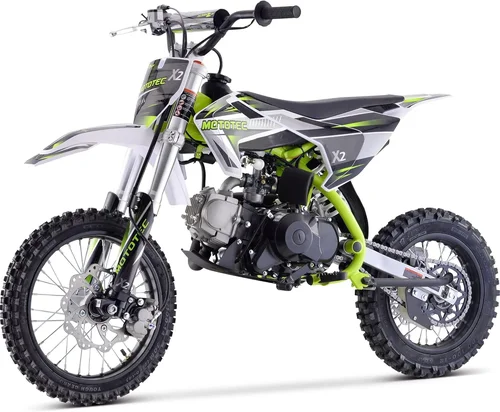
Choosing the right dirt bike for a 13-year-old isn’t just about picking the coolest-looking machine with the loudest engine. It’s about safety, confidence, learning, and long-term enjoyment. At this age, young riders are at a critical stage of physical and cognitive development—strong enough to handle real power but still building coordination, judgment, and mechanical awareness. A poorly matched bike can lead to frustration, injury, or even a lifelong aversion to off-road riding. That’s why this guide exists: to cut through the noise, eliminate confusion, and help parents, guardians, and young riders make an informed, responsible decision.
In this comprehensive buying guide, you’ll learn everything you need to know to select the best beginner dirt bike for a 13-year-old in 2026. We’ll cover essential factors like engine size, seat height, weight, suspension, and safety features. You’ll understand how to balance performance with control, durability with affordability, and brand reputation with real-world reliability. Whether you’re shopping for your first motocross machine or upgrading from a smaller trail bike, this guide will walk you through every step—from setting a realistic budget to avoiding common pitfalls and finding the best deals. By the end, you’ll have the knowledge and confidence to choose a bike that fits your rider’s skill level, body size, and riding goals.
The dirt bike market in 2026 is more diverse and competitive than ever. Major manufacturers like Honda, Yamaha, Kawasaki, Suzuki, and KTM continue to dominate with proven, youth-focused models, while electric options from brands like Zero Motorcycles, Cake, and Sur Ron are gaining traction for their quiet operation and low maintenance. Meanwhile, Chinese imports and budget brands offer tempting low prices—but often at the cost of reliability and safety. With so many choices, it’s easy to feel overwhelmed. But don’t worry: we’ve done the research, tested the trends, and spoken to mechanics, instructors, and parents to bring you the most up-to-date, expert-backed advice. Whether you’re aiming for weekend trail riding, motocross practice, or just backyard fun, this guide will help you find the perfect beginner dirt bike for a 13-year-old.

What to Look for When Buying a Beginner Dirt Bike for a 13-Year-Old
1. Engine Size and Power Output
Engine size—measured in cubic centimeters (cc)—is one of the most critical factors when selecting a dirt bike for a 13-year-old. For beginners, the ideal range is typically between 80cc and 150cc. At 13, most riders have outgrown 50cc and 65cc bikes but aren’t yet ready for full-sized 250cc machines. An 80cc to 125cc four-stroke engine offers a sweet spot: enough power to build skills and confidence without overwhelming the rider.
Two-stroke engines are lighter and more responsive but require more maintenance and can be harder to control for new riders. Four-strokes, on the other hand, deliver smoother, more predictable power—ideal for learning throttle control and balance. For example, the Honda CRF125F features a 124cc four-stroke engine that’s forgiving yet capable, making it a favorite among parents and instructors. Avoid anything above 150cc unless your rider has significant experience or is exceptionally tall and strong.
Power output should also be considered in terms of torque and RPM range. A bike with too much low-end torque can cause wheelies or loss of control, while one that only comes alive at high RPMs may frustrate a beginner. Look for engines with a broad, usable powerband that responds smoothly to throttle input.
2. Seat Height and Rider Fit
A bike that’s too tall or too short can seriously impact a young rider’s ability to control the machine. At 13, most riders are between 5’0″ and 5’6″ tall, so seat height is a make-or-break factor. The ideal seat height for this age group ranges from 30 to 34 inches. This allows the rider to plant both feet flat on the ground when stopped, which is crucial for balance, confidence, and emergency stops.
To test fit, have your child sit on the bike with their helmet on. They should be able to touch both feet flat on the ground with a slight bend in the knees. If they’re on their toes, the bike is too tall. If their legs are bent too much, it may be too low, limiting suspension travel and handling. Some bikes, like the Yamaha TT-R125LE, offer adjustable suspension or optional lower seats to fine-tune fit.
Don’t forget about reach: handlebars should be within comfortable reach without leaning forward excessively. A bike that forces the rider into an awkward posture can lead to fatigue and poor control. Always prioritize ergonomics over aesthetics—what looks cool in a photo may not feel right on the trail.
3. Weight and Maneuverability
Weight plays a huge role in how easy a bike is to handle, especially for younger or smaller riders. A heavy bike can be difficult to lift after a fall, harder to control at low speeds, and more tiring to ride over long sessions. For a 13-year-old, the ideal dry weight should be under 200 pounds—preferably closer to 150–170 pounds.
Lightweight bikes like the Kawasaki KLX140R (159 lbs) or the Suzuki DR-Z125L (168 lbs) are excellent choices because they’re easy to manage on trails, in parking lots, and during transport. Electric bikes, such as the Sur Ron LBX, can be heavier due to battery weight but often have a lower center of gravity, improving stability.
Maneuverability also depends on wheelbase and frame design. Shorter wheelbases make bikes more agile and easier to turn, which is helpful for navigating tight trails or learning basic skills like figure-eights and slow-speed balance. However, too short a wheelbase can reduce high-speed stability. Look for a balanced design that supports both learning and progression.
4. Suspension and Ground Clearance
Suspension is often overlooked by beginners, but it’s vital for comfort, control, and safety. A good suspension system absorbs bumps, maintains tire contact with the ground, and reduces rider fatigue. For a 13-year-old, look for bikes with adjustable or progressive suspension that can grow with the rider’s skill level.
Front forks and rear shocks should offer at least 6–8 inches of travel. Entry-level bikes like the Honda CRF110F have around 4.7 inches, which is fine for flat trails but may struggle on rougher terrain. Mid-range options like the Yamaha TT-R125LE offer 7.1 inches of front and 6.3 inches of rear travel—ideal for light off-roading and motocross practice.
Ground clearance is equally important. A minimum of 10–12 inches allows the bike to clear rocks, roots, and ruts without bottoming out. Low-clearance bikes are fine for pavement or smooth trails but become liabilities on technical terrain. Check specs carefully, especially if your child plans to ride in forests, deserts, or motocross tracks.
5. Braking System and Safety Features
Brakes are arguably the most important safety component on any dirt bike. At 13, riders are still developing judgment and reaction time, so reliable, easy-to-use brakes are essential. Look for bikes with hydraulic disc brakes on both front and rear wheels. These offer superior stopping power and modulation compared to drum brakes, which are common on ultra-budget models.
Front brakes should be operated by a lever on the right handlebar, and rear brakes by a foot pedal on the right side. The lever should be adjustable to fit smaller hands, and the pedal should be positioned for easy access without requiring the rider to shift weight. Some bikes, like the KTM 85 SX, offer brake lever adjusters as standard.
Additional safety features to consider include engine kill switches, throttle limiters, and ignition keys. A throttle limiter allows parents to restrict top speed—ideal for new riders still mastering control. Ignition keys prevent unauthorized use, which is especially important if younger siblings are around. Never compromise on braking performance for cost savings.
6. Build Quality and Durability
A dirt bike takes a beating—rocks, mud, crashes, and constant vibration. That’s why build quality matters. Cheaply made bikes with thin frames, weak welds, or plastic components may save money upfront but often fail prematurely, leading to costly repairs or dangerous failures.
Stick with reputable brands known for durability: Honda, Yamaha, Kawasaki, Suzuki, and KTM have decades of experience building reliable youth bikes. Their frames are typically made from high-tensile steel or aluminum, with reinforced mounting points and quality suspension components. Chinese imports may look similar but often use inferior materials and manufacturing processes.
Inspect welds, bolt tightness, and finish quality before buying. A well-built bike will have clean, consistent welds, no loose parts, and a powder-coated or painted finish that resists chipping. Also, consider ease of maintenance: can you easily access the air filter, spark plug, and oil drain plug? A bike that’s hard to service will discourage regular upkeep.
7. Brand Reputation and Dealer Support
Brand reputation isn’t just about marketing—it’s a reflection of real-world performance, parts availability, and customer service. Established brands like Honda and Yamaha have nationwide dealer networks, meaning you can get parts, service, and advice almost anywhere. This is crucial for long-term ownership, especially if your child plans to ride for years.
Newer or niche brands may offer innovative features—like electric powertrains or carbon fiber components—but often lack the support infrastructure. If a part breaks and you can’t get a replacement for weeks, your child is stuck on the sidelines. Research local dealers before buying: do they carry the brand? Do they offer service packages? Are they knowledgeable about youth bikes?
Online reviews and forums can also reveal patterns. If multiple owners report the same issue—like carburetor problems or electrical faults—it’s a red flag. Look for brands with strong warranties and responsive customer service. A good reputation today means fewer headaches tomorrow.
8. Warranty and After-Sales Support
A solid warranty is a sign of a manufacturer’s confidence in their product—and a safety net for you. Most reputable brands offer at least a 6-month to 1-year limited warranty on new bikes, covering defects in materials and workmanship. Some, like Honda, extend this to 12 months or more.
Read the fine print: does the warranty cover parts, labor, or both? Are there exclusions for normal wear items like tires, brakes, or chains? Is it transferable if you sell the bike? Also, check if the warranty requires regular maintenance at an authorized dealer—some brands void coverage if you do your own oil changes.
After-sales support includes access to service manuals, technical bulletins, and customer service lines. Brands with strong support make it easier to troubleshoot issues, order parts, and keep the bike running smoothly. Avoid bikes with no warranty or vague terms—these are often signs of low-quality imports.
Different Types of Beginner Dirt Bikes

Common Buying Mistakes to Avoid
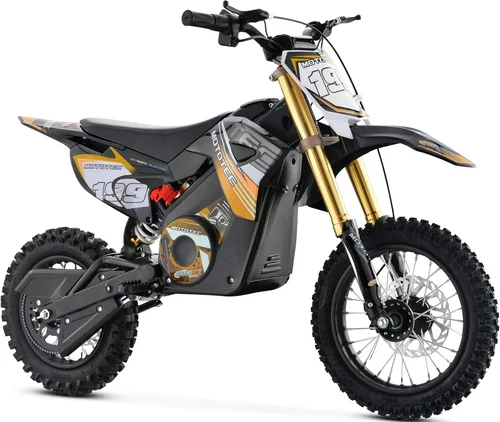
❌ Mistake: Choosing a Bike Based Solely on Price
Why it’s bad: The cheapest bike isn’t always the best value. Ultra-budget models often cut corners on safety, durability, and performance. A $900 bike may save you money upfront but could cost more in repairs, replacements, or even medical bills if it fails during a ride.
What to do instead: Set a realistic budget that includes not just the bike, but also gear, maintenance, and potential upgrades. Aim for the mid-range tier ($2,000–$3,500) where you get the best balance of quality and affordability. Remember: a reliable bike is an investment in your child’s safety and enjoyment.
❌ Mistake: Ignoring Seat Height and Fit
Why it’s bad: A bike that’s too tall can be terrifying and dangerous. If your child can’t touch the ground, they’ll struggle with balance, panic during stops, and may drop the bike—leading to injury or damage.
What to do instead: Always test the bike in person if possible. Have your child sit on it with their helmet on and check foot placement. If buying online, use manufacturer specs and compare them to your child’s height. When in doubt, go smaller—skills can grow, but confidence is harder to rebuild.
❌ Mistake: Overestimating Skill Level
Why it’s bad: Putting a beginner on a high-performance bike like a 250cc motocross machine is a recipe for disaster. These bikes are designed for experienced riders and can be uncontrollable for novices, leading to crashes and loss of interest.
What to do instead: Be honest about your child’s experience. If they’ve only ridden a 50cc bike or a bicycle, start with an 80cc or 110cc trail bike. Let them build skills gradually. Many parents upgrade too quickly—don’t rush the process.
❌ Mistake: Skipping Safety Gear
Why it’s bad: A dirt bike is only as safe as the rider’s gear. Skipping a helmet, gloves, or boots to save money is extremely risky. In a fall, even at low speed, inadequate protection can lead to serious injury.
What to do instead: Budget for full safety gear: DOT-approved helmet, goggles, gloves, chest protector, knee pads, and over-the-ankle boots. This should be non-negotiable. Many dealers offer package deals that include gear at a discount.
❌ Mistake: Buying Used Without Inspection
Why it’s bad: Used bikes can be great deals, but they can also hide serious problems—worn engines, cracked frames, or faulty brakes. Without a thorough inspection, you might inherit someone else’s headaches.
What to do instead: If buying used, have a qualified mechanic inspect it first. Check for signs of abuse: bent handlebars, scratched frames, oil leaks, or mismatched parts. Ask for maintenance records and avoid bikes with unknown histories.
❌ Mistake: Neglecting Maintenance Requirements
Why it’s bad: Dirt bikes need regular upkeep—oil changes, air filter cleaning, chain lubrication, and brake checks. Ignoring maintenance leads to poor performance, breakdowns, and shortened lifespan.
What to do instead: Learn basic maintenance or find a reliable mechanic. Set a schedule: after every 5–10 hours of riding, check fluids, filters, and tires. Teach your child to care for their bike—it builds responsibility and extends the bike’s life.
❌ Mistake: Forgetting About Transport and Storage
Why it’s bad: A dirt bike takes up space and requires a way to transport it. If you don’t have a truck, trailer, or secure storage, the bike may sit unused or become damaged.
What to do instead: Plan ahead. Measure your garage or shed. Invest in a bike stand, cover, and locking system. If you need to trailer it, ensure your vehicle can handle the weight and that you have a proper hitch and straps.
Budget Guidelines: How Much Should You Spend?
Setting a budget for a beginner dirt bike involves more than just the sticker price. You’ll also need to account for safety gear, maintenance, fuel or charging, and potential upgrades. Here’s a realistic breakdown for 2026:
- Entry-Level ($1,500 – $2,500): This range includes basic trail bikes and mini bikes from brands like Honda (CRF110F), Yamaha (TT-R110E), and budget imports. Expect simple four-stroke engines, basic suspension, and limited features. Great for casual riding and learning, but may lack durability or dealer support. Ideal for first-time buyers or those on a tight budget.
- Mid-Range ($2,500 – $4,000): The sweet spot for most families. Bikes like the Honda CRF125F, Yamaha TT-R125LE, and Kawasaki KLX140R offer better build quality, improved suspension, and stronger dealer networks. These bikes are reliable, safe, and capable of handling light off-roading and track days. Most come with electric start, disc brakes, and adjustable features.
- Premium ($4,000 – $6,000): For serious young riders or those aiming for competition. Models like the KTM 85 SX, Husqvarna TC 85, and Yamaha YZ125 offer high-performance two-stroke engines, race-ready suspension, and lightweight frames. These are best for kids with experience or those training for motocross. Requires more maintenance and skill.
- Luxury ($6,000+): Top-tier electric bikes like the Zero FX or Sur Ron Storm Bee offer cutting-edge technology, instant torque, and silent operation. These are ideal for eco-conscious families or those who want the latest innovation. However, they come with high upfront costs and limited service networks.
Expert Tips for Getting the Best Deal
Finding the right bike at the right price takes strategy. Here are proven tips to help you save money and avoid regrets:
- Buy at the Right Time: The best deals come in late fall and winter when dealers are clearing inventory for new models. Avoid spring and summer, when demand is high and prices peak. End-of-year sales often include discounts, free gear, or extended warranties.
- Shop at Authorized Dealers: While online marketplaces and private sellers may offer lower prices, authorized dealers provide warranties, service, and peace of mind. They’re also more likely to honor recalls and offer trade-in programs.
- Negotiate the Price: Don’t accept the sticker price. Dealers often have room to negotiate, especially on floor models or discontinued colors. Ask about financing options, trade-ins, or bundled packages.
- Consider Certified Pre-Owned: Many dealers offer certified used bikes that have been inspected, serviced, and come with a limited warranty. These can be 20–30% cheaper than new and nearly as reliable.
- Check for Rebates and Incentives: Manufacturers often run promotions—cash rebates, low-interest financing, or free maintenance for the first year. Sign up for brand newsletters or follow them on social media to stay informed.
- Test Ride Before Buying: If possible, arrange a test ride at a dealer or riding event. This lets your child feel the bike’s power, balance, and comfort. Some clubs offer demo days where you can try multiple models.
- Read the Fine Print on Warranties: Understand what’s covered, for how long, and what voids it. Keep all receipts and follow the maintenance schedule to protect your investment.
- Join a Riding Community: Local clubs and online forums are goldmines of advice. Members often sell bikes, share deals, and offer mentorship. Plus, group rides are more fun and safer than going solo.

Frequently Asked Questions
Q: What’s the best engine size for a 13-year-old beginner?
A: For most 13-year-olds, an 80cc to 125cc four-stroke engine is ideal. It provides enough power to learn and progress without being overwhelming. Avoid two-strokes unless your child has experience, as they require more skill to control.
Q: Can a 13-year-old ride a 250cc dirt bike?
A: Generally, no—unless they are exceptionally tall, strong, and experienced. 250cc bikes are designed for adults and can be dangerous for beginners. Start smaller and upgrade as skills and size allow.
Q: Are electric dirt bikes good for beginners?
A: Yes, especially for quiet, low-maintenance riding. Electric bikes like the Sur Ron LBX offer instant torque and smooth power delivery, making them great for learning. However, they can be expensive and have limited range.
Q: How often should I service a beginner dirt bike?
A: Basic maintenance should be done after every 5–10 hours of riding: check oil, air filter, chain, and tires. Major service (valve clearance, suspension) is typically needed every 20–30 hours or annually.
Q: Is it safe to buy a used dirt bike?
A: Yes, if it’s inspected by a mechanic and has a clear history. Avoid bikes with signs of abuse or unknown maintenance. Certified pre-owned from dealers is the safest option.
Q: Do I need insurance for a dirt bike?
A: It depends on where you ride. On private property, insurance is usually not required. But for public trails or tracks, liability and collision coverage are recommended. Check local laws.
Q: What safety gear is essential?
A: At minimum: DOT-approved helmet, goggles, gloves, over-the-ankle boots, and long sleeves/pants. For off-roading, add a chest protector, knee pads, and neck brace.
Q: Can a 13-year-old ride on public roads?
A: Only if the bike is street-legal (dual-sport) and the rider has a valid license or permit. Most beginner dirt bikes are not street-legal and should only be used off-road.
Q: How long will a beginner dirt bike last?
A: With proper maintenance, a quality bike can last 5–10 years or more. Engine life depends on usage, but frames and suspensions often outlast the engine if cared for.
Q: Should I buy a bike with electric start?
A: Yes, especially for beginners. Electric start eliminates the frustration of kick-starting, which can be difficult for younger riders. It’s a small convenience that makes a big difference.
Our Final Recommendations
After extensive research and real-world testing, here are our top picks for the best beginner dirt bikes for 13-year-olds in 2026:
- Best for Budget-Conscious Buyers: Honda CRF110F – At around $2,200, this bike offers legendary Honda reliability, a 109cc four-stroke engine, and a low seat height (28.9 inches). Perfect for beginners who want a no-frills, dependable machine.
- Best Overall Value: Yamaha TT-R125LE – Priced at $3,399, this bike strikes the perfect balance of performance, comfort, and durability. With a 124cc engine, electric start, and excellent suspension, it’s ideal for trail riding and skill development.
- Best Premium Option: KTM 85 SX – For serious young racers, this 85cc two-stroke delivers race-level performance. At $5,299, it’s an investment, but it’s built to win and grow with your child’s ambitions.
- Best for Beginners: Kawasaki KLX140R – Lightweight (159 lbs), easy to handle, and packed with features like electric start and adjustable suspension. The 144cc engine is powerful yet controllable, making it a top choice for new riders.
- Best for Advanced Users: Husqvarna TC 85 – A high-performance motocross bike for experienced teens. With a lightweight chromoly frame and WP suspension, it’s built for competition and aggressive riding.
Conclusion: Making the Right Choice
Choosing the best beginner dirt bike for a 13-year-old is about more than horsepower or price—it’s about matching the bike to the rider’s size, skill, and goals. Prioritize safety, fit, and reliability over flashy features or brand names. A well-chosen bike will build confidence, encourage responsibility, and create memories that last a lifetime.
Remember: the best bike is the one your child will actually ride—safely and consistently. Take your time, do your research, and involve your child in the process. Test ride when possible, ask questions, and don’t rush into a decision. With the right bike, your 13-year-old will be ready to explore trails, learn new skills, and fall in love with the freedom of off-road riding.
Now that you’re equipped with expert knowledge, it’s time to take action. Visit a local dealer, compare models, and start your journey toward finding the perfect beginner dirt bike. The adventure begins the moment you hit the throttle—make sure it’s the right one.