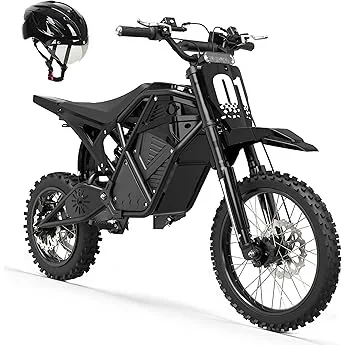
Electric dirt bikes have exploded in popularity over the past few years, and for good reason. They offer a cleaner, quieter, and often more accessible alternative to traditional gas-powered off-road motorcycles—without sacrificing the thrill of the ride. Whether you’re a weekend warrior hitting local trails, a parent looking for a safe first bike for your child, or an experienced rider wanting to explore new terrain without the noise and emissions, electric dirt bikes are reshaping the off-road experience. As battery technology improves and motor efficiency climbs, these machines are becoming more powerful, reliable, and versatile than ever before.
This comprehensive buyer’s guide is designed to help you navigate the rapidly evolving world of electric dirt bikes in 2026. We’ll walk you through everything you need to know—from understanding key performance specs and build quality to comparing different types of bikes and avoiding common purchasing pitfalls. By the end of this guide, you’ll have the knowledge and confidence to choose the best electric dirt bike for your needs, budget, and riding style. Whether you’re shopping for your first e-dirt bike or upgrading from a previous model, we’ve got you covered with expert insights, real-world advice, and up-to-date recommendations.
The market for electric dirt bikes has matured significantly. What was once a niche segment dominated by a handful of startups now includes offerings from established motorcycle brands like KTM, Husqvarna, and Yamaha, alongside innovative newcomers such as Sur Ron, Talaria, and Cake. Prices range from under $1,000 for entry-level youth models to over $15,000 for high-performance race-ready machines. With so many options available, it’s easy to feel overwhelmed—but that’s where this guide comes in. We’ll cut through the noise, highlight what truly matters, and help you make a smart, informed decision.

What to Look for When Buying an Electric Dirt Bike
1. Budget & Price Range
Your budget is the single most important factor when shopping for an electric dirt bike. Prices vary dramatically based on performance, build quality, brand reputation, and intended use. Entry-level models start around $800–$1,500 and are ideal for kids or casual trail riders. Mid-range bikes ($2,000–$5,000) offer better components, longer range, and more power, making them suitable for teens and adults who ride regularly. Premium models ($5,000–$10,000) deliver race-level performance with advanced suspension, high-capacity batteries, and durable frames. Luxury or competition-focused bikes can exceed $12,000 and are built for serious enthusiasts or professional riders.
Don’t just focus on the sticker price—consider the total cost of ownership. Factor in replacement batteries (which typically last 3–5 years), maintenance, gear, and potential upgrades. A slightly more expensive bike with a robust warranty and replaceable parts may save you money in the long run. Also, be wary of extremely cheap bikes from unknown brands; they often cut corners on safety, battery quality, and build integrity.
2. Performance Specifications
Performance specs determine how your bike will handle different terrains and riding conditions. Key metrics to evaluate include motor power (measured in watts or horsepower), torque (measured in Newton-meters), top speed, range (how far you can ride on a single charge), and battery capacity (measured in watt-hours or amp-hours).
For casual trail riding, a 3,000W–5,000W motor with 20–30 miles of range is usually sufficient. More aggressive riders or those tackling steep hills and rough terrain will want 7,000W or higher, with torque ratings above 100 Nm for instant acceleration. Top speeds typically range from 20 mph on youth models to over 60 mph on high-performance adult bikes. Battery capacity directly affects range—look for at least 1.5 kWh for moderate use, and 2.5 kWh or more for extended adventures.
Pay attention to whether the bike uses a hub motor (integrated into the wheel) or a mid-drive motor (connected to the drivetrain). Mid-drive motors generally offer better weight distribution and efficiency, especially on technical trails. Also, check if the bike has multiple riding modes (Eco, Trail, Sport, Race)—these allow you to adjust power output based on conditions and battery life.
3. Build Quality & Durability
An electric dirt bike is an investment, and you want it to last. Build quality starts with the frame—look for high-tensile steel or aluminum alloys that can withstand impacts and stress without adding unnecessary weight. Check welds for consistency and finish; poor craftsmanship often reveals itself in sloppy joints or uneven paint.
Suspension is another critical component. Quality forks and rear shocks absorb bumps and keep the wheels grounded, improving control and comfort. Entry-level bikes may have basic coil springs, while premium models feature adjustable air or hydraulic suspension with travel lengths of 8–10 inches or more. Tires should be knobby and puncture-resistant, ideally with reinforced sidewalls for off-road use.
Water resistance matters too. While no electric bike is fully waterproof, look for IP ratings (like IP65 or IP67) that indicate protection against dust and water splashes. Sealed battery compartments and motor housings are essential if you plan to ride in wet or muddy conditions.
Finally, inspect the overall fit and finish. Are cables neatly routed? Are bolts properly tightened? Does the bike feel solid when you lift it or bounce it? These small details often reflect the manufacturer’s attention to quality.
4. Features & Functionality
Modern electric dirt bikes come packed with features that enhance safety, convenience, and performance. Start with the display: a clear, backlit LCD or LED screen should show speed, battery level, riding mode, and odometer. Some advanced models include Bluetooth connectivity, GPS tracking, or smartphone app integration for diagnostics and ride logging.
Regenerative braking is a smart feature that recovers energy during deceleration, slightly extending your range—especially useful on long downhill sections. LED lighting (headlight, taillight, brake light) improves visibility and safety, particularly if you ride at dusk or in low-light conditions.
Other useful features include:
– Quick-release battery for easy swapping
– Adjustable seat height for growing riders
– Kickstand and center stand for stability
– USB charging port for devices
– Throttle type (thumb vs. twist grip)—thumb throttles are often preferred for better control
Avoid bikes with overly complex electronics unless you’re comfortable troubleshooting them. Simplicity can be a virtue, especially for beginners or younger riders.
5. Brand Reputation & Reliability
Not all electric dirt bike brands are created equal. Established names like Sur Ron, Talaria, KTM, and Cake have built reputations for reliability, customer service, and innovation. They often invest heavily in R&D, use high-quality components, and provide better long-term support.
Research brand history: How long have they been in business? Do they specialize in electric vehicles or are they adapting gas models? Read user forums, YouTube reviews, and third-party testing reports. A brand with a strong community presence (like Sur Ron’s active Facebook groups or Talaria’s rider networks) often indicates satisfied customers and accessible help.
Be cautious with lesser-known brands selling on Amazon or eBay at suspiciously low prices. While some offer decent value, others use counterfeit parts, poor-quality batteries, or lack proper certifications (like UL or CE). Always verify that the bike meets local safety and emissions standards.
6. Warranty & Customer Support
A solid warranty is a strong indicator of a manufacturer’s confidence in their product. Most reputable brands offer at least a 6-month to 1-year warranty covering the motor, battery, and frame. Premium models may include 2-year warranties or even lifetime frame coverage.
Read the fine print: What’s covered? Labor costs? Shipping? Is the battery included? Many warranties exclude batteries due to their limited lifespan, but some brands (like Cake) offer prorated battery coverage.
Customer support matters just as much. Can you easily reach a technician? Are replacement parts readily available? Do they offer firmware updates or troubleshooting guides? Brands with US-based support centers or local dealers typically provide faster service than those relying solely on overseas support.
Before buying, check online reviews specifically about post-purchase service. A bike that breaks down after three months is frustrating—even more so if you can’t get help fixing it.
7. Size, Weight & Portability
Size and weight affect how easy the bike is to handle, transport, and store. Youth models are lightweight (under 80 lbs) and low to the ground, making them ideal for kids aged 8–14. Adult bikes range from 100–150 lbs, with seat heights between 30–36 inches. Taller riders may prefer extended seat posts or custom setups.
Consider where you’ll store the bike. Can it fit in your garage, shed, or truck bed? Some models fold or have removable batteries for easier transport. If you plan to trailer the bike frequently, weight becomes even more important—lighter bikes reduce strain on your vehicle and improve fuel efficiency.
Portability also ties into maintenance. Heavier bikes are harder to flip if they tip over or to work on in a stand. Look for bikes with accessible service points and tool-free adjustments where possible.
8. User Reviews & Real-World Feedback
Spec sheets tell one story—real riders tell another. Always read user reviews from multiple sources: Amazon, RevZilla, YouTube, Reddit (r/electricbikes), and brand-specific forums. Look for patterns: Do multiple users report the same issue (e.g., battery degradation after 6 months)? Are common praises consistent (e.g., “smooth throttle response” or “great suspension”)?
Pay attention to long-term reviews (6+ months of use), as they reveal durability and reliability better than initial impressions. Videos are especially helpful—they show how the bike performs on trails, how it sounds, and how easy it is to operate.
Be skeptical of overly glowing reviews that lack detail or seem scripted. Authentic feedback often includes both pros and cons, which gives you a balanced perspective.
Different Types of Electric Dirt Bikes
Common Buying Mistakes to Avoid
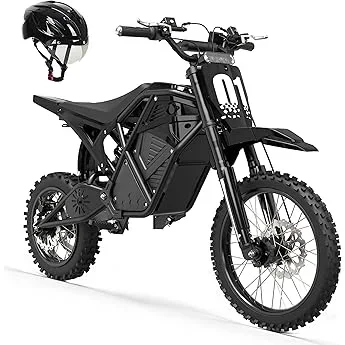
❌ Mistake: Ignoring Battery Technology
Why it’s bad: The battery is the heart of an electric dirt bike. Cheap lithium-ion cells degrade quickly, lose capacity, and can even pose fire risks. Many budget bikes use low-quality 18650 cells or lack proper Battery Management Systems (BMS), leading to premature failure.
What to do instead: Look for bikes with branded batteries (like Samsung, LG, or Panasonic cells) and a robust BMS that protects against overcharging, overheating, and deep discharge. Check warranty terms—some brands offer battery replacement programs or upgrade paths.
❌ Mistake: Overlooking Local Laws & Regulations
Why it’s bad: Electric dirt bikes are not legal for street use in most areas unless specifically certified. Riding on public trails without proper registration or insurance can result in fines or confiscation.
What to do instead: Research your state, county, and trail-specific rules. Some parks allow e-bikes on certain paths; others ban them entirely. Consider DOT-approved models if you plan to ride on roads, or stick to private land and designated off-road areas.
❌ Mistake: Choosing Based Solely on Top Speed
Why it’s bad: High top speed doesn’t always mean better performance. A bike that hits 60 mph but has poor suspension, weak brakes, or short range may be unsafe or impractical for real-world riding.
What to do instead: Prioritize balanced performance—adequate torque, good range, responsive brakes, and stable handling. Match the bike’s capabilities to your skill level and intended use.
❌ Mistake: Skipping Safety Gear
Why it’s bad: Even quiet electric bikes can reach high speeds and cause serious injury in a crash. Many buyers underestimate the importance of protective equipment.
What to do instead: Invest in a DOT/ECE-certified helmet, armored jacket, gloves, knee/elbow pads, and sturdy boots. Consider a chest protector for aggressive riding. Safety gear is non-negotiable—even for short rides.
❌ Mistake: Buying Without Test Riding
Why it’s bad: Specs don’t tell you how a bike feels. Throttle response, seat comfort, weight distribution, and ergonomics vary widely between models.
What to do instead: Whenever possible, test ride before buying. Attend demo days, visit local dealers, or borrow from a friend. If buying online, choose retailers with generous return policies (30 days or more).
❌ Mistake: Neglecting Maintenance Requirements
Why it’s bad: Electric bikes still need regular upkeep—chain lubrication, brake adjustments, tire pressure checks, and firmware updates. Assuming they’re “maintenance-free” leads to breakdowns.
What to do instead: Learn basic maintenance or find a local shop that services e-bikes. Keep spare parts (brake pads, chains, fuses) on hand. Follow the manufacturer’s service schedule.
❌ Mistake: Falling for “Too Good to Be True” Deals
Why it’s bad: Extremely low-priced bikes often use counterfeit motors, fake batteries, or unsafe electrical systems. They may lack certifications and pose serious risks.
What to do instead: Stick to reputable retailers and brands. If a deal seems unrealistic, it probably is. Compare specs, read reviews, and verify seller credentials.
Budget Guidelines: How Much Should You Spend?
Entry-Level ($800–$1,800): Perfect for kids, teens, or casual riders. Expect basic suspension, modest power (1,000W–3,000W), and limited range (10–20 miles). Brands like Razor, MotoTec, and Segway offer reliable options in this range. Great for learning, backyard fun, or light trail exploration.
Mid-Range ($2,000–$5,000): The sweet spot for most buyers. These bikes deliver strong performance (5,000W–7,000W), decent range (25–40 miles), and better build quality. Models like the Sur Ron Light Bee X, Talaria Sting, and Cake Kalk OR are popular here. Ideal for teens and adults who ride regularly on varied terrain.
Premium ($5,000–$10,000): For serious riders and enthusiasts. Expect race-level components: high-torque motors (10,000W+), long-travel suspension, advanced electronics, and durable frames. Bikes like the KTM Freeride E-XC, Husqvarna EE 5, and upgraded Sur Ron models fall here. Built for aggressive off-roading, competition, or daily adventure use.
Luxury ($10,000+): Top-tier machines with cutting-edge technology, custom tuning options, and exceptional craftsmanship. Examples include the Cake Kalk& and limited-edition race builds. These are for professionals, collectors, or those who demand the absolute best—no compromises.
Remember: A higher price doesn’t always mean better value. Match your spending to your actual needs. A $3,000 bike used responsibly will outperform a $10,000 bike misused or poorly maintained.

Expert Tips for Getting the Best Deal
– Buy during off-season: Late fall and winter often bring discounts as retailers clear inventory. Spring and summer are peak seasons—prices rise and stock sells fast.
– Shop directly from manufacturers: Brands like Sur Ron, Talaria, and Cake often offer exclusive bundles, extended warranties, or free shipping when you buy from their official sites.
– Watch for demo or refurbished units: Many dealers sell lightly used demo bikes at 10–20% off. These are typically well-maintained and come with warranties.
– Bundle gear for savings: Some retailers offer package deals including helmet, gloves, and charger. Compare total cost vs. buying separately.
– Check return and exchange policies: Choose sellers with at least a 14-day return window and clear terms. Avoid “final sale” items unless you’re certain.
– Join rider communities: Facebook groups, Reddit forums, and local clubs often share exclusive promo codes, group buys, or secondhand deals.
– Consider financing options: Some brands offer 0% APR financing for qualified buyers, spreading cost over 6–24 months without extra fees.
– Verify shipping and assembly: Large bikes may require freight shipping. Factor in delivery costs and whether the bike arrives fully assembled or needs professional setup.

Frequently Asked Questions
Q: Are electric dirt bikes street legal?
A: In most U.S. states, electric dirt bikes are classified as off-road vehicles and cannot be ridden on public roads unless they meet specific DOT requirements (lights, mirrors, VIN, etc.). Always check local laws—some states allow limited street use with registration and insurance.
Q: How long do electric dirt bike batteries last?
A: Most lithium-ion batteries last 500–1,000 charge cycles, equating to 3–5 years of regular use. Capacity gradually declines over time. Proper care (avoiding full discharges, storing at 50% charge) can extend lifespan.
Q: Can I ride an electric dirt bike in the rain?
A: Yes, but with caution. Most quality e-dirt bikes have IP65 or higher ratings, meaning they resist water splashes. Avoid submerging the bike or riding through deep puddles. Dry it thoroughly after wet rides.
Q: Do electric dirt bikes need oil changes?
A: No—electric motors don’t use engine oil. However, you still need to maintain the chain, brakes, suspension, and tires just like a gas bike.
Q: How fast can electric dirt bikes go?
A: Speeds vary widely: youth models top out at 15–20 mph, mid-range bikes reach 35–45 mph, and high-performance models exceed 60 mph. Always ride within your skill level and local speed limits.
Q: Are electric dirt bikes quieter than gas bikes?
A: Absolutely. Electric motors produce minimal noise—typically 60–70 decibels, compared to 90+ dB for gas engines. This makes them ideal for riding in noise-sensitive areas.
Q: Can I upgrade my electric dirt bike?
A: Yes! Common upgrades include higher-capacity batteries, performance controllers, upgraded suspension, and custom throttles. Check compatibility and warranty implications before modifying.
Q: What’s the difference between hub and mid-drive motors?
A: Hub motors are built into the wheel (usually rear), offering simplicity and direct power. Mid-drive motors sit near the pedals (or crank), providing better weight balance and efficiency on hills. Most off-road e-dirt bikes use hub motors for durability.
Q: How do I charge an electric dirt bike?
A: Use the included charger and a standard 110V outlet. Charging time ranges from 2–8 hours depending on battery size. Fast chargers (sold separately) can reduce this to under 2 hours.
Q: Are electric dirt bikes safe for kids?
A: Yes, when properly matched to age, size, and skill. Choose youth-specific models with speed limiters, adjustable power modes, and parental controls. Always supervise young riders and enforce helmet use.
Our Final Recommendations
Best for Budget-Conscious Buyers: Sur Ron Light Bee X – At around $4,500, it offers exceptional value with 6,000W power, 40+ mile range, and rugged build quality. Ideal for teens and adults seeking serious performance without breaking the bank.
Best Overall Value: Talaria Sting – Priced near $5,000, the Sting delivers 7,000W peak power, smooth throttle control, and excellent suspension. It’s versatile enough for trails, commuting, and light racing.
Best Premium Option: KTM Freeride E-XC – A true performance machine at ~$12,000, featuring WP suspension, Bosch motor, and race-ready geometry. Perfect for experienced riders who want factory-level quality.
Best for Beginners: Razor MX650 – At under $1,000, this youth model is affordable, safe, and easy to ride. Great for kids 13+ or first-time riders learning the basics.
Best for Advanced Users: Cake Kalk& – With its minimalist design, 11,000W motor, and customizable settings, the Kalk& is built for experts who prioritize innovation and precision over comfort.
Conclusion: Making the Right Choice
Choosing the best electric dirt bike in 2026 doesn’t have to be overwhelming—if you know what to look for. Start by defining your needs: Who will ride it? Where? How often? Then align those needs with your budget, performance expectations, and safety priorities. Don’t chase specs alone; consider real-world usability, brand reliability, and long-term support.
Remember, the “best” bike is the one that fits your lifestyle, enhances your riding experience, and keeps you safe. Whether you’re buying your first e-dirt bike or upgrading to a high-performance beast, take your time, do your research, and don’t skip the test ride. With the insights from this guide, you’re now equipped to make a confident, informed decision.
Ready to hit the trails? Your perfect electric dirt bike is out there—go find it.