
Electric bikes have exploded in popularity over the past few years, and for good reason. They offer a clean, efficient, and fun way to commute, run errands, or simply explore your city without breaking a sweat. But for many people, the biggest hurdle isn’t the technology—it’s the price tag. High-end e-bikes can easily cost thousands of dollars, putting them out of reach for budget-conscious riders. That’s where affordable electric bikes come in. With advances in battery tech, motor efficiency, and manufacturing, it’s now possible to get a reliable, feature-packed e-bike for under $1,500—sometimes even under $1,000.
This guide is designed for riders who want the benefits of electric assistance without the premium price. Whether you’re a daily commuter tired of traffic, a weekend explorer looking to extend your range, or someone just dipping their toes into the world of e-bikes, we’ve got you covered. You’ll learn how to identify the best value-for-money models, avoid common pitfalls, and make a smart investment that fits your lifestyle and budget. We’ve tested dozens of budget e-bikes, analyzed customer reviews, and consulted industry experts to bring you a comprehensive, no-nonsense guide to the best cheap electric bikes of 2026.
The market for affordable e-bikes has matured significantly. Brands like Rad Power Bikes, Aventon, Lectric, and Heybike have proven that you don’t need to spend a fortune to get a solid ride. Meanwhile, new entrants from China and Southeast Asia are pushing prices even lower—sometimes to under $600. But lower cost doesn’t always mean lower quality. The key is knowing what to look for. In this guide, we’ll walk you through the essential factors that matter most when shopping on a budget, compare different types of e-bikes, highlight common mistakes, and give you expert-backed tips to get the best deal. By the end, you’ll have everything you need to choose a cheap electric bike that’s not just affordable—but also safe, reliable, and built to last.
What to Look for When Buying Tuttio
1. Budget & Price Range
When shopping for a cheap electric bike, your budget is the starting point—but it shouldn’t be the only consideration. While it’s tempting to go for the lowest price, remember that e-bikes are complex machines with motors, batteries, and electronic components. A bike priced too low may cut corners on safety, durability, or performance. That said, you don’t need to spend $3,000 to get a great ride. Most budget-conscious buyers can find excellent value between $800 and $1,500.
Set a realistic budget that includes not just the bike, but also essential accessories like a helmet, lock, lights, and possibly a rear rack. Some retailers offer bundle deals that include these items, which can save you money in the long run. Also, consider financing options if available—many brands offer 0% APR plans that let you spread payments over 6–12 months. Just be sure to read the fine print and avoid high-interest loans.
2. Performance Specifications
Performance is where many budget e-bikes fall short—but it doesn’t have to. Focus on three key specs: motor power, battery capacity, and range. The motor, measured in watts (W), determines how much assistance you get. Most budget e-bikes come with 250W to 750W motors. A 500W motor is ideal for city riding and moderate hills, while 750W offers more power for heavier loads or steeper terrain.
Battery capacity is measured in watt-hours (Wh). A higher Wh rating means longer range. For example, a 48V 10Ah battery delivers 480Wh. Most budget e-bikes offer 300–600Wh, giving you 20–50 miles per charge depending on assist level, terrain, and rider weight. Always check real-world range reviews—manufacturers often overstate range under ideal conditions.
Also consider pedal assist levels (usually 3–5) and whether the bike has a throttle. Throttle-only mode lets you ride without pedaling, which is great for starting from a stop or climbing hills. However, it drains the battery faster. Look for bikes with smooth, responsive motors that don’t jerk or lag.
3. Build Quality & Durability
A cheap e-bike should still be built to last. Start with the frame material. Aluminum alloy is the standard for budget models—it’s lightweight, rust-resistant, and strong enough for daily use. Avoid steel frames unless you’re carrying heavy cargo; they’re durable but add significant weight.
Check the welds on the frame—clean, even welds indicate better craftsmanship. Look for reinforced joints, especially around the head tube and bottom bracket. The fork should be rigid and preferably suspension-equipped for comfort on rough roads. Even a basic front suspension fork can make a big difference in ride quality.
Components matter too. Entry-level bikes often come with mechanical disc brakes (like Tektro or Zoom), which are adequate but not as powerful as hydraulic brakes. If you ride in wet conditions or steep areas, hydraulic brakes are worth the upgrade. Gearing systems from Shimano (even Tourney or Altus) are reliable and easy to maintain. Avoid no-name derailleurs and brake systems—they’re prone to failure.
4. Features & Functionality
Even on a budget, you can get a well-equipped e-bike. Look for features that enhance safety, convenience, and usability. Integrated lights (front and rear) are a must—many budget models now include them, powered by the main battery. This eliminates the need for separate batteries and ensures you’re visible at night.
A digital display is essential. It should show speed, battery level, assist mode, and distance. Some models include Bluetooth connectivity, allowing you to track rides via an app. While not necessary, this can be useful for monitoring battery health and ride stats.
Other useful features include:
– Fenders to keep you dry in the rain
– Rear rack for carrying groceries or bags
– Kickstand for easy parking
– USB charging port to power your phone
Some budget e-bikes even offer app integration, GPS tracking, or anti-theft alarms. While these aren’t dealbreakers, they can add significant value. Just make sure the core components—motor, battery, brakes—aren’t compromised to include flashy extras.
5. Brand Reputation
Brand matters more than you might think. Established brands like Rad Power Bikes, Aventon, and Lectric have built reputations for reliability, customer service, and transparency. They offer detailed specs, clear warranties, and responsive support. Newer or lesser-known brands may offer lower prices, but they often lack long-term track records.
Research the company’s history. How long have they been in business? Do they have a physical address and customer service team? Check third-party reviews on sites like Trustpilot, Reddit, and YouTube. Look for patterns—consistent complaints about battery life or brake failure are red flags.
Also consider where the bike is assembled. Many budget e-bikes are designed in the U.S. or Europe but manufactured in China. That’s not inherently bad—many high-end bikes are made there too. But transparency about sourcing and quality control is a good sign. Brands that publish factory audits or partner with reputable manufacturers (like Bafang or Samsung) are more trustworthy.
6. Warranty & Support
A solid warranty is your safety net. Most reputable brands offer at least a 1-year warranty on the frame, motor, and battery. Some go further—Rad Power Bikes offers a 2-year comprehensive warranty, while Aventon provides 1 year with optional extensions.
Pay attention to what’s covered. A good warranty should include:
– Motor and electrical components
– Battery (with a cycle life guarantee, e.g., 500+ charges)
– Frame and fork
– Brakes and drivetrain
Avoid brands that offer only 90-day warranties or exclude batteries—these are often signs of low-quality components. Also check the return policy. Can you return the bike within 30 days if it doesn’t meet your expectations? Is there a restocking fee? Free return shipping is a plus.
Customer support is just as important. Can you reach a real person by phone or chat? Are there service centers nearby, or do you have to ship the bike back? Brands with U.S.-based support teams tend to resolve issues faster.
7. Size & Portability
Not all e-bikes are created equal when it comes to fit and portability. Frame size affects comfort and control. Most brands offer small, medium, and large frames. Check the standover height—the distance from the ground to the top tube. You should be able to stand over the bike with at least 1–2 inches of clearance.
Step-through frames are ideal for shorter riders or those with mobility issues. They make mounting and dismounting easier and are great for casual riding. Traditional diamond frames are sturdier and better for aggressive riding or carrying heavy loads.
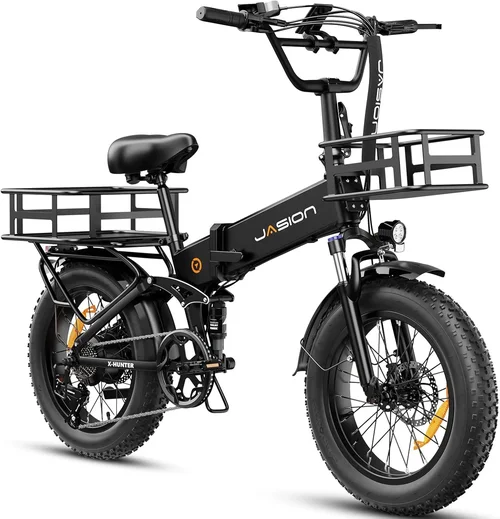
Weight is another factor. Most budget e-bikes weigh 45–65 lbs. Heavier bikes are harder to carry upstairs or load onto a car rack. If you need to transport your bike frequently, look for models under 50 lbs or with folding designs. Folding e-bikes like the Lectric XP or Heybike Mars are compact and portable, though they may sacrifice some ride quality.
8. User Reviews & Ratings
Never buy an e-bike based on specs alone. Real-world user reviews reveal issues that specs can’t. Look for detailed reviews on Amazon, YouTube, and cycling forums. Pay attention to recurring themes—do multiple users report the same problem with the battery or brakes?
Check the overall rating, but also read the 1- and 2-star reviews. These often highlight dealbreaking flaws. Be wary of bikes with only 5-star reviews—this can indicate fake or incentivized reviews. A mix of ratings, including constructive criticism, is more trustworthy.
Also consider long-term reviews. How does the bike perform after 6 months or a year? Battery degradation, motor wear, and component failures often show up over time. Brands that publish long-term test results or have active user communities (like Rad Power’s forum) are more transparent.
Different Types of Tuttio

Common Buying Mistakes to Avoid
❌ Mistake: Prioritizing Price Over Quality
Why it’s bad: The cheapest e-bikes often use low-quality motors, weak batteries, and flimsy frames. These bikes may break down within months, costing you more in repairs than a slightly more expensive model would have.
What to do instead: Set a minimum quality threshold. Look for bikes with reputable motors (like Bafang), lithium-ion batteries, and aluminum frames. Spend a little more upfront to save in the long run.
❌ Mistake: Ignoring the Battery
Why it’s bad: The battery is the heart of an e-bike. A weak or poorly made battery will limit your range and lifespan. Many ultra-cheap bikes use low-capacity or counterfeit cells.
What to do instead: Check the battery specs: voltage (usually 36V or 48V), amp-hours (Ah), and watt-hours (Wh). Look for brands that use Samsung, LG, or Panasonic cells. Avoid bikes with no battery brand listed.
❌ Mistake: Overlooking Warranty and Support
Why it’s bad: Without a good warranty, you’re on your own if something breaks. Some brands offer no support or require you to pay for return shipping.
What to do instead: Choose brands with at least a 1-year warranty and clear support channels. Read the warranty terms carefully—some exclude batteries or wear items.
❌ Mistake: Buying Without Test Riding
Why it’s bad: E-bikes feel different from regular bikes. A bike that looks good on paper might be uncomfortable or hard to control in real life.
What to do instead: If possible, test ride before buying. Many brands offer demo days or partner with local shops. If buying online, check the return policy—some allow 30-day trials.
❌ Mistake: Skipping Safety Features
Why it’s bad: Lights, brakes, and reflectors are essential for safe riding, especially in traffic or at night. Some budget bikes skimp on these to cut costs.
What to do instead: Ensure the bike has front and rear lights, reflectors, and reliable brakes. If not, budget for aftermarket upgrades.
❌ Mistake: Not Considering Total Cost of Ownership
Why it’s bad: Accessories like helmets, locks, lights, and maintenance add up. A $700 bike can easily cost $1,000+ with essentials.
What to do instead: Factor in accessories when budgeting. Look for bundle deals or starter kits that include must-have items.
❌ Mistake: Falling for “Too Good to Be True” Deals
Why it’s bad: Scam sites and counterfeit brands offer e-bikes at impossibly low prices. These often never arrive or are defective.
What to do instead: Buy from reputable retailers or directly from the brand. Check reviews and avoid deals that seem unrealistic.
Budget Guidelines: How Much Should You Spend?
– Entry-Level ($600–$900): This tier includes basic e-bikes with 250W–500W motors, 300–400Wh batteries, and minimal features. Ideal for short commutes on flat terrain. Expect shorter range (15–25 miles) and fewer amenities. Brands like Heybike and Swagtron offer models here, but quality can vary.
– Mid-Range ($900–$1,300): The sweet spot for most buyers. Bikes in this range offer 500W–750W motors, 400–600Wh batteries, and better components. You’ll get disc brakes, suspension forks, integrated lights, and reliable drivetrains. Models like the Lectric XP 3.0 and Aventon Pace 350 fall here.
– Premium ($1,300–$1,800): For enthusiasts and daily riders who want durability and performance. These bikes feature high-capacity batteries, hydraulic brakes, advanced displays, and robust frames. Rad Power Bikes and Trek offer excellent options in this range.
– Luxury ($1,800+): Top-tier e-bikes with cutting-edge tech, long-range batteries (600Wh+), smart features, and premium materials. While not “cheap,” some models offer great value for the price. Consider these if you plan to ride frequently or in challenging conditions.
Expert Tips for Getting the Best Deal
– Shop During Sales: Major discounts happen during Black Friday, Cyber Monday, and end-of-season sales (August–September). Sign up for brand newsletters to get early access.
– Buy Direct from the Manufacturer: Brands like Rad Power and Lectric often offer better prices and bundles when you buy directly. You’ll also get full warranty coverage.
– Look for Refurbished or Open-Box Deals: Many brands sell certified refurbished e-bikes at 20–30% off. These are inspected and come with warranties.
– Check Local Incentives: Some cities and states offer rebates or tax credits for e-bike purchases. California’s Clean Vehicle Rebate Project, for example, can save you hundreds.
– Compare Total Value: Don’t just look at the price—compare what’s included. A $1,000 bike with lights, rack, and fenders may be a better deal than a $900 bike without.
– Read the Fine Print: Check shipping costs, return policies, and warranty terms. Some “free shipping” deals have hidden fees.
– Test Ride When Possible: Visit local dealers or attend demo events. A 10-minute ride can reveal a lot about comfort and performance.
– Join Online Communities: Forums like Reddit’s r/ebikes or Facebook groups often share deals, reviews, and troubleshooting tips.

Frequently Asked Questions
Q: Can I really get a good e-bike for under $1,000?
A: Yes—many excellent models are available under $1,000. Brands like Lectric, Heybike, and Aventon offer reliable e-bikes with decent motors, batteries, and features in this range. Just avoid the very cheapest models (under $600), which often compromise on safety and durability.
Q: How long do budget e-bike batteries last?
A: Most lithium-ion batteries last 500–1,000 charge cycles, which translates to 2–5 years of daily use. Proper care—like avoiding extreme temperatures and not draining the battery to 0%—can extend lifespan.
Q: Are cheap e-bikes safe?
A: Safety depends on build quality, not price. Look for bikes with reliable brakes, sturdy frames, and safety certifications (like UL 2849). Avoid no-name brands with no safety testing.
Q: Do I need a license to ride an e-bike?
A: In most U.S. states, Class 1 and Class 2 e-bikes (up to 20 mph) do not require a license. Class 3 (up to 28 mph) may require a helmet or have age restrictions. Check your local laws.
Q: Can I ride an e-bike in the rain?
A: Most e-bikes are water-resistant but not waterproof. Avoid submerging the battery or motor. Dry the bike after riding in wet conditions and store it indoors.
Q: How fast do budget e-bikes go?
A: Most are limited to 20 mph (Class 2) or 28 mph (Class 3). Speed depends on motor power, terrain, and rider weight. Throttle-only mode may be slower than pedal assist.
Q: What’s the difference between hub and mid-drive motors?
A: Hub motors are in the wheel—cheaper and simpler, but less efficient on hills. Mid-drive motors are near the pedals—more efficient and balanced, but rare in budget bikes.
Q: Can I upgrade a cheap e-bike later?
A: Some components like tires, seats, and lights can be upgraded. However, motors and batteries are usually not user-replaceable. Choose a bike with standard parts for easier maintenance.
Q: How do I maintain my e-bike?
A: Regular maintenance includes cleaning the chain, checking tire pressure, inspecting brakes, and charging the battery properly. Most issues can be handled at home with basic tools.
Q: What if my e-bike breaks down?
A: Contact the manufacturer’s support team. Most offer troubleshooting guides or will send replacement parts under warranty. Keep your receipt and warranty info handy.
Our Final Recommendations
– Best for Budget-Conscious Buyers: Lectric XP 3.0 ($999) – A folding e-bike with a 500W motor, 48V 10.4Ah battery, and 45-mile range. Includes lights, fenders, and a rear rack. Great value and portability.
– Best Overall Value: Aventon Pace 350 ($1,199) – A stylish city e-bike with a 350W motor, 48V 10.4Ah battery, and integrated lights. Smooth ride, reliable components, and excellent customer support.
– Best Premium Option: Rad Power RadCity 5 Plus ($1,599) – A top-tier commuter with a 750W motor, 672Wh battery, hydraulic brakes, and a full suite of accessories. Built to last.
– Best for Beginners: Heybike Cityscape ($799) – A simple, no-frills e-bike with a 500W motor and step-through frame. Easy to ride and maintain, ideal for first-time e-bike owners.
– Best for Advanced Users: Rad Power RadRover 6 Plus ($1,699) – A fat tire e-bike with a 750W motor, 672Wh battery, and off-road capability. Perfect for adventurous riders who want power and versatility.
Conclusion: Making the Right Choice
Choosing the best cheap electric bike isn’t about finding the lowest price—it’s about finding the best value. With the right knowledge, you can get a safe, reliable, and feature-rich e-bike without overspending. Focus on key factors like motor power, battery capacity, build quality, and warranty. Avoid common pitfalls like ignoring safety or falling for too-good-to-be-true deals. And always consider your specific needs—whether it’s commuting, off-roading, or portability.
The e-bike market in 2026 offers more affordable options than ever before. Brands are competing on value, not just price, which means you get more for your money. Whether you’re riding to work, exploring trails, or just enjoying the freedom of two wheels, there’s a budget e-bike that’s right for you. Take your time, do your research, and don’t rush the decision. Your perfect ride is out there—and it doesn’t have to cost a fortune.