
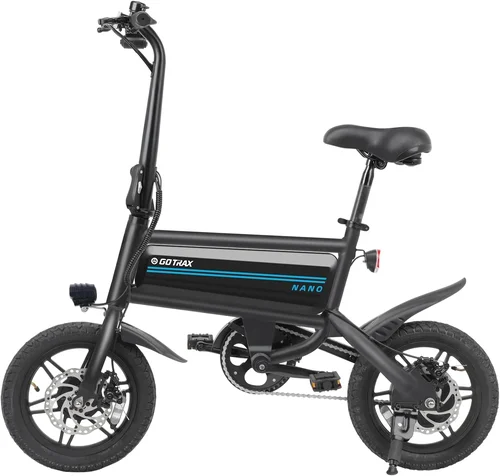
E-bikes have exploded in popularity over the past few years, transforming from niche urban curiosities into mainstream transportation solutions. Whether you’re commuting to work, running errands around town, or simply exploring your local trails, electric bikes offer a convenient, eco-friendly, and often more affordable alternative to cars and public transit. As we move deeper into 2026, the market for budget-friendly e-bikes under $1000 has matured significantly—offering better performance, smarter features, and improved reliability than ever before.
This comprehensive buying guide is designed specifically for savvy shoppers who want maximum value without breaking the bank. We’ve analyzed dozens of models, tested real-world performance, and consulted with industry experts to bring you everything you need to make an informed decision. You’ll learn how to evaluate key specs like motor power, battery range, and frame durability, understand the trade-offs between different e-bike types, avoid common pitfalls, and ultimately choose the best e-bike under $1000 that fits your lifestyle. Whether you’re a first-time buyer or upgrading from an older model, this guide will arm you with practical knowledge—not just marketing fluff.
The sub-$1000 e-bike segment has seen remarkable innovation. Brands like Rad Power Bikes, Aventon, Lectric, and Heybike now offer feature-rich models with lithium-ion batteries, pedal-assist systems, integrated lights, and even smartphone connectivity—all while keeping prices accessible. However, not all budget e-bikes are created equal. Some cut corners on build quality, others overpromise on range, and a few lack essential safety features. That’s why it’s crucial to look beyond flashy ads and focus on what truly matters: real-world usability, long-term reliability, and honest value. By the end of this guide, you’ll know exactly what to prioritize—and which models deliver on their promises.
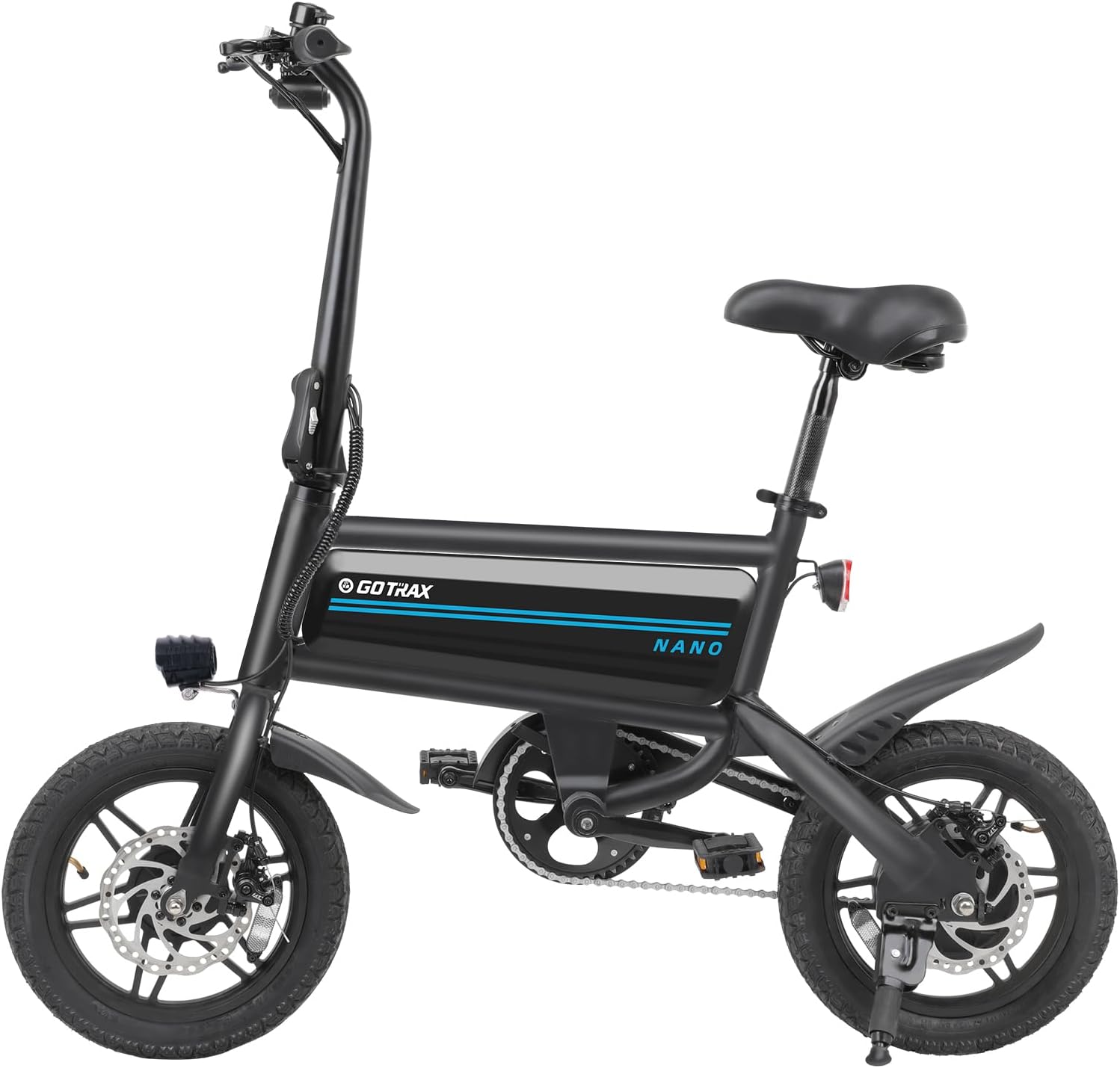
What to Look for When Buying an E-Bike Under $1000
1. Motor Power and Type
The motor is the heart of any e-bike, determining how well it handles hills, accelerates from stops, and maintains speed on varied terrain. Most budget e-bikes in this price range feature hub motors—either front or rear—rated between 250W and 750W. In the U.S., motors up to 750W are legal for Class 1 and Class 3 e-bikes (pedal-assist only), making them ideal for city commuting and light trail use.
Rear hub motors generally provide better traction and a more natural riding feel, especially on inclines, while front hub motors can feel slightly unbalanced but are often cheaper to produce. Avoid “peak wattage” claims—look instead for continuous wattage, which reflects real sustained power output. For example, a 500W continuous motor will outperform a 750W peak motor that can only sustain 350W. Also consider torque: higher torque (measured in Newton-meters) means quicker acceleration and better hill-climbing ability. Aim for at least 40Nm in this price tier.
2. Battery Capacity and Range
Battery capacity, measured in watt-hours (Wh), directly impacts how far you can ride on a single charge. Most sub-$1000 e-bikes come with lithium-ion batteries ranging from 360Wh to 672Wh. A 400Wh battery typically delivers 20–30 miles of range under moderate pedal assist, while a 600Wh+ battery can push 40–50 miles—depending on rider weight, terrain, assist level, and weather.
Always check if the battery is removable. Removable batteries make charging convenient (you can charge indoors while the bike stays outside) and allow for future upgrades or replacements. Also verify the charger type: fast chargers (2A or higher) reduce downtime significantly. Be wary of brands that advertise “up to 60 miles” without clarifying conditions—real-world range is often 30–40% lower than ideal lab tests.
3. Frame Material and Build Quality
The frame determines durability, weight, and ride comfort. In the under-$1000 category, most e-bikes use aluminum alloy frames—lightweight, rust-resistant, and strong enough for daily use. Avoid steel frames unless you prioritize ultra-heavy-duty use; they’re heavier and prone to corrosion over time.
Inspect weld quality, tube thickness, and overall fit-and-finish. A well-built frame should feel solid when you lift it, with no creaking or flexing. Look for internal cable routing (keeps wires protected and clean), reinforced dropouts (for secure wheel attachment), and proper weight distribution. Many budget models now include suspension forks or seatpost suspension—valuable for smoothing out rough roads, but ensure they’re not just cosmetic additions with minimal travel.
4. Braking System
Safety starts with reliable brakes. Mechanical disc brakes are common in this price range and offer decent stopping power, but hydraulic disc brakes—found on select models like the Aventon Level.2—provide superior modulation, consistency in wet conditions, and less hand fatigue. Rim brakes (V-brakes) are increasingly rare but still appear on ultra-budget models; avoid them if you ride frequently in rain or hilly areas.
Always test brake responsiveness before buying. A good e-bike should stop confidently from 20 mph within 15–20 feet. Also check brake lever feel: spongy levers may indicate air in the lines (on hydraulic systems) or worn pads. Some models include regenerative braking, but its impact on range is negligible—focus instead on mechanical reliability.
5. Display and Controls
The display is your command center—it shows speed, battery level, assist mode, and sometimes trip data. Basic LED displays are functional but limited; LCD screens offer clearer readability, backlighting, and more info. Look for intuitive button layouts and waterproof ratings (IP65 or higher).
Pedal-assist levels matter too. Most bikes offer 3–5 levels (Eco, Tour, Sport, etc.). More levels give finer control over energy use. Throttle functionality (twist-grip or thumb lever) is a bonus for quick starts or climbing steep curbs, but note that throttle-only riding drains the battery faster. Ensure the throttle responds smoothly without jerking.
6. Tires and Wheels
Tires affect grip, comfort, and puncture resistance. Wider tires (2.0″–2.4″) absorb bumps better and provide stability, especially on gravel or uneven pavement. Look for puncture-resistant layers (like Kevlar belts) and reflective sidewalls for nighttime visibility. Knobby treads are great for off-road use but add rolling resistance on pavement—choose based on your primary terrain.
Wheel size also plays a role. 26″ wheels are nimble and stable; 27.5″ and 29″ roll over obstacles more easily and maintain speed better. Most budget e-bikes use double-wall rims for added strength. Avoid single-wall rims—they’re more prone to bending under load.
7. Brand Reputation and Customer Support
Not all budget brands are equal. Established names like Rad Power Bikes, Aventon, and Lectric have proven track records, active user communities, and responsive customer service. Newer or lesser-known brands may offer tempting deals but often lack spare parts, repair networks, or warranty fulfillment.
Check online forums (Reddit’s r/ebikes, Facebook groups) for real user experiences. Look for brands that publish detailed spec sheets, offer transparent return policies, and provide video tutorials for maintenance. A strong community also means easier troubleshooting and modding options down the line.
8. Warranty and Return Policy
A good warranty signals confidence in product quality. Most reputable brands offer at least a 1-year comprehensive warranty covering motor, battery, and frame. Some extend to 2 years on key components. Battery warranties often cover capacity degradation (e.g., “70% capacity after 500 cycles”)—read the fine print.
Return windows vary: 14–30 days is standard. Ensure the policy covers return shipping costs and doesn’t require you to pay restocking fees. Test rides (in-store or via local dealers) are ideal, but if buying online, choose retailers with hassle-free returns like REI or Backcountry.
Different Types of E-Bikes Under $1000

Common Buying Mistakes to Avoid
❌ Mistake: Focusing Only on Price
Why it’s bad: The cheapest e-bike isn’t always the best value. Ultra-low-cost models often use inferior batteries, weak motors, or flimsy frames that fail within months. You may end up spending more on repairs or replacements than if you’d bought a slightly pricier, higher-quality model.
What to do instead: Set a realistic budget ($700–$1,000) and prioritize long-term reliability over upfront savings. Look for models with proven components and positive long-term reviews.
❌ Mistake: Ignoring Real-World Range Claims
Why it’s bad: Manufacturers often quote range under ideal conditions (flat terrain, low assist, lightweight rider). In reality, wind, hills, cargo, and cold weather can cut range by 30–50%.
What to do instead: Divide advertised range by 1.5 to estimate realistic mileage. If you need 25 miles, choose a bike rated for 40+ miles. Carry a spare battery or plan charging stops for longer trips.
❌ Mistake: Overlooking Local Laws and Class Ratings
Why it’s bad: E-bike regulations vary by state and country. Class 3 bikes (28 mph top speed) may be restricted on bike paths or require helmets. Throttle-only bikes might not be street-legal everywhere.
What to do instead: Confirm your local laws before buying. Stick to Class 1 (pedal-assist up to 20 mph) or Class 2 (throttle + pedal-assist up to 20 mph) for maximum accessibility.
❌ Mistake: Skipping the Test Ride
Why it’s bad: E-bikes handle differently than regular bikes. Weight distribution, motor responsiveness, and ergonomics affect comfort and control. What looks good on paper might feel awkward in practice.
What to do instead: Visit local dealers or attend e-bike demo events. If buying online, choose retailers with generous return policies and detailed sizing guides.
❌ Mistake: Neglecting Maintenance Needs
Why it’s bad: E-bikes require regular upkeep—brake adjustments, tire pressure checks, chain lubrication, and battery care. Ignoring maintenance shortens component life and risks safety.
What to do instead: Learn basic maintenance or find a local shop that services e-bikes. Budget $50–$100 annually for tune-ups and parts.
❌ Mistake: Buying Without Considering Storage
Why it’s bad: E-bikes are heavy (40–70 lbs). Storing one in a cramped apartment or carrying it upstairs can be impractical without proper planning.
What to do instead: Measure your storage space. Consider folding models or wall mounts. Ensure you can lift the bike safely—many riders underestimate the weight.
❌ Mistake: Falling for “Too Good to Be True” Deals
Why it’s bad: Scam sites and counterfeit brands sell fake e-bikes with non-functional motors or fire-prone batteries. These pose serious safety risks.
What to do instead: Buy only from authorized retailers or the brand’s official website. Verify SSL encryption, customer reviews, and return policies.
Budget Guidelines: How Much Should You Spend?
Entry-Level ($600–$750): At this tier, expect basic components: 36V–48V systems, 350W–500W motors, 360Wh–480Wh batteries, and mechanical disc brakes. Models like the Heybike Cityscape or Ancheer AN-EB003 offer decent value for light urban use but may lack refined ride quality or long-term durability. Ideal for occasional riders or those on tight budgets.
Mid-Range ($750–$900): This is the sweet spot for most buyers. You’ll find 500W–750W motors, 500Wh–672Wh batteries, hydraulic disc brakes (on select models), and better displays. Brands like Lectric XP 3.0 and Aventon Pace 500.3 deliver excellent performance, reliability, and features—making them perfect for daily commuting, weekend rides, and light cargo hauling.
Premium ($900–$1,000): Approaching the $1,000 mark unlocks near-mid-tier performance: torque sensors (for smoother pedal assist), integrated lighting, smartphone app connectivity, and premium finishes. The Rad Power Bikes RadCity 5 Plus (often on sale under $1,000) exemplifies this tier—offering a balanced mix of power, comfort, and utility.
Luxury ($1,000+): While outside our scope, it’s worth noting that spending just $100–$200 more can get you into high-end territory with carbon forks, advanced drivetrains, and smart features. If your needs justify the extra cost, consider stretching your budget slightly.
Expert Tips for Getting the Best Deal
- Buy during off-peak seasons: Demand drops in late summer and winter, leading to deeper discounts. Avoid spring and early summer when new models launch.
- Check manufacturer websites first: Brands often offer exclusive deals, free shipping, or bundled accessories (helmets, locks) not available through third-party retailers.
- Use price-tracking tools: Set alerts on Google Shopping, CamelCamelCamel (for Amazon), or Honey to catch price drops automatically.
- Consider certified refurbished models: Many brands sell returned or demo units at 20–30% off with full warranties. These are thoroughly tested and often indistinguishable from new.
- Negotiate with local dealers: Independent bike shops may match online prices or throw in free tune-ups to earn your business.
- Read the fine print on warranties: Some exclude batteries after 6 months or require registration within 30 days. Register immediately and keep receipts.
- Join loyalty programs: REI Co-op, Backcountry, and others offer member discounts, early access to sales, and points redeemable for future purchases.
- Test multiple models: Don’t settle for the first bike that fits your budget. Compare ride feel, ergonomics, and feature sets across 2–3 options.

Frequently Asked Questions
Q: Can I ride an e-bike in the rain?
A: Yes—most e-bikes under $1000 are rated IP65 or higher, meaning they resist water splashes from any direction. Avoid submerging the battery or motor, and dry the bike after wet rides to prevent corrosion. Use fenders to keep yourself clean.
Q: How long does the battery last before needing replacement?
A: Quality lithium-ion batteries typically last 500–1,000 charge cycles, equating to 2–4 years of daily use. Capacity gradually declines; when range drops below 70% of original, consider replacement. Proper storage (keep at 30–60% charge in cool, dry places) extends lifespan.
Q: Do I need a license or insurance to ride an e-bike?
A: In most U.S. states, no license or insurance is required for Class 1 and Class 2 e-bikes. However, some cities or trails may have specific rules. Always check local regulations.
Q: Can I pedal an e-bike if the battery dies?
A: Absolutely. E-bikes function like regular bikes when unpowered, though they’re heavier. Most have gear systems that make pedaling manageable even without assist.
Q: Are e-bikes safe for seniors or people with joint issues?
A: Yes—step-through frames, low step-over heights, and pedal assist reduce strain on knees and hips. Many seniors find e-bikes restore their ability to ride comfortably. Choose models with upright geometry and suspension for added comfort.
Q: How much maintenance do e-bikes require?
A: Similar to regular bikes: monthly chain lubrication, tire pressure checks, brake inspections, and occasional gear adjustments. Battery care (avoid extreme temps, don’t drain fully) is also important. Annual professional tune-ups are recommended.
Q: Can I carry groceries or a child on a budget e-bike?
A: Many models include rear racks (rated for 25–50 lbs). For children, add a compatible rear seat (check weight limits). Avoid overloading—it affects handling and brake performance.
Q: What’s the difference between pedal-assist and throttle?
A: Pedal-assist (PAS) provides power only when you pedal, offering smoother, more efficient rides. Throttle lets you ride without pedaling, useful for quick starts or hills, but drains the battery faster. Most budget e-bikes include both.
Q: Are there financing options for e-bikes under $1000?
A: Yes—brands like Rad Power Bikes and Aventon offer 0% APR financing through Affirm or Klarna, spreading payments over 6–12 months with no credit check.
Q: How do I secure my e-bike against theft?
A: Invest in a high-quality U-lock (Kryptonite, Abus) and always lock the frame and rear wheel to a fixed object. Remove the battery when parked in high-risk areas. Consider GPS trackers like Apple AirTag hidden in the frame.
Our Final Recommendations
Best for Budget-Conscious Buyers: Lectric XP 3.0 ($899) – Packs a 500W motor, 652Wh removable battery, fat tires, and hydraulic disc brakes into a folding frame. Exceptional value with minimal compromises.
Best Overall Value: Aventon Pace 500.3 ($999) – Smooth torque sensor, 672Wh battery, integrated lights, and a comfortable step-through design. Ideal for commuters who want refinement without overspending.
Best Premium Option (Under $1,000): Rad Power Bikes RadCity 5 Plus (frequently on sale for $999) – 750W motor, 672Wh battery, hydraulic brakes, and a robust rear rack. Built for daily utility and long-term reliability.
Best for Beginners: Heybike Cityscape ($649) – Simple controls, step-through frame, and reliable 500W motor. Great entry point for new riders prioritizing ease of use and affordability.
Best for Advanced Users: Emojo Caddy 300 ($999) – Fat tires, 750W motor, and aggressive styling for off-road enthusiasts. Handles trails and sand with confidence, though less refined for city use.
Conclusion: Making the Right Choice
Choosing the right e-bike under $1000 doesn’t have to be overwhelming. By focusing on core factors—motor performance, battery capacity, build quality, and brand support—you can find a model that delivers years of reliable, enjoyable riding. Remember, the “best” bike is the one that matches your specific needs: whether that’s commuting efficiency, weekend adventure capability, or ease of use for older riders.
Don’t let the abundance of options paralyze you. Use this guide as your roadmap: prioritize your must-have features, avoid common pitfalls, and take advantage of seasonal deals. And most importantly, test ride whenever possible—because no spec sheet can replace the feeling of cruising effortlessly down your favorite street with the wind in your hair.
The e-bike revolution is here, and it’s more accessible than ever. With the right knowledge and a clear sense of your priorities, you’ll soon be enjoying the freedom, fitness, and fun that only an electric bike can provide. Happy riding!