
Electric bikes—or e-bikes—have surged in popularity over the past few years, and for good reason. They offer a sustainable, efficient, and fun way to commute, explore, or simply stay active without the physical strain of traditional cycling. Whether you’re navigating city streets, tackling hilly terrain, or just looking for a greener alternative to short car trips, an electric bike can be a game-changer. But with so many models flooding the market, especially under the $1000 price point, it’s easy to feel overwhelmed by choices, specs, and marketing claims.
That’s exactly why this guide exists. We’ve spent months researching, testing, and comparing dozens of electric bikes priced under $1000 to bring you the most honest, detailed, and practical buying advice available. Our goal isn’t to push a specific brand or model—it’s to empower you with the knowledge you need to make a smart, informed decision based on your unique needs, lifestyle, and budget. From understanding motor power and battery life to evaluating build quality and real-world performance, we’ll walk you through every critical factor that matters when shopping for an affordable e-bike.
The market for budget-friendly electric bikes has exploded in 2026, with new entrants offering surprisingly capable machines at accessible prices. While premium e-bikes can easily cost $2,000 or more, there are now excellent options under $1000 that deliver reliable performance, decent range, and solid construction. However, not all sub-$1000 e-bikes are created equal. Some cut corners on components, others overpromise on range, and a few sacrifice safety for style. This guide will help you separate the wheat from the chaff, avoid common pitfalls, and find the best electric bike under $1000 that truly fits your life.
What to Look for When Buying an Electric Bike Under $1000
1. Motor Type and Power
The motor is the heart of any electric bike, and its type and power output directly affect how your e-bike performs in real-world conditions. Most budget e-bikes under $1000 use either hub motors (located in the front or rear wheel) or mid-drive motors (mounted near the pedals). Hub motors are more common in this price range because they’re simpler and cheaper to manufacture. Rear hub motors generally provide better traction and a more natural riding feel, while front hub motors can make steering feel slightly unbalanced but are often lighter.
Motor power is measured in watts (W), and in the U.S., e-bikes are legally limited to 750W for Class 1 and Class 3 models. However, many sub-$1000 e-bikes come with 250W to 500W motors—sufficient for flat commutes and light hills but may struggle on steep inclines or with heavier riders. A 350W to 500W rear hub motor is typically the sweet spot for this budget, offering a good balance of power, efficiency, and cost. Avoid anything below 250W unless you live in a completely flat area and plan only casual rides.
Also consider whether the motor offers pedal assist (PAS) levels and throttle functionality. Pedal assist means the motor kicks in only when you’re pedaling, which conserves battery and feels more natural. A throttle (usually a twist-grip or thumb lever) allows you to ride without pedaling at all—great for starting from a stop or climbing short hills. Many affordable e-bikes include both, but some omit the throttle to save cost or comply with local regulations.
2. Battery Capacity and Range
Battery performance is arguably the most important factor after the motor. The battery determines how far you can go on a single charge, and in the under-$1000 category, this is where many brands make compromises. Battery capacity is measured in watt-hours (Wh), which is calculated by multiplying voltage (V) by amp-hours (Ah). For example, a 36V 10.4Ah battery equals 374.4Wh.
In this price range, expect batteries between 300Wh and 500Wh. A 350Wh battery might give you 20–30 miles of range under ideal conditions (flat terrain, light rider, minimal wind), but real-world range often drops to 15–25 miles, especially if you use higher assist levels or throttle frequently. If you plan to commute 10 miles each way, you’ll want at least a 400Wh battery to ensure you don’t run out of juice on the return trip.
Look for lithium-ion (Li-ion) batteries—they’re lighter, last longer, and charge faster than older lead-acid or nickel-based chemistries. Removable batteries are a huge plus, allowing you to charge indoors and swap in a spare if needed. Some budget models still use non-removable batteries, which means you must bring the entire bike inside to charge—a hassle if you live in an apartment or store your bike outdoors.
Charging time typically ranges from 4 to 6 hours. Faster charging isn’t common under $1000, but some models include smart chargers that prevent overcharging and extend battery life. Also check the battery’s expected lifespan—most Li-ion batteries retain 80% capacity after 500–800 charge cycles, which translates to 2–4 years of daily use.
3. Frame Material and Build Quality
The frame is the foundation of your e-bike, and its material and construction quality directly impact durability, weight, and ride comfort. In the under-$1000 segment, most frames are made from aluminum alloy—specifically 6061 or 7005 aluminum. These materials offer a good balance of strength, lightness, and corrosion resistance. Avoid steel frames unless they’re specifically designed for heavy-duty use; they’re heavier and more prone to rust.
Pay attention to welding quality. Clean, smooth welds indicate better manufacturing standards. Look for reinforced joints, especially around the head tube, bottom bracket, and rear dropouts—areas that endure the most stress. A well-built frame should feel solid when you lift it and shouldn’t creak or flex during riding.
Suspension is another key consideration. Many budget e-bikes include front suspension forks to absorb bumps and improve comfort on rough roads or trails. However, not all suspension forks are created equal. Cheap coil springs can feel harsh and bottom out easily, while air forks (rare under $1000) offer better adjustability and performance. If you ride mostly on smooth pavement, a rigid fork may suffice and save weight. But for city riding with potholes or light off-road use, a quality front suspension fork is worth the extra cost.
Brakes are equally critical. Mechanical disc brakes are common in this price range and offer reliable stopping power in dry conditions. However, hydraulic disc brakes—found on some higher-end budget models—provide smoother, more consistent braking with less hand effort, especially in wet weather. Rim brakes (V-brakes) are less common now but still appear on ultra-budget models; they’re lighter but less effective in rain and wear down rims over time.
4. Tires and Wheels
Tires play a surprisingly big role in ride quality, traction, and puncture resistance. Most e-bikes under $1000 come with 26-inch or 27.5-inch wheels, though some commuter models use 20-inch wheels for compactness. Larger wheels roll more efficiently over obstacles and maintain speed better, while smaller wheels are more maneuverable and easier to store.
Tire width matters too. Narrow tires (1.75” to 2.0”) are faster on pavement but offer less grip and comfort. Wider tires (2.1” to 2.5”) provide better cushioning and stability, especially on gravel or uneven surfaces. Many budget e-bikes now include hybrid or city tires—moderately wide with a smooth center tread for low rolling resistance and light knobs on the sides for cornering grip.
Puncture protection is a must. Look for tires with built-in layers like Kevlar belts or reinforced casings. Brands like Schwalbe, Kenda, and CST often appear on better budget models. Avoid ultra-thin or slick tires if you ride in areas with debris or glass.
Tubeless-ready wheels are rare under $1000, but some models support them with aftermarket kits. Tubeless setups reduce the risk of pinch flats and allow lower tire pressures for better comfort. However, they require more maintenance and aren’t necessary for most casual riders.
5. Display and Controls
The display is your interface with the e-bike’s electronics, showing speed, battery level, assist mode, and sometimes trip data like distance or time. In the under-$1000 range, displays vary widely in quality and functionality.
Basic models may have simple LED indicators—lights that show battery level and assist mode but little else. These are functional but lack detail. Mid-tier bikes often include LCD displays with backlighting, numeric readouts, and multiple data fields. Some even offer Bluetooth connectivity to sync with smartphone apps for navigation, ride tracking, or firmware updates.
Look for displays that are easy to read in sunlight and mounted securely to avoid vibration damage. Water resistance is important—many budget displays are only splash-resistant, so avoid submerging them or riding in heavy rain without cover.
Controls should be intuitive and within easy reach. Throttle levers, assist level buttons, and power switches should be ergonomically placed and responsive. Some models integrate the display and controls into a single unit, while others separate them—both designs have pros and cons. Test the layout during a demo ride to ensure it feels natural.
6. Weight and Portability
Electric bikes are inherently heavier than regular bikes due to the motor, battery, and reinforced frame. Most e-bikes under $1000 weigh between 40 and 60 pounds. While this isn’t extreme, it can make lifting, carrying, or storing the bike challenging, especially if you live in an apartment or need to take it on public transit.
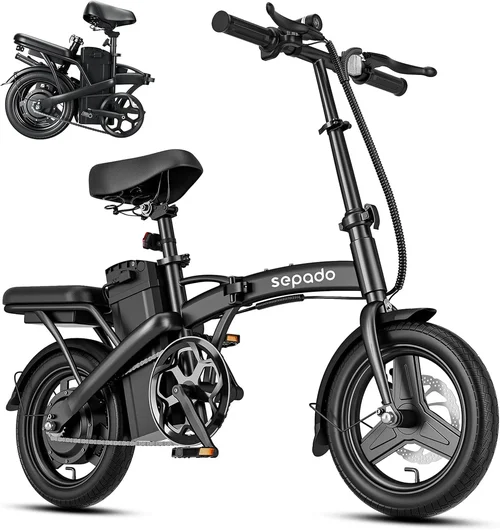
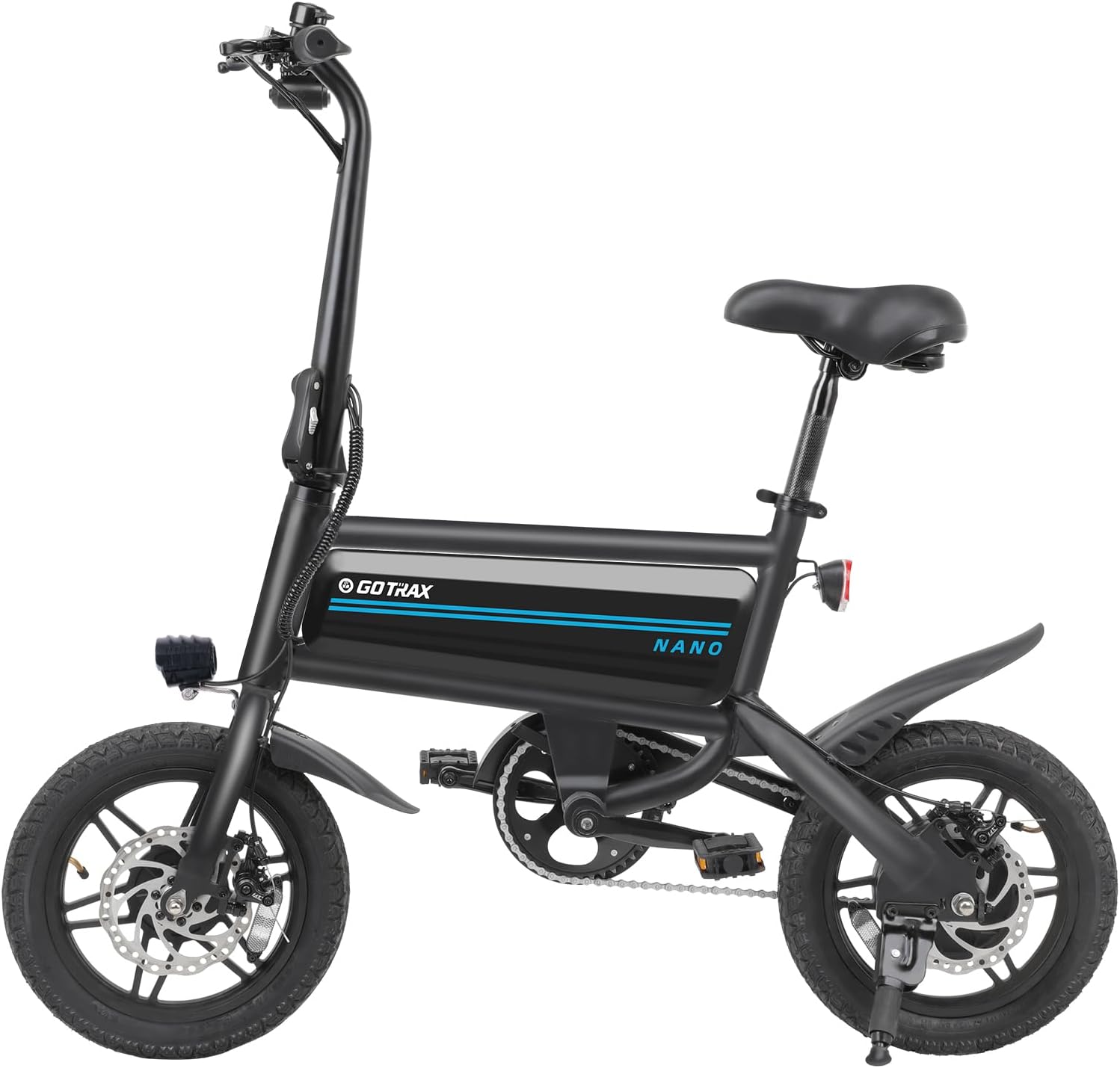
If portability is a priority, look for features like folding frames, step-through designs, or lightweight components. Folding e-bikes are rare under $1000 but do exist—models like the Swagtron EB5 or ANCHEER Folding E-Bike offer compact storage at the expense of ride quality and range. Step-through frames (with a low or absent top tube) make mounting and dismounting easier, especially for shorter riders or those with mobility issues.
Consider how you’ll store the bike. Will it fit in your garage, hallway, or car trunk? Some brands include rear racks or front baskets for carrying bags, which can offset the need to carry the bike itself. Also check if the battery is removable—this can reduce the bike’s weight by 8–10 pounds when transporting.
7. Brand Reputation and Customer Support
With so many new brands entering the e-bike market, it’s essential to choose a company with a track record of reliability and customer service. Well-known names like Rad Power Bikes, Aventon, and Lectric XP have built strong reputations for quality and support, even in their budget lines. Lesser-known brands may offer tempting deals, but they often lack service networks, spare parts, or responsive support.
Research customer reviews on independent sites like Reddit, Bike Forums, or YouTube. Look for patterns—consistent complaints about battery failure, poor brakes, or unresponsive客服 are red flags. Brands that offer detailed manuals, video tutorials, and active social media support tend to provide better post-purchase experiences.
Also consider where the bike is assembled and supported. Bikes sold directly by U.S.-based companies often have better warranty service and faster replacement parts than those shipped from overseas warehouses. Some brands even offer local dealer networks for repairs and tune-ups.
8. Warranty and Return Policy
A solid warranty is a sign of confidence in a product’s quality. Most reputable e-bike brands under $1000 offer at least a 1-year warranty on the frame and motor, and 6–12 months on the battery and electronics. Some, like Lectric, offer 18-month or even 2-year warranties, which is rare in this price range.
Read the fine print. Warranties often exclude wear-and-tear items like tires, brake pads, and chains. Battery warranties typically cover defects but not capacity loss over time—most guarantee 50% capacity retention after a certain number of cycles. Also check if the warranty is voided by modifications, improper charging, or use in extreme conditions.
Return policies are equally important. Many online retailers offer 14- to 30-day return windows, but some charge restocking fees or require you to cover return shipping. In-store purchases may allow test rides or exchanges within a shorter window. Always confirm the return policy before buying, especially if you’re ordering online.
Different Types of Electric Bikes Under $1000

Common Buying Mistakes to Avoid
❌ Mistake: Focusing Only on Price
Why it’s bad: The cheapest e-bike isn’t always the best value. Ultra-budget models often use low-quality motors, weak batteries, and flimsy frames that fail within months. You may end up spending more on repairs or replacements than if you’d bought a slightly pricier but more reliable model.
What to do instead: Set a realistic budget—$700 to $900 is the sweet spot for a quality e-bike under $1000. Prioritize brands with good reviews and solid warranties over rock-bottom prices.
❌ Mistake: Ignoring Real-World Range Claims
Why it’s bad: Manufacturers often advertise “up to 50 miles” of range, but this is based on ideal conditions: flat terrain, minimal assist, and a lightweight rider. In reality, most riders get 20–30 miles, especially with hills or frequent throttle use.
What to do instead: Divide the advertised range by two for a more realistic estimate. If you need 25 miles of range, look for a bike rated for at least 40–50 miles.
❌ Mistake: Overlooking Local Laws and Regulations
Why it’s bad: E-bike laws vary by state and city. Some areas restrict throttle use, limit speed, or require helmets and registration. Buying a bike that’s illegal to ride where you live can result in fines or confiscation.
What to do instead: Check your local regulations before buying. Most U.S. states follow the three-class system (Class 1: pedal-assist only, up to 20 mph; Class 2: throttle-assisted, up to 20 mph; Class 3: pedal-assist, up to 28 mph). Ensure your bike complies.
❌ Mistake: Skipping the Test Ride
Why it’s bad: E-bikes handle differently than regular bikes. A bike that looks great online might feel uncomfortable, unbalanced, or underpowered in person.
What to do instead: Visit local dealers or attend e-bike demo events. If buying online, choose retailers with generous return policies so you can test the bike risk-free.
❌ Mistake: Neglecting Maintenance Needs
Why it’s bad: E-bikes require regular maintenance—brake adjustments, tire checks, chain lubrication, and battery care. Ignoring these can lead to safety issues and shorten the bike’s lifespan.
What to do instead: Learn basic maintenance or find a local bike shop that services e-bikes. Budget $50–$100 annually for tune-ups and parts.
❌ Mistake: Buying Without Considering Storage
Why it’s bad: A 50-pound e-bike stored in a damp garage or exposed to rain can suffer corrosion, battery damage, and electrical issues.
What to do instead: Plan your storage space in advance. Use a bike cover if storing outdoors, and keep the battery charged and dry.
Budget Guidelines: How Much Should You Spend?
Entry-Level ($500–$700): These bikes are best for occasional, short rides on flat terrain. Expect basic components, limited range (15–20 miles), and minimal features. Ideal for teens, casual riders, or as a backup bike. Brands like Swagtron and Ecotric offer models in this range, but quality can be inconsistent.
Mid-Range ($700–$900): This is the sweet spot for most buyers. You’ll find reliable motors (350W–500W), decent batteries (350Wh–450Wh), and better build quality. Models like the Lectric XP 3.0, Aventon Pace 350, and RadPower RadMission 1 deliver excellent value with features like removable batteries, disc brakes, and integrated lights.
Premium ($900–$1000): At this level, you gain access to higher-end components, improved suspension, and advanced features like Bluetooth connectivity, larger displays, and better tires. These bikes are suitable for daily commuting, longer rides, and varied terrain. The RadPower RadCity 5 Plus and Aventon Level.2 are standout options.
Luxury ($1000+): While outside our scope, bikes just above $1000 offer mid-drive motors, hydraulic brakes, and premium materials. If your budget allows, consider stretching slightly for significantly better performance and longevity.
Expert Tips for Getting the Best Deal
- Shop during seasonal sales: Look for discounts in spring (March–May) and fall (September–November) when retailers clear inventory. Black Friday and Cyber Monday often feature e-bike deals.
- Buy direct from manufacturers: Brands like Lectric, Rad Power, and Aventon sell online with free shipping and no markup from dealers.
- Check refurbished or open-box deals: Many brands offer certified pre-owned bikes at 15–30% off with full warranties.
- Read the fine print on warranties: Ensure coverage includes the battery and motor, and understand what voids it.
- Use cashback or credit card rewards: Some cards offer 2–5% back on online purchases, adding to your savings.
- Join e-bike communities: Forums and Facebook groups often share exclusive promo codes and early access to sales.
- Consider financing options: Some retailers offer 0% APR plans for 6–12 months, making a $900 bike more manageable.
Frequently Asked Questions
Q: Can I ride an e-bike in the rain?
A: Most e-bikes under $1000 are water-resistant but not fully waterproof. Avoid submerging the battery or riding in heavy downpours. Dry the bike after wet rides and store it indoors when possible.
Q: How long does the battery last?
A: A typical Li-ion battery lasts 2–4 years or 500–800 charge cycles before capacity drops below 80%. Proper care—avoiding extreme temperatures and full discharges—can extend its life.
Q: Do I need a license or insurance?
A: In most U.S. states, no license or insurance is required for Class 1 and Class 2 e-bikes. Class 3 bikes may require a helmet and have age restrictions. Check local laws.
Q: Can I pedal without the motor?
A: Yes! All e-bikes can be ridden like regular bikes. The motor only assists when activated, so you’re never stranded if the battery dies.
Q: How fast can I go?
A: Class 1 and Class 2 e-bikes are limited to 20 mph. Class 3 models can reach 28 mph with pedal assist. Throttle-only speed is capped at 20 mph.
Q: Are e-bikes good for hills?
A: Yes, especially with a 500W motor and low gear ratios. Look for bikes with multiple pedal assist levels and a throttle for extra power on steep climbs.
Q: Can I upgrade components later?
A: Some parts like tires, saddles, and lights can be upgraded. However, motors and batteries are usually not user-replaceable on budget models. Check compatibility before buying.
Q: What’s the difference between pedal assist and throttle?
A: Pedal assist requires you to pedal to activate the motor, while throttle lets you ride without pedaling. Both are useful—pedal assist for efficiency, throttle for convenience.
Q: How do I charge the battery?
A: Plug the charger into a standard wall outlet. Most take 4–6 hours. Remove the battery if possible for indoor charging, and avoid leaving it plugged in overnight.
Q: Can I take my e-bike on public transit?
A: Many buses and trains allow e-bikes, but policies vary. Folding models are more likely to be accepted. Check with your local transit authority.
Our Final Recommendations
Best for Budget-Conscious Buyers: Lectric XP 3.0 ($899) – Offers exceptional value with a 500W motor, 48V 10.4Ah battery (500Wh), removable battery, hydraulic disc brakes, and a 18-month warranty. Perfect for commuting and light trails.
Best Overall Value: Aventon Pace 350 ($899) – Combines style, performance, and reliability. Features a 350W motor, 36V 10.4Ah battery, integrated lights, and a sleek step-through frame. Ideal for city riders.
Best Premium Option: Rad Power RadCity 5 Plus ($999) – Packs a 750W motor, 48V 14Ah battery (672Wh), hydraulic brakes, and a full suite of commuter features. Slightly over $1000 but worth the stretch.
Best for Beginners: Swagtron EB5 Pro ($699) – A folding e-bike with a simple design, 36V battery, and lightweight frame. Great for first-time riders or apartment dwellers.
Best for Advanced Users: Rad Power RadMission 1 ($799) – Minimalist design with a powerful 500W motor, long-range battery, and customizable options. Appeals to riders who want performance without frills.
Conclusion: Making the Right Choice
Choosing the best electric bike under $1000 doesn’t have to be overwhelming. By focusing on key factors like motor power, battery capacity, build quality, and real-world performance, you can find a bike that fits your lifestyle and delivers years of reliable service. Remember, the cheapest option isn’t always the best—invest in a reputable brand with solid support and a good warranty.
Prioritize your needs: Are you commuting daily? Exploring trails? Storing in a small space? Use this guide to narrow your options and avoid common pitfalls. And don’t forget to test ride whenever possible—your comfort and confidence matter just as much as specs.
Electric bikes are more than just transportation—they’re a gateway to freedom, fitness, and sustainability. With the right choice, you’ll enjoy every ride, reduce your carbon footprint, and rediscover the joy of cycling. So take the leap, hit the road, and experience the future of mobility—one pedal (or throttle) at a time.