
Electric bikes have revolutionized personal transportation, offering a sustainable, efficient, and fun way to commute, explore, or simply stay active. As we move into 2026, the market for budget electric bikes has never been more competitive—or more accessible. With advancements in battery technology, motor efficiency, and smart features, high-quality e-bikes are now available at prices that won’t break the bank. Whether you’re navigating city streets, tackling hilly commutes, or enjoying weekend trail rides, there’s a budget e-bike designed to meet your needs without sacrificing performance or reliability.
This comprehensive buyer’s guide is crafted for anyone looking to make an informed decision when purchasing a budget electric bike in 2026. We’ll walk you through the essential factors to consider, from motor power and battery life to build quality and warranty coverage. You’ll learn how to avoid common pitfalls, understand what different price tiers offer, and discover expert tips to get the best value for your money. Our goal isn’t just to help you find the cheapest option—it’s to help you find the right bike that delivers long-term satisfaction, safety, and performance within your budget.
The electric bike market has evolved rapidly over the past few years. Once considered niche or overly expensive, e-bikes are now mainstream, with models available for under $1,000 that still offer impressive range, solid construction, and modern features like pedal assist, LCD displays, and smartphone integration. In 2026, manufacturers are focusing on affordability without compromise, leveraging economies of scale and improved supply chains to bring high-value options to everyday riders. This guide cuts through the noise, offering clear, actionable advice based on real-world testing, user feedback, and industry trends. Whether you’re a first-time buyer or upgrading from an older model, you’ll finish reading with the confidence to choose a bike that fits your lifestyle and budget.

What to Look for When Buying a Budget Electric Bike
1. Budget & Price Range
Setting a realistic budget is the first and most critical step in your e-bike search. In 2026, budget electric bikes typically range from $600 to $1,500, with the sweet spot for most buyers falling between $800 and $1,200. At this price point, you can expect reliable components, decent battery life, and solid build quality—enough for daily commuting, light off-road use, or recreational riding.
It’s important to understand what you’re paying for. Cheaper models under $700 may use lower-capacity batteries, weaker motors, or less durable frames, which can lead to shorter lifespans and more frequent repairs. On the other hand, spending closer to $1,500 often gets you upgraded motors (like 500W or higher), better suspension, hydraulic disc brakes, and longer-range batteries (500Wh+). Avoid the temptation to go for the absolute lowest price—instead, aim for the best value within your range.
Consider your usage: if you plan to ride daily in hilly areas or carry heavy loads, investing a bit more upfront can save you money in the long run by reducing wear and tear. Also, factor in potential add-ons like racks, lights, or upgraded locks, which can add $50–$150 to your total cost.
2. Motor Power & Type
The motor is the heart of any electric bike, and its power and placement significantly affect performance. Most budget e-bikes in 2026 feature hub motors (located in the front or rear wheel) or mid-drive motors (mounted near the pedals). Hub motors are more common in budget models due to their simplicity and lower cost, while mid-drive motors offer better weight distribution and efficiency but are typically found in higher-end bikes.
Motor power is measured in watts (W), with most budget e-bikes ranging from 250W to 750W. A 250W motor is sufficient for flat terrain and light assistance, ideal for city commuting. For hilly areas or heavier riders, a 500W or 750W motor provides better torque and climbing ability. Note that in the U.S., e-bikes are legally limited to 750W for Class 3 models, so staying within this range ensures compliance and avoids registration issues.
Also consider pedal assist levels. Most budget e-bikes offer 3–5 levels of assistance, allowing you to control how much power the motor provides. Look for smooth, responsive power delivery—some cheaper models have lag or jerky acceleration, which can be unsafe or uncomfortable. Test rides are invaluable here; if possible, try the bike on a hill to see how it performs under load.
3. Battery Capacity & Range
Battery capacity, measured in watt-hours (Wh), directly impacts how far you can ride on a single charge. In 2026, budget e-bikes typically come with batteries ranging from 360Wh to 624Wh. A 400Wh battery might give you 25–35 miles of range in eco mode, while a 600Wh+ battery can extend that to 40–60 miles, depending on terrain, rider weight, and assist level.
Look for removable batteries—this allows you to charge the battery indoors while the bike stays outside, and it makes replacement easier down the line. Lithium-ion (Li-ion) batteries are standard and offer good energy density and longevity. Avoid lead-acid or older NiMH batteries, which are heavier and degrade faster.
Charging time is another factor. Most budget e-bikes take 4–6 hours to fully charge. Some models now include fast-charging options (2–3 hours), which is a nice bonus if you’re frequently on the go. Also, check the battery’s warranty—many brands offer 1–2 years of coverage, which is a good indicator of expected lifespan.
4. Build Quality & Durability
A budget e-bike doesn’t have to feel cheap—but it’s crucial to assess the materials and construction. Most budget models use aluminum alloy frames, which are lightweight, rust-resistant, and strong enough for daily use. Avoid steel frames unless you’re looking for a heavy-duty cargo bike, as they add significant weight.
Check the welds on the frame—clean, even welds indicate better manufacturing quality. Also, inspect the fork: suspension forks improve comfort on rough roads, but many budget bikes use rigid forks to cut costs. If you ride on bumpy terrain, consider a model with front suspension, even if it’s basic.
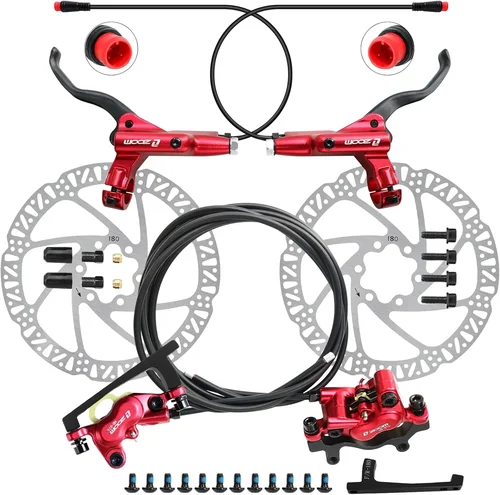
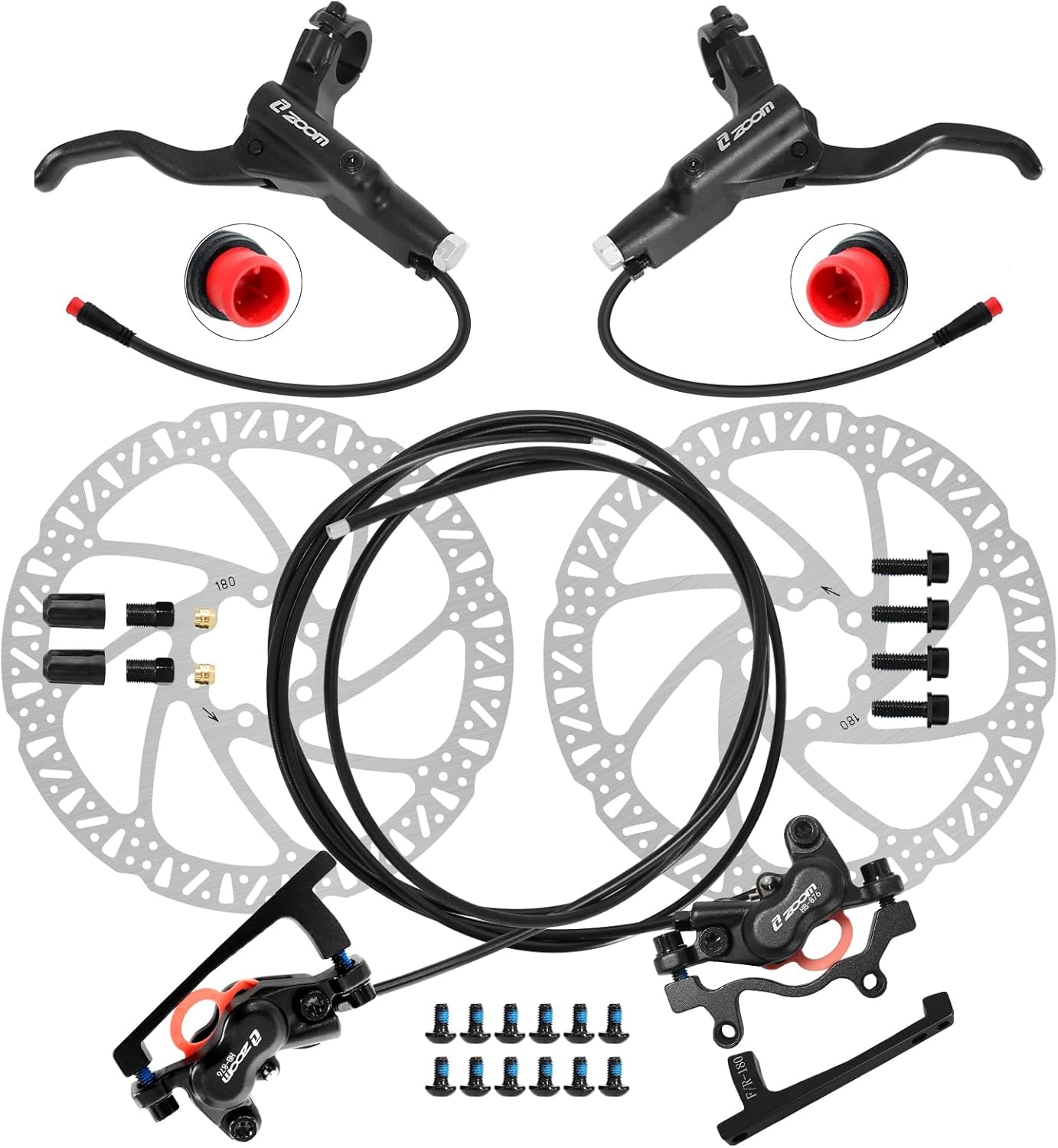
Components like brakes, gears, and tires also affect durability. Mechanical disc brakes are common in budget e-bikes and offer reliable stopping power, but hydraulic brakes (found in mid-range models) provide smoother, more consistent performance. For gears, 7-speed Shimano Tourney or Altus drivetrains are standard and sufficient for most riders. Tires should be at least 2.0 inches wide for stability and puncture resistance—look for models with Kevlar belts or reinforced casings.
5. Features & Functionality
Modern budget e-bikes come packed with features that enhance convenience and safety. Key features to look for include:
- LCD Display: Shows speed, battery level, assist mode, and sometimes trip distance. A backlit screen is helpful for night riding.
- Pedal Assist & Throttle: Most budget e-bikes offer both. Pedal assist requires pedaling, while a throttle lets you ride without pedaling—great for starting from a stop or climbing steep hills.
- Integrated Lights: Front and rear LED lights powered by the main battery improve visibility and safety. Some models even have brake-activated rear lights.
- Smart Connectivity: A growing number of budget e-bikes now support Bluetooth and companion apps for tracking rides, adjusting settings, or locking the bike remotely.
- Fenders & Racks: Useful for commuting or carrying groceries. Some models include them standard; others sell them as accessories.
While these features add value, avoid overpaying for gimmicks. For example, a color touchscreen might look impressive, but if it drains the battery or fails in cold weather, it’s not worth the extra cost. Focus on functionality that matches your riding habits.
6. Brand Reputation & Customer Support
Not all budget e-bike brands are created equal. Established brands like Rad Power Bikes, Aventon, Lectric, and Heybike have built strong reputations for reliability, customer service, and parts availability. These companies often offer better warranties, clearer documentation, and responsive support teams.
Research online reviews on platforms like Reddit, YouTube, and specialized e-bike forums. Look for patterns—consistent complaints about battery life, motor failures, or poor assembly are red flags. Also, check if the brand has local service centers or partnerships with bike shops, which can make repairs and maintenance easier.
Avoid no-name brands sold exclusively through third-party marketplaces unless they have verified customer feedback and a clear return policy. Some ultra-cheap models are assembled with low-quality parts and lack proper certifications (like UL 2849 for electrical safety), which can pose fire or safety risks.
7. Warranty & Support
A solid warranty is a strong indicator of a manufacturer’s confidence in their product. In 2026, most reputable budget e-bike brands offer at least a 1-year warranty on the frame, motor, and battery. Some, like Rad Power Bikes, extend this to 2 years, which is excellent for the price range.
Read the fine print: some warranties only cover manufacturing defects, not wear and tear or user damage. Also, check if the battery has a separate warranty—many offer 1 year, with capacity degradation (e.g., below 70% after 500 cycles) as a covered issue.
Customer support matters too. Can you reach someone by phone or chat? Do they offer troubleshooting guides or video tutorials? Brands with active communities and responsive support teams make ownership much smoother, especially for first-time e-bike users.
8. Size & Portability
E-bikes are heavier than traditional bikes—most budget models weigh between 45 and 65 pounds. This affects portability, especially if you need to carry the bike upstairs or store it in a small apartment. Look for step-through frames if you have mobility concerns or prefer easier mounting.
Some budget e-bikes are foldable, like the Lectric XP series, which can be a game-changer for commuters who combine biking with public transit. Folding models are typically heavier due to reinforced hinges, but they offer unmatched convenience for storage and transport.
Frame size is also important. Most brands offer S, M, and L sizes based on rider height. A poorly sized bike can lead to discomfort or injury. Check the manufacturer’s size chart and, if possible, test ride the bike to ensure a comfortable fit.
Different Types of Budget Electric Bikes
Common Buying Mistakes to Avoid
❌ Mistake: Focusing Only on Price
Why it’s bad: The cheapest e-bike isn’t always the best value. Ultra-low-cost models often cut corners on safety, battery quality, and durability, leading to higher long-term costs due to repairs or early replacement.
What to do instead: Set a budget range and prioritize value over absolute low cost. Look for bikes that offer the best combination of features, build quality, and warranty within your price bracket.
❌ Mistake: Ignoring Battery Range
Why it’s bad: A bike with insufficient range can leave you stranded or force you to pedal without assistance, defeating the purpose of an e-bike.
What to do instead: Calculate your typical ride distance and choose a bike with at least 20–30% more range than needed. Consider terrain, rider weight, and weather conditions when estimating real-world range.
❌ Mistake: Overlooking Test Rides
Why it’s bad: E-bikes feel different from regular bikes. Without a test ride, you might end up with a bike that’s uncomfortable, too heavy, or poorly balanced.
What to do instead: Visit local bike shops or attend e-bike demo events. If buying online, choose retailers with generous return policies (30 days or more) so you can test the bike at home.
❌ Mistake: Neglecting Warranty and Support
Why it’s bad: E-bikes have complex electrical systems. Without proper warranty coverage, a single motor or battery failure could cost hundreds to repair.
What to do instead: Choose brands with at least a 1-year comprehensive warranty and responsive customer support. Read reviews about post-purchase service experiences.
❌ Mistake: Buying Based on Looks Alone
Why it’s bad: A stylish design doesn’t guarantee performance or reliability. Some flashy models use outdated components or lack essential safety features.
What to do instead: Prioritize function over form. A well-built, practical bike will serve you better than a trendy one that breaks down frequently.
❌ Mistake: Forgetting About Maintenance
Why it’s bad: E-bikes require regular maintenance like tire checks, brake adjustments, and battery care. Ignoring this can shorten the bike’s lifespan.
What to do instead: Learn basic maintenance or find a local shop that services e-bikes. Factor in annual tune-up costs (around $100–$150) when budgeting.
❌ Mistake: Not Checking Local Laws
Why it’s bad: E-bike regulations vary by state and city. Some areas restrict speed, motor power, or where you can ride.
What to do instead: Research your local laws before buying. Ensure your bike complies with Class 1, 2, or 3 classifications and any helmet or licensing requirements.
Budget Guidelines: How Much Should You Spend?
Understanding what different price tiers offer helps you make a smarter investment. Here’s a breakdown of budget e-bike categories in 2026:
- Entry-Level ($600–$800): These bikes are ideal for casual riders or those on a tight budget. Expect basic components, 250W–350W motors, 360Wh–400Wh batteries, and limited features. Range is typically 20–30 miles. Brands like Heybike and Ancheer offer models in this range. Best for flat terrain and short commutes.
- Mid-Range ($800–$1,200): This is the sweet spot for most buyers. You’ll find 500W motors, 480Wh–624Wh batteries, mechanical or hydraulic disc brakes, and features like LCD displays, lights, and fenders. Range increases to 35–50 miles. Brands like Rad Power Bikes, Aventon, and Lectric dominate this category with reliable, well-reviewed models.
- Premium ($1,200–$1,500): For enthusiasts and frequent riders, this tier offers upgraded motors (750W), longer-range batteries (600Wh+), better suspension, and advanced features like app connectivity or torque sensors. These bikes handle hills, longer distances, and varied terrain with ease.
- Luxury ($1,500+): While still considered budget compared to high-end e-bikes ($2,500+), luxury budget models offer near-professional performance. Think carbon forks, hydraulic brakes, integrated lighting systems, and premium drivetrains. These are best for riders who want top-tier reliability and features without breaking the bank.
Remember: spending more doesn’t always mean better value. Focus on matching the bike’s capabilities to your actual needs. A $1,400 fat tire e-bike might be overkill if you only ride paved bike paths.
Expert Tips for Getting the Best Deal
- Buy During Sales Events: Look for discounts during Black Friday, Cyber Monday, Memorial Day, or end-of-season clearances. Many brands offer $100–$300 off or free accessories during these periods.
- Shop Direct from Manufacturers: Brands like Rad Power Bikes and Lectric sell directly to consumers, cutting out middlemen and passing savings to you. They often have exclusive deals and better return policies.
- Check for Refurbished or Open-Box Models: Certified refurbished e-bikes can save you 15–30% and often come with the same warranty as new models. Retailers like Best Buy or manufacturer outlets sometimes offer these.
- Compare Total Cost of Ownership: Factor in shipping, assembly, and potential upgrades. Some online bikes require self-assembly, which can be tricky. Others include free shipping and professional assembly.
- Read Return Policies Carefully: Ensure the retailer offers at least a 14-day return window. Some brands charge restocking fees or require you to pay return shipping—avoid these if possible.
- Join E-Bike Communities: Forums like r/ElectricBikes on Reddit or Facebook groups often share exclusive discount codes, flash sales, or user reviews that aren’t available elsewhere.
- Consider Financing Options: Many brands offer 0% APR financing for 6–12 months. This lets you spread out payments without interest, making a higher-end model more affordable.
- Test Before You Buy: If possible, attend local e-bike expos or demo days. Hands-on experience is the best way to judge comfort, handling, and performance.

Frequently Asked Questions
Q: How far can a budget e-bike really go on one charge?
A: Most budget e-bikes in 2026 offer 25–50 miles of range, depending on battery size, terrain, rider weight, and assist level. A 480Wh battery typically provides 30–40 miles in mixed conditions. Always check real-world user reviews for accurate estimates.
Q: Are budget e-bikes safe?
A: Yes, if they meet safety standards like UL 2849 (for electrical systems) and are from reputable brands. Avoid no-name models with poor reviews. Always wear a helmet and follow traffic laws.
Q: Can I ride a budget e-bike in the rain?
A: Most budget e-bikes are water-resistant but not fully waterproof. Avoid submerging the battery or motor. Dry the bike after wet rides and store it indoors when possible.
Q: How often do I need to charge the battery?
A: Charge after every 2–3 rides or when the battery drops below 20%. Avoid letting it fully drain regularly, as this can shorten lifespan. Most batteries last 500–1,000 charge cycles.
Q: Do I need a license or insurance for a budget e-bike?
A: In most U.S. states, Class 1 and 2 e-bikes (up to 20 mph) do not require a license or insurance. Class 3 (up to 28 mph) may have additional rules. Check your local regulations.
Q: Can I upgrade components on a budget e-bike?
A: Yes, many components like tires, seats, and lights can be upgraded. However, motor and battery upgrades are complex and often not cost-effective. Stick to compatible parts from trusted brands.
Q: What’s the difference between pedal assist and throttle?
A: Pedal assist provides power only when you pedal, while a throttle lets you ride without pedaling (like a scooter). Most budget e-bikes include both for flexibility.
Q: How heavy are budget e-bikes?
A: Most weigh between 45 and 65 pounds. Fat tire and cargo models can be heavier. Consider weight if you need to carry or store the bike frequently.
Q: Are budget e-bikes good for hills?
A: Models with 500W+ motors and torque sensors handle hills well. Look for bikes with multiple pedal assist levels and strong climbing performance in reviews.
Q: What should I do if my e-bike breaks down?
A: Contact the manufacturer’s support team first. If under warranty, they may repair or replace parts. For out-of-warranty issues, visit a local bike shop with e-bike experience.
Our Final Recommendations
- Best for Budget-Conscious Buyers: Lectric XP 3.0 ($999) – A folding fat tire e-bike with a 500W motor, 48V 10.4Ah battery (up to 45 miles), and hydraulic disc brakes. Excellent value for portability and off-road capability.
- Best Overall Value: Rad Power Bikes RadCity 5 Plus ($1,299) – A commuter favorite with a 750W motor, 672Wh battery, integrated lights, and a comfortable step-through frame. Ideal for daily riding and longer commutes.
- Best Premium Option: Aventon Level.2 ($1,499) – Features a 750W motor, torque sensor for natural pedal feel, 614Wh battery, and a sleek design. Great for riders who want performance and style.
- Best for Beginners: Heybike Cityscape ($799) – Simple, reliable, and easy to ride. Includes a 500W motor, 48V 10Ah battery, and basic LCD display. Perfect for first-time e-bike owners.
- Best for Advanced Users: Juiced CrossCurrent X ($1,499) – High-performance hybrid with a 750W motor, 960Wh battery (up to 80 miles), and advanced display. Built for speed, range, and versatility.
Conclusion: Making the Right Choice
Choosing the best budget electric bike in 2026 doesn’t have to be overwhelming. By focusing on key factors like motor power, battery range, build quality, and warranty, you can find a reliable, high-performing bike that fits your lifestyle and budget. Avoid common pitfalls like prioritizing price over value or skipping test rides, and take advantage of expert tips to get the best deal.
Remember, the right e-bike is one that matches your needs—whether that’s commuting, recreation, or adventure. Don’t rush the decision. Research, compare, and when possible, try before you buy. With the right choice, your e-bike will become a trusted companion for years of efficient, eco-friendly, and enjoyable rides.
Ready to make the switch? Start by identifying your must-have features and budget, then explore our top recommendations. Your perfect ride is out there—happy cycling!