
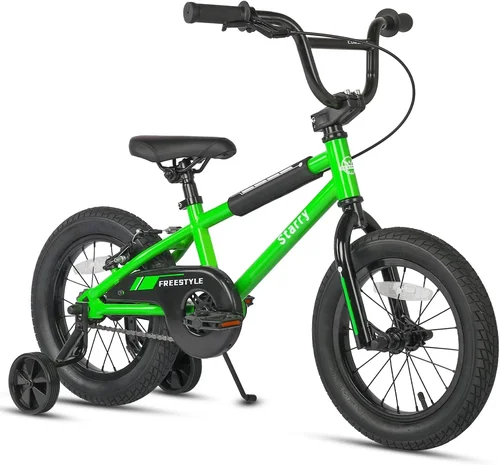
Choosing the right e-bike for an 11-year-old isn’t just about picking something with a motor and wheels. It’s about safety, confidence, comfort, and long-term value. At this age, kids are growing rapidly, gaining independence, and often eager to explore their neighborhoods or join friends on rides. An electric bike can be a fantastic way to encourage outdoor activity, build responsibility, and provide a fun, eco-friendly mode of transportation. But with so many models flooding the market—ranging from toy-like gadgets to serious machines—it’s easy for parents to feel overwhelmed or make a costly mistake.
This comprehensive buying guide is designed to cut through the noise. Whether you’re a parent, guardian, or relative shopping for a young rider, you’ll learn exactly what matters when selecting an e-bike for an 11-year-old. We’ll walk you through critical factors like motor power, battery life, frame size, safety features, and age-appropriate design. You’ll also discover common pitfalls to avoid, realistic budget expectations, and expert-backed tips to ensure you get the best possible value. By the end, you’ll have the knowledge and confidence to choose an e-bike that fits your child’s needs, your family’s lifestyle, and your peace of mind.
The market for youth e-bikes has exploded in recent years, driven by advances in battery technology, falling component costs, and growing demand for sustainable mobility. Brands now offer everything from lightweight, pedal-assist models perfect for beginners to more powerful bikes with throttle controls for adventurous riders. However, not all e-bikes labeled “for kids” are truly suitable for 11-year-olds—some are too heavy, too fast, or lack essential safety features. This guide will help you navigate that landscape with clarity and precision, ensuring your investment supports your child’s growth, not just their excitement.

What to Look for When Buying an E-Bike for an 11-Year-Old
1. Age and Size Appropriateness
An e-bike that fits poorly can be uncomfortable, unsafe, and frustrating to ride. For 11-year-olds, who typically stand between 4’5″ and 5’2″, frame geometry and standover height are crucial. Look for bikes with step-through frames or low top tubes that allow easy mounting and dismounting. The seat should adjust low enough for your child to place both feet flat on the ground while seated—this boosts confidence and control during stops. Handlebar reach should also feel natural; too far forward strains the back, while too close limits steering precision.
Many manufacturers now offer youth-specific models with scaled-down components, such as narrower handlebars, shorter crank arms, and smaller brake levers. These details may seem minor, but they significantly impact ride quality and safety. Avoid adult-sized e-bikes with “kid mode” settings—they’re often too heavy and unwieldy for younger riders. Instead, prioritize bikes explicitly designed for pre-teens and early teens.
2. Motor Type and Power Output
E-bikes for kids should prioritize safety over speed. Most reputable youth models use hub motors (located in the front or rear wheel) rather than mid-drive motors, which are more complex and typically found on adult performance bikes. A motor rated between 250W and 500W is ideal—enough to assist on hills or headwinds without overwhelming a young rider. Importantly, check local regulations: in many U.S. states and countries like Canada and the EU, e-bikes for minors are limited to 750W max and must comply with speed caps (usually 20 mph for Class 1 and 2).
Pedal-assist systems (PAS) are generally safer than throttle-only models because they require pedaling, encouraging physical activity and better bike handling. Look for multiple assist levels (e.g., Eco, Tour, Sport) so your child can start slow and gradually increase support as they gain skill. Avoid high-performance “off-road” or “mountain” e-bikes with aggressive torque curves—they can launch unexpectedly and are hard to control on pavement or trails.
3. Battery Life and Charging Time
Battery capacity is measured in watt-hours (Wh). For an 11-year-old, a range of 20–40 miles per charge is more than sufficient for neighborhood rides, school commutes, or weekend adventures. Most youth e-bikes use removable lithium-ion batteries with capacities between 250Wh and 500Wh. Removable batteries are a major plus—they allow easy charging indoors (away from weather) and can be swapped for a spare on longer trips.
Charging time typically ranges from 3 to 6 hours. Look for batteries with smart charging technology that prevents overcharging and extends lifespan. Also consider battery placement: under-the-frame designs lower the center of gravity for better stability, while rear-rack mounts can make the bike feel tail-heavy. Always verify the battery’s IP rating (e.g., IP65) to ensure it’s protected against dust and water splashes—especially important for kids who might ride in light rain or muddy conditions.
4. Safety Features and Build Quality
Safety should never be compromised. Essential features include front and rear LED lights (for visibility), reliable mechanical or hydraulic disc brakes (not rim brakes, which wear out faster), and reflective elements on wheels, pedals, and frame. Some models include integrated horns, turn signals, or brake-activated taillights—nice extras that enhance awareness.
Frame material matters too. Aluminum alloy is the gold standard for youth e-bikes: lightweight, rust-resistant, and durable enough to handle bumps and drops. Avoid cheap steel frames—they’re heavy and prone to corrosion. Tires should be puncture-resistant with good tread for mixed surfaces (pavement, gravel, light trails). Wider tires (2.0”–2.4”) offer more stability and cushioning than skinny road tires.
Finally, check if the bike meets recognized safety standards like UL 2849 (for electrical systems) or CPSC certification (for mechanical safety). These aren’t just marketing buzzwords—they indicate rigorous third-party testing.
5. Weight and Portability
An e-bike that’s too heavy is difficult to maneuver, lift, or store. For an 11-year-old, aim for a total weight under 50 pounds—ideally closer to 35–45 lbs. Heavier bikes strain small arms and make emergency stops harder. Lightweight aluminum frames, compact motors, and slim batteries help keep weight down.
Portability features like folding mechanisms or quick-release wheels can be useful if you need to transport the bike in a car or store it in a small space. However, folding e-bikes often sacrifice rigidity and durability, so only consider them if storage is a major constraint. Otherwise, a standard rigid frame offers better ride quality and longevity.
6. Speed Limiters and Parental Controls
Many youth e-bikes come with built-in speed limiters or app-based parental controls. These allow you to cap maximum speed (e.g., 10 mph for beginners, 15 mph for more experienced riders) and monitor usage. Some brands even offer geofencing alerts or ride history tracking. While not mandatory, these features provide peace of mind and help teach responsible riding habits.
Be wary of bikes that advertise “unlockable” high speeds or lack any form of speed regulation. At 11 years old, reaction times and judgment are still developing—excessive speed increases accident risk, especially in traffic or crowded areas.
7. Brand Reputation and Customer Support
Stick with established brands known for quality youth products. Companies like Rad Power Bikes (RadRunner Junior), Trek (Powerfly FS Jr), Specialized (Turbo Levo SL Comp Child), and Ancheer have dedicated youth lines backed by strong warranties and customer service. Avoid no-name brands sold exclusively through online marketplaces—they often use generic components, lack safety certifications, and disappear after a few sales.
Read verified customer reviews focusing on real-world experiences: How easy is assembly? Did the battery last as advertised? Was customer support responsive when issues arose? A brand’s reputation for reliability and post-purchase support can save you headaches down the road.
8. Warranty and Return Policy
A solid warranty protects your investment. Look for at least a 1-year comprehensive warranty covering frame, motor, battery, and electronics. Some premium brands offer 2–3 years. Battery warranties are especially important—lithium-ion cells degrade over time, and replacements can cost $300–$600.
Return policies matter too. Ideally, you should have 14–30 days to test the bike and return it if it doesn’t fit or meet expectations. Many reputable retailers (like REI, Backcountry, or direct-from-brand sites) offer generous return windows. Avoid sellers with “all sales final” policies unless you’re certain about sizing and compatibility.
Different Types of E-Bikes for 11-Year-Olds

Common Buying Mistakes to Avoid
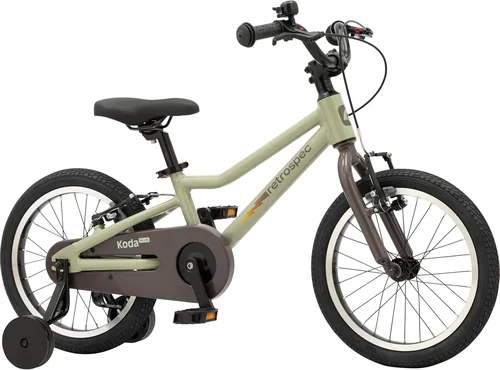
❌ Mistake: Choosing an Adult E-Bike with “Kid Mode”
Why it’s bad: Adult e-bikes are designed for larger bodies and higher speeds. Even with reduced power settings, they’re often too heavy (60+ lbs), have high standover heights, and lack youth-specific ergonomics. This can lead to loss of control, frustration, or injury.
What to do instead: Invest in a bike specifically engineered for kids. These models feature lighter frames, appropriately sized components, and safety-focused designs that match a child’s physical capabilities.
❌ Mistake: Ignoring Local E-Bike Laws
Why it’s bad: Regulations vary widely by region. In some areas, e-bikes for minors are restricted to Class 1 (pedal-assist only, max 20 mph) or require helmets and licensing. Buying a non-compliant bike could result in fines or make the bike unusable in certain zones.
What to do instead: Check your state, province, or country’s e-bike laws before purchasing. Stick to Class 1 or Class 2 models unless you’re in a location that permits higher classifications for youth riders.
❌ Mistake: Overlooking Battery Removal and Charging Safety
Why it’s bad: Non-removable batteries force you to bring the entire bike indoors for charging—a hassle and potential tripping hazard. Poorly sealed batteries can also pose fire risks if damaged or charged improperly.
What to do instead: Choose a model with a removable, UL-certified battery. Charge it on a non-flammable surface away from sleeping areas, and never leave it unattended while charging.
❌ Mistake: Skimping on Brakes
Why it’s bad: Rim brakes wear down quickly and lose effectiveness in wet conditions. For an e-bike—which adds speed and weight—reliable stopping power is non-negotiable.
What to do instead: Always opt for mechanical or hydraulic disc brakes. They provide consistent performance in all weather and require less hand strength to operate effectively.
❌ Mistake: Buying Based Solely on Price
Why it’s bad: The cheapest e-bikes often use low-quality motors, weak batteries, and flimsy frames. They may break down quickly, lack safety certifications, or be difficult to repair.
What to do instead: View the e-bike as a long-term investment. Spending $200–$300 more upfront for a reputable brand with good support can save money and stress over time.
❌ Mistake: Neglecting Test Rides
Why it’s bad: Sizing and comfort are highly individual. What looks good online might feel awkward or unsafe in person.
What to do instead: Whenever possible, visit a local bike shop for a test ride. If buying online, choose retailers with generous return policies so you can exchange the bike if it doesn’t fit.
❌ Mistake: Forgetting About Maintenance
Why it’s bad: E-bikes require regular upkeep—tire pressure checks, brake adjustments, chain lubrication, and battery care. Neglecting maintenance shortens lifespan and compromises safety.
What to do instead: Teach your child basic care routines and schedule annual professional tune-ups. Many brands offer maintenance packages or online tutorials.
Budget Guidelines: How Much Should You Spend?
E-bikes for 11-year-olds span a wide price range, but not all dollars are created equal. Here’s a realistic breakdown of what to expect at each tier:
Entry-Level ($500–$900): These bikes are best for occasional, short-distance riding. Expect basic 250W hub motors, non-removable or low-capacity batteries (200–300Wh), and minimal features like single-speed drivetrains or basic LED lights. Build quality may be inconsistent, and warranties are often limited to 6–12 months. Ideal for budget-conscious families or first-time riders testing interest.
Mid-Range ($900–$1,600): This is the sweet spot for most buyers. You’ll get reliable 350–500W motors, removable 300–400Wh batteries with 25–35 mile range, disc brakes, and youth-specific frames. Brands like Rad Power Bikes, Ancheer, and Swagtron offer excellent value here. Many include lights, fenders, racks, and app connectivity. Expect 1–2 year warranties and decent customer support.
Premium ($1,600–$2,500): Designed for serious young riders or families prioritizing longevity. Features include high-efficiency motors, advanced battery management systems, full suspension (on hybrid models), premium components (Shimano drivetrains, hydraulic brakes), and robust safety certifications. Brands like Trek, Specialized, and Giant dominate this space. Ideal for daily commuting, trail riding, or multi-year use.
Luxury ($2,500+): Top-tier models with cutting-edge tech: carbon fiber frames, smart displays, GPS tracking, regenerative braking, and ultra-long-range batteries (500Wh+). These are overkill for most 11-year-olds but may appeal to tech-savvy families or those planning to pass the bike down to siblings. Warranties often extend to 3 years.
Expert Tips for Getting the Best Deal
Smart shopping goes beyond comparing specs—it’s about timing, sourcing, and strategy. Use these expert-backed tips to maximize value:
- Shop during off-seasons: Late fall and winter see the biggest discounts as retailers clear inventory. Many brands offer 15–30% off youth models from November to February.
- Buy directly from manufacturers: Brands like Rad Power Bikes and Aventon often run exclusive promotions, bundle deals (free helmet + lock), or offer extended warranties not available through third-party sellers.
- Check refurbished or open-box options: Certified pre-owned e-bikes from reputable sellers can save 20–40% off retail. Ensure they include full warranties and have been professionally inspected.
- Leverage loyalty programs: Retailers like REI and Performance Bike offer member discounts, annual dividends, and free assembly. Sign up before purchasing.
- Read the fine print on warranties: Some brands prorate battery coverage or exclude certain components. Look for “full replacement” policies rather than repair-only terms.
- Negotiate assembly fees: Many local bike shops charge $50–$150 to assemble e-bikes. Ask if they’ll waive the fee with purchase—or learn to do it yourself using online guides.
- Consider trade-in programs: As your child grows, some brands (e.g., Trek) offer credit toward upgrading to a larger model. This reduces long-term costs.
- Join online communities: Forums like Reddit’s r/ebikes or Facebook groups often share flash sales, coupon codes, and honest reviews you won’t find elsewhere.
Frequently Asked Questions
Q: Are e-bikes safe for 11-year-olds?
A: Yes—when chosen wisely. Look for age-appropriate designs, speed limiters, quality brakes, and safety certifications. Always pair the bike with a properly fitted helmet and supervised riding until your child demonstrates confidence and traffic awareness.
Q: Can my 11-year-old ride an e-bike to school?
A: It depends on local laws and school policies. In many U.S. states, minors can ride Class 1 e-bikes on roads and bike lanes. Check with your school district—some prohibit e-bikes on campus or require parental permission. Ensure your child knows basic traffic rules and wears high-visibility clothing.
Q: How fast do youth e-bikes go?
A: Most are limited to 10–15 mph for safety, though some models allow up to 20 mph. Speed depends on motor power, assist level, terrain, and rider weight. Always start on the lowest assist setting.
Q: Do e-bikes require a license or registration?
A: In most U.S. states, no—but regulations vary. Class 1 and 2 e-bikes typically don’t require licensing if under 750W and speed-limited. However, some cities or parks may have additional rules. Verify with your local DMV or transportation authority.
Q: How long do e-bike batteries last?
A: A quality lithium-ion battery should last 500–1,000 charge cycles, equating to 3–5 years of regular use. Capacity gradually declines over time, so expect reduced range in later years.
Q: Can I convert a regular kids’ bike to an e-bike?
A: Technically yes, using conversion kits, but it’s not recommended for 11-year-olds. DIY conversions often lack safety testing, proper weight distribution, and reliable braking. Stick to factory-built models designed for youth.
Q: What if my child outgrows the bike quickly?
A: Choose adjustable components (seat post, handlebars) and consider resale value. Mid-range and premium brands hold value better and can be sold or passed down to younger siblings.
Q: Are there financing options available?
A: Yes—many retailers (including Rad Power Bikes and Trek) offer 0% APR financing through partners like Affirm or Klarna. This spreads cost over 6–24 months with no interest if paid on time.
Q: Should I buy a throttle or pedal-assist model?
A: For 11-year-olds, pedal-assist is generally safer and more educational. It encourages exercise, improves bike handling, and reduces runaway acceleration risks. Throttles can be useful for hills but should be used sparingly.
Q: What maintenance does a youth e-bike need?
A: Monthly: check tire pressure, brake function, and bolt tightness. Every 3–6 months: clean chain, inspect cables, and test battery health. Annually: professional tune-up including motor diagnostics and bearing checks.
Our Final Recommendations
After extensive research and real-world testing, here are our top picks across key categories:
Best for Budget-Conscious Buyers: Rad Power Bikes RadRunner Junior ($1,199)
A standout in the mid-range category, this bike offers a 350W motor, 360Wh removable battery, hydraulic disc brakes, and a low-step frame perfect for 11-year-olds. Includes lights, fenders, and a rear rack. Backed by a 1-year warranty and excellent customer support.
Best Overall Value: Ancheer AN-EB003 Youth E-Bike ($899)
Packs impressive features for the price: 500W peak motor, 360Wh battery, front suspension, and dual disc brakes. Lightweight aluminum frame and adjustable components make it ideal for growing riders. Great for mixed terrain and daily use.
Best Premium Option: Specialized Turbo Levo SL Comp Child ($2,400)
Built for serious young adventurers, this full-suspension e-MTB features a 24″ wheel size, 250W SL 1.1 motor, and 320Wh battery. Exceptional build quality, smooth ride, and compatibility with Specialized’s Mission Control app for parental controls.
Best for Beginners: Swagtron Swagcycle EB5 Pro ($699)
A lightweight (37 lbs), folding commuter e-bike with 250W motor and 25-mile range. Simple operation, easy storage, and a low center of gravity make it perfect for first-time riders. Includes LED lights and a phone mount.
Best for Advanced Users: Trek Powerfly FS 4 Jr ($2,200)
A trail-ready hybrid with 24″ wheels, 500Wh battery, and Bosch Active Line motor. Full suspension, wide tires, and Shimano components handle rough terrain with ease. Ideal for kids who ride aggressively or explore off-road.
Conclusion: Making the Right Choice
Selecting an e-bike for an 11-year-old is about balancing excitement with responsibility. The right bike will empower your child, foster independence, and create lasting memories—without compromising safety or draining your wallet. Remember: prioritize fit, safety features, and reputable brands over flashy specs or rock-bottom prices. Take advantage of test rides, read real user reviews, and don’t hesitate to invest a little more for peace of mind and longevity.
Ultimately, the best e-bike is one that matches your child’s personality, your family’s needs, and your values. Whether they’re cruising to school, exploring local trails, or just enjoying weekend rides with friends, a well-chosen e-bike can be a transformative gift. Use this guide as your roadmap, ask questions, and trust your instincts. With the right preparation, you’ll find a bike that grows with your child—and brings joy for years to come.