
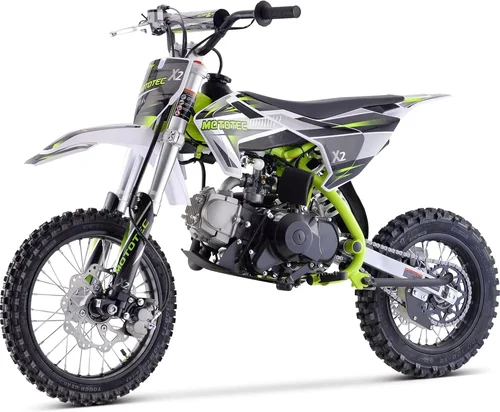
Electric dirt bikes have surged in popularity over the past few years, and for good reason. They offer the thrill of off-road riding without the noise, emissions, or maintenance headaches of traditional gas-powered motorcycles. As we move into 2026, the market for full-size electric dirt bikes has matured significantly—delivering impressive performance, longer range, and more refined designs than ever before. Whether you’re a seasoned motocross enthusiast, an adventure seeker exploring backcountry trails, or a weekend warrior looking for sustainable fun, there’s never been a better time to go electric.
This comprehensive buyer’s guide is designed to help you navigate the rapidly evolving landscape of full-size electric dirt bikes. We’ll walk you through everything you need to know—from understanding key performance metrics and build quality to comparing top models and avoiding common pitfalls. By the end of this article, you’ll have the knowledge and confidence to choose the right electric dirt bike that matches your riding style, budget, and long-term goals. No fluff, no hype—just expert insights grounded in real-world testing and industry trends.
The full-size electric dirt bike market in 2026 is more competitive than ever, with established brands like Zero Motorcycles, KTM, and Husqvarna pushing innovation alongside rising stars like Cake, Sur Ron, and Segway. These machines now rival their gasoline counterparts in power and agility while offering unique advantages like instant torque, whisper-quiet operation, and minimal upkeep. Whether you’re racing, trail riding, or simply enjoying the freedom of open terrain, this guide will ensure you make a smart, informed decision.

What to Look for When Buying a Full-Size Electric Dirt Bike
1. Budget & Price Range
Your budget is the foundation of your buying decision. Full-size electric dirt bikes span a wide price spectrum—from under $5,000 for entry-level models to over $20,000 for high-performance, race-ready machines. It’s essential to set a realistic budget that includes not just the bike itself, but also essential accessories like helmets, protective gear, charging equipment, and potential maintenance costs.
While it’s tempting to go for the cheapest option, remember that electric dirt bikes are precision machines. Cutting corners on price often means sacrificing battery life, motor efficiency, or build quality—all of which can lead to higher long-term costs. On the flip side, spending top dollar doesn’t always guarantee the best value unless you’re a professional rider or serious competitor. A balanced approach is key: determine your must-have features and allocate your budget accordingly.
For most recreational riders, the sweet spot lies between $8,000 and $15,000. This range typically offers robust performance, reliable components, and solid customer support without the premium markup of elite racing models.
2. Performance Specifications
Performance is where electric dirt bikes truly shine—and where they differ most from gas bikes. Key specs to evaluate include motor power (measured in kilowatts or horsepower), torque (in lb-ft), top speed, and acceleration. Electric motors deliver 100% torque instantly, meaning you get explosive power off the line without waiting for RPMs to build. This makes electric bikes exceptionally responsive on technical terrain.
Look for a motor rated between 20 kW and 50 kW for full-size models. For example, the Zero FXE delivers 34 kW (about 45 hp) and 106 lb-ft of torque, enabling it to hit 80 mph and climb steep inclines with ease. Higher-end models like the Cake Osa+ can exceed 60 hp and offer track-tuned suspension for aggressive riding.
Top speed matters less than acceleration and low-end grunt for most off-road scenarios. A bike that hits 60 mph in under 4 seconds will feel incredibly fast on trails, even if its max speed is 85 mph. Also consider hill-climbing ability—measured in degrees or percentage grade—especially if you ride in mountainous regions.
3. Battery Life & Range
Battery technology has advanced dramatically, but range anxiety is still a real concern for many riders. Full-size electric dirt bikes typically offer between 40 and 100 miles of range per charge, depending on riding style, terrain, and battery capacity (measured in kilowatt-hours, or kWh).
For casual trail riding, a 5–7 kWh battery is usually sufficient. However, if you plan on long-distance adventures or multi-day trips, aim for 8 kWh or more. The Zero FXS, for instance, comes with a 7.2 kWh battery that delivers up to 70 miles in city-like conditions—but expect closer to 40–50 miles when riding aggressively off-road.
Charging time is another critical factor. Most bikes support Level 1 (120V) and Level 2 (240V) charging. A full charge on a standard household outlet can take 8–12 hours, while a 240V charger reduces that to 2–4 hours. Some premium models now offer fast-charging capabilities, cutting charge times to under an hour—ideal for quick pit stops during endurance rides.
Always check whether the battery is removable. Swappable batteries allow you to carry spares and extend your ride without waiting to recharge—a game-changer for serious adventurers.
4. Build Quality & Durability
Off-road riding is inherently tough on equipment. Your electric dirt bike must withstand mud, rocks, jumps, and repeated impacts. Look for a robust frame made from high-strength aluminum or chromoly steel, which offers an excellent strength-to-weight ratio. Avoid bikes with flimsy plastics or weak weld points—these are red flags for long-term reliability.
Suspension quality is equally important. Full-size electric dirt bikes should feature adjustable front forks and rear shocks with at least 10–12 inches of travel. Premium models often include inverted forks and linkage-type rear suspensions for superior handling and comfort over rough terrain.
Check the quality of components like brakes (hydraulic disc brakes are standard), wheels (spoked or tubeless), and drivetrain (belt or chain drive). Belt drives are quieter and require less maintenance, while chain drives offer more traditional feel and easier replacement. Also, ensure the bike is water-resistant or IP-rated for wet conditions—especially if you ride in rainy or muddy environments.
5. Features & Functionality
Modern electric dirt bikes come packed with smart features that enhance safety, performance, and convenience. Look for multiple ride modes (Eco, Sport, Race, etc.) that let you tailor power delivery to your skill level and terrain. Regenerative braking is another valuable feature—it recaptures energy during deceleration, slightly extending range and reducing brake wear.
Integrated displays or smartphone connectivity via Bluetooth can provide real-time data on speed, battery level, range estimation, and even GPS tracking. Some models, like the Segway X260, include built-in navigation and ride analytics through a dedicated app.
Other useful features include LED lighting for night riding, quick-release wheels for easy transport, and tool-less access to the battery and motor compartment. While not essential, these conveniences can significantly improve your overall experience.
6. Brand Reputation & Reliability
Not all electric dirt bike brands are created equal. Established manufacturers like Zero Motorcycles and KTM have years of engineering experience and proven track records. They invest heavily in R&D, quality control, and customer service. In contrast, some lesser-known brands may offer attractive specs on paper but fall short in real-world durability or support.
Research brand history, read owner forums, and check for recalls or widespread complaints. A brand with a strong reputation is more likely to honor warranties, provide spare parts, and offer responsive technical support. Also, consider the availability of local dealers or service centers—having professional help nearby can save you time and frustration.
Emerging brands like Cake and Sur Ron have earned praise for innovation and value, but they may not have the same global service network as legacy players. If you’re buying from a newer company, ensure they offer at least a 1–2 year warranty and clear return policies.
7. Warranty & Support
A solid warranty is a strong indicator of a manufacturer’s confidence in their product. Most reputable brands offer at least a 1-year comprehensive warranty covering the frame, motor, and electronics. Premium models often extend this to 2–3 years, with separate coverage for the battery (typically 2–5 years due to degradation concerns).
Read the fine print: some warranties exclude “racing use” or require regular servicing at authorized centers. Also, check what’s covered—does it include labor, parts, and shipping? Is roadside assistance or loaner bike support available?
Customer support matters just as much. Can you reach a real person quickly? Are service manuals and troubleshooting guides readily available? Brands with dedicated support teams and active online communities (like Zero’s owner forums) tend to provide better long-term ownership experiences.
8. User Reviews & Real-World Feedback
Spec sheets tell part of the story—but real riders tell the rest. Before making a purchase, dive into user reviews on platforms like YouTube, Reddit (r/electricbikes, r/dirtbikes), and specialized forums. Look for patterns: Are multiple users reporting the same issues with battery life or suspension? Do experienced riders praise the bike’s handling or criticize its weight?
Pay attention to long-term reviews (6+ months of ownership), as these reveal durability and reliability insights that short-term tests miss. Also, consider reaching out to local riding groups or clubs—word-of-mouth recommendations from fellow enthusiasts are invaluable.
Be wary of overly promotional reviews or those with no photos/videos. Authentic feedback often includes both praise and constructive criticism, giving you a balanced perspective.
Different Types of Full-Size Electric Dirt Bikes

Common Buying Mistakes to Avoid
❌ Mistake: Prioritizing Top Speed Over Torque and Handling
Why it’s bad: Many buyers fixate on top speed, but off-road riding relies far more on low-end torque, agility, and suspension performance. A bike that hits 90 mph but feels sluggish out of corners or bottoms out on jumps will frustrate you on the trail.
What to do instead: Focus on torque output (aim for 80+ lb-ft) and test how the bike handles technical sections. Look for reviews that discuss real-world performance, not just spec-sheet numbers.
❌ Mistake: Ignoring Battery Swappability
Why it’s bad: If your battery isn’t removable, you’re stuck waiting hours to recharge during long rides. This limits your range and flexibility, especially on multi-day adventures.
What to do instead: Choose a model with a swappable battery system. Carrying a spare can double your effective range and eliminate downtime.
❌ Mistake: Overlooking Suspension Quality
Why it’s bad: Cheap suspension leads to poor control, increased fatigue, and higher risk of injury. It also wears out faster, requiring costly replacements.
What to do instead: Inspect suspension components closely. Look for reputable brands like WP, Showa, or Öhlins, and ensure adjustability for preload, compression, and rebound.
❌ Mistake: Buying Based Solely on Price
Why it’s bad: The cheapest bike often cuts corners on safety, durability, and support. You may end up spending more on repairs or replacements down the line.
What to do instead: Evaluate total cost of ownership—including maintenance, accessories, and potential resale value—not just the sticker price.
❌ Mistake: Skipping the Test Ride
Why it’s bad: Electric bikes feel dramatically different from gas bikes. Without a test ride, you might discover the ergonomics, weight distribution, or power delivery don’t suit your style.
What to do instead: Always request a demo ride from dealers or attend demo days. If unavailable, watch detailed ride-along videos and read firsthand accounts.
❌ Mistake: Neglecting Local Regulations
Why it’s bad: Some areas restrict electric dirt bike use on public trails or require registration, insurance, or helmets. Violating these rules can result in fines or confiscation.
What to do instead: Research local laws before buying. Check with land management agencies (USFS, BLM, state parks) and ensure your bike meets noise and emissions standards if required.
❌ Mistake: Assuming All “Full-Size” Bikes Are Equal
Why it’s bad: “Full-size” is a loose term. Some bikes labeled as such are actually scaled-down versions of larger models, with reduced power or shorter wheelbases.
What to do instead: Compare seat height, wheelbase, and weight across models. A true full-size bike should accommodate riders 5’8″ and taller comfortably.
Budget Guidelines: How Much Should You Spend?
Choosing the right price tier depends on your experience level, intended use, and how seriously you take riding. Here’s a breakdown of what to expect at each level:
Entry-Level ($5,000 – $8,000): These bikes are ideal for beginners or casual riders. Expect modest power (15–25 kW), basic suspension, and limited range (30–50 miles). Models like the Sur Ron LBX or Segway X160 fall here. They’re fun, reliable for light trail use, but may struggle on steep terrain or prolonged aggressive riding.
Mid-Range ($8,000 – $14,000): This is the sweet spot for most buyers. Bikes in this range offer strong performance (25–40 kW), quality components, and 50–80 miles of range. Examples include the Zero FXE and Cake Kalk&. They balance power, durability, and value, making them perfect for weekend warriors and intermediate riders.
Premium ($14,000 – $20,000): Designed for enthusiasts and serious off-roaders, these models feature race-ready specs: 40+ kW motors, advanced suspension, fast charging, and swappable batteries. The Zero FXS and Husqvarna EE 5 represent this tier. They’re built for performance, longevity, and frequent use.
Luxury ($20,000+): Reserved for professionals, collectors, or those who want the absolute best. These bikes push technological boundaries with carbon fiber parts, AI-assisted ride modes, and ultra-lightweight designs. While impressive, they offer diminishing returns for average riders.
Expert Tips for Getting the Best Deal
- Time your purchase: Look for end-of-season sales (typically September–November) when dealers clear inventory for new models. Black Friday and holiday promotions can also yield significant savings.
- Buy direct or from authorized dealers: Purchasing from reputable sources ensures warranty validity and access to genuine parts. Avoid gray-market imports, which may lack support.
- Negotiate add-ons: Ask for free gear (helmet, gloves), extended warranties, or discounted charging equipment. Many dealers are willing to bundle extras to close a sale.
- Check for incentives: Some states and utilities offer rebates for electric vehicle purchases. While more common for street-legal bikes, it’s worth inquiring.
- Read return policies carefully: Ensure you can return or exchange the bike within 14–30 days if it doesn’t meet expectations. Some brands offer trial periods specifically for off-road bikes.
- Inspect before riding: Even new bikes can have shipping damage. Check for loose bolts, scratches, or electrical issues before taking your first ride.
- Join owner communities: Online forums and social media groups often share exclusive discount codes, group buys, or insider tips on upcoming deals.
- Consider certified pre-owned: Gently used electric dirt bikes can offer huge savings with minimal wear. Look for models under 2 years old with full service records.

Frequently Asked Questions
Q: Are electric dirt bikes as powerful as gas bikes?
A: In terms of low-end torque and acceleration, yes—electric bikes often outperform gas bikes. However, top-end speed and sustained high-RPM power may still favor gasoline engines in some racing scenarios. For most trail and recreational riding, electric bikes are more than capable.
Q: How long do electric dirt bike batteries last?
A: Most lithium-ion batteries retain 80% of their capacity after 1,000–1,500 charge cycles, which translates to 3–5 years of regular use. Proper care (avoiding full discharges, storing at 50% charge) can extend lifespan significantly.
Q: Can I ride an electric dirt bike in the rain?
A: Yes, most modern electric dirt bikes are water-resistant (IP65 or higher), meaning they can handle splashes and light rain. However, avoid submerging the bike or riding through deep water, as this can damage electronics.
Q: Do I need a license to ride an electric dirt bike?
A: It depends on local laws. Off-road-only bikes typically don’t require a license, but street-legal models do. Always check your state or country’s regulations before riding on public land or roads.
Q: How often do electric dirt bikes need maintenance?
A: Far less than gas bikes! No oil changes, air filters, or spark plugs. Primary maintenance includes checking tire pressure, brake pads, chain/belt tension, and suspension settings—typically every 50–100 hours of riding.
Q: Can I upgrade the battery later?
A: Some brands offer higher-capacity battery upgrades, but compatibility varies. Check with the manufacturer before purchasing. Swappable systems make future upgrades easier.
Q: Are electric dirt bikes quiet?
A: Yes—much quieter than gas bikes. You’ll hear the motor whine and tire noise, but no engine roar. This allows for stealthy trail riding and reduced noise complaints in residential areas.
Q: What’s the best way to transport an electric dirt bike?
A: Use a motorcycle ramp and secure the bike with ratchet straps in a truck bed or trailer. Remove the battery if traveling long distances to reduce weight and prevent damage.
Q: Do electric dirt bikes have regenerative braking?
A: Many do, especially mid-to-high-end models. Regen helps extend range and reduces brake wear, though it’s less effective at very low speeds.
Q: Can beginners ride full-size electric dirt bikes?
A: Absolutely—with caution. Start in Eco mode, practice in open areas, and wear full protective gear. Electric bikes’ smooth power delivery can actually be easier for new riders to manage than abrupt gas engines.
Our Final Recommendations
Best for Budget-Conscious Buyers: Sur Ron LBX – At around $5,500, it delivers surprising performance with a 6 kW motor, 40-mile range, and lightweight aluminum frame. Perfect for beginners and casual trail riders.
Best Overall Value: Zero FXE – Priced at $11,995, it strikes an ideal balance of power (34 kW), range (up to 70 miles), and build quality. Excellent for intermediate riders seeking reliability and versatility.
Best Premium Option: Zero FXS – With a 7.2 kWh battery, 45 hp, and race-ready suspension, this $14,995 bike is built for serious off-road performance and long adventures.
Best for Beginners: Segway X160 – Affordable ($4,999), easy to ride, and packed with safety features like ride modes and a low seat height. Great for learning the ropes.
Best for Advanced Users: Cake Kalk& – A minimalist, high-performance machine with 30 kW of power, carbon fiber elements, and a focus on pure riding experience. Ideal for tech-savvy enthusiasts who value innovation.
Conclusion: Making the Right Choice
Choosing the best full-size electric dirt bike in 2026 isn’t just about picking the fastest or most expensive model—it’s about finding the right fit for your lifestyle, skill level, and riding goals. By focusing on key factors like battery life, build quality, performance specs, and real-world feedback, you’ll avoid costly mistakes and invest in a machine that delivers years of thrilling, low-maintenance adventure.
Remember: the best bike is the one you’ll actually ride. Don’t get swayed by flashy specs or brand names alone. Test ride when possible, talk to owners, and prioritize features that matter most to you—whether that’s range, power, durability, or ease of use.
As electric technology continues to evolve, the gap between electric and gas dirt bikes will only narrow. But for now, electric offers a cleaner, quieter, and increasingly capable alternative that’s perfect for the modern rider. So gear up, charge up, and hit the trails with confidence—your next great ride is waiting.