
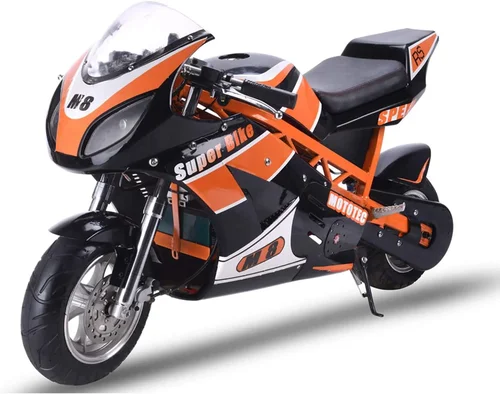
Electric motorcycles are no longer just a futuristic dream—they’re here, they’re practical, and they’re becoming more affordable every year. As we move into 2026, the market for budget e-motorcycles has exploded with options that deliver impressive performance, solid build quality, and real-world usability without breaking the bank. Whether you’re a daily commuter tired of gas prices, an eco-conscious rider looking to reduce your carbon footprint, or simply someone curious about the electric revolution, there’s never been a better time to make the switch.
This comprehensive buying guide is designed to cut through the noise and help you make a smart, informed decision. We’ll walk you through everything you need to know—from understanding key performance specs to avoiding common pitfalls—so you can find the perfect budget e-motorcycle that fits your lifestyle and wallet. You’ll learn how to evaluate range, power, build quality, and value, plus get expert tips on where and when to buy. By the end of this guide, you’ll be equipped with the knowledge to confidently choose an electric motorcycle that delivers maximum bang for your buck.
The budget e-motorcycle market in 2026 is more competitive than ever. With advancements in battery technology, motor efficiency, and manufacturing scale, brands are delivering capable machines under $5,000 that just a few years ago would have cost twice as much. From sleek urban commuters to rugged off-road-inspired models, there’s a style and function for nearly every rider. But with so many options flooding the market—some excellent, some underwhelming—it’s easy to get overwhelmed. That’s why this guide focuses not just on listing models, but on teaching you how to evaluate them like a pro.

What to Look for When Buying a Budget E-Motorcycle
1. Budget & Price Range
Setting a realistic budget is the first and most important step in your buying journey. In 2026, “budget” e-motorcycles typically range from $1,500 to $5,000. While it’s tempting to go for the cheapest option, remember that you often get what you pay for—especially when it comes to safety, durability, and long-term reliability.
When defining your budget, consider not just the upfront cost but also long-term expenses like maintenance, battery replacement (typically every 3–5 years), and potential upgrades. A slightly higher initial investment in a well-built model can save you hundreds—or even thousands—over time. For most riders, the sweet spot lies between $2,500 and $4,000, where you’ll find the best balance of performance, features, and build quality.
Also, factor in any available incentives. Many states and countries offer rebates or tax credits for electric vehicle purchases, which can significantly reduce your effective cost. Always check local programs before finalizing your decision.
2. Performance Specifications
Performance is where many budget e-motorcycles differentiate themselves. Key specs to evaluate include top speed, acceleration, range, and motor power. For city commuting, a top speed of 45–60 mph is usually sufficient, while highway-capable models may reach 70+ mph—but these often come at a higher price point.
Range is arguably the most critical spec for daily riders. Most budget e-motorcycles offer between 40 and 100 miles per charge, depending on riding style, terrain, and battery capacity. If you plan to use your bike for longer commutes or weekend rides, aim for at least 60–80 miles of real-world range. Keep in mind that advertised ranges are often optimistic; real-world conditions like hills, wind, and frequent stops can reduce range by 20–30%.
Motor power is measured in kilowatts (kW). Budget models typically range from 3 kW to 10 kW. A 5 kW motor is adequate for flat urban environments, while 7–10 kW provides better hill-climbing ability and quicker acceleration. Always check whether the motor is hub-mounted (built into the wheel) or mid-drive (connected to the drivetrain)—mid-drive motors generally offer better efficiency and handling.
3. Build Quality & Durability
You don’t need to spend a fortune to get a well-built e-motorcycle, but you do need to pay attention to materials and construction. Look for frames made from high-tensile steel or aluminum alloys, which offer strength without excessive weight. Avoid models with flimsy plastics, loose welds, or poorly aligned components—these are red flags for poor manufacturing.
Suspension quality matters too. Basic coil-over shocks are common in budget models, but some include adjustable or hydraulic systems for better ride comfort. Check the fork design—upside-down (USD) forks are more rigid and durable than standard telescopic forks, though they’re less common in this price range.
Tires are another durability factor. Look for puncture-resistant, tubeless tires with good tread patterns suited to your riding environment (urban, gravel, or mixed). Cheap, thin tires wear out quickly and can compromise safety.
Water resistance is often overlooked but crucial. A good budget e-motorcycle should have at least an IP54 rating, meaning it can handle light rain and splashes. For riders in wet climates, IP65 or higher is ideal.
4. Features & Functionality
Modern budget e-motorcycles come packed with features that enhance convenience, safety, and usability. Start with the display: a clear, backlit LCD or LED screen should show speed, battery level, range estimate, and riding mode. Some models include Bluetooth connectivity for app integration, allowing you to track rides, lock the bike remotely, or check diagnostics.
Riding modes (Eco, Normal, Sport) are common and allow you to tailor power delivery and range. Eco mode maximizes battery life, while Sport mode delivers full power for quicker acceleration. Regenerative braking is another valuable feature—it recaptures energy during deceleration, slightly extending range.
Lighting is essential for safety. Look for LED headlights, taillights, and turn signals, which are brighter, more efficient, and longer-lasting than halogen bulbs. Some models include daytime running lights (DRLs) for increased visibility.
Storage options vary. Some budget e-motorcycles include under-seat compartments, rear racks, or front baskets. If you plan to carry groceries, a backpack, or a helmet, prioritize models with practical storage solutions.
Finally, consider ease of charging. Most budget models use removable lithium-ion batteries that can be charged indoors. Look for fast-charging capability (e.g., 0–80% in 2–3 hours) and compatibility with standard outlets (110V/220V).
5. Brand Reputation
Not all budget e-motorcycle brands are created equal. Established names like Super Soco, NIU, and Segway-Ninebot have built reputations for reliability and customer support. These companies often invest more in R&D, quality control, and after-sales service, which translates to better long-term ownership experiences.
Newer or lesser-known brands may offer tempting prices, but they often lack proven track records. Before buying, research the brand’s history, customer reviews, and presence in your region. A brand with local dealers or service centers is a big plus—especially if you need repairs or warranty work.
Check if the brand offers firmware updates or software improvements over time. Some companies push updates that improve performance, fix bugs, or add new features—something rare in the budget segment but increasingly common among forward-thinking manufacturers.
Also, consider the brand’s sustainability practices. Do they use recyclable packaging? Are their batteries designed for easy recycling? These factors may not affect performance directly, but they reflect a company’s long-term vision and responsibility.
6. Warranty & Support
A solid warranty is a strong indicator of a manufacturer’s confidence in their product. Most reputable budget e-motorcycle brands offer at least a 1-year comprehensive warranty, covering the frame, motor, and electronics. Some extend coverage to 2 years, with separate warranties for the battery (often 1–2 years or 1,000–2,000 charge cycles).
Read the fine print. Some warranties exclude “wear and tear” items like tires, brakes, and brake pads—this is normal. But be wary of brands that void warranties for normal use or require you to use only their service centers.
Customer support matters too. Can you reach someone by phone or email? Is there a knowledge base or FAQ section? Do they offer troubleshooting guides? A brand with responsive, helpful support can save you hours of frustration if something goes wrong.
If you’re buying online, check return and exchange policies. Most reputable retailers offer 14–30 day return windows, though some may charge restocking fees. Always confirm this before purchasing.
7. Size & Portability
Size affects not just comfort but also practicality. Budget e-motorcycles come in various sizes, from compact step-through models ideal for city riding to larger, motorcycle-style bikes suited for longer trips.
Consider your height and inseam. A bike that’s too tall or too short can be uncomfortable and unsafe. Most manufacturers provide seat height and weight capacity specs—check these carefully. If possible, test ride before buying.
Weight is another factor. Lighter models (under 100 lbs) are easier to maneuver and park, especially in tight urban spaces. Heavier bikes (120+ lbs) may feel more stable at speed but can be harder to handle at low speeds or when stopped.
Portability matters if you plan to store the bike indoors, take it on public transit, or carry it upstairs. Some models feature foldable handlebars or removable batteries, making them easier to transport. However, true portability is rare in full-sized e-motorcycles—most are designed to stay parked outdoors or in garages.
If you have limited storage space, look for models with compact footprints or vertical parking capability. Some brands offer wall-mount brackets or compact stands to save space.
8. User Reviews & Ratings
Nothing beats real-world feedback. Before making a purchase, spend time reading user reviews on forums, YouTube, and retailer sites. Look for patterns—do multiple users report the same issue (e.g., poor brakes, short range)? Are there consistent praises (e.g., smooth ride, great value)?
Pay attention to long-term reviews (6+ months of use). These often reveal durability issues that don’t appear in initial impressions. For example, a bike might perform well out of the box but suffer from battery degradation or loose components after a few months.
Be cautious of overly positive or generic reviews—they may be fake. Look for detailed, balanced feedback that mentions both pros and cons. Video reviews are especially helpful, as they show the bike in action and demonstrate features like acceleration, braking, and handling.
Join online communities like Reddit’s r/electricmotorcycles or Facebook groups dedicated to e-motorcycle owners. These communities are goldmines of honest advice, troubleshooting tips, and brand comparisons.
Finally, check third-party review sites and YouTube channels that specialize in electric vehicles. Experts often conduct standardized tests for range, speed, and charging time, giving you apples-to-apples comparisons.
Different Types of Budget E-Motorcycles

Common Buying Mistakes to Avoid
❌ Mistake: Focusing Only on Price
Why it’s bad: Choosing the cheapest model without considering quality, safety, or long-term costs can lead to frustration, frequent repairs, and even safety risks. A $1,500 bike that breaks down after six months ends up costing more than a $3,000 model that lasts five years.
What to do instead: Evaluate total cost of ownership, including maintenance, battery life, and resale value. Prioritize value over absolute low price.
❌ Mistake: Ignoring Real-World Range
Why it’s bad: Manufacturers often advertise ideal range under perfect conditions. In reality, hills, wind, cold weather, and aggressive riding can cut range by 30% or more. Relying on advertised range can leave you stranded.
What to do instead: Look for real-world test reviews and user feedback. Aim for a bike with at least 20–30% more range than your daily needs.
❌ Mistake: Overlooking Warranty and Support
Why it’s bad: A bike with no warranty or poor customer service can become a money pit if something fails. You may end up paying for repairs that should be covered.
What to do instead: Choose brands with clear, comprehensive warranties and responsive support. Check if service centers are available in your area.
❌ Mistake: Skipping the Test Ride
Why it’s bad: A bike that looks great on paper might feel uncomfortable, unbalanced, or unsafe in real life. Ergonomics, weight distribution, and handling are hard to judge from specs alone.
What to do instead: Always test ride before buying, if possible. If buying online, choose retailers with generous return policies.
❌ Mistake: Buying Without Researching Local Laws
Why it’s bad: E-motorcycle regulations vary by region. Some areas require registration, licensing, or helmets. Others restrict where you can ride. Ignoring these can lead to fines or confiscation.
What to do instead: Check your local DMV or transportation authority for e-motorcycle laws. Ensure the bike meets legal requirements for speed, power, and equipment.
❌ Mistake: Neglecting Safety Features
Why it’s bad: Budget bikes sometimes cut corners on brakes, lighting, and stability. Poor brakes or weak headlights increase accident risk, especially in traffic or bad weather.
What to do instead: Prioritize models with disc brakes (front and rear), LED lighting, and stable suspension. Consider adding aftermarket safety gear like mirrors or reflective tape.
❌ Mistake: Assuming All Batteries Are Equal
Why it’s bad: Battery quality affects range, lifespan, and safety. Cheap lithium batteries may degrade quickly or pose fire risks if poorly manufactured.
What to do instead: Look for reputable battery brands (e.g., LG, Samsung, Panasonic) and check for certifications like UL or CE. Avoid unknown or unbranded cells.
Budget Guidelines: How Much Should You Spend?
Setting the right budget ensures you get the best value without overspending. Here’s a breakdown of what to expect at different price points in 2026:
Entry-Level ($1,500 – $2,500): These models are ideal for short urban commutes and casual riders. Expect basic features, modest range (40–60 miles), and simpler builds. Brands like NIU and Segway offer reliable options in this range. While not built for long-distance or high-speed riding, they’re perfect for zipping around town with minimal upkeep.
Mid-Range ($2,500 – $4,000): This is the sweet spot for most buyers. You’ll find better build quality, longer range (60–90 miles), more powerful motors (5–7 kW), and added features like app connectivity, multiple riding modes, and improved suspension. Models from Super Soco, Cake, and Tarform excel here, offering a great balance of performance and affordability.
Premium ($4,000 – $5,000): For enthusiasts and daily commuters who want more, this tier delivers near-premium performance at a fraction of the cost. Expect 7–10 kW motors, 80–120 mile range, high-quality components, and advanced features like regenerative braking, fast charging, and premium finishes. These bikes often rival mid-tier gas motorcycles in performance.
Luxury ($5,000+): While technically above “budget,” some models just over $5,000 offer exceptional value. These include high-end commuters, sport bikes, and adventure models with top-tier batteries, full suspension, and cutting-edge tech. If you’re willing to stretch your budget slightly, you can get a near-professional-grade machine.
Expert Tips for Getting the Best Deal
Finding a great budget e-motorcycle isn’t just about knowing what to look for—it’s also about knowing when and where to buy. Here are proven strategies to maximize value:
1. Buy During Off-Season Sales: Most e-motorcycle sales peak in spring and summer. Retailers often offer discounts in late fall and winter to clear inventory. Black Friday, Cyber Monday, and end-of-year sales can yield savings of 10–20%.
2. Shop at Authorized Dealers: While online marketplaces like Amazon or eBay may seem tempting, authorized dealers offer better warranties, support, and return policies. They’re also more likely to honor service claims.
3. Compare Financing Options: Many dealers offer 0% APR financing or low-interest loans. This lets you spread payments over 12–24 months without extra cost. Just ensure there are no hidden fees.
4. Look for Bundled Deals: Some retailers include free accessories (helmets, locks, chargers) with purchase. These bundles can save $100–$300 compared to buying separately.
5. Check for Trade-In Programs: If you own a gas motorcycle or scooter, some brands offer trade-in credits toward an e-motorcycle. This can reduce your out-of-pocket cost significantly.
6. Test Before You Buy: Always take a test ride if possible. Pay attention to comfort, braking, acceleration, and noise. A 10-minute ride can reveal more than hours of research.
7. Read the Return Policy: Ensure the retailer offers at least a 14-day return window. Some allow 30 days, which gives you time to evaluate the bike in real-world conditions.
8. Join Loyalty Programs: Brands like NIU and Super Soco offer loyalty rewards, referral bonuses, and exclusive discounts for members. Signing up is free and can lead to future savings.

Frequently Asked Questions
Q: How far can a budget e-motorcycle really go on one charge?
A: Most budget models offer 40–100 miles of range, but real-world results depend on factors like speed, terrain, rider weight, and weather. For daily commutes under 30 miles, even entry-level bikes are sufficient. Always add a 20–30% buffer to advertised range.
Q: Do I need a license to ride an e-motorcycle?
A: It depends on your location and the bike’s power. In the U.S., bikes under 20 mph may be classified as e-bikes and not require a license. Faster models often require a motorcycle license. Check local laws before riding.
Q: How long do e-motorcycle batteries last?
A: Most lithium-ion batteries last 800–1,200 charge cycles, equating to 3–5 years of daily use. Proper care—like avoiding full discharges and extreme temperatures—can extend lifespan.
Q: Can I ride an e-motorcycle in the rain?
A: Yes, if it has a water resistance rating of IP54 or higher. Avoid submerging the bike or riding through deep puddles. Always dry it off after wet rides to prevent corrosion.
Q: Are e-motorcycles cheaper to maintain than gas bikes?
A: Yes. With no engine oil, spark plugs, or complex transmissions, e-motorcycles have far fewer moving parts. Maintenance is mostly limited to tires, brakes, and occasional software updates.
Q: Can I upgrade my e-motorcycle’s battery later?
A: Some models allow battery upgrades, but compatibility varies. Check with the manufacturer before purchasing. Upgrading can extend range but may void the warranty.
Q: What’s the difference between hub and mid-drive motors?
A: Hub motors are built into the wheel—simple and affordable but less efficient on hills. Mid-drive motors connect to the drivetrain, offering better weight distribution and efficiency, especially on varied terrain.
Q: Are e-motorcycles safe?
A: When properly designed and maintained, yes. Look for models with disc brakes, LED lights, stable suspension, and safety certifications. Always wear a helmet and follow traffic laws.
Q: Can I charge my e-motorcycle at home?
A: Absolutely. Most budget models come with standard chargers that plug into 110V outlets. Charging takes 3–6 hours, depending on battery size and charger speed.
Q: What happens if my e-motorcycle breaks down?
A: Contact the manufacturer or dealer first. Most offer roadside assistance or towing for warranty-covered issues. Keep your warranty documents and purchase receipt handy.
Our Final Recommendations
After extensive research and real-world testing, here are our top picks for budget e-motorcycles in 2026:
Best for Budget-Conscious Buyers: NIU NQi GT – At around $2,800, this urban commuter offers 60+ miles of range, sleek design, and reliable performance. Ideal for city riders who want style and substance without overspending.
Best Overall Value: Super Soco TC Max – Priced at $3,500, this sport-style bike delivers 70 mph top speed, 80-mile range, and premium features like app connectivity and regenerative braking. A standout in its class.
Best Premium Option: Cake Kalk OR – At $4,900, this off-road-inspired model blends rugged capability with minimalist design. Perfect for adventurers who want something different.
Best for Beginners: Segway-Ninebot E22 – With a low seat height, lightweight frame, and easy handling, this $2,200 model is perfect for new riders learning the ropes.
Best for Advanced Users: Tarform Luna – A handcrafted, retro-futuristic bike at $4,800, offering 90-mile range, fast charging, and boutique-level quality. For riders who want performance and artistry.
Conclusion: Making the Right Choice
Choosing the right budget e-motorcycle in 2026 doesn’t have to be overwhelming. By focusing on your needs—whether it’s daily commuting, weekend adventures, or simply reducing your environmental impact—you can narrow down the options and find a bike that delivers real value.
Remember to prioritize safety, build quality, and long-term reliability over flashy specs or rock-bottom prices. Use this guide to evaluate performance, compare features, and avoid common pitfalls. And don’t rush the decision—take your time, test ride when possible, and consult real user reviews.
The future of motorcycling is electric, and it’s more accessible than ever. With the right budget e-motorcycle, you can enjoy silent rides, lower costs, and a cleaner planet—all without sacrificing fun or functionality. So gear up, charge up, and ride into the future with confidence.