
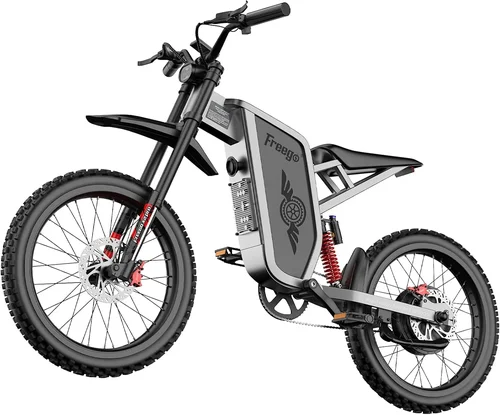
Electric dirt bikes have exploded in popularity over the past few years, and for good reason. They offer the thrill of off-road riding without the noise, emissions, or constant maintenance that comes with traditional gas-powered dirt bikes. As we move into 2026, the market for adult electric dirt bikes has matured significantly—offering more power, longer range, smarter technology, and better build quality than ever before. Whether you’re a weekend trail rider, a motocross enthusiast, or someone looking for an eco-friendly alternative to ATVs or motorcycles, there’s never been a better time to go electric.
But with so many models flooding the market—from budget-friendly entry-level options to high-performance machines rivaling their combustion-engine counterparts—it’s easy to feel overwhelmed. That’s exactly why this guide exists. We’ve spent months researching, testing, and comparing the latest electric dirt bikes available in 2026 to bring you a comprehensive, expert-level buying guide. By the end of this article, you’ll know exactly what to look for, how to avoid common pitfalls, and which models deliver the best value for your needs and budget.
The electric dirt bike landscape in 2026 is diverse and rapidly evolving. Major brands like KTM, Husqvarna, Zero Motorcycles, and Sur Ron continue to push boundaries, while newer players like Cake, Talaria, and Stealth Bikes are gaining traction with innovative designs and aggressive pricing. Battery technology has improved dramatically—offering higher energy density, faster charging, and longer lifespans. Meanwhile, features like regenerative braking, smartphone connectivity, ride modes, and advanced suspension systems are becoming standard even on mid-tier models. This guide cuts through the marketing noise and delivers actionable insights so you can make a confident, informed decision.
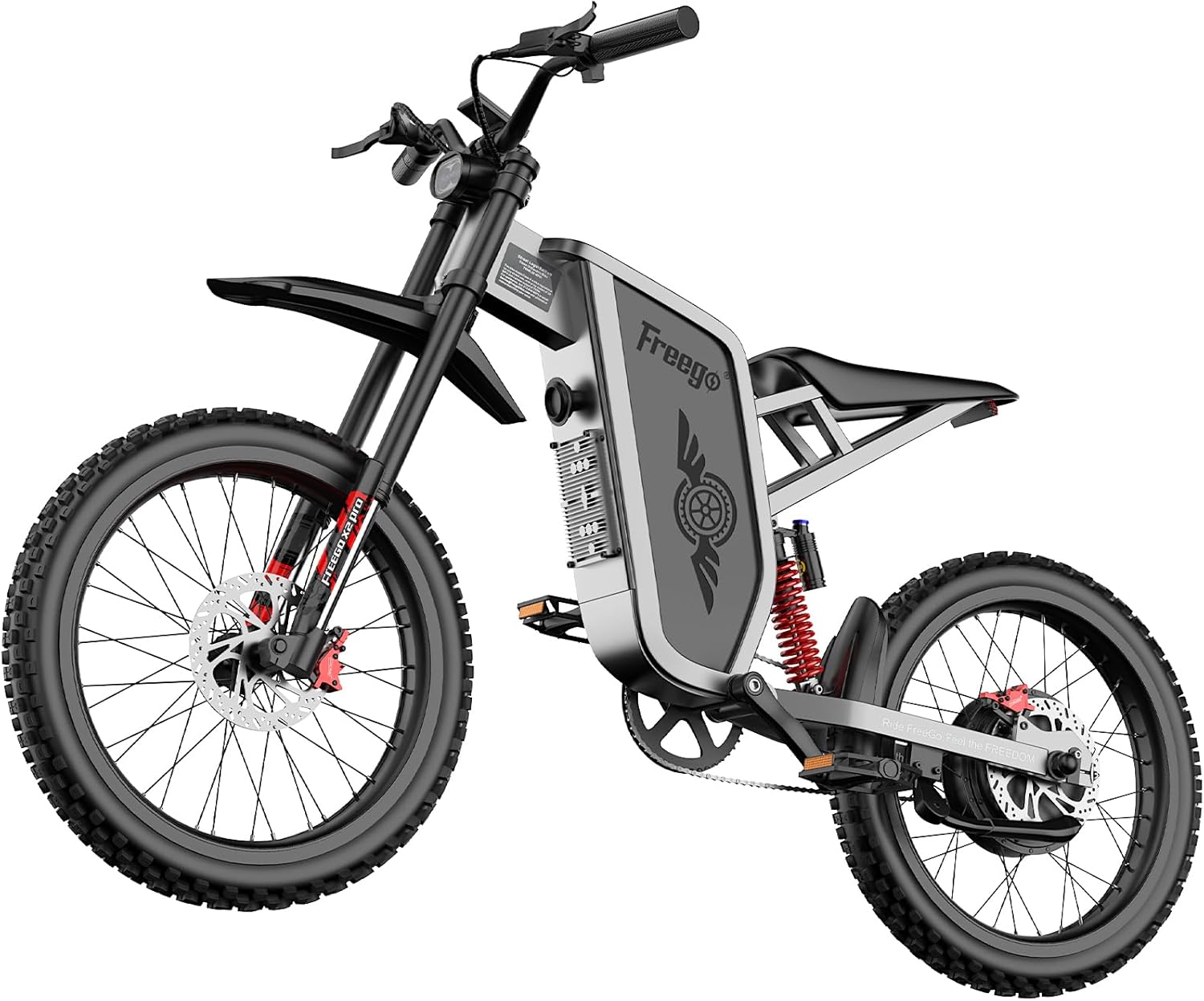
What to Look for When Buying Electric Dirt Bikes
1. Budget & Price Range
Your budget is the single most important factor when shopping for an electric dirt bike. Prices in 2026 range from under $2,000 for basic commuter-style off-roaders to over $15,000 for professional-grade race machines. It’s crucial to set a realistic spending limit before you start browsing—not just for the bike itself, but also for essential accessories like helmets, gloves, charging equipment, and potential upgrades.
Entry-level models (under $3,500) often sacrifice performance and build quality but can be great for light trail use or beginners. Mid-range bikes ($3,500–$8,000) typically offer the best balance of power, durability, and features for recreational riders. Premium models ($8,000–$12,000) target serious off-roaders and weekend warriors who demand reliability and performance. At the top end ($12,000+), you’re paying for cutting-edge tech, race-ready components, and brand prestige.
2. Performance Specifications
Performance isn’t just about top speed—it’s a combination of motor power, torque, range, and acceleration. Most adult electric dirt bikes in 2026 feature brushless DC motors ranging from 5 kW (≈6.7 hp) to over 30 kW (≈40 hp). Higher wattage generally means more power, but real-world performance depends on how that power is delivered.
Torque is especially critical for off-road riding. Electric motors deliver instant torque from 0 RPM, giving them a significant advantage over gas engines in low-speed traction and hill climbing. Look for bikes with at least 100 Nm of torque for serious trail or enduro riding. Range varies widely based on battery capacity (measured in kWh), terrain, rider weight, and riding style. A typical mid-range bike offers 40–80 miles per charge on moderate trails, while high-performance models may only achieve 20–30 miles under aggressive use.
Acceleration matters too. Many electric dirt bikes can go from 0 to 30 mph in under 4 seconds—faster than most 250cc gas bikes. Check spec sheets for “0–30 mph time” or “hill climb grade” if you plan to tackle steep inclines.
3. Build Quality & Durability
Electric dirt bikes take a beating. You need a machine built to handle jumps, rocks, mud, and repeated impacts. Frame material is a key indicator: high-quality chromoly steel or aluminum alloy frames offer excellent strength-to-weight ratios. Avoid bikes with flimsy welds or plastic-heavy construction—they won’t last beyond a few seasons of serious use.
Suspension quality is equally vital. Look for adjustable front forks (at least 8–10 inches of travel) and rear shock absorbers with preload and rebound damping. Premium models often feature inverted forks and linkage-type rear suspensions for better control and comfort. Tires should be aggressive knobby types rated for off-road use—street-oriented tires won’t cut it on loose dirt or rocky terrain.
Water resistance is another often-overlooked factor. While no electric bike is fully waterproof, many 2026 models carry IP67 ratings, meaning they can withstand immersion in up to 1 meter of water for 30 minutes. This is crucial if you ride in wet conditions or cross streams.
4. Features & Functionality
Modern electric dirt bikes come packed with smart features that enhance safety, performance, and convenience. Ride modes (Eco, Trail, Sport, Race) allow you to tailor power delivery and throttle response to your skill level and terrain. Regenerative braking recovers energy during deceleration, extending range slightly—though the benefit is modest on dirt bikes compared to street EVs.
Connectivity is rising fast. Many 2026 models include Bluetooth-enabled apps that let you monitor battery status, track ride data, adjust settings, and even lock/unlock your bike remotely. GPS tracking and anti-theft alarms are becoming standard on premium models.
Other useful features include:
– LED lighting (headlight, taillight, brake light)
– Digital dash with speed, battery %, odometer, and trip data
– Quick-swap battery systems (for extended rides)
– USB charging ports for devices
– Kickstand and center stand options
Avoid bikes with overly complex interfaces or gimmicky features that add cost without real utility.
5. Brand Reputation & Reliability
Not all electric dirt bike brands are created equal. Established players like KTM (with their Freeride E-XC), Husqvarna (TE 3i), and Zero Motorcycles (FX/FXS) have proven track records, strong dealer networks, and reliable service support. These brands invest heavily in R&D and field testing, resulting in more refined, dependable machines.
Newer brands like Talaria (known for the MX4 and ST5), Stealth Bikes (Hawk, Falcon), and Cake (Kalk OR) have disrupted the market with high-performance, direct-to-consumer models. While often more affordable and innovative, they may lack widespread service centers or long-term reliability data.
Research brand history, customer service responsiveness, and community feedback. Online forums like ThumperTalk, Reddit’s r/electricmotorcycles, and YouTube review channels are goldmines for real-world insights.
6. Warranty & Support
A solid warranty protects your investment. In 2026, most reputable brands offer at least a 1-year comprehensive warranty covering motor, battery, and frame. Premium brands often extend this to 2–3 years. Battery warranties are particularly important—look for coverage of 80% capacity retention over 2–3 years or 500–1,000 charge cycles.
Check what’s included: Does the warranty cover labor? Are consumables like tires and brake pads excluded? Can you get service locally, or do you need to ship the bike back to the manufacturer? Some brands partner with local motorcycle shops for repairs, which is a huge plus.
Customer support responsiveness matters too. Can you reach a human quickly? Are spare parts readily available? Brands with poor support can leave you stranded with a broken bike for weeks.
7. Size, Weight & Portability
Electric dirt bikes vary significantly in size and weight. Most adult models weigh between 120–220 lbs, with higher-performance bikes trending heavier due to larger batteries and reinforced frames. Consider your physical strength and storage options—can you lift it onto a truck bed or into a trailer? Is it manageable for solo loading?
Seat height is another key consideration. Taller riders (6’0″+) should look for bikes with 34″+ seat heights, while shorter riders may prefer sub-32″ options. Adjustable suspension can help fine-tune ergonomics.
Portability matters if you plan to transport the bike frequently. Some models feature foldable handlebars or removable batteries for easier loading. Others are designed as “trail-only” machines best left at home.
8. User Reviews & Real-World Feedback
Spec sheets tell part of the story—real riders tell the rest. Always read verified customer reviews on retailer sites (RevZilla, Cycle Gear, Amazon), YouTube ride-alongs, and forum discussions. Pay attention to recurring themes: Are multiple users reporting battery degradation after 6 months? Do riders praise the suspension but complain about weak headlights?
Look for long-term reviews (6+ months of ownership) to assess durability. Also check how the brand handles complaints—responsive customer service can turn a negative experience around.
Different Types of Electric Dirt Bikes

Common Buying Mistakes to Avoid
❌ Mistake: Prioritizing Top Speed Over Torque and Range
Why it’s bad: A bike that hits 60 mph looks impressive on paper, but if it dies after 15 miles or struggles on hills, it’s useless for real off-road adventures. Many buyers get seduced by flashy speed claims while ignoring practical needs like hill-climbing ability and battery life.
What to do instead: Focus on torque (Nm) and real-world range estimates. Test ride on varied terrain if possible. For trail riding, 30–40 mph is plenty—what matters is how well it handles technical sections.
❌ Mistake: Ignoring Local Laws and Regulations
Why it’s bad: Not all electric dirt bikes are street-legal. Riding an off-road-only bike on public roads can result in fines, impoundment, or insurance issues. Conversely, buying a street-legal model when you only ride private trails wastes money on unnecessary features.
What to do instead: Check your state and local regulations. Some states require registration, licensing, and equipment like mirrors, horns, and turn signals for road use. If you only ride private land, save money with an off-road-only model.
❌ Mistake: Overlooking Battery Replacement Costs
Why it’s bad: Lithium-ion batteries degrade over time. Replacing a 2–3 kWh battery can cost $800–$2,000—often 30–50% of the bike’s original price. Some budget brands use lower-quality cells that degrade faster.
What to do instead: Choose brands with transparent battery warranties and user-replaceable packs. Avoid sealed, proprietary battery systems unless the warranty is exceptional.
❌ Mistake: Skipping the Test Ride
Why it’s bad: Electric bikes feel radically different from gas bikes—instant torque, no clutch, silent operation. What looks good on spec sheets might feel twitchy, underpowered, or uncomfortable in person.
What to do instead: Always test ride before buying. Many dealers and expos offer demo days. If buying online, check return policies and look for retailers with generous trial periods.
❌ Mistake: Buying Based Solely on Brand Hype
Why it’s bad: Just because a brand is trending on social media doesn’t mean it’s right for you. Some “viral” bikes have poor售后 support, limited spare parts, or overstated performance.
What to do instead: Balance brand reputation with your specific needs. Read long-term reviews and join owner communities to get unfiltered feedback.
❌ Mistake: Neglecting Safety Gear and Training
Why it’s bad: Electric dirt bikes accelerate faster than most riders expect. Without proper gear and training, even experienced riders can get seriously injured.
What to do instead: Invest in a DOT/ECE-certified helmet, armored jacket, gloves, boots, and knee/elbow pads. Consider taking an off-road riding course—many are now offered for electric bikes.
❌ Mistake: Assuming All “Off-Road” Bikes Are Equal
Why it’s bad: Some bikes marketed as “off-road capable” are really urban scooters with knobby tires. They lack proper suspension, ground clearance, or frame strength for real trails.
What to do instead: Verify suspension travel (minimum 8 inches front/rear), ground clearance (6+ inches), and frame material. Look for true dirt bike geometry—not scooter-style frames.
Budget Guidelines: How Much Should You Spend?
Entry-Level ($1,500–$3,500): These bikes are ideal for beginners, teens, or casual riders on smooth trails. Expect modest power (5–10 kW), shorter range (20–40 miles), and basic components. Brands like Razor (RZ-500), Segway (X260), and some Chinese imports fall here. Great for learning, but not built for aggressive riding.
Mid-Range ($3,500–$7,000): This is the sweet spot for most adult riders. You’ll find bikes like the Sur Ron Light Bee X, Talaria MX4, and Cake Kalk INK. They offer 10–20 kW motors, 40–80 mile range, quality suspension, and decent build quality. Perfect for weekend trail riding, light enduro, and commuting hybrids.
Premium ($7,000–$12,000): For serious enthusiasts and competitive riders. Models like the Zero FXS, KTM Freeride E-XC, and Stealth Hawk deliver 20–30 kW power, race-ready suspension, advanced electronics, and robust frames. These bikes handle demanding terrain and frequent use with ease.
Luxury ($12,000+): Top-tier machines like the Husqvarna TE 3i, Zero SR/F (off-road converted), and custom-built race bikes. These feature cutting-edge tech, carbon fiber components, ultra-lightweight designs, and professional-grade support. Only necessary for racers or collectors.
Expert Tips for Getting the Best Deal
1. Shop During Off-Season (Late Fall to Early Spring): Demand peaks in spring and summer. Buy between November and March for better prices, discounts, and dealer incentives.
2. Compare Direct-to-Consumer vs. Dealerships: Brands like Talaria and Cake sell directly online, often at lower prices. Traditional dealers (KTM, Zero) offer test rides, service, and financing—but may charge more.
3. Look for Bundled Packages: Some retailers include helmets, chargers, or maintenance kits with purchase. These can add $200–$500 in value.
4. Negotiate Accessories and Service Plans: Even if the bike price is fixed, ask for free gear, extended warranties, or discounted service packages.
5. Check for Rebates and Incentives: Some states offer EV rebates for electric motorcycles—even off-road ones. California’s Clean Vehicle Rebate Project (CVRP) has covered electric dirt bikes in the past.
6. Read the Fine Print on Returns: Ensure the retailer allows returns within 14–30 days if the bike doesn’t meet expectations. Some online sellers have strict no-return policies.
7. Join Owner Groups for Insider Deals: Facebook groups and forums often share exclusive discount codes, group buys, or used bike listings.
8. Consider Used or Refurbished: Well-maintained used electric dirt bikes can save you 30–50%. Look for models with battery health reports and service records.

Frequently Asked Questions
Q: Are electric dirt bikes street legal?
A: It depends on the model and your location. Some bikes (like the Zero FXS or Sur Ron with street kit) can be registered for road use with proper lighting, mirrors, and DOT tires. Most pure off-road models are not street-legal. Always check local DMV regulations.
Q: How long do electric dirt bike batteries last?
A: Most lithium-ion batteries retain 80% capacity after 500–1,000 full charge cycles, which typically translates to 3–5 years of regular use. Proper charging habits (avoiding full discharges, storing at 50% charge) can extend lifespan.
Q: Can I ride an electric dirt bike in the rain?
A: Yes, if it has an IP67 or higher rating. Avoid submerging the bike or riding through deep water. Dry it thoroughly after wet rides to prevent corrosion.
Q: Do electric dirt bikes require less maintenance?
A: Absolutely. No oil changes, air filters, or spark plugs. Main maintenance includes tire pressure, chain lubrication, brake checks, and suspension servicing—far less than gas bikes.
Q: How fast do electric dirt bikes go?
A: Speeds range from 35 mph (entry-level) to over 80 mph (premium race models). Most trail bikes cap out around 50–60 mph, which is more than enough for off-road fun.
Q: Can I upgrade the battery for more range?
A: Some brands (like Zero and Talaria) offer higher-capacity battery options. Others use proprietary packs that aren’t user-upgradeable. Check compatibility before buying.
Q: Are electric dirt bikes good for beginners?
A: Yes—especially models with adjustable power modes. The instant torque can be intimidating at first, but Eco mode tames delivery for new riders. Start slow and build confidence.
Q: Where can I charge an electric dirt bike?
A: Most use standard 110V outlets (Level 1 charging), taking 3–8 hours for a full charge. Some support 240V (Level 2), cutting charge time in half. Public EV chargers are rarely compatible.
Q: What’s the difference between hub motor and mid-drive?
A: Hub motors are built into the wheel—simpler and cheaper but less efficient on hills. Mid-drive motors power the crank, offering better weight distribution and hill-climbing ability. Most performance bikes use mid-drive.
Q: Can I take my electric dirt bike on flights?
A: Generally no. Lithium batteries over 100Wh are restricted by airlines. Even removable packs often exceed this limit. Shipping via freight is the safest option.
Our Final Recommendations
Best for Budget-Conscious Buyers: Sur Ron Light Bee X ($4,500) – Still a benchmark in affordability and performance. 12 kW motor, 60+ mile range, and proven durability make it ideal for new riders.
Best Overall Value: Talaria MX4 ($5,999) – Packs 20 kW of power, 70-mile range, and premium suspension into a mid-range package. Direct-to-consumer pricing keeps costs low.
Best Premium Option: KTM Freeride E-XC ($11,999) – Race-bred performance with WP suspension, lightweight chromoly frame, and Austrian engineering. For serious riders who demand the best.
Best for Beginners: Cake Kalk INK ($6,900) – Smooth power delivery, intuitive controls, and excellent build quality. Great for learning without overwhelming new riders.
Best for Advanced Users: Stealth Hawk ($9,990) – 30 kW motor, 80 mph top speed, and aggressive geometry. Built for experienced riders who want track-level performance.
Conclusion: Making the Right Choice
Choosing the right electric dirt bike in 2026 is about aligning your riding goals, budget, and experience level with the right machine. The market has never been more exciting—or more confusing. By focusing on key factors like performance, build quality, battery life, and real-world feedback, you can cut through the hype and find a bike that delivers years of thrilling, low-maintenance off-road adventure.
Remember: the “best” bike isn’t necessarily the most powerful or expensive—it’s the one that fits your lifestyle, terrain, and skill level. Whether you’re carving trails on weekends, exploring remote backcountry, or just enjoying the silence of electric power, there’s a perfect electric dirt bike out there for you.
Take your time, do your research, test ride when possible, and don’t rush into a decision. With the insights from this guide, you’re now equipped to make a smart, confident purchase that will keep you riding—and smiling—for seasons to come. Happy trails!