
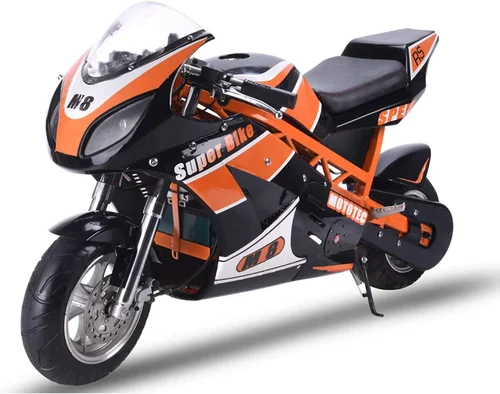
The electric motorcycle revolution is no longer a distant future—it’s here, and it’s accelerating faster than ever. As we move through 2026, the market for electric motorcycles has matured significantly, offering riders a compelling blend of sustainability, performance, and innovation. Whether you’re a daily commuter tired of gas prices, an adventure seeker craving silent off-road exploration, or a tech enthusiast drawn to cutting-edge engineering, there’s never been a better time to go electric. This comprehensive buyer’s guide is designed to cut through the noise and help you make an informed decision. We’ll walk you through every critical factor—from range and charging to build quality and brand reliability—so you can find the perfect electric motorcycle that fits your lifestyle, budget, and riding goals.
In this guide, you’ll learn how to evaluate electric motorcycles like a pro. We’ll break down the most important specs, compare different categories (from urban commuters to high-performance sport bikes), highlight common pitfalls to avoid, and provide real-world budgeting advice. You’ll also get insider tips on where and when to buy, how to test ride effectively, and what warranty details truly matter. By the end, you’ll have a clear roadmap to choosing not just any electric motorcycle—but the right one for you. The market is crowded with options, but with the right knowledge, you can ride away confident in your choice.

What to Look for When Buying an Electric Motorcycle
1. Range & Battery Performance
Range remains the single most important factor for most buyers. Unlike gasoline motorcycles, where refueling takes minutes, recharging an electric bike can take hours—so knowing how far you can go on a single charge is crucial. Look for real-world range estimates, not just manufacturer claims, which are often based on ideal conditions. For daily commuters, a range of 80–120 miles is typically sufficient. Long-distance riders or those in rural areas should aim for 150+ miles. Pay attention to battery chemistry: lithium-ion (Li-ion) is standard, but newer models may use lithium iron phosphate (LFP), which offers longer lifespan and better thermal stability, albeit with slightly lower energy density.
Also consider battery degradation over time. A high-quality battery should retain 80% of its capacity after 5–8 years. Check if the manufacturer provides battery health monitoring via an app or dashboard. Fast-charging capability is another key feature—some bikes support DC fast charging that can add 50+ miles in 20 minutes, while others rely solely on slower Level 2 AC charging.
2. Charging Infrastructure & Convenience
Even the longest-range bike is useless if you can’t charge it conveniently. Consider your daily routine: Do you have access to home charging? Can you plug in at work? Are there public fast chargers along your regular routes? Many modern electric motorcycles support standard J1772 plugs (common in North America) or CCS Combo connectors for fast charging. Some brands, like Zero Motorcycles, offer proprietary charging solutions that integrate with their ecosystem.
Portability matters too. If you live in an apartment without dedicated parking, look for bikes with removable batteries—you can carry them indoors to charge safely. Weight and ease of removal are important here; some batteries weigh over 50 pounds. Also, check charging time: a full charge on a standard 110V outlet might take 8–10 hours, while a 240V Level 2 charger can cut that to 2–4 hours.
3. Performance & Power Delivery
Electric motorcycles deliver instant torque, meaning acceleration is immediate and thrilling—often outperforming gas bikes in 0–60 mph times. But performance isn’t just about speed. Look at motor power (measured in kilowatts or horsepower) and torque (in lb-ft). A 20–30 kW motor is great for city riding, while 50+ kW is needed for highway speeds and spirited riding. Torque determines how quickly the bike responds from a stop; higher torque means quicker launches.
Ride modes are also essential. Most electric bikes offer multiple modes (Eco, Sport, Rain, etc.) that adjust power output, throttle response, and regenerative braking. This lets you tailor the ride to conditions—eco mode for maximum range, sport mode for performance. Regenerative braking, which recaptures energy during deceleration, can extend range by 5–15%, especially in stop-and-go traffic.
4. Build Quality & Durability
Electric motorcycles eliminate many moving parts found in internal combustion engines, reducing mechanical complexity and potential failure points. However, build quality still varies widely. Look for a robust frame—usually aluminum or steel—that can handle vibrations and impacts. Check suspension quality: front forks and rear shocks should be adjustable and from reputable brands like Showa or Öhlins, especially for off-road or sport models.
Weather resistance is critical. Ensure the bike has an IP rating (Ingress Protection) for water and dust resistance—IP67 is ideal, meaning it can withstand immersion in water up to 1 meter deep. Sealed connectors, waterproof electronics, and corrosion-resistant finishes are signs of a well-built machine. Also, inspect welds, paint quality, and panel fitment; sloppy craftsmanship often indicates corner-cutting.
5. Features & Technology
Modern electric motorcycles come packed with tech. A high-resolution TFT display with smartphone integration (Bluetooth, navigation, call alerts) is now standard on mid-to-high-end models. Some bikes offer over-the-air (OTA) software updates, allowing manufacturers to improve performance, add features, or fix bugs remotely—just like a Tesla.
Other valuable features include:
– Keyless ignition and smartphone app control (lock/unlock, GPS tracking, ride stats)
– Traction control and ABS (anti-lock braking system)
– LED lighting for better visibility and lower power draw
– Heated grips and seats (especially useful in colder climates)
– USB ports for charging devices on the go
Avoid bikes with overly complex interfaces that distract from riding. Simplicity and intuitive controls are key for safety.
6. Brand Reputation & Reliability
Not all electric motorcycle brands are created equal. Established players like Zero Motorcycles, Harley-Davidson (with its LiveWire line), and Energica have years of real-world testing and customer feedback. Newer startups may offer innovative designs but lack proven track records. Research reliability reports, owner forums, and third-party reviews. Brands with strong dealer networks and service centers nearby are preferable—especially if you plan to ride long distances.
Customer service matters too. How responsive is the company to warranty claims? Do they offer loaner bikes during repairs? A brand that stands behind its product with transparent policies is worth the investment. Also, check if the company is financially stable; the EV market is volatile, and some startups have folded, leaving owners stranded without support.
7. Warranty & Support
A solid warranty is your safety net. Most reputable brands offer a 2–3 year comprehensive warranty covering the motor, battery, and electronics. The battery often has a separate warranty—look for at least 3 years or 30,000 miles, with coverage for capacity loss below 70%. Some brands, like Cake, offer up to 5 years on batteries.
Extended warranties may be worth considering for high-mileage riders. Also, inquire about service intervals: electric bikes require less maintenance (no oil changes, spark plugs, or exhaust systems), but firmware updates, brake checks, and tire rotations are still necessary. Ensure local dealers or certified technicians can perform service—don’t buy a bike you can’t maintain.
8. Size, Weight & Ergonomics
Electric motorcycles vary widely in size and weight. Commuter models like the Super Soco TC Max are lightweight (under 300 lbs) and easy to maneuver, ideal for city riding and parking. Sport bikes like the Lightning LS-218 can weigh over 500 lbs but offer superb handling and aerodynamics. Adventure models fall in between, balancing off-road capability with on-road comfort.
Test ride if possible. Pay attention to seat height—can you flat-foot it at stops? Is the riding position upright (for comfort) or aggressive (for performance)? Handlebar width, footpeg placement, and wind protection all affect long-distance comfort. Taller riders may need extended reach options, while shorter riders should look for low-seat variants.
Different Types of Electric Motorcycles

Common Buying Mistakes to Avoid
❌ Mistake: Focusing Only on Top Speed
Why it’s bad: Top speed is flashy but rarely practical. Most riders never exceed 70–80 mph, and high-speed capability often comes at the cost of range and efficiency. A bike that hits 150 mph may only deliver 60 miles of real-world range.
What to do instead: Prioritize range, charging time, and ride modes. A bike with strong mid-range torque and efficient power delivery will feel more responsive in daily use than one built solely for speed.
❌ Mistake: Ignoring Charging Logistics
Why it’s bad: Assuming you can charge anywhere leads to range anxiety. Without home charging or reliable public infrastructure, you’ll spend more time plugged in than riding.
What to do instead: Map your daily route and identify charging points. Invest in a home Level 2 charger if possible. Choose a bike with removable batteries if you live in an apartment.
❌ Mistake: Overlooking Total Cost of Ownership
Why it’s bad: A low purchase price can hide high maintenance, insurance, or battery replacement costs. Some budget bikes use cheaper components that fail sooner.
What to do instead: Calculate 5-year costs: purchase price, insurance, charging, tires, and potential battery replacement. Electric bikes save on fuel and maintenance, but quality matters.
❌ Mistake: Skipping the Test Ride
Why it’s bad: Electric motorcycles feel different—instant torque, quiet operation, and unique weight distribution. What looks good on paper may feel awkward in practice.
What to do instead: Always test ride before buying. Pay attention to throttle response, braking feel, and comfort. If a dealer won’t let you ride it, walk away.
❌ Mistake: Buying Based on Brand Hype Alone
Why it’s bad: Flashy marketing doesn’t guarantee reliability. Some brands overpromise on range or features that aren’t fully implemented.
What to do instead: Research owner reviews, third-party tests, and long-term reliability reports. Brands with transparent specs and strong support networks are safer bets.
❌ Mistake: Neglecting Warranty Details
Why it’s bad: A “2-year warranty” might exclude the battery or motor. Some brands offer limited coverage that voids if you modify the bike or use third-party chargers.
What to do instead: Read the fine print. Ensure the battery is covered for capacity loss. Ask about transferability if you plan to resell.
❌ Mistake: Choosing the Wrong Type for Your Needs
Why it’s bad: A sport bike is overkill for city commuting, while a commuter bike won’t handle long highway trips. Mismatched use leads to frustration.
What to do instead: Be honest about your riding habits. Commute daily? Get a commuter. Love weekend adventures? Consider an adventure or dual-sport model.
Budget Guidelines: How Much Should You Spend?
– Entry-Level ($5,000 – $10,000): Ideal for new riders or budget-conscious commuters. Expect modest range (60–100 miles), basic features, and lighter builds. Models like the Super Soco TC Max or NIU NQi GT fall here. Great for city use but limited on highways.
– Mid-Range ($10,000 – $20,000): The sweet spot for most buyers. You’ll get 100–150 miles of range, better build quality, advanced features (TFT displays, ride modes), and stronger performance. Zero SR/F, Harley-Davidson LiveWire One, and Cake Kalk OR are strong contenders.
– Premium ($20,000 – $35,000): For enthusiasts and long-distance riders. These bikes offer 150+ mile range, fast charging, premium suspension, and cutting-edge tech. Examples include the Zero DSR/X, Energica Experia, and Lightning Strike.
– Luxury ($35,000+): Top-tier performance and exclusivity. Think 200+ mph top speeds, carbon fiber components, and bespoke designs. The Lightning LS-218 and Energica Ego+ are in this league—built for speed demons and collectors.
Expert Tips for Getting the Best Deal
– Buy at the Right Time: End-of-year sales (October–December) often feature discounts as dealers clear inventory. New model year releases in spring also trigger price drops on previous models.
– Shop Around: Compare prices across dealers, online retailers, and direct-from-manufacturer options. Some brands offer online-only deals with home delivery.
– Negotiate Extras: Even if the price is firm, ask for free gear, extended warranties, or charging accessories. Dealers often have flexibility on add-ons.
– Check for Incentives: Many states and countries offer tax credits, rebates, or registration discounts for electric vehicles. In the U.S., the federal tax credit can save up to $1,500.
– Consider Certified Pre-Owned: Used electric motorcycles depreciate quickly but offer huge value. Certified programs often include warranties and inspections.
– Read the Return Policy: Some dealers offer 7–14 day return windows. Use this to test the bike in real conditions.
– Join Owner Forums: Communities like Electric Motorcycle Forum or Reddit’s r/electricmotorcycles share deals, recalls, and insider tips.
– Test Ride Multiple Models: Don’t settle for the first bike you like. Compare at least two or three to understand differences in feel and performance.

Frequently Asked Questions
Q: How long does it take to charge an electric motorcycle?
A: Charging time depends on the battery size and charger type. A standard 110V outlet (Level 1) takes 8–10 hours for a full charge. A 240V Level 2 charger reduces this to 2–4 hours. DC fast chargers can add 50+ miles in 20 minutes, but not all bikes support them.
Q: Are electric motorcycles reliable?
A: Generally, yes. With fewer moving parts, electric bikes have lower mechanical failure rates. However, electronics and batteries can degrade over time. Stick with reputable brands and follow maintenance schedules.
Q: Can I ride an electric motorcycle in the rain?
A: Yes, most modern electric motorcycles are designed to be weather-resistant. Look for an IP67 rating, which means they can handle rain and even brief submersion. Avoid high-pressure water jets directly on connectors.
Q: Do electric motorcycles require oil changes?
A: No. Electric motors don’t use oil. Maintenance is minimal—tire rotations, brake checks, and firmware updates. Some models may need chain lubrication if not belt-driven.
Q: What happens if the battery dies while riding?
A: Unlike gas bikes, you can’t “jump” an electric motorcycle. Most bikes have low-battery warnings and will gradually reduce power. Plan routes with charging stops, and carry a portable charger if possible.
Q: Are electric motorcycles safe?
A: Yes, when ridden responsibly. They lack engine noise, so use lights and signals to increase visibility. Many come with ABS and traction control. Always wear proper safety gear.
Q: Can I modify my electric motorcycle?
A: Some modifications are possible, but they may void the warranty. Performance tuning, aftermarket batteries, or custom firmware can reduce reliability. Consult your dealer before making changes.
Q: How do electric motorcycles handle in cold weather?
A: Cold reduces battery efficiency, cutting range by 20–30%. Pre-condition the battery (warm it while plugged in) and wear heated gear. LFP batteries perform better in cold than standard Li-ion.
Q: Are there electric motorcycles for beginners?
A: Absolutely. Models like the Super Soco CPX or NIU NQi GT are lightweight, easy to handle, and have beginner-friendly power modes. Look for low seat height and smooth throttle response.
Q: What’s the resale value of electric motorcycles?
A: Depreciation is steep in the first 2–3 years, similar to EVs. However, as the market matures and battery tech improves, resale values are stabilizing. Certified pre-owned programs help maintain value.
Our Final Recommendations
– Best for Budget-Conscious Buyers: Super Soco TC Max – At under $8,000, it offers 80+ miles of range, removable battery, and stylish design. Perfect for city commuters.
– Best Overall Value: Zero SR/F – Priced around $18,000, it delivers 161 miles of range, fast charging, and premium features. A versatile all-rounder.
– Best Premium Option: Lightning LS-218 – The fastest production motorcycle in the world, with 218 mph top speed and track-ready performance. For serious enthusiasts only.
– Best for Beginners: NIU NQi GT – Lightweight, intuitive controls, and a low seat height make it ideal for new riders. Great for urban environments.
– Best for Advanced Users: Energica Experia – A high-performance adventure tourer with 150+ mile range, fast charging, and rugged capability. Built for long, fast journeys.
Conclusion: Making the Right Choice
Choosing the right electric motorcycle in 2026 is about more than just specs—it’s about aligning your ride with your lifestyle. Whether you’re commuting through city traffic, exploring backroads on weekends, or chasing speed on the track, there’s an electric bike designed for you. Focus on real-world range, charging convenience, and build quality. Avoid flashy features that don’t add value, and always test ride before committing.
Remember, the best bike isn’t the most expensive or the fastest—it’s the one that fits your needs, budget, and riding style. Take your time, do your research, and don’t rush the decision. With the right electric motorcycle, you’re not just buying a vehicle—you’re joining a cleaner, quieter, and more exciting future of riding. So gear up, plug in, and ride forward with confidence.