
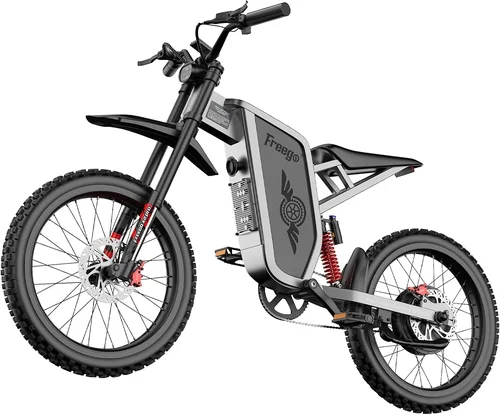
Electric motorcycles are no longer a futuristic fantasy—they’re here, and they’re revolutionizing the way we think about two-wheeled transportation. As we move into 2026, the market has matured dramatically, offering a diverse range of models that blend cutting-edge technology, impressive performance, and environmental responsibility. Whether you’re a daily commuter tired of gas prices, an adventure rider seeking silent power on backroads, or a tech enthusiast drawn to innovation, there’s never been a better time to go electric. This comprehensive buying guide is designed to cut through the noise and help you make a confident, informed decision. We’ll walk you through every critical factor—from battery life and charging infrastructure to build quality and long-term ownership costs—so you can find the perfect electric motorcycle for your lifestyle and budget.
In this guide, you’ll learn how to evaluate performance specs beyond just top speed, understand the real-world implications of range anxiety, and compare different types of electric motorcycles—from nimble urban commuters to high-performance sport bikes. We’ll also highlight common pitfalls buyers fall into, share expert tips for getting the best deal, and provide clear budget guidelines so you know exactly what you’re paying for. By the end, you’ll have a complete roadmap to navigate the rapidly evolving electric motorcycle landscape with confidence. The future of riding is electric, and it’s more accessible—and exciting—than ever before.
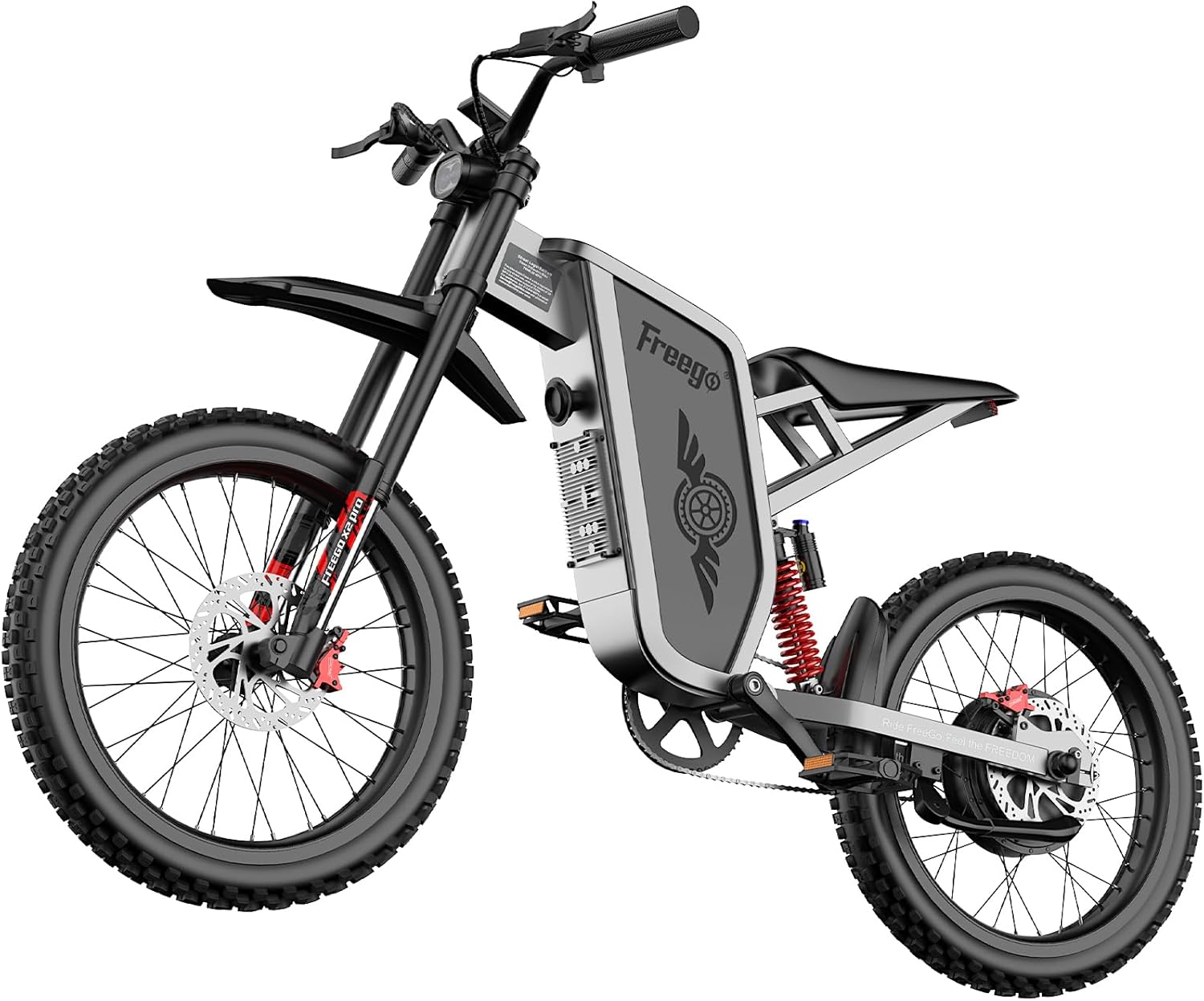
What to Look for When Buying an Electric Motorcycle
1. Range & Battery Technology
Range remains one of the most critical factors when choosing an electric motorcycle. Unlike gasoline-powered bikes where refueling takes minutes, recharging an EV can take hours—especially if you’re relying on standard Level 1 or Level 2 chargers. In 2026, most mid-to-high-end electric motorcycles offer between 80 and 150 miles of real-world range, with premium models pushing past 200 miles under ideal conditions. However, advertised ranges often assume optimal weather, flat terrain, and conservative riding styles. Cold temperatures, aggressive acceleration, and highway speeds can reduce actual range by 20–30%.
Look for lithium-ion batteries with high energy density (measured in kWh) and advanced thermal management systems. Brands like Zero Motorcycles and Energica now use liquid-cooled battery packs that maintain consistent performance even during repeated fast charging or spirited riding. Also consider battery degradation over time—most manufacturers guarantee 70–80% capacity after 50,000–100,000 miles. Check warranty terms carefully; some brands offer free battery replacements if capacity drops below a certain threshold within a set period.
2. Charging Speed & Infrastructure Compatibility
Charging speed directly impacts convenience. Most electric motorcycles support Level 1 (120V household outlet) and Level 2 (240V home or public charger) charging. A full charge on Level 1 can take 8–12 hours, while Level 2 reduces this to 2–4 hours. High-end models like the Lightning Strike or Damon Hypersport now include DC fast-charging capability, allowing you to add 60–80 miles of range in under 30 minutes at compatible stations.
Before buying, assess your access to charging infrastructure. If you live in an apartment without dedicated parking, rely on public chargers, or frequently take long trips, fast-charging capability becomes essential. Also verify connector types—CCS (Combined Charging System) is becoming the standard in North America, while some European models still use CHAdeMO. Ensure your chosen bike is compatible with networks like Electrify America, EVgo, or ChargePoint, which are expanding rapidly across major highways and urban centers.
3. Performance & Power Delivery
Electric motorcycles deliver instant torque—meaning maximum power is available from 0 RPM. This results in thrilling acceleration that often surpasses comparable gasoline bikes. For example, the Zero SR/F can go 0–60 mph in under 3.3 seconds, rivaling many sport bikes. But performance isn’t just about speed; it’s also about how that power feels under different riding conditions.
Pay attention to motor output (measured in kW or horsepower) and torque (Nm). Higher torque improves low-end responsiveness, ideal for city riding and hill climbing. Regenerative braking is another key feature—it recaptures energy during deceleration, extending range and reducing brake wear. Some models offer multiple riding modes (Eco, Sport, Rain, Custom) that adjust throttle response, regen strength, and top speed. Test ride whenever possible to feel how the bike behaves in real traffic.
4. Build Quality & Durability
An electric motorcycle is a significant investment, so durability matters. Look for frames made from high-strength aluminum or chromoly steel, which offer excellent rigidity without excessive weight. Suspension components should be from reputable brands like Öhlins, Showa, or KYB—especially if you plan to ride aggressively or off-road.
Weather resistance is crucial too. Most modern e-motorcycles are rated IP67 or higher, meaning they’re dust-tight and can withstand immersion in water up to 1 meter deep for 30 minutes. This makes them suitable for rainy commutes and light trail use. Inspect weld quality, cable routing, and finish details. A well-built bike will have clean lines, minimal rattles, and components that feel solid under stress. Brands like Harley-Davidson (with their LiveWire line) and BMW (CE 04) bring automotive-grade build standards to their electric offerings.
5. Features & Technology Integration
Modern electric motorcycles are packed with smart features. Expect full-color TFT displays with Bluetooth connectivity, smartphone integration (Apple CarPlay/Android Auto on select models), GPS navigation, and over-the-air (OTA) software updates. Some bikes even include adaptive cruise control, blind-spot monitoring, and traction control—features once reserved for luxury cars.
Consider usability: Are the controls intuitive? Is the display readable in direct sunlight? Can you easily access settings while riding? The best systems balance functionality with simplicity. For example, the Energica Experia includes a 7-inch touchscreen with voice commands and real-time range optimization, while the Super Soco TC Max focuses on minimalism with a clean analog-digital hybrid dash.
6. Brand Reputation & Dealer Network
Not all electric motorcycle brands are created equal. Established players like Zero, Energica, and Harley-Davidson have years of experience and robust dealer networks, making service and parts easier to access. Startups may offer innovative designs but could lack long-term support or struggle with supply chain issues.
Research customer service reviews and check if the brand has certified technicians in your area. A strong dealer network means faster repairs, better warranty fulfillment, and access to test rides. Also consider resale value—brands with proven reliability tend to hold their value better. For instance, used Zero Motorcycles often retain 60–70% of their original price after three years, thanks to strong brand loyalty and consistent updates.
7. Warranty & After-Sales Support
A comprehensive warranty can save you thousands in unexpected repair costs. Most manufacturers offer 2–3 years of bumper-to-bumper coverage, with extended warranties available for batteries and drivetrains. Look for warranties that cover both parts and labor, and clarify what’s excluded (e.g., wear items like tires and brake pads).
Battery warranties are particularly important—some brands guarantee 8 years or 100,000 miles, whichever comes first. Ask about loaner programs or roadside assistance. For example, LiveWire offers 24/7 emergency support and free towing to the nearest authorized dealer. Also check if software updates are free and how frequently they’re released—regular updates can improve performance, fix bugs, and add new features.
8. Size, Weight & Ergonomics
Electric motorcycles vary widely in size and weight. Urban commuters like the Super Soco CPX weigh under 300 lbs and feature step-through frames for easy mounting, while performance models like the Damon Hypersport weigh over 500 lbs and require confident handling.
Ergonomics play a huge role in comfort, especially on longer rides. Consider seat height, footpeg position, handlebar reach, and overall riding posture. Taller riders may prefer sport-touring models with adjustable seats, while shorter riders might opt for low-slung designs like the Cake Kalk OR. Test riding is essential—what looks good on paper may feel awkward in practice. Also factor in storage: some bikes include under-seat compartments or optional top cases, which are invaluable for daily use.
Different Types of Electric Motorcycles

Common Buying Mistakes to Avoid
❌ Mistake: Focusing Only on Top Speed
Why it’s bad: Top speed is rarely useful in real-world riding—most highways limit speeds to 65–75 mph, and city traffic moves much slower. Obsessing over specs like “120 mph top speed” distracts from more practical concerns like range, comfort, and reliability.
What to do instead: Prioritize torque, acceleration from 0–40 mph (critical for merging and overtaking), and real-world range. A bike that feels quick in daily use will satisfy you far more than one with a high but unusable top speed.
❌ Mistake: Ignoring Charging Logistics
Why it’s bad: Assuming you can charge anywhere leads to frustration. Without home charging or reliable public stations, you’ll spend hours waiting or risk being stranded.
What to do instead: Map out your typical routes and identify charging points beforehand. Invest in a home Level 2 charger if possible ($500–$1,200 installed). Choose a bike with fast-charging capability if you travel frequently.
❌ Mistake: Overlooking Total Cost of Ownership
Why it’s bad: Electric motorcycles have lower fuel and maintenance costs, but upfront prices are still high. Buyers often forget insurance, registration, potential battery replacement, and accessory costs.
What to do instead: Calculate 5-year ownership costs including electricity, tires, brake fluid, and insurance. Use online calculators from brands like Zero or Energica to compare against gasoline equivalents.
❌ Mistake: Skipping the Test Ride
Why it’s bad: Electric motorcycles feel radically different from gas bikes—instant torque, quiet operation, and unique weight distribution can be disorienting if you’re unprepared.
What to do instead: Always test ride multiple models. Pay attention to throttle smoothness, braking feel, and how the bike handles at low speeds. Many dealers now offer extended demo periods or rental programs.
❌ Mistake: Buying Based on Looks Alone
Why it’s bad: A stunning design doesn’t guarantee performance or reliability. Some flashy models sacrifice practicality for aesthetics.
What to do instead: Balance style with function. Ask: Does it have adequate storage? Is the seat comfortable? Are controls within reach? A beautiful bike that’s impractical will spend more time in the garage.
❌ Mistake: Neglecting Software & Updates
Why it’s bad: Unlike gas bikes, electric motorcycles rely heavily on software for performance, safety, and features. Outdated firmware can limit functionality or cause glitches.
What to do instead: Choose brands known for regular OTA updates. Check release notes online—frequent updates indicate active development and customer support.
❌ Mistake: Assuming All EVs Are “Green”
Why it’s bad: While electric motorcycles produce zero tailpipe emissions, their environmental impact depends on how the electricity is generated and how the battery is manufactured.
What to do instead: Pair your e-motorcycle with renewable energy sources if possible. Research brands with sustainable manufacturing practices and battery recycling programs.
Budget Guidelines: How Much Should You Spend?
Entry-Level ($5,000–$12,000): Ideal for city commuters and first-time EV riders. Models like the Super Soco TSX or NIU NQi GT offer 40–70 miles of range, basic displays, and simple maintenance. Expect fewer features and shorter warranties, but they’re perfect for short daily trips. Great for students, delivery riders, or anyone testing the waters.
Mid-Range ($12,000–$25,000): The sweet spot for most buyers. Bikes like the Zero FXE or Cake Kalk& offer 80–120 miles of range, better build quality, and useful tech like smartphone apps and multiple riding modes. These models balance performance, comfort, and value, making them ideal for daily commuting and weekend rides.
Premium ($25,000–$40,000): For enthusiasts and serious riders. The Zero SR/S, Energica Ego+, and Harley-Davidson LiveWire One deliver 120–180 miles of range, fast charging, premium suspension, and advanced electronics. You’ll get automotive-grade fit and finish, longer warranties, and access to dealer networks. Perfect for those who want performance without compromise.
Luxury ($40,000+): Reserved for collectors and performance junkies. Models like the Damon Hypersport Premier or Lightning LS-218 feature carbon fiber bodies, track-focused tuning, and bespoke components. These bikes offer cutting-edge innovation but come with steep depreciation and limited practicality. Best suited for weekend warriors or tech early adopters.
Expert Tips for Getting the Best Deal
- Buy at the end of the model year: Dealers often discount outgoing models to clear inventory for new releases. September–November is prime time for deals.
- Negotiate accessories and service packages: Many dealers include free helmets, charging cables, or maintenance plans if you ask. Don’t accept the sticker price without discussion.
- Check for state and federal incentives: Some regions offer rebates up to $2,000 for electric motorcycle purchases. The U.S. federal tax credit may still apply to certain models—verify eligibility before buying.
- Consider certified pre-owned (CPO): Used electric motorcycles depreciate quickly, but CPO programs from brands like Zero include inspections, warranties, and software updates.
- Use online configurators: Build your ideal bike on the manufacturer’s website to compare options and pricing. Some brands offer online-exclusive discounts.
- Join owner forums: Communities like Electric Motorcycle Talk or Reddit’s r/electricmotorcycles share real-world deals, dealer experiences, and negotiation tips.
- Ask about trade-ins: Even if you don’t own an electric bike, many dealers accept gasoline motorcycles as trade-ins, reducing your out-of-pocket cost.
- Read the fine print on financing: Some manufacturers offer 0% APR for qualified buyers. Compare dealer financing with credit unions or online lenders for the best rate.

Frequently Asked Questions
Q: How long does it take to charge an electric motorcycle?
A: It depends on the charger and battery size. Level 1 (120V) takes 8–12 hours for a full charge. Level 2 (240V) reduces this to 2–4 hours. DC fast charging can add 60–80 miles in 20–30 minutes on compatible models. Always check your bike’s max charging rate—not all support fast charging.
Q: Are electric motorcycles reliable?
A: Generally, yes. With fewer moving parts than gasoline engines (no oil changes, no spark plugs, no exhaust systems), electric motorcycles require less maintenance. However, reliability varies by brand. Stick with established manufacturers and read long-term owner reviews.
Q: Can I ride an electric motorcycle in the rain?
A: Absolutely. Most modern e-motorcycles are waterproof (IP67 rated) and safe to ride in wet conditions. Avoid submerging the bike or spraying high-pressure water directly into charging ports.
Q: What happens if the battery dies on the road?
A: Unlike gas bikes, you can’t “push-start” an electric motorcycle. Most brands offer roadside assistance, and some include portable jump packs. Plan routes with charging stops, and carry a backup power bank if your bike supports it.
Q: Do electric motorcycles need insurance?
A: Yes, just like gasoline motorcycles. Insurance costs may be slightly lower due to reduced theft risk and fewer mechanical issues, but premiums vary by model, location, and rider history.
Q: Can I modify or upgrade my electric motorcycle?
A: Limited modifications are possible—tires, seats, and accessories are common. However, altering the motor, battery, or software may void your warranty. Always consult your dealer before making changes.
Q: How do cold weather affects range?
A: Cold temperatures reduce battery efficiency, cutting range by 20–30%. Preconditioning the battery (warming it while plugged in) helps. Some bikes include heated grips or seats to offset energy loss.
Q: Are there enough charging stations for long trips?
A: Growing rapidly. Networks like Electrify America now cover most major U.S. highways. Use apps like PlugShare or A Better Routeplanner to map routes with fast chargers. Europe and parts of Asia have even denser networks.
Q: What’s the lifespan of an electric motorcycle battery?
A: Typically 8–12 years or 100,000–150,000 miles, depending on usage and care. Most warranties cover 70–80% capacity retention. Proper charging habits (avoiding 0% or 100% regularly) extend life.
Q: Can I charge at home without a garage?
A: Yes, but you’ll need outdoor-rated outlets and weatherproof charging equipment. Consider installing a dedicated circuit and using a lockable charging station for security.
Our Final Recommendations
Best for Budget-Conscious Buyers: Super Soco CPX – At under $8,000, it offers 60+ miles of range, lightweight agility, and low operating costs. Perfect for urban commuting and first-time EV riders.
Best Overall Value: Zero SR/F – With 120+ miles of range, fast charging, premium build quality, and responsive performance, it strikes the ideal balance for daily use and weekend fun.
Best Premium Option: Energica Ego+ – A true electric sport bike with 150-mile range, 145 hp, and Italian craftsmanship. Ideal for riders who want performance and prestige.
Best for Beginners: Cake Kalk OR – Simple controls, lightweight design, and off-road capability make it approachable yet capable. Great for learning without intimidation.
Best for Advanced Users: Damon Hypersport Premier – Packed with AI-assisted safety features, adaptive suspension, and 200+ mile range, it’s a tech-forward marvel for serious riders.
Conclusion: Making the Right Choice
Choosing the right electric motorcycle in 2026 isn’t just about picking the fastest or flashiest model—it’s about aligning your ride with your lifestyle, budget, and values. From daily commutes to weekend adventures, the right e-motorcycle can transform how you experience the road. By focusing on real-world range, charging practicality, build quality, and long-term support, you’ll avoid common pitfalls and find a bike that delivers joy, reliability, and sustainability for years to come.
Remember, the best electric motorcycle is the one you’ll actually ride. Don’t let specs overwhelm you—prioritize what matters most: comfort, convenience, and confidence. Take your time, test ride multiple models, and leverage expert advice and owner communities. The electric revolution is here, and it’s time to join the ride. Whether you’re cutting emissions, saving on fuel, or simply embracing the thrill of silent power, your perfect electric motorcycle is waiting.