
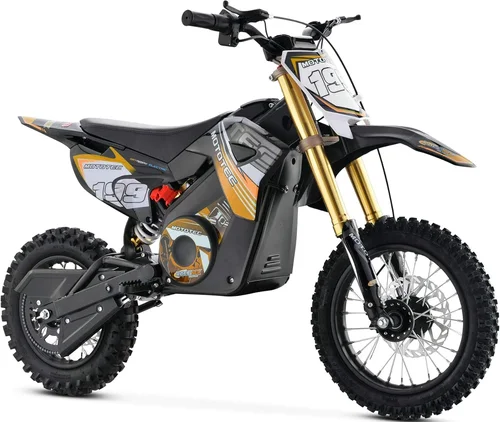
Electric dirt bikes have revolutionized off-road riding, offering a cleaner, quieter, and increasingly powerful alternative to traditional gas-powered machines. Whether you’re a weekend trail rider, a parent looking for a safe first bike for your child, or an eco-conscious adventurer seeking thrills without the emissions, the electric dirt bike market has never been more accessible. With advancements in battery technology, motor efficiency, and frame design, high-performance electric dirt bikes are now available at surprisingly affordable prices. This comprehensive buying guide is designed to cut through the noise and help you make an informed decision when choosing the best electric dirt bike under $2000 in 2026.
In this guide, you’ll learn everything you need to know to find the perfect electric dirt bike that fits your budget, skill level, and riding goals. We’ll break down the most important factors to consider—from performance specs and build quality to brand reputation and warranty coverage. You’ll also discover the different types of electric dirt bikes available, common pitfalls to avoid, and expert tips for getting the best value. Whether you’re shopping for your first e-dirt bike or upgrading from an older model, this guide will equip you with the knowledge to choose wisely and ride confidently.
The electric dirt bike market has matured significantly over the past few years. What once was a niche segment dominated by expensive, low-range prototypes is now a vibrant industry with dozens of reliable brands offering feature-rich models under $2000. Companies like Sur Ron, Talaria, and Razor have paved the way, but newer entrants such as Tuttio, Cake, and Segway have introduced innovative designs and competitive pricing. With battery ranges exceeding 40 miles on a single charge, top speeds over 50 mph, and robust suspension systems, today’s sub-$2000 electric dirt bikes deliver performance that rivals much more expensive models. This guide will help you navigate this exciting landscape and find the ideal bike for your needs.

What to Look for When Buying Tuttio
1. Budget & Price Range
Sticking to a $2000 budget doesn’t mean sacrificing quality—it means being smart about value. At this price point, you can find electric dirt bikes that offer excellent performance, durable construction, and modern features. However, it’s crucial to understand what you’re getting for your money. Entry-level models under $1000 may appeal to casual riders or kids, but they often come with lower-capacity batteries, weaker motors, and less robust frames. Mid-range bikes between $1000 and $1500 strike a sweet spot, offering reliable components and decent range. Premium models from $1500 to $2000 typically include higher-end motors, better suspension, and advanced battery management systems.
2. Performance Specifications
Performance is where electric dirt bikes truly shine. Key specs to evaluate include motor power (measured in watts or horsepower), top speed, torque, and range. Most electric dirt bikes under $2000 feature brushless DC motors ranging from 1000W to 3000W. A 2000W motor, for example, can deliver impressive acceleration and handle moderate hills with ease. Top speeds typically range from 25 to 50 mph, depending on the model and rider weight. Torque is equally important—electric motors provide instant torque, which means quick launches and responsive throttle control.
Range is another critical factor. Look for bikes with lithium-ion batteries that offer at least 20–30 miles of range on a single charge. Battery capacity is measured in watt-hours (Wh); a 48V 15Ah battery equals 720Wh. Higher Wh ratings generally mean longer rides. Also, check charging time—most bikes take 3–6 hours to fully charge, though some fast-charging models can reach 80% in under two hours.
3. Build Quality & Durability
Electric dirt bikes endure rough terrain, so build quality is non-negotiable. Look for frames made from high-tensile steel or aluminum alloys, which offer strength without excessive weight. Weld quality matters—poor welds can lead to cracks or failures under stress. Suspension systems should include front forks and rear shocks capable of absorbing jumps and bumps. Dual suspension setups are ideal for aggressive trail riding, while single suspension may suffice for lighter use.
Tires, brakes, and drivetrain components also contribute to durability. Knobby, off-road tires provide better grip on dirt, mud, and gravel. Disc brakes (preferably hydraulic) offer superior stopping power compared to mechanical or drum brakes. Chain or belt drives? Belts are quieter and require less maintenance, but chains are more common and easier to replace. Inspect the overall fit and finish—loose bolts, misaligned parts, or flimsy plastics are red flags.
4. Features & Functionality
Modern electric dirt bikes come packed with features that enhance safety, convenience, and performance. Look for models with multiple riding modes (Eco, Normal, Sport), which allow you to adjust power output based on terrain and battery life. Regenerative braking can help extend range by converting kinetic energy back into battery charge during deceleration. LED lighting improves visibility during low-light rides, while digital displays show speed, battery level, trip distance, and error codes.
Other useful features include removable batteries (for easy charging or swapping), adjustable seat height, and foldable handlebars for compact storage. Some bikes even offer Bluetooth connectivity or smartphone apps for ride tracking and diagnostics. While not essential, these extras can significantly improve the riding experience, especially for tech-savvy users.
5. Brand Reputation
Not all electric dirt bike brands are created equal. Established names like Sur Ron, Talaria, and Razor have built reputations for reliability and customer support. Newer brands like Tuttio are gaining traction by offering innovative designs at competitive prices, but they may lack long-term track records. Research customer reviews, forum discussions, and professional test reports to gauge a brand’s credibility.
Pay attention to how responsive a company is to customer inquiries and complaints. A brand that stands behind its products with strong warranties and accessible support is more likely to resolve issues quickly. Also, consider availability of spare parts—some lesser-known brands use proprietary components that are hard to replace, leading to downtime and frustration.
6. Warranty & Support
A solid warranty is a sign of confidence in a product’s quality. Most reputable electric dirt bike manufacturers offer at least a 6-month to 1-year warranty covering the frame, motor, and battery. Some go further—Sur Ron, for example, provides a 2-year limited warranty on key components. Read the fine print: does the warranty cover labor? Are batteries included? What voids the warranty?
Customer support matters just as much. Can you easily reach a technician via phone or email? Is there a local service center or authorized repair shop nearby? Online resources like user manuals, video tutorials, and community forums can also be invaluable. A brand with strong support infrastructure ensures you won’t be left stranded if something goes wrong.
7. Size & Portability
Size affects both ride comfort and practicality. Adult riders should look for bikes with a seat height between 30 and 36 inches, depending on inseam length. Youth models are available for younger riders, with lower seat heights and reduced power output for safety. Weight is another consideration—most electric dirt bikes weigh between 80 and 150 pounds. Lighter bikes are easier to maneuver and transport, but heavier models often have sturdier frames and larger batteries.
Portability features like foldable footpegs, removable batteries, and compact wheelbases make a big difference if you plan to transport your bike frequently. If you’re loading it into a car or trailer, consider dimensions and weight distribution. Some bikes are designed with modular components that can be disassembled quickly for storage or shipping.
8. User Reviews & Ratings
Nothing beats real-world feedback. Before making a purchase, read through verified customer reviews on retailer websites, YouTube video testimonials, and forums like Reddit or Electric Bike Report. Look for patterns—do multiple users praise the same feature or complain about the same issue? Pay attention to how the bike performs in different conditions: wet weather, steep hills, long rides, etc.
Be cautious of overly positive or generic reviews that lack detail—they may be fake. Instead, focus on balanced assessments that mention both pros and cons. Reviews from experienced riders or mechanics carry extra weight. If possible, test ride a model at a local dealer or demo event to form your own opinion.
Different Types of Tuttio

Common Buying Mistakes to Avoid
❌ Mistake: Ignoring Battery Specifications
Why it’s bad: The battery is the heart of any electric dirt bike. A weak or poorly designed battery will limit range, reduce performance, and degrade quickly. Many buyers focus only on motor power and overlook battery capacity, chemistry, and management systems.
What to do instead: Always check the battery’s voltage (V), ampere-hour (Ah), and watt-hour (Wh) ratings. Opt for lithium-ion (Li-ion) or lithium iron phosphate (LiFePO4) batteries, which offer better longevity and safety than older lead-acid types. Look for built-in Battery Management Systems (BMS) that protect against overcharging, overheating, and deep discharge.
❌ Mistake: Overlooking Weight and Size
Why it’s bad: A bike that’s too heavy or too tall can be difficult to control, especially for younger or less experienced riders. It can also make transportation and storage a hassle.
What to do instead: Match the bike’s size and weight to the rider’s physical capabilities. Test ride if possible. For kids, choose youth-specific models with lower seat heights and reduced power. For adults, ensure the bike fits comfortably and isn’t overly cumbersome to lift or load.
❌ Mistake: Skipping the Warranty Fine Print
Why it’s bad: A warranty that looks generous on the surface might exclude critical components like the battery or motor. Some brands void warranties if the bike is used off-road or modified.
What to do instead: Read the warranty terms carefully. Ask the seller or manufacturer directly about coverage details. Choose brands that offer transparent, comprehensive warranties and have a history of honoring claims.
❌ Mistake: Buying Based on Price Alone
Why it’s bad: The cheapest bike isn’t always the best value. Low-cost models often use inferior components that wear out quickly, leading to higher long-term costs and safety risks.
What to do instead: Evaluate the total cost of ownership, including maintenance, battery life, and upgrade potential. Spend a little more upfront for a bike with better build quality and reliability—it will pay off in durability and performance.
❌ Mistake: Neglecting Safety Features
Why it’s bad: Electric dirt bikes can reach high speeds quickly. Without proper safety features, riders are at greater risk of accidents, especially beginners.
What to do instead: Prioritize bikes with reliable braking systems (hydraulic disc brakes), bright LED lights, and stable suspension. Consider additional safety gear like helmets, gloves, and knee pads. Some bikes include speed limiters or beginner modes—use them until you gain confidence.
❌ Mistake: Not Researching Local Laws
Why it’s bad: Electric dirt bikes may not be street-legal in all areas. Riding on public roads without proper registration or insurance can result in fines or confiscation.
What to do instead: Check your local regulations regarding e-bike and e-moto classifications. Some states classify electric dirt bikes as motor vehicles requiring licenses, while others allow them on trails only. Choose a model that complies with your intended use.
❌ Mistake: Failing to Test Ride
Why it’s bad: Specs on paper don’t always reflect real-world performance. A bike might look great online but feel sluggish, uncomfortable, or poorly balanced in person.
What to do instead: Whenever possible, test ride the bike before buying. Attend demo days, visit local dealers, or borrow from a friend. Pay attention to throttle response, suspension feel, and overall ergonomics.
Budget Guidelines: How Much Should You Spend?
- Entry-Level ($500–$1,000): Ideal for kids, teens, or casual riders. Expect smaller motors (500W–1000W), shorter range (10–20 miles), and basic components. These bikes are great for learning but may lack durability for serious trail use. Look for models like the Razor MX650 or Tuttio Junior Trail.
- Mid-Range ($1,000–$1,500): The sweet spot for most buyers. Bikes in this range offer 1500W–2000W motors, 25–35 mile range, and improved suspension and brakes. They’re suitable for weekend adventures and light off-roading. Examples include the Tuttio Trail Pro and Segway X260.
- Premium ($1,500–$2,000): Designed for enthusiasts and frequent riders. These bikes feature 2000W–3000W motors, long-range batteries (30–50 miles), and high-quality components. They often include advanced features like regenerative braking, multiple ride modes, and app connectivity. The Tuttio Adventure X and Talaria Sting are top contenders.
- Luxury ($2,000+): While outside our target range, luxury models offer cutting-edge tech, carbon fiber frames, and professional-grade performance. They’re best suited for competitive riders or those willing to invest in top-tier gear.
Expert Tips for Getting the Best Deal
- Shop During Off-Season: Electric dirt bikes are in highest demand during spring and summer. Buy in late fall or winter to take advantage of clearance sales and discounts.
- Compare Retailers: Prices can vary significantly between online stores, local dealers, and direct-from-manufacturer sales. Check Amazon, REI, Backcountry, and brand websites for the best deals.
- Look for Bundles: Some retailers offer packages that include helmets, gloves, chargers, or spare batteries. These can add value and save you money on accessories.
- Sign Up for Newsletters: Many brands send exclusive discount codes to subscribers. You might get 10–15% off your first purchase just for signing up.
- Check Return Policies: Ensure the seller offers a reasonable return window (at least 14–30 days) in case the bike doesn’t meet your expectations.
- Inspect Before Finalizing: If buying online, unbox and inspect the bike immediately. Report any damage or missing parts within the return period.
- Join Owner Communities: Online forums and Facebook groups often share insider deals, promo codes, and upgrade tips. You might even find someone selling a used bike in excellent condition.
- Negotiate with Local Dealers: If purchasing in-store, don’t hesitate to ask for a discount, especially if you’re buying accessories or multiple items.

Frequently Asked Questions
Q: Are electric dirt bikes legal to ride on public trails?
A: It depends on your location and the trail’s regulations. Many public lands allow Class 1 and Class 2 e-bikes, but electric dirt bikes often fall into a gray area. Always check with local authorities or land management agencies before riding. Some states require registration, while others ban motorized vehicles entirely on certain trails.
Q: How long do electric dirt bike batteries last?
A: Most lithium-ion batteries last 500–1000 charge cycles, which translates to 2–5 years of regular use. Proper care—like avoiding full discharges and storing at 50% charge—can extend lifespan. Replacement batteries typically cost $300–$600.
Q: Can I ride an electric dirt bike in the rain?
A: Most electric dirt bikes are water-resistant (IP54 or higher), meaning they can handle light rain and splashes. However, submerging the bike or riding through deep puddles can damage electrical components. Always dry the bike thoroughly after wet rides and avoid charging a wet battery.
Q: Do I need a license to ride an electric dirt bike?
A: In most states, no license is required if the bike is used off-road only. However, if you plan to ride on public roads, you may need a motorcycle license, registration, and insurance. Check your local DMV for specific requirements.
Q: How fast can electric dirt bikes go under $2000?
A: Top speeds range from 25 mph (entry-level) to over 50 mph (premium models). Most mid-range bikes hit 35–45 mph, which is more than enough for trail riding and recreational use.
Q: Are electric dirt bikes good for beginners?
A: Yes, especially models with adjustable power modes and lower seat heights. Electric bikes are easier to control than gas-powered ones due to instant torque and no clutch. Start in Eco mode and gradually increase power as you gain confidence.
Q: Can I upgrade my electric dirt bike?
A: Many bikes allow upgrades like larger batteries, performance controllers, or better suspension. However, modifications may void your warranty. Stick to manufacturer-approved upgrades when possible.
Q: How do I maintain my electric dirt bike?
A: Regular maintenance includes cleaning the chain, checking tire pressure, inspecting brakes, and keeping the battery charged. Avoid using high-pressure washes near electrical components. Store in a dry, cool place when not in use.
Q: What’s the difference between a hub motor and a mid-drive motor?
A: Hub motors are built into the wheel and are simpler, quieter, and cheaper. Mid-drive motors are mounted near the pedals (or crank) and offer better weight distribution and hill-climbing ability. Most electric dirt bikes under $2000 use hub motors for cost efficiency.
Q: Can kids ride electric dirt bikes?
A: Absolutely—many brands offer youth-specific models with reduced power, lower speeds, and smaller frames. Always supervise young riders and ensure they wear proper safety gear.
Our Final Recommendations
- Best for Budget-Conscious Buyers: Tuttio Trail Junior – At under $900, this bike delivers surprising performance for its price. With a 1000W motor, 20-mile range, and lightweight aluminum frame, it’s perfect for teens and beginners. Includes LED lights, disc brakes, and a removable battery.
- Best Overall Value: Tuttio Trail Pro – Priced at $1,499, this mid-range champion offers a 2000W motor, 35-mile range, dual suspension, and three riding modes. It’s durable, feature-rich, and ideal for weekend trail adventures.
- Best Premium Option: Tuttio Adventure X – At $1,899, this bike pushes the $2000 limit with a 3000W motor, 50-mile range, regenerative braking, and Bluetooth app integration. Built for serious riders who want performance without breaking the bank.
- Best for Beginners: Razor MX650 Dirt Rocket – A trusted name in youth electric bikes, the MX650 offers 650W power, 17 mph top speed, and a sturdy steel frame. Great for kids and first-time riders.
- Best for Advanced Users: Talaria Sting – Though slightly above $2000 in some configurations, the base model fits our budget and delivers pro-level performance with a 3000W motor, 40+ mile range, and race-inspired geometry.
Conclusion: Making the Right Choice
Choosing the best electric dirt bike under $2000 doesn’t have to be overwhelming. By focusing on key factors like performance, build quality, battery life, and brand reputation, you can find a bike that matches your riding style and budget. Remember to avoid common pitfalls—don’t skimp on safety, ignore warranty details, or buy based solely on price. Instead, prioritize value, reliability, and long-term satisfaction.
Whether you’re hitting the trails for the first time or upgrading from an older model, the right electric dirt bike can open up a world of adventure. Take your time, do your research, and test ride when possible. And once you’ve made your choice, get out there and enjoy the ride—quietly, cleanly, and with confidence.
Your perfect electric dirt bike is out there. With this guide in hand, you’re ready to find it.