
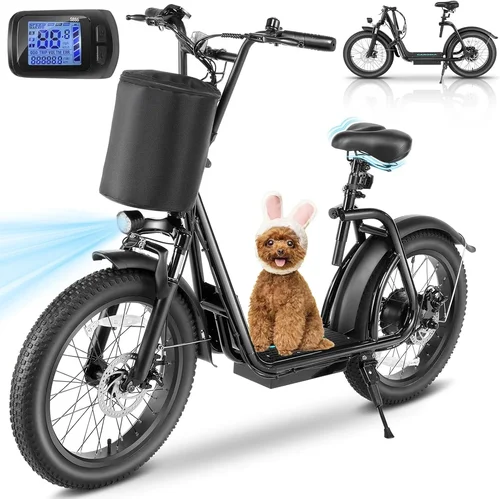
Electric bikes and scooters have exploded in popularity over the past few years, transforming how people move through cities, commute to work, or simply enjoy a weekend ride. Whether you’re a daily commuter tired of traffic jams, an eco-conscious traveler looking for sustainable transport, or someone who just wants a fun and efficient way to explore your neighborhood, electric micromobility offers a compelling solution. But with so many rental options flooding the market—from dockless scooters on street corners to high-end e-bike subscription services—it’s easy to feel overwhelmed. That’s where this guide comes in.
In 2026, the electric bike and scooter rental landscape is more dynamic than ever. Companies are rolling out smarter vehicles with longer battery life, integrated GPS tracking, app-based unlocking, and even AI-powered safety features. At the same time, cities are expanding bike lanes and micromobility zones, making it easier (and safer) to ride. Yet, not all rentals are created equal. Some offer cutting-edge tech but poor maintenance; others are affordable but lack reliability. This guide will walk you through everything you need to know to choose the right electric bike or scooter rental that fits your lifestyle, budget, and needs—without falling into common traps.
By the end of this comprehensive buying guide, you’ll understand the key factors that separate a great rental experience from a frustrating one. You’ll learn how to evaluate performance specs like range and speed, assess build quality and safety features, compare different types of rentals, avoid costly mistakes, and find the best deals. Whether you’re renting for a single day trip or considering a long-term subscription, this guide arms you with expert-level knowledge to make a confident, informed decision.

What to Look for When Choosing Electric Bike & Scooter Rentals
1. Budget & Price Range
Your budget is often the first and most important filter when choosing an electric bike or scooter rental. Rental pricing typically follows two models: pay-per-minute (common for dockless scooters) or flat-rate subscriptions (popular for e-bikes). Pay-per-minute rentals usually cost between $1 to unlock plus $0.15–$0.35 per minute, while daily or weekly subscriptions can range from $15 to $50 depending on the provider and vehicle type.
It’s crucial to consider not just the upfront cost but also hidden fees. Some services charge extra for parking outside designated zones, late returns, or damage waivers. Always read the fine print. For example, Lime and Bird may seem cheap at first glance, but extended rides can quickly add up. On the other hand, companies like Jump (Uber) or Veo offer capped daily rates that make longer trips more economical.
2. Performance Specifications
Performance matters—especially if you’re using your rental for commuting or longer rides. Key specs to evaluate include top speed, range per charge, motor power, and hill-climbing ability. Most city e-scooters max out at 15–20 mph, while high-performance e-bikes can reach 28 mph (Class 3). Range varies widely: budget scooters may only go 8–12 miles, whereas premium e-bikes can exceed 60 miles on a single charge.
Motor power is measured in watts (W). A 250W motor is sufficient for flat terrain, but if you live in a hilly area, opt for 500W or higher. Also, check whether the vehicle uses a hub motor (integrated into the wheel) or mid-drive motor (connected to the pedals)—mid-drives generally offer better efficiency and torque.
Battery type is another critical factor. Lithium-ion batteries are standard and offer good energy density, but their lifespan degrades over time. Ask about battery health if renting long-term. Some providers now use swappable batteries, which means you’re less likely to get stuck with a dead unit.
3. Build Quality & Durability
Since rental vehicles are used by many people daily, durability is non-negotiable. Look for models with aluminum or reinforced steel frames, puncture-resistant tires, and water-resistant components (IPX4 rating or higher). Avoid rentals with wobbly handlebars, loose brakes, or cracked decks—these are red flags for poor maintenance.
Pay attention to weight capacity too. Most scooters support up to 220–260 lbs, while e-bikes can handle 250–300 lbs. Exceeding these limits risks mechanical failure and safety hazards. Also, check tire type: air-filled tires offer better shock absorption but are prone to flats; solid tires are maintenance-free but provide a rougher ride.
Regular maintenance logs (if available) are a strong indicator of a reputable provider. Companies like Spin and Tier often publish fleet health reports, showing how frequently vehicles are serviced. This transparency builds trust and ensures you’re not riding a neglected machine.
4. Features & Functionality
Modern electric rentals come packed with smart features that enhance convenience and safety. Essential functionalities include GPS tracking, smartphone app integration, digital displays, and anti-theft alarms. The app should allow you to locate nearby vehicles, check battery level, unlock remotely, and report issues instantly.
Safety features are equally important. Look for bright LED headlights and taillights, responsive disc or regenerative brakes, and audible horns or bells. Some advanced models even include turn signals, blind-spot detection, or collision warnings—though these are still rare in rentals.
Comfort features shouldn’t be overlooked. Adjustable handlebars, ergonomic grips, suspension systems (front or full), and padded seats (on e-bikes) make longer rides more enjoyable. If you’re commuting daily, these small details significantly impact your experience.
5. Brand Reputation & Service Reliability
Not all rental companies are equal in terms of service quality. Established brands like Lime, Bird, and Veo have large fleets and robust customer support, but they’ve also faced criticism for inconsistent vehicle availability and slow response times. Smaller, local operators might offer better-maintained bikes but limited coverage areas.
Research user reviews on platforms like Google, Reddit, or Trustpilot. Pay attention to recurring complaints—frequent breakdowns, unresponsive客服, or hidden charges are warning signs. Also, check if the company operates in your city and how dense their fleet is. A sparse network means you might walk farther to find a vehicle.
Customer support responsiveness is crucial. Can you reach someone quickly via chat or phone? Do they offer real-time assistance during rides? Some providers now include in-app live support, which can resolve issues like locked brakes or GPS errors on the spot.
6. Warranty & Support
While rentals don’t come with traditional warranties like purchased vehicles, reputable providers offer damage protection plans or liability coverage. These typically cost $1–$3 extra per ride and cover accidental damage up to a certain amount (e.g., $1,000). Without it, you could be liable for full repair costs—even for minor scratches.
Check the provider’s policy on mechanical failures. If a scooter breaks down mid-ride, will they send a replacement? Do they refund your time? Companies like Dott and Lime have “ride assurance” programs that compensate users for delays caused by faulty vehicles.
Also, verify insurance coverage. Most personal auto or renters’ insurance doesn’t cover micromobility accidents. Some rental apps include basic third-party liability insurance, but it’s often minimal. Consider supplemental coverage if you ride frequently.
7. Size & Portability
Portability matters if you need to carry your rental upstairs, onto public transit, or store it in a small apartment. E-scooters are generally lighter (20–30 lbs) and foldable, making them ideal for mixed-mode commuting. E-bikes are heavier (40–70 lbs) and less portable, though some models feature step-through frames or removable batteries for easier handling.
Consider where you’ll park. Dockless scooters can be left almost anywhere (within geofenced zones), but e-bikes often require secure docking stations. If you live in a high-theft area, look for rentals with built-in locks or those that must be returned to designated hubs.
For travelers, portability is even more critical. Some airports and hotels now offer on-site rentals, but weight and size restrictions may apply if you’re flying. Always check airline policies before assuming you can bring a rental onboard.
8. User Reviews & Ratings
Never underestimate the power of real user feedback. Before committing to a rental service, scan recent reviews focusing on reliability, app usability, vehicle condition, and customer service. Look for patterns—if multiple users report dead batteries or broken brakes in the same neighborhood, it’s likely a systemic issue.
Use aggregate rating platforms like App Store, Google Play, or specialized sites like Micromobility Industries. Pay attention to how companies respond to negative reviews. A prompt, helpful reply shows accountability and commitment to improvement.
Local Facebook groups or Nextdoor communities can also provide hyperlocal insights. Someone in your neighborhood might share which provider has the best-maintained scooters near your subway stop or which e-bike station is always empty.
Different Types of Electric Bike & Scooter Rentals

Common Buying Mistakes to Avoid
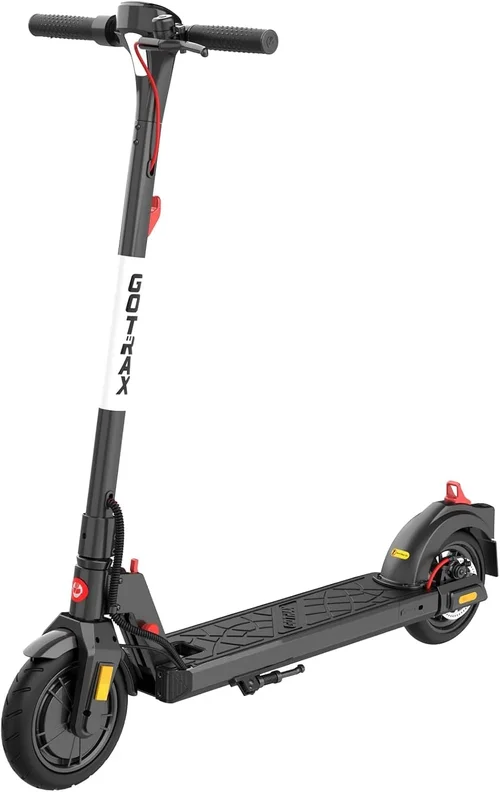
❌ Mistake: Ignoring Local Regulations
Why it’s bad: Many cities have strict rules about where and how you can ride e-bikes and scooters. Some ban them from sidewalks, limit speeds in parks, or require helmets. Violating these rules can result in fines or confiscation of the vehicle.
What to do instead: Before your first ride, check your city’s micromobility regulations. Apps like Lime often include local rule summaries. Always wear a helmet if required, and stick to bike lanes or designated paths.
❌ Mistake: Choosing Based Solely on Price
Why it’s bad: The cheapest option often comes with trade-offs—poor battery life, uncomfortable ride, or unreliable brakes. A $10 daily rental might save money upfront but cost you time and stress if it breaks down.
What to do instead: Balance cost with quality. Read reviews, test ride if possible, and prioritize safety and reliability over minor savings. Sometimes paying $5 more gets you a vastly better experience.
❌ Mistake: Not Checking Battery Level Before Riding
Why it’s bad: Starting a ride with a low battery can leave you stranded miles from your destination—especially dangerous at night or in unfamiliar areas.
What to do instead: Always check the battery percentage in the app before unlocking. Most apps show real-time charge levels. If it’s below 30%, skip it and find another vehicle.
❌ Mistake: Overlooking Insurance or Damage Protection
Why it’s bad: Without coverage, you could be held financially responsible for damage—even if it wasn’t your fault. Repair costs for a broken motor or frame can exceed $1,000.
What to do instead: Opt into damage protection plans, especially for longer rides. It’s usually just $1–$3 and provides peace of mind. Keep photos of the vehicle before and after your ride as evidence.
❌ Mistake: Assuming All Rentals Are Equally Safe
Why it’s bad: Poorly maintained rentals may have worn brakes, loose parts, or faulty electronics. Riding such a vehicle increases accident risk.
What to do instead: Do a quick pre-ride inspection: test brakes, check tire pressure, ensure lights work, and listen for unusual noises. Report any issues immediately through the app.
❌ Mistake: Not Planning Your Route
Why it’s bad: Getting lost or running out of battery mid-trip is frustrating and potentially unsafe. Urban areas may have dead zones with no signal or charging stations.
What to do instead: Use navigation apps that support micromobility (like Google Maps’ bike mode). Plan your route in advance, note charging/docking locations, and allow extra time for delays.
❌ Mistake: Ignoring Weather Conditions
Why it’s bad: Wet roads reduce traction, and cold weather drains batteries faster. Riding in rain or snow without proper gear is hazardous.
What to do instead: Check the forecast before heading out. Avoid riding in heavy rain or icy conditions. If you must ride, wear waterproof clothing and reduce speed.
Budget Guidelines: How Much Should You Spend?
Entry-Level ($0–$20/day): Ideal for occasional users or tourists. Expect basic models with limited range (8–15 miles), minimal features, and variable maintenance. Best for short, flat trips under 30 minutes. Providers like Bird and Lime dominate this tier.
Mid-Range ($20–$40/day or $50–$100/month): The sweet spot for most commuters. These rentals offer reliable performance, decent battery life (20–40 miles), and better build quality. Look for brands like Veo, Dott, or local bike-share programs. Includes features like app integration, GPS, and basic safety tech.
Premium ($40–$80/day or $100–$200/month): For enthusiasts and daily riders who demand more. Higher top speeds (up to 28 mph), advanced suspension, swappable batteries, and enhanced safety features. Often found in tourist-heavy cities or through specialized providers like Skip or Spin Pro.
Luxury ($80+/day or $200+/month): Top-tier options including cargo e-bikes, performance scooters, or e-mopeds. Designed for heavy use, long distances, or specific needs (e.g., carrying kids or groceries). Rare in public fleets but available through premium subscription services or private rentals.
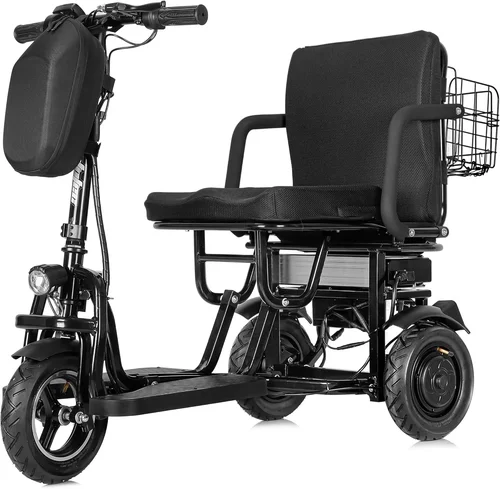
Expert Tips for Getting the Best Deal
- Time your rental strategically: Avoid peak hours (7–9 AM, 5–7 PM) when demand—and prices—spike. Early mornings or late afternoons often have lower rates and better vehicle availability.
- Use multiple apps: Don’t rely on just one provider. Download Lime, Bird, Veo, and local bike-share apps. Compare prices and vehicle conditions in real time. Sometimes one app shows a fully charged scooter nearby while another doesn’t.
- Look for promo codes and referrals: Most apps offer $5–$10 off your first ride or bonus minutes for referring friends. Follow providers on social media for flash deals or event-based discounts.
- Subscribe during off-seasons: Winter months (November–February) often see reduced demand. Providers may offer steep discounts on monthly plans to retain users.
- Test before committing long-term: Try a weekly subscription before signing up for months. This lets you evaluate reliability, comfort, and convenience without a long-term lock-in.
- Check return policies: Understand what happens if you return a vehicle late, damage it, or lose it. Some providers charge hourly late fees; others have grace periods.
- Use student or employer discounts: Universities and corporations often partner with micromobility companies for discounted rates. Ask your school or HR department.
- Keep receipts and records: Save ride confirmations and payment receipts. They’re essential for disputing charges or filing insurance claims.

Frequently Asked Questions
Q: Are electric bike and scooter rentals safe?
A: Generally yes, but safety depends on the vehicle’s condition, your riding skills, and adherence to traffic laws. Always wear a helmet, follow local regulations, and avoid distractions like phones while riding. Choose providers with good maintenance records.
Q: Can I rent an e-bike or scooter if I’ve never ridden one before?
A: Absolutely! Most providers offer beginner-friendly models with low step-through frames and intuitive controls. Many apps include quick tutorials or safety tips before your first unlock. Start in a quiet area to get comfortable.
Q: What happens if the battery dies during my ride?
A: Most apps will alert you when battery is low and suggest nearby charging stations or docking points. If you’re stranded, contact customer support—they may send a replacement or refund your ride.
Q: Do I need a license to rent an e-bike or scooter?
A: In most U.S. cities, no license is required for Class 1 and 2 e-bikes (pedal-assist up to 20 mph). E-scooters typically don’t require licenses either, but some states or cities may have age restrictions (usually 16+).
Q: Can I take a rental on public transportation?
A: Foldable e-scooters are usually allowed on buses and trains if they’re under a certain size and weight. E-bikes are trickier—check with your transit agency. Some prohibit them during peak hours.
Q: How do I report a damaged or unsafe vehicle?
A: Use the in-app reporting feature immediately. Take photos, note the vehicle ID, and describe the issue. Reputable providers will remove the unit from service and may compensate you for the inconvenience.
Q: Are rentals eco-friendly?
A: Compared to cars, yes—but the environmental impact depends on how vehicles are charged and maintained. Look for providers using renewable energy or offering carbon-offset programs.
Q: Can I rent for someone else?
A: Most apps require the account holder to be the rider for liability reasons. However, some allow gifting rides or sharing accounts with family members under certain conditions.
Q: What’s the difference between dockless and station-based rentals?
A: Dockless vehicles can be picked up and dropped off anywhere within a service zone (using GPS). Station-based rentals must be returned to designated docks. Dockless offers flexibility; station-based ensures availability and security.
Q: How long do batteries typically last in rental fleets?
A: Rental batteries are designed for high turnover but degrade faster than personal ones due to constant use. Most providers replace batteries every 6–12 months or after 500–800 charge cycles.
Our Final Recommendations
Best for Budget-Conscious Buyers: Lime Basic E-Scooter – Reliable, widely available, and affordable for short trips. Great for students or occasional riders.
Best Overall Value: Veo Fusion E-Bike – Excellent balance of price, performance, and comfort. Offers 40+ mile range, app integration, and solid build quality.
Best Premium Option: Skip Stomp E-Scooter (Performance Model) – High-speed (20 mph), long-range (25+ miles), and premium suspension. Ideal for commuters in hilly cities.
Best for Beginners: City Bike Share (Citi Bike, Divvy, etc.) – Station-based, easy to use, and well-maintained. Perfect for first-time riders who want a stress-free experience.
Best for Advanced Users: Dott Cargo E-Bike – Built for utility, with a 400-lb capacity, child seat compatibility, and secure storage. Ideal for families or delivery workers.
Conclusion: Making the Right Choice
Choosing the right electric bike or scooter rental isn’t just about convenience—it’s about safety, value, and aligning with your lifestyle. The market in 2026 offers unprecedented choice, but that also means more decisions to make. By focusing on key factors like budget, performance, build quality, and user feedback, you can cut through the noise and find a rental that truly works for you.
Remember, the cheapest option isn’t always the best, and the flashiest features don’t guarantee reliability. Prioritize your needs: Are you commuting daily? Exploring a new city? Running errands? Your answer will guide your choice. Test different providers, read reviews, and don’t hesitate to switch if something isn’t working.
Electric micromobility is more than a trend—it’s a shift toward smarter, greener, and more flexible urban living. With the right rental, you’re not just getting from point A to B; you’re embracing a cleaner, healthier, and more enjoyable way to move. So download that app, charge your phone, and hit the road—your perfect ride is waiting.