
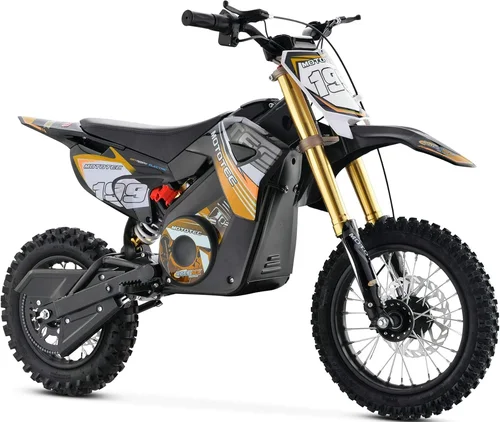
Electric dirt bikes for adults have surged in popularity over the past few years, and for good reason. They combine the thrill of off-road riding with the quiet efficiency of electric power, making them ideal for everything from weekend trail adventures to serious motocross training. Unlike traditional gas-powered dirt bikes, electric models produce zero emissions, require minimal maintenance, and deliver instant torque—meaning you get maximum power the moment you twist the throttle. Whether you’re a seasoned rider looking to go green or a beginner eager to explore off-road terrain without the noise and fumes, there’s never been a better time to consider an electric dirt bike.
This comprehensive buying guide is designed to help you navigate the rapidly evolving market and make an informed decision that matches your needs, skill level, and budget. We’ll walk you through the most important factors to consider—from motor power and battery life to build quality and safety features—and break down the different types of electric dirt bikes available today. You’ll also learn about common pitfalls to avoid, how much you should realistically spend, and expert tips for getting the best deal. By the end of this guide, you’ll have a clear understanding of what makes one electric dirt bike stand out from the rest and how to choose the perfect model for your riding style.
The electric dirt bike market has matured significantly, with brands like Sur Ron, Talaria, Cake, and Zero Motorcycles leading the charge. These companies are pushing the boundaries of performance, range, and durability, offering bikes that rival—and in some cases surpass—their gas-powered counterparts. With advancements in lithium-ion battery technology, regenerative braking, and smart connectivity features, today’s electric dirt bikes are more capable than ever. Whether you’re riding on tight forest trails, open deserts, or backyard tracks, there’s an electric model built to handle it. This guide will help you cut through the noise and find the best electric dirt bike for adults in 2025.

What to Look for When Buying an Electric Dirt Bike
1. Budget & Price Range
Your budget is one of the most critical factors when choosing an electric dirt bike. Prices can range from under $2,000 for entry-level models to over $15,000 for high-performance, professional-grade machines. It’s important to set a realistic budget that aligns with your intended use. If you’re a casual rider or just starting out, spending $3,000–$5,000 on a reliable mid-tier bike is often the sweet spot. However, if you’re planning to ride competitively or tackle extreme terrain, investing in a premium model with advanced suspension, high-capacity batteries, and robust frames may be worth the extra cost.
Keep in mind that the initial purchase price isn’t the only expense. Factor in the cost of accessories like helmets, riding gear, spare batteries, chargers, and maintenance tools. Some brands also offer financing options or payment plans, which can make higher-end models more accessible. Always compare total cost of ownership—not just the sticker price—when evaluating your options.
2. Performance Specifications
Performance is where electric dirt bikes truly shine. Key specs to evaluate include motor power (measured in watts or kilowatts), torque (in Newton-meters), top speed, and range per charge. For most adult riders, a motor between 5,000W and 10,000W provides ample power for trail riding, hill climbing, and moderate jumps. High-performance models like the Talaria Sting or Sur Ron Ultra can deliver over 10,000W and reach speeds of 60+ mph, making them suitable for advanced riders and motocross use.
Torque is equally important—electric motors deliver 100% torque instantly, giving you explosive acceleration off the line. Look for bikes with at least 100 Nm of torque for strong off-road performance. Range varies widely depending on battery capacity (measured in watt-hours, or Wh) and riding conditions. A 3,000Wh battery might give you 30–50 miles of trail riding, while a 6,000Wh battery could double that. Always check real-world range reports from users, as manufacturer claims can be optimistic.
3. Build Quality & Durability
Electric dirt bikes are subjected to harsh conditions—mud, rocks, jumps, and constant vibration. That’s why build quality is non-negotiable. Look for frames made from high-strength aluminum or chromoly steel, which offer excellent strength-to-weight ratios. Suspension systems should include adjustable front forks and rear shocks with sufficient travel (at least 8–10 inches for serious off-roading). Components like wheels, brakes, and drivetrains should be built to handle repeated impacts and heavy loads.
Pay attention to IP (Ingress Protection) ratings for the battery and motor. An IP67 rating means the components are dust-tight and can withstand immersion in water up to 1 meter deep—ideal for muddy or wet trails. Weld quality, cable routing, and overall fit-and-finish are also indicators of a well-built bike. A durable bike not only lasts longer but also performs more reliably in tough conditions.
4. Features & Functionality
Modern electric dirt bikes come packed with features that enhance safety, performance, and convenience. Regenerative braking, for example, recovers energy during deceleration and feeds it back into the battery, extending your range. Multiple riding modes (Eco, Trail, Sport, Race) allow you to tailor power delivery to your terrain and skill level. Some models even include smartphone connectivity via Bluetooth, enabling you to monitor battery status, track rides, and adjust settings through a dedicated app.
Other useful features include LED lighting for night riding, quick-swap battery systems, and onboard diagnostics. Consider whether the bike has a kickstand, luggage rack, or mounting points for accessories. For trail riders, a quiet motor is a major plus—electric bikes are significantly quieter than gas models, allowing you to ride in noise-sensitive areas without disturbing wildlife or neighbors.
5. Brand Reputation & Reliability
Not all electric dirt bike brands are created equal. Established companies like Sur Ron, Talaria, Zero Motorcycles, and Cake have built strong reputations for quality, innovation, and customer support. These brands invest heavily in R&D, testing, and after-sales service, which translates to more reliable products and better long-term ownership experiences. In contrast, lesser-known or budget brands may cut corners on materials, engineering, or quality control, leading to premature failures or safety issues.
Research brand history, read user reviews, and check forums like Reddit’s r/electricbikes or specialized motocross communities. A brand with a loyal customer base and positive long-term feedback is more likely to stand behind its products. Also consider whether the company offers software updates, firmware improvements, or modular upgrades—these can extend the life and performance of your bike over time.
6. Warranty & Support
A solid warranty is a strong indicator of a manufacturer’s confidence in their product. Most reputable brands offer at least a 12-month warranty on the frame, motor, and battery, with some extending coverage to 24 months or more. Pay attention to what’s covered—some warranties exclude wear items like tires, brake pads, or suspension components, while others include comprehensive protection.
Customer support is equally important. Can you easily reach a technician via phone or email? Are replacement parts readily available? Do they offer repair guides or video tutorials? Brands with strong service networks and responsive support teams make ownership much less stressful. Avoid brands with vague warranty terms or limited support—especially if you’re buying online from an overseas seller.
7. Size & Portability
While electric dirt bikes are generally lighter than gas models, they can still weigh 100–150 pounds or more, depending on the battery size and frame material. Consider how you’ll transport the bike—will you need to load it into a truck bed, trailer, or van? Some models are designed with portability in mind, featuring foldable handlebars, removable batteries, or compact frames.
Seat height is another key factor, especially for shorter riders. Most adult electric dirt bikes have seat heights between 32 and 36 inches. If you’re under 5’6”, look for models with adjustable suspension or lower seat options. Test riding (if possible) is the best way to ensure the bike fits your body and riding style comfortably.
8. User Reviews & Ratings
Nothing beats real-world feedback from actual owners. User reviews on sites like Amazon, RevZilla, or specialized forums provide insights into long-term reliability, common issues, and performance in various conditions. Look for patterns—if multiple users report the same problem (e.g., battery degradation after six months or poor customer service), it’s a red flag.
Pay attention to reviews from riders with similar experience levels and usage patterns as you. A bike praised by weekend trail riders might not hold up under daily motocross abuse. Video reviews on YouTube are especially helpful—they show the bike in action, demonstrate handling, and often include honest pros and cons. Use aggregate ratings (like 4.5 stars or higher) as a starting point, but always dig deeper into individual experiences.
Different Types of Electric Dirt Bikes

Common Buying Mistakes to Avoid
❌ Mistake: Prioritizing Price Over Performance
Why it’s bad: Buying the cheapest bike available often leads to disappointment. Low-cost models may have weak motors, poor suspension, or low-quality batteries that degrade quickly. You might end up replacing the bike within a year, costing more in the long run.
What to do instead: Focus on value, not just price. Invest in a bike that meets your performance needs and has a proven track record. A slightly more expensive model with better components will last longer and perform better.
❌ Mistake: Ignoring Battery Capacity and Range
Why it’s bad: A bike with a small battery might look powerful on paper but leave you stranded after 20 miles. Range anxiety is real, especially on long trail rides or remote terrain.
What to do instead: Check real-world range tests and choose a battery with at least 4,000Wh for serious riding. Consider models with swappable batteries so you can carry a spare.
❌ Mistake: Overlooking Suspension and Frame Quality
Why it’s bad: Cheap suspension leads to a harsh ride, poor handling, and increased risk of injury on rough terrain. A weak frame can crack or bend under stress.
What to do instead: Look for adjustable suspension with at least 8 inches of travel and a frame made from aircraft-grade aluminum or chromoly steel. Test ride if possible.
❌ Mistake: Buying Without Researching the Brand
Why it’s bad: Unknown brands may use substandard components, lack proper certifications, or offer no customer support. You could end up with a bike that’s unsafe or impossible to repair.
What to do instead: Stick with reputable manufacturers that have positive reviews, strong warranties, and accessible service networks. Avoid “too good to be true” deals from unknown sellers.
❌ Mistake: Not Considering Maintenance and Upkeep
Why it’s bad: Even electric bikes need maintenance—brake pads wear out, tires get punctured, and bearings need lubrication. Neglecting this can lead to costly repairs.
What to do instead: Choose a bike with easily replaceable parts and clear maintenance instructions. Learn basic upkeep or find a local technician familiar with electric bikes.
❌ Mistake: Skipping Safety Gear
Why it’s bad: Electric dirt bikes are fast and powerful. Without proper gear, a fall can result in serious injury.
What to do instead: Always wear a DOT-approved helmet, gloves, boots, knee/elbow pads, and a chest protector. Invest in high-quality gear—it’s cheaper than a hospital bill.
❌ Mistake: Assuming All Electric Bikes Are Quiet
Why it’s bad: While electric bikes are quieter than gas models, some still produce noticeable motor and chain noise. This can be an issue in noise-restricted areas.
What to do instead: Check decibel ratings and user reports. Look for bikes with belt drives (quieter than chains) and sound-dampening motor designs.
Budget Guidelines: How Much Should You Spend?
Entry-Level ($1,500 – $3,500): These bikes are ideal for beginners or casual riders. Expect modest power (3,000W–5,000W), limited range (20–30 miles), and basic suspension. Models like the Sur Ron LBX or Segway Xyber fall into this range. They’re great for learning the basics and light trail use but may struggle on steep hills or rough terrain.
Mid-Range ($3,500 – $7,000): This is the sweet spot for most adult riders. Bikes in this category offer 5,000W–8,000W motors, 40–60 mile range, and improved suspension and braking. Examples include the Talaria MX4 and Zero FX. They balance performance, durability, and affordability, making them perfect for weekend adventures and intermediate skill development.
Premium ($7,000 – $12,000): Designed for serious riders and enthusiasts, these bikes deliver 8,000W–12,000W of power, top speeds over 60 mph, and race-ready suspension. The Sur Ron Ultra, Cake Kalk&, and Zero SR/F are standout models. They’re built for aggressive riding, motocross, and long-distance trail expeditions.
Luxury ($12,000+): These are the Ferraris of electric dirt bikes. Think cutting-edge tech, carbon fiber components, 100+ mile range, and smart connectivity. The Cake Kalk OR and Zero DSR/X represent this tier. They’re for riders who want the absolute best in performance, innovation, and design—no compromises.
Expert Tips for Getting the Best Deal
1. Buy During Off-Season Sales: Many retailers offer discounts in late fall and winter when demand is low. Look for Black Friday, Cyber Monday, or end-of-year clearance events. You can often save 10–20% on high-end models.
2. Shop from Authorized Dealers: Buying from authorized retailers ensures you get the full warranty, genuine parts, and reliable support. Avoid third-party sellers on platforms like eBay or Amazon unless they’re verified dealers.
3. Consider Demo or Used Models: Some dealers offer demo bikes at a discount. These are typically well-maintained and come with full warranties. Certified pre-owned programs from brands like Zero Motorcycles are also a safe bet.
4. Negotiate Accessories: When buying a new bike, ask for free or discounted accessories like chargers, tool kits, or riding gear. Dealers often have room to bundle extras to close a sale.
5. Check for Rebates and Incentives: Some states and local governments offer rebates for electric vehicle purchases. While more common for street-legal models, it’s worth checking with your DMV or energy department.
6. Read the Fine Print on Warranties: Understand what’s covered and for how long. Some warranties are voided if you modify the bike or use it for racing. Keep all documentation and register your purchase promptly.
7. Test Ride Before Buying: If possible, attend demo days or visit a local dealer for a test ride. This helps you assess comfort, handling, and power delivery firsthand.
8. Join Owner Communities: Online forums and Facebook groups often share exclusive discount codes, group buys, or insider tips on upcoming sales. Being part of a community can save you hundreds.

Frequently Asked Questions
Q: Are electric dirt bikes street legal?
A: Most electric dirt bikes are not street legal due to lack of lights, mirrors, turn signals, and DOT certification. However, some models like the Zero FX and Cake Kalk& can be made street legal with aftermarket kits and registration. Always check local laws before riding on public roads.
Q: How long do electric dirt bike batteries last?
A: Battery lifespan depends on usage, charging habits, and climate. Most lithium-ion batteries last 500–1,000 charge cycles, which translates to 3–5 years of regular use. Proper care—like avoiding full discharges and storing at 50% charge—can extend life significantly.
Q: Can I ride an electric dirt bike in the rain?
A: Yes, most modern electric dirt bikes are water-resistant (IP67 rated), meaning they can handle rain, mud, and shallow water crossings. However, avoid submerging the bike or riding through deep puddles, as this can damage electronics.
Q: How fast do electric dirt bikes go?
A: Speeds vary widely. Entry-level models top out around 30–40 mph, while high-performance bikes like the Talaria Sting can reach 65+ mph. Always ride within your skill level and local regulations.
Q: Do electric dirt bikes require maintenance?
A: Yes, though less than gas bikes. Regular tasks include checking tire pressure, cleaning the chain, inspecting brakes, and updating firmware. Battery health should also be monitored periodically.
Q: Can I upgrade my electric dirt bike?
A: Many models allow upgrades like larger batteries, performance controllers, or suspension kits. Check with the manufacturer for compatibility. Some brands, like Sur Ron, have large aftermarket communities offering custom parts.
Q: Are electric dirt bikes good for beginners?
A: Absolutely. Their quiet operation, smooth power delivery, and lower maintenance make them ideal for learning. Start with a mid-power model and gradually build skills before moving to high-performance bikes.
Q: How do I charge an electric dirt bike?
A: Most bikes come with a standard Level 1 charger (110V outlet) that takes 4–8 hours for a full charge. Fast chargers (220V) can cut this to 2–3 hours. Always use the manufacturer-recommended charger to avoid damage.
Q: What’s the difference between hub motor and mid-drive motor?
A: Hub motors are built into the wheel and offer simplicity and direct power. Mid-drive motors are mounted near the pedals (on e-bikes) or frame and provide better weight distribution and efficiency. Most electric dirt bikes use hub motors for instant torque and durability.
Q: Can I ride an electric dirt bike on public trails?
A: It depends on local regulations. Some trails allow electric bikes, while others restrict them to gas-powered or non-motorized use. Always check with land management agencies before heading out.
Our Final Recommendations
Best for Budget-Conscious Buyers: Sur Ron LBX – At around $3,500, this bike offers excellent value with a 6,000W motor, 40+ mile range, and durable build. It’s perfect for beginners and casual trail riders who want performance without breaking the bank.
Best Overall Value: Talaria MX4 – Priced at $5,500, the MX4 delivers 8,000W of power, 60 mph top speed, and top-tier suspension. It’s a favorite among intermediate riders for its balance of power, range, and reliability.
Best Premium Option: Zero SR/F – At $12,000, this street-legal powerhouse offers 110 hp, 161 lb-ft of torque, and 100+ mile range. It’s ideal for riders who want cutting-edge tech and performance for both trails and roads.
Best for Beginners: Segway Xyber – With a 5,000W motor, intuitive controls, and a low seat height, the Xyber is easy to handle and great for learning. Its $2,500 price tag makes it an affordable entry point.
Best for Advanced Users: Cake Kalk OR – This $14,000 Swedish masterpiece features a carbon fiber frame, 11,000W motor, and minimalist design. It’s built for serious off-road enthusiasts who demand innovation and performance.
Conclusion: Making the Right Choice
Choosing the best electric dirt bike for adults in 2025 comes down to understanding your needs, budget, and riding goals. Whether you’re a weekend explorer, a competitive rider, or a tech-savvy adventurer, there’s an electric model designed to match your lifestyle. By focusing on key factors like performance, build quality, battery life, and brand reputation, you can avoid common pitfalls and invest in a bike that delivers years of reliable, thrilling rides.
Remember, the cheapest option isn’t always the best, and the most expensive isn’t always necessary. Prioritize value, safety, and long-term satisfaction. Take advantage of expert tips, read real user reviews, and don’t hesitate to test ride before committing. With the right electric dirt bike, you’ll enjoy the freedom of off-road riding—cleaner, quieter, and more efficiently than ever before.
Now that you’re equipped with the knowledge and tools to make an informed decision, it’s time to take action. Explore the top models, compare specs, and find the bike that speaks to your sense of adventure. The trail is waiting—go ride it.