
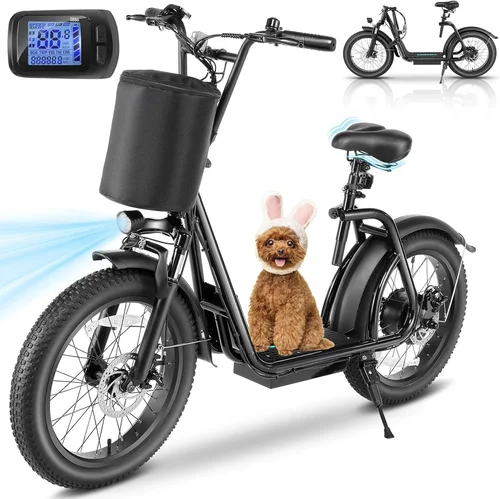
Electric bicycles have revolutionized the way we think about commuting, recreation, and fitness—especially for riders facing hilly terrain. Whether you’re navigating steep city streets, tackling mountain trails, or simply want to avoid arriving at work drenched in sweat after a climb, the right e-bike can make all the difference. But not all electric bikes are created equal when it comes to conquering inclines. Many models prioritize speed or range over hill-climbing power, leaving riders struggling on even moderate slopes. That’s why choosing the best electric bicycle for hills requires careful consideration of motor strength, battery capacity, gearing systems, and overall build quality.
This comprehensive buying guide is designed to help you cut through the noise and make an informed decision. Whether you’re a daily commuter in San Francisco, a weekend adventurer in the Pacific Northwest, or someone rediscovering cycling later in life, we’ll walk you through every critical factor that impacts hill performance. You’ll learn how to evaluate motors, batteries, frames, and components specifically for uphill riding. We’ll also debunk common myths, highlight frequent pitfalls, and provide expert-backed recommendations across multiple budget ranges. By the end, you’ll have a clear roadmap to find the perfect e-bike that turns daunting hills into effortless rides.
The market for electric bicycles has exploded in recent years, with hundreds of models flooding the scene from both established brands and new startups. While this variety is great for consumers, it also makes shopping overwhelming—especially when your primary need is reliable hill performance. Some e-bikes boast impressive top speeds but falter on inclines due to weak torque or inefficient pedal assist. Others offer robust motors but sacrifice range or comfort. Our goal is to equip you with the knowledge to identify which specs truly matter for climbing, so you don’t end up with a bike that looks powerful on paper but disappoints in real-world conditions.

What to Look for When Buying an Electric Bicycle for Hills
1. Motor Power and Torque
When it comes to conquering hills, motor performance is arguably the most critical factor. Electric bike motors are typically rated in watts (W), with common ranges from 250W (common in Europe due to regulations) up to 750W or even 1000W in the U.S. However, wattage alone doesn’t tell the whole story—torque, measured in Newton-meters (Nm), is far more important for hill climbing. Torque determines how much rotational force the motor can deliver to the wheels, directly affecting your ability to start from a stop on a steep incline or maintain momentum without excessive pedaling.
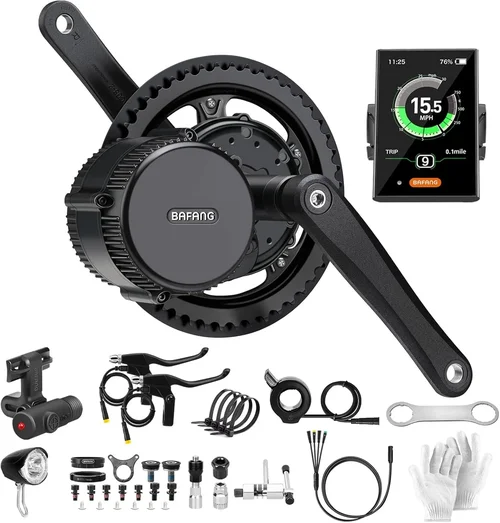
For hilly terrain, look for a motor with at least 60 Nm of torque, though 80–100+ Nm is ideal. Mid-drive motors, which sit at the bike’s crankset and leverage the drivetrain’s gears, generally offer superior hill performance compared to hub motors (located in the wheel). This is because mid-drives can downshift into lower gears, multiplying torque efficiently. Brands like Bosch, Shimano, and Bafang dominate the mid-drive space and are known for their hill-climbing prowess. In contrast, many budget e-bikes use rear-hub motors with lower torque output, which may struggle on sustained climbs unless paired with strong pedal assist and proper gearing.
2. Battery Capacity and Range
A powerful motor needs a capable battery to sustain hill climbs without draining too quickly. Battery capacity is measured in watt-hours (Wh), calculated by multiplying voltage (V) by amp-hours (Ah). For hilly riding, aim for a battery of at least 500Wh, though 600–750Wh or higher is preferable if you plan long rides or frequent climbs. Hills consume significantly more energy than flat terrain because the motor must work harder to overcome gravity.
Consider also the battery’s chemistry and placement. Lithium-ion (Li-ion) batteries are standard and offer good energy density, but newer lithium nickel manganese cobalt oxide (NMC) cells provide better longevity and performance in cold weather. Removable batteries are ideal for charging convenience, especially if you live in an apartment or lack outdoor outlets. Additionally, some high-end models feature dual-battery systems or range extenders, which can nearly double your total capacity—perfect for extended mountain excursions.
Range anxiety is real, especially on hills. A bike rated for 60 miles on flat ground might only achieve 25–35 miles when climbing regularly. Always factor in elevation gain when estimating range. Many modern e-bikes include smart displays that adjust range estimates based on terrain, rider weight, assist level, and speed—use these tools to plan your rides accurately.
3. Gearing System
Even with a strong motor, your bike’s gearing plays a vital role in hill performance. A wide-range drivetrain allows you to maintain an efficient cadence whether you’re cruising downhill or grinding uphill. Look for bikes with at least a 9-speed cassette, though 11- or 12-speed setups (like Shimano Deore or SRAM NX) offer finer control and better climbing ratios.
Mid-drive motors shine here because they work in tandem with the bike’s derailleur system. When you shift into a low gear, the motor’s torque is amplified, making steep climbs feel manageable. In contrast, single-speed or internally geared hub (IGH) e-bikes—common on city or commuter models—often lack the low-end gearing needed for serious hills. If you’re considering a belt-drive e-bike (which requires an IGH), ensure it has a gear range of at least 300% (e.g., Enviolo or Rohloff hubs) to handle elevation changes.
Don’t overlook the importance of a clutch-equipped rear derailleur, which reduces chain slap on rough terrain and improves shifting under load—a small but meaningful detail for off-road or mixed-surface hill riding.
4. Frame Geometry and Weight Distribution
The physical design of your e-bike affects stability, handling, and climbing efficiency. For hilly terrain, prioritize a frame with balanced weight distribution—ideally with the motor and battery centered low and between the wheels. This lowers the center of gravity, improving traction and reducing the chance of wheelies on steep ascents.
Step-through frames offer easier mounting and dismounting, which can be helpful on stop-and-go hills, but traditional diamond frames often provide better structural rigidity for aggressive riding. Aluminum frames are lightweight and corrosion-resistant, while steel offers a smoother ride but adds weight. Carbon fiber is rare in e-bikes due to cost and complexity but appears in premium models for its strength-to-weight ratio.
Weight matters too. Most e-bikes weigh between 45 and 70 pounds—add rider and cargo, and you’re pushing 200+ pounds uphill. Heavier bikes require more motor power to climb efficiently, so lighter models (under 55 lbs) with strong motors are ideal for hilly areas. However, don’t sacrifice durability for weight savings; a well-built frame should last decades with proper care.
5. Tire Type and Width
Tires significantly influence grip, rolling resistance, and comfort on varied terrain. For hilly riding—especially if you encounter gravel, dirt, or wet pavement—opt for wider tires (2.0” to 2.6”) with aggressive tread patterns. Wider tires increase contact patch and traction, crucial for maintaining control on loose or slippery inclines.
Tubeless-ready tires are a bonus, as they allow lower pressures without pinch flats, enhancing grip and shock absorption. If you ride in rainy or snowy climates, consider tires with siping (small grooves) for better wet-weather performance. Avoid slick or narrow tires (<1.75”), which may slip on steep, uneven surfaces.Fat tires (3.0”+) offer maximum traction but increase rolling resistance and weight, which can reduce efficiency on long climbs. They’re best reserved for extreme off-road or snow conditions rather than everyday hill commuting.
6. Pedal Assist Levels and Throttle Options
Pedal assist (PAS) systems determine how much motor support you receive based on your pedaling effort. Most e-bikes offer 3–7 PAS levels, with higher settings delivering more power. For hills, having multiple assist levels lets you fine-tune effort—use lower levels for moderate climbs to conserve battery, and max out for steep sections.
Look for responsive PAS sensors that detect cadence and torque. Torque-sensing systems (found on higher-end models) measure how hard you’re pedaling and adjust motor output accordingly, providing a more natural, bike-like feel. Cadence-only sensors simply activate based on pedal rotation, which can feel jerky or delayed on hills.
Throttle options (twist-grip or thumb) allow full motor power without pedaling—useful for starting on steep inclines or recovering from fatigue. However, throttles drain batteries faster and aren’t legal in all regions (e.g., some European countries ban them entirely). If you rely heavily on hills, a throttle can be a lifesaver, but pair it with efficient PAS for best results.
7. Suspension and Comfort Features
Climbing isn’t just about power—it’s also about endurance. Rough roads, potholes, and trail obstacles can sap energy and cause discomfort over time. Front suspension forks (with 80–120mm travel) absorb impacts and improve control on uneven climbs. Full-suspension e-bikes offer even better comfort but add weight and cost, making them better suited for technical mountain trails than urban hills.
Even without suspension, features like ergonomic grips, adjustable stems, and quality saddles reduce fatigue. Consider a dropper seatpost if you ride technical descents after climbs—it lets you lower your center of gravity quickly for better control.
8. Brand Reputation and After-Sales Support
Not all e-bike brands are equal in terms of reliability, service networks, and software updates. Established names like Trek, Specialized, Rad Power Bikes, and Riese & Müller have proven track records and widespread dealer support. Emerging brands may offer innovative features at lower prices, but warranty claims or part replacements can be challenging if service centers are scarce.
Check if the brand offers firmware updates for motor controllers, which can improve performance or fix bugs post-purchase. Also, verify that replacement batteries and motors are available for 5–10 years—critical for long-term ownership.
Different Types of Electric Bicycles for Hills

Common Buying Mistakes to Avoid
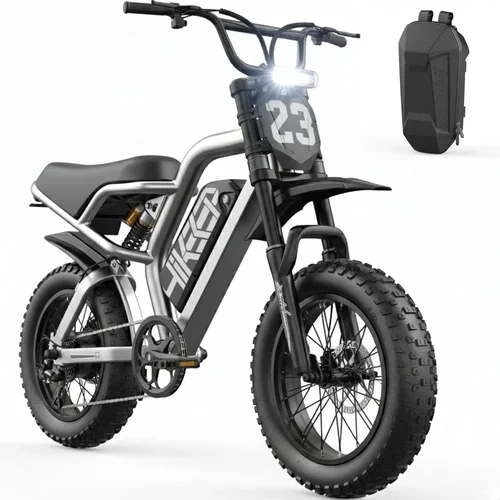
❌ Mistake: Focusing Only on Motor Wattage
Why it’s bad: Wattage indicates maximum power output but doesn’t reflect real-world hill performance. A 750W hub motor with low torque may still struggle on steep grades compared to a 500W mid-drive with high torque.
What to do instead: Prioritize torque (Nm) and motor type. Always check independent reviews that test climbing ability, not just spec sheets.
❌ Mistake: Ignoring Battery Real-World Range
Why it’s bad: Manufacturers often quote range based on ideal conditions (flat terrain, low assist). On hills, range can drop by 40–60%, leaving you stranded.
What to do instead: Divide advertised range by 2 for hilly areas. Choose a battery with at least 600Wh and consider carrying a spare if doing long rides.
❌ Mistake: Choosing a Bike Without Test Riding
Why it’s bad: E-bike feel varies widely—some motors are jerky, others smooth; some frames feel unstable under power. You won’t know until you ride.
What to do instead: Test ride on a hill if possible. Many shops offer demo days or rental programs. Pay attention to how the bike handles starting from a stop on an incline.
❌ Mistake: Overlooking Maintenance Requirements
Why it’s bad: E-bikes with complex drivetrains, suspension, or belt drives require specialized servicing. Neglecting maintenance leads to poor performance and costly repairs.
What to do instead: Choose a brand with local service support. Learn basic upkeep (chain lubrication, brake checks) and budget for annual tune-ups.
❌ Mistake: Buying Based Solely on Price
Why it’s bad: Cheap e-bikes often use low-quality motors, batteries, and components that fail quickly under hill stress. You’ll spend more in replacements.
What to do instead: Invest in quality where it matters: motor, battery, and frame. Mid-range bikes ($2,000–$3,500) often offer the best long-term value.
❌ Mistake: Assuming All E-Bikes Are Street-Legal
Why it’s bad: Laws vary by region—some places limit speed, throttle use, or motor power. An illegal bike could result in fines or confiscation.
What to do instead: Verify local regulations before buying. In the U.S., Class 1 and 2 e-bikes (20 mph max) are widely permitted; Class 3 (28 mph) may have restrictions.
Budget Guidelines: How Much Should You Spend?
Entry-Level ($800–$1,500): These bikes typically feature hub motors (350–500W), basic batteries (400–500Wh), and limited gearing. They can handle gentle hills but may struggle on sustained or steep climbs. Ideal for occasional riders or those on very moderate inclines. Examples include the Ancheer AN-EB003 or Ecotric Fat Tire.
Mid-Range ($1,500–$3,000): This is the sweet spot for most hill riders. Expect mid-drive or high-torque hub motors (60–85 Nm), 500–750Wh batteries, and reliable components (Shimano Deore, Tektro brakes). Bikes like the RadRover 6 Plus or Trek Allant+ 5 offer excellent hill performance with practical features.
Premium ($3,000–$5,000): Designed for serious riders, these models boast top-tier motors (Bosch Performance Line CX, Shimano EP8), large batteries (up to 750Wh+), advanced suspension, and premium builds. Perfect for daily hill commuting or weekend trail adventures. Consider the Specialized Turbo Vado SL or Riese & Müller Load 75.
Luxury ($5,000+): For enthusiasts and professionals, luxury e-bikes offer cutting-edge tech: dual batteries, integrated lighting, smart connectivity, and ultra-durable frames. Models like the Stromer ST5 or Haibike XDURO Nduro 10.0 deliver unmatched performance but come at a steep price.
Expert Tips for Getting the Best Deal
- Buy in Off-Season: Late fall and winter often bring discounts as retailers clear inventory. You can save 10–20% on last year’s models.
- Check Direct-to-Consumer Brands: Companies like Rad Power Bikes, Aventon, and Lectric sell online, cutting dealer markups. Just ensure they have good warranty support.
- Look for Bundled Accessories: Some retailers include free helmets, locks, or lights—valuable add-ons that improve safety and convenience.
- Negotiate Extended Warranties: Ask if the store offers free extended coverage or battery replacement plans, especially for mid-drive systems.
- Use Manufacturer Rebates: Some states (like California) offer e-bike purchase incentives up to $1,000—check local programs before buying.
- Read Long-Term Reviews: YouTube channels like Electric Bike Report or Benno E-Bikes provide real-world testing beyond glossy brochures.
- Consider Certified Pre-Owned: Reputable dealers sell refurbished e-bikes with warranties at 30–50% off retail—great for high-end models.

Frequently Asked Questions
Q: Can any e-bike handle steep hills?
A: Not necessarily. While most e-bikes can manage gentle inclines, only those with high-torque motors (60+ Nm), adequate battery capacity, and proper gearing will perform well on steep or sustained hills. Always check real-world climbing tests.
Q: Is a mid-drive motor always better for hills?
A: Generally, yes—especially for technical or long climbs. Mid-drives use the bike’s gears efficiently and offer better weight distribution. However, high-quality hub motors (like those from Bafang Ultra) can also excel if properly specced.
Q: How much does elevation affect battery life?
A: Significantly. Climbing can reduce range by 40–60% compared to flat riding. A 50-mile range on flats might drop to 20–25 miles on hilly terrain. Always plan with a safety margin.
Q: Do I need suspension for city hills?
A: Not always, but it helps. Potholes, curbs, and rough pavement are common in cities. A front suspension fork improves comfort and control, especially on longer rides.
Q: Can I upgrade my e-bike’s motor or battery later?
A: Rarely. Motors and batteries are tightly integrated with the bike’s electronics. Upgrades usually require a full replacement, which is costly. Buy the right specs from the start.
Q: Are throttle-only e-bikes good for hills?
A: Throttles help with starting on steep inclines, but relying solely on them drains the battery fast. For sustained climbing, pedal assist is more efficient and extends range.
Q: What’s the difference between Class 1, 2, and 3 e-bikes?
A: Class 1: pedal-assist only, up to 20 mph. Class 2: throttle-assisted, up to 20 mph. Class 3: pedal-assist only, up to 28 mph. Class 3 bikes are faster but may have access restrictions on trails or bike paths.
Q: How often should I service my e-bike?
A: Every 300–500 miles or annually, whichever comes first. Include brake checks, drivetrain cleaning, tire inspection, and battery health monitoring.
Q: Can I ride an e-bike in the rain?
A: Yes, most are water-resistant (IP65 or higher), but avoid submerging them. Dry the bike after wet rides and lubricate the chain to prevent corrosion.
Q: Will an e-bike help with knee pain on hills?
A: Absolutely. Pedal assist reduces strain on joints, allowing you to climb comfortably at a lower effort level. Many riders with arthritis or joint issues find e-bikes transformative.
Our Final Recommendations
Best for Budget-Conscious Buyers: Rad Power Bikes RadRover 6 Plus – At around $1,999, it delivers a powerful 750W geared hub motor (60 Nm torque), 672Wh battery, and fat tires for stability. Great for moderate to steep urban hills.
Best Overall Value: Trek Allant+ 5 – Priced at $3,299, this mid-drive commuter features a Bosch Performance Line motor (85 Nm), 500Wh battery (expandable to 1,000Wh), and premium components. Ideal for daily hill commuting.
Best Premium Option: Specialized Turbo Vado SL 5.0 EQ – Lightweight (33 lbs!), with a custom SL 1.1 motor (60 Nm) and 700Wh battery. Exceptional efficiency and range make it perfect for long, hilly rides.
Best for Beginners: Aventon Aventure.2 – User-friendly with a 750W motor, 720Wh battery, and intuitive display. Step-through frame and throttle make it accessible for new riders tackling hills.
Best for Advanced Users: Haibike XDURO Nduro 10.0 – A full-suspension beast with a Shimano EP8 motor (85 Nm), 720Wh battery, and downhill-ready geometry. Built for aggressive mountain climbs and technical terrain.
Conclusion: Making the Right Choice
Choosing the best electric bicycle for hills isn’t just about raw power—it’s about matching the right combination of motor, battery, gearing, and build quality to your specific needs and terrain. Whether you’re climbing city streets, mountain trails, or suburban inclines, the right e-bike can turn a grueling workout into an enjoyable, empowering experience. Remember to prioritize torque over wattage, invest in a quality battery, and never skip the test ride.
Don’t let budget or marketing hype dictate your decision. Instead, focus on long-term value, reliability, and real-world performance. With the insights from this guide, you’re now equipped to navigate the crowded e-bike market with confidence. Take your time, do your research, and choose a bike that won’t just get you up the hill—but make you look forward to every climb. Your perfect hill-conquering companion is out there. Ride smart, ride safe, and enjoy the view from the top.