
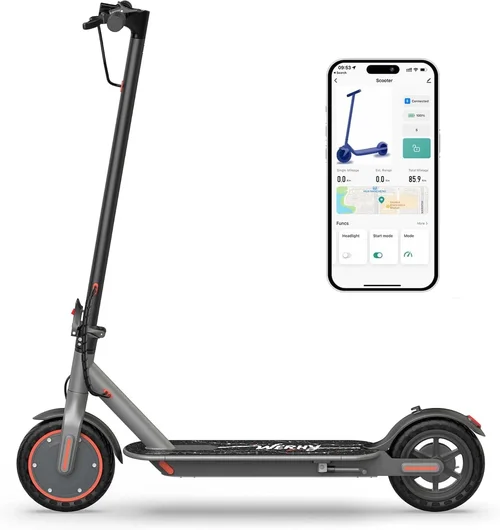
Electric scooters have evolved from niche urban curiosities into serious transportation solutions for millions worldwide. Whether you’re commuting across city streets, running errands around campus, or simply exploring your neighborhood in a more eco-friendly way, the right e-scooter can transform how you move through daily life. With advancements in battery technology, motor efficiency, and smart features accelerating rapidly, 2026 has become a pivotal year for e-scooter innovation—offering better performance, longer range, and smarter connectivity than ever before.
This comprehensive buying guide is designed to cut through the noise and help you make an informed decision tailored to your specific needs. We’ll walk you through every critical factor—from budget considerations and performance specs to build quality, safety features, and long-term support. You’ll learn how to avoid common pitfalls, understand what different price tiers really deliver, and discover expert strategies for getting the best value. By the end, you won’t just know what to buy—you’ll know why it’s the right choice for you.
The e-scooter market today is more diverse than ever. Entry-level models start under $300, while premium scooters with dual motors, regenerative braking, and app-based diagnostics can exceed $2,500. Brands like Gotrax, Segway-Ninebot, Xiaomi, Apollo, and Unagi dominate the space, each catering to different user profiles. Some prioritize portability for apartment dwellers; others focus on rugged durability for off-road adventures. Understanding where you fit in this spectrum is the first step toward finding your ideal ride.

What to Look for When Buying Gotrax
1. Budget & Price Range
Your budget is the foundation of any purchase decision—and e-scooters are no exception. Prices vary dramatically based on features, build quality, and intended use. A sub-$400 scooter might get you from point A to B, but it likely won’t handle hills well, last more than a year with daily use, or offer advanced safety features. On the other hand, spending over $1,500 doesn’t guarantee perfection—it often means paying for brand prestige or niche capabilities you may never use.
Set a realistic budget that includes not just the scooter itself, but also essential accessories like a helmet, lock, phone mount, and possibly a spare battery or upgraded tires. Consider total cost of ownership: cheaper models may save upfront but cost more in repairs or replacements down the line. For most urban commuters, the sweet spot lies between $600 and $1,200—a range where reliability, performance, and features align well with everyday needs.
2. Performance Specifications
Performance isn’t just about speed—it’s a combination of motor power, top speed, range, hill-climbing ability, and acceleration. Motor power is measured in watts (W), with common ranges from 250W (entry-level) to 2,000W+ (high-performance). A 350W motor can handle flat city streets easily, but struggle on inclines above 10%. For hilly areas or heavier riders, aim for at least 500W–800W.
Top speed matters too, but legality often dictates practical limits. In many U.S. cities, e-scooters are capped at 15–20 mph, so a scooter capable of 25+ mph may be overkill—or even illegal without modifications. Range is perhaps the most misunderstood spec. Manufacturers often quote “ideal conditions” range (no wind, flat terrain, light rider), which can be 30–50% higher than real-world results. Always subtract 20–30% from advertised range for a realistic estimate.
Acceleration and braking responsiveness are equally important. Look for scooters with regenerative braking (which recharges the battery slightly while slowing down) and disc or drum brakes—not just electronic or foot brakes, which wear out quickly and offer poor stopping power in emergencies.
3. Build Quality & Durability
An e-scooter is exposed to rain, dust, potholes, and constant vibration—so build quality directly impacts longevity. Check the frame material: aluminum alloys (like 6061-T6) are lightweight yet strong, while cheaper steel frames add unnecessary weight and rust over time. Pay attention to weld quality, hinge mechanisms (for folding models), and overall fit-and-finish.
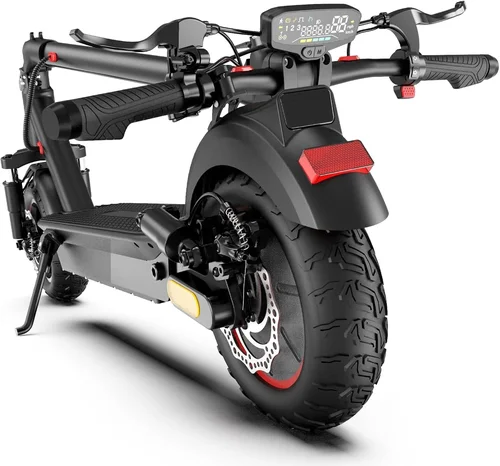
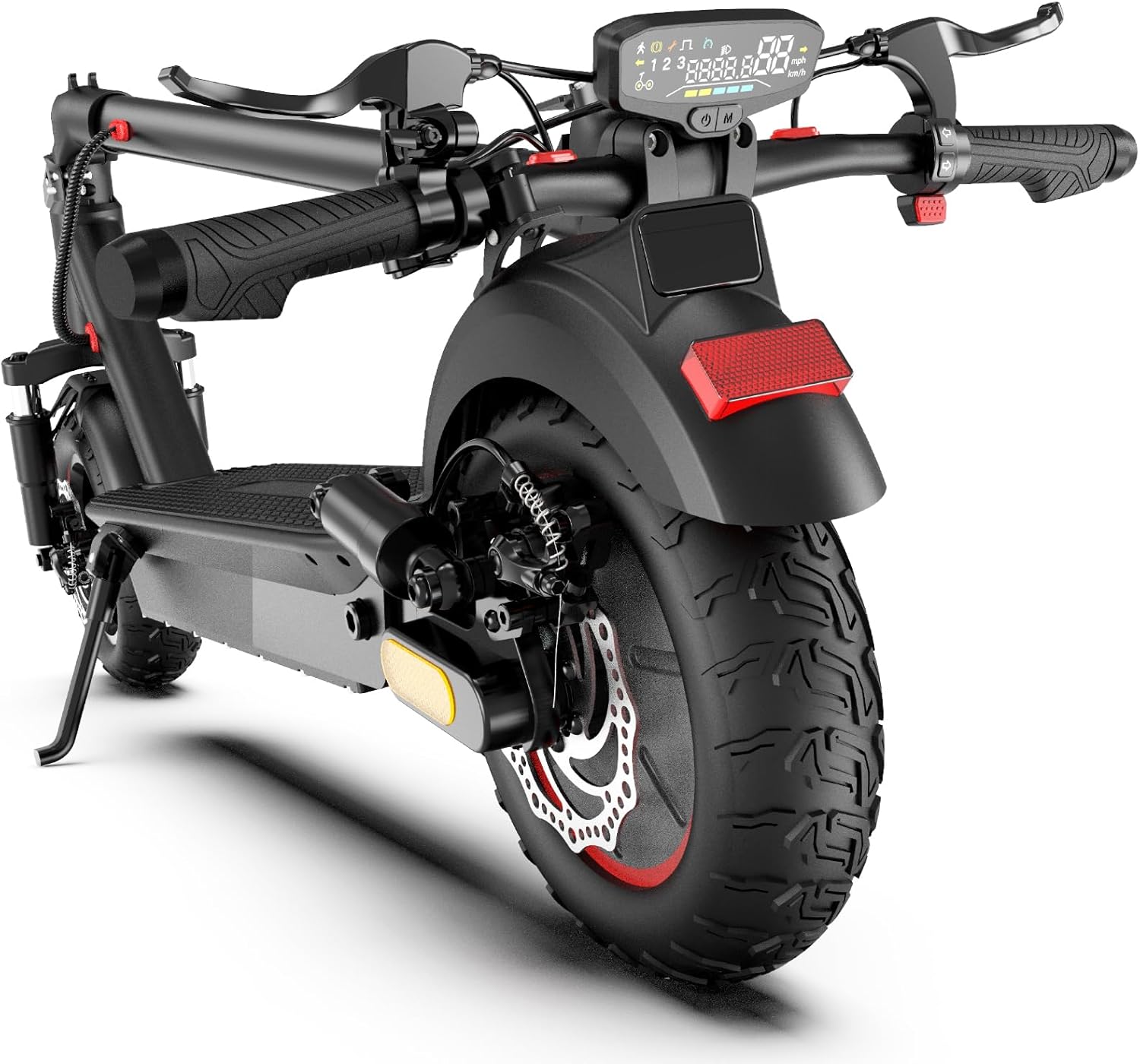
Suspension matters too. Entry-level scooters often have no suspension, making rough roads uncomfortable and potentially damaging internal components. Mid-range models may include front spring suspension; premium scooters offer dual suspension (front and rear) for a smoother ride on uneven surfaces. Tires are another durability factor: air-filled (pneumatic) tires provide better shock absorption but can puncture; solid or honeycomb tires are puncture-proof but harsher on bumpy roads.
Water resistance is rated by IP (Ingress Protection) codes. IPX4 means splash-resistant—fine for light rain. IPX5 or higher offers protection against water jets, making it safer for wet commutes. Avoid scooters with no IP rating if you live in a rainy climate.
4. Features & Functionality
Modern e-scooters come packed with features that enhance convenience, safety, and usability. Essential features include a bright LED headlight (at least 200 lumens), rear brake light, and side reflectors for nighttime visibility. A clear, backlit LCD display showing speed, battery level, and riding mode is standard on most models above $500.
Smart connectivity via Bluetooth and companion apps is increasingly common. These apps allow you to track rides, lock the scooter remotely, update firmware, monitor battery health, and even customize speed modes. While not essential, they add significant value for tech-savvy users.
Other useful features include cruise control (maintains speed without holding the throttle), multiple riding modes (Eco, Normal, Sport), and USB charging ports for your phone. Some high-end models even include GPS tracking, anti-theft alarms, and turn signals—though these are rare and often add complexity.
5. Brand Reputation
Not all e-scooter brands are created equal. Established names like Gotrax, Segway-Ninebot, and Xiaomi have years of experience, robust supply chains, and proven track records. They’re more likely to honor warranties, provide replacement parts, and offer consistent software updates.
Newer or obscure brands may offer tempting prices, but often cut corners on safety certifications (like UL 2271 for batteries), customer service, or component sourcing. Research brand history: How long have they been in business? Do they have physical service centers or only online support? Are their products certified by third-party labs?
User communities and forums (like Reddit’s r/ElectricScooters or specialized Facebook groups) are goldmines for real-world feedback. Look for patterns—repeated complaints about battery failure, broken stems, or unresponsive客服 (customer service) are red flags.
6. Warranty & Support
A strong warranty is your safety net against manufacturing defects and premature failures. Most reputable brands offer at least a 12-month limited warranty covering the motor, battery, and controller. Some premium brands extend this to 18 or even 24 months. Pay close attention to what’s excluded: wear items like tires, brakes, and fenders are rarely covered.
Customer support quality varies widely. Can you reach a human quickly? Do they offer troubleshooting guides or video tutorials? Is there a local repair partner? Gotrax, for example, provides U.S.-based support with phone and email options, which is a big plus over brands that only respond via slow email tickets.
Check return policies too. Many retailers (like Amazon or Best Buy) allow 30-day returns, but some specialty stores have stricter rules. If buying direct from a manufacturer, ensure they accept returns within a reasonable window—ideally 14–30 days—and cover return shipping for defective units.
7. Size & Portability
If you plan to carry your scooter on public transit, store it under a desk, or lift it upstairs, portability is crucial. Weight typically ranges from 22 lbs (ultra-light commuter models) to 60+ lbs (heavy-duty off-road scooters). Anything over 40 lbs becomes difficult to carry for extended periods.
Folding mechanism matters too. Look for one-hand folding systems with secure locking pins—not flimsy latches that can fail mid-ride. Handlebar height should be adjustable if multiple people will use it. Wheel size affects both ride comfort and portability: 6–8 inch wheels are compact but rough on bumps; 10-inch wheels offer better stability and smoother rides but add bulk.
Measure your storage space before buying. A folded scooter might be 40” long—will it fit in your car trunk or apartment closet? Some models include carrying handles or wheels on the deck for easier transport when folded.
8. User Reviews & Ratings
Never rely solely on manufacturer specs or marketing claims. Real user reviews reveal hidden flaws, quirks, and long-term reliability. Focus on detailed reviews (300+ words) that describe actual usage scenarios—commuting in rain, carrying groceries, riding with kids, etc.
Look for verified purchase reviews on platforms like Amazon, Best Buy, or specialized e-scooter sites. Be wary of overly positive reviews posted shortly after launch—they may be incentivized or fake. Instead, prioritize reviews from users who’ve owned the scooter for 3–6 months or more.
Pay attention to recurring themes: “Battery died after 4 months,” “Stem wobbles at high speed,” or “App crashes constantly” are serious concerns. Conversely, consistent praise for build quality, customer service, or ride comfort is a strong indicator of a trustworthy product.
Different Types of Gotrax
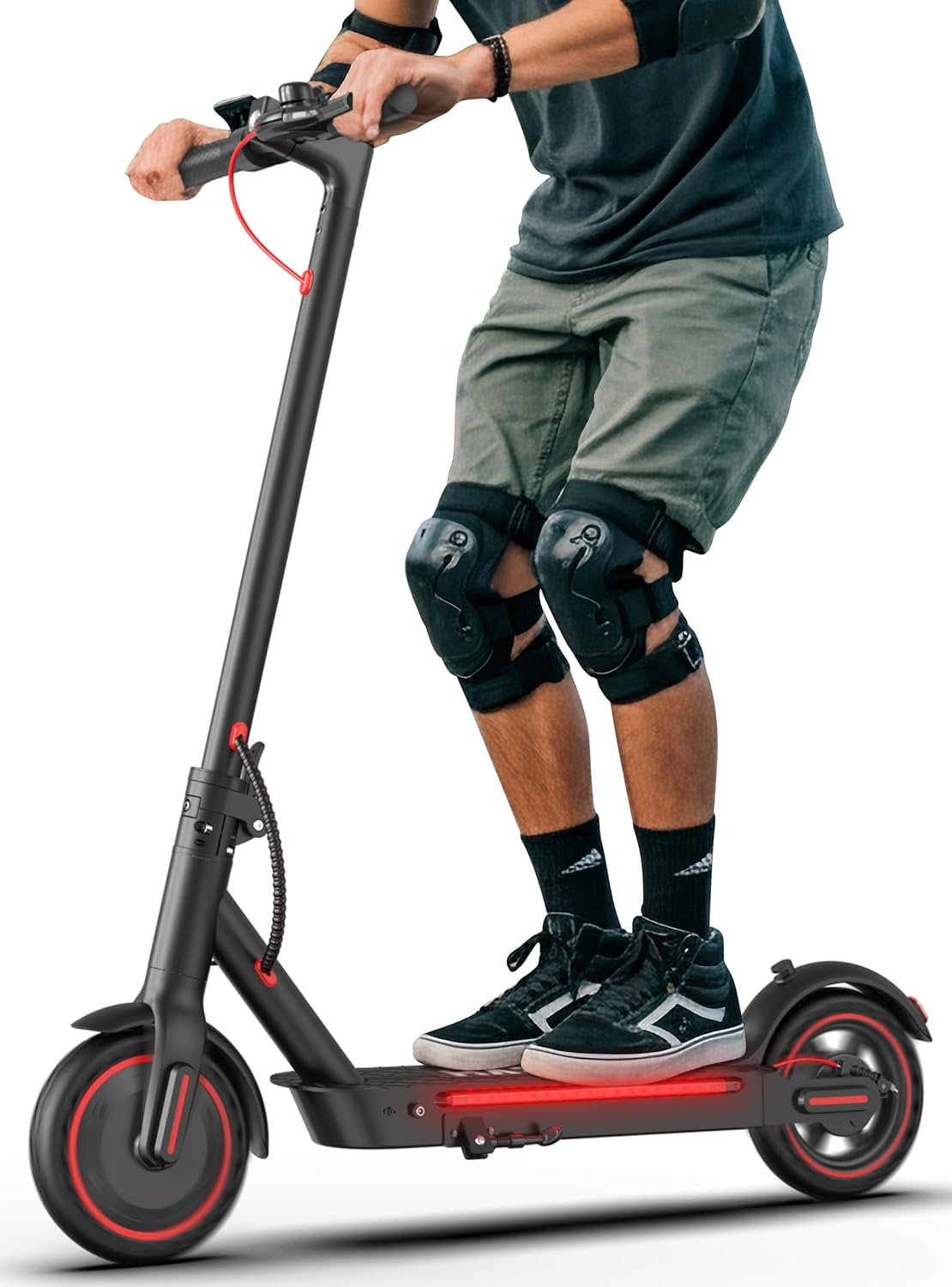
Common Buying Mistakes to Avoid
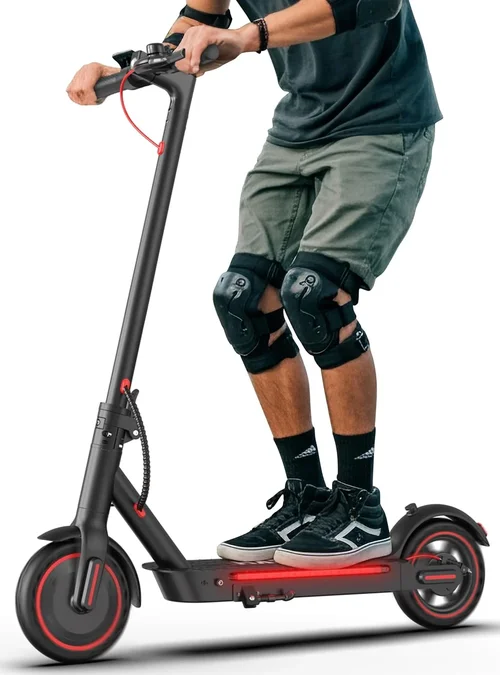
❌ Mistake: Ignoring Real-World Range Claims
Why it’s bad: Manufacturers often advertise range based on ideal conditions—light rider, flat ground, no wind. In reality, hills, headwinds, and heavier loads can cut range by 30–50%. Relying on inflated specs leads to unexpected battery drain and stranded commutes.
What to do instead: Always reduce advertised range by 25% for a realistic estimate. If you need 10 miles of range, buy a scooter rated for at least 13–15 miles. Check third-party range tests on YouTube or review sites for unbiased data.
❌ Mistake: Overlooking Local Laws and Regulations
Why it’s bad: E-scooter laws vary by city, state, and country. Some places ban them on sidewalks, require helmets, or limit speeds. Riding illegally can result in fines, confiscation, or accidents due to unsafe conditions.
What to do instead: Research your local regulations before buying. Check municipal websites or contact your city’s transportation department. Choose a scooter that complies with local speed and power limits—many models offer “city mode” to cap speed at legal levels.
❌ Mistake: Choosing Based Solely on Price
Why it’s bad: The cheapest scooter often costs more in the long run due to frequent repairs, short battery life, or poor safety features. Conversely, overspending on features you’ll never use wastes money.
What to do instead: Define your primary use case first (commuting, recreation, kids), then find the best scooter within your budget that meets those needs. Prioritize reliability and safety over flashy extras.
❌ Mistake: Neglecting Safety Features
Why it’s bad: Poor lighting, weak brakes, or unstable handling increase accident risk—especially at night or in traffic. Many budget scooters skimp on essential safety components to cut costs.
What to do instead: Ensure your scooter has a bright headlight, functional brake light, reliable braking system (disc or drum preferred), and stable geometry. Always wear a helmet, regardless of local laws.
❌ Mistake: Not Testing Before Buying
Why it’s bad: E-scooters feel different from traditional bikes or kick scooters. Throttle response, balance, and ride quality vary significantly between models. Buying blind increases the chance of discomfort or dissatisfaction.
What to do instead: Visit local retailers that offer test rides (some bike shops or specialty stores do). If unavailable, watch detailed ride-along videos on YouTube showing real-world handling, braking, and folding mechanisms.
❌ Mistake: Ignoring After-Sales Support
Why it’s bad: E-scooters contain complex electronics and batteries that may fail. Without reliable support, you could be stuck with a $1,000 paperweight after a minor issue.
What to do instead: Choose brands with strong warranties, accessible customer service, and available spare parts. Read warranty terms carefully—some exclude batteries or water damage even if the scooter is IP-rated.
❌ Mistake: Forgetting About Maintenance
Why it’s bad: Like any vehicle, e-scooters need periodic maintenance—tire checks, brake adjustments, bolt tightening, and battery care. Neglecting this shortens lifespan and compromises safety.
What to do instead: Learn basic maintenance or find a local shop that services e-scooters. Keep a toolkit handy and follow the manufacturer’s maintenance schedule. Regularly inspect tires, brakes, and connections.
Budget Guidelines: How Much Should You Spend?
Entry-Level ($200–$400): These scooters are best for occasional use, short distances, or kids. Expect basic specs: 250W–350W motor, 10–15 mph top speed, 8–12 mile range, and minimal features. Build quality is often lightweight but less durable. Ideal for campus hopping or weekend fun—but not daily commuting in hilly or rainy areas.
Mid-Range ($500–$900): This is the sweet spot for most urban commuters. Scooters here offer 500W–800W motors, 18–25 mph speeds, 15–25 mile real-world range, and solid build quality with better suspension and lighting. Brands like Gotrax, Xiaomi, and Segway dominate this tier with reliable performance and good warranties. You’ll get cruise control, app connectivity, and decent water resistance.
Premium ($1,000–$1,800): For enthusiasts and serious commuters, premium scooters deliver dual motors, long-range batteries (30+ miles), advanced suspension, and robust frames. They handle hills, rough roads, and daily abuse with ease. Expect features like regenerative braking, GPS tracking, and premium tires. Great for those who rely on their scooter as primary transportation.
Luxury ($2,000+): These are for tech lovers, collectors, or those who want the absolute best. Think carbon fiber decks, smartphone integration, ultra-long range (40+ miles), and cutting-edge safety systems. While impressive, they often offer diminishing returns—most users won’t need this level of performance. Reserve for special use cases or as a splurge.
Expert Tips for Getting the Best Deal
1. Time Your Purchase Around Sales Cycles: Major discounts occur during Black Friday, Cyber Monday, Amazon Prime Day, and back-to-school seasons (July–August). Some brands also offer end-of-season clearance in spring. Sign up for newsletters to get early access to deals.
2. Buy Direct vs. Retailers: Manufacturer websites often have exclusive bundles (free helmet, extended warranty) or lower prices than third-party sellers. However, retailers like Best Buy or REI may offer better return policies or in-person support. Compare total value, not just sticker price.
3. Check for Student, Military, or First Responder Discounts: Brands like Gotrax and Segway offer verified discounts for eligible groups—sometimes 10–15% off. It’s worth applying if you qualify.
4. Read the Fine Print on Warranties: Some warranties require registration within 30 days of purchase. Others void coverage if you modify the scooter or use non-approved chargers. Keep all receipts and documentation.
5. Test Ride Whenever Possible: Even if you buy online, visit a store first. Feel the weight, test the throttle, and check folding mechanics. Comfort is subjective—what feels smooth to one rider may feel jarring to another.
6. Look for Bundle Deals: Many sellers offer packages with helmets, locks, phone mounts, or spare parts. These can save $50–$100 versus buying separately.
7. Consider Total Cost of Ownership: Factor in replacement tires, brake pads, and potential battery replacements (typically every 2–3 years). A slightly more expensive scooter with longer-lasting components may cost less over time.
8. Use Price Tracking Tools: Websites like Honey, CamelCamelCamel (for Amazon), or Keepa alert you when prices drop. Set alerts for your desired model and wait for the right moment.
Frequently Asked Questions
Q: How long do e-scooter batteries last?
A: Most lithium-ion batteries last 300–500 charge cycles before capacity drops to 80%. With daily use, that’s roughly 1.5–3 years. Proper care—avoiding full discharges, storing at 50% charge in winter, and using the correct charger—can extend lifespan.
Q: Can I ride an e-scooter in the rain?
A: Only if it has an IPX4 rating or higher. IPX4 handles light splashes; IPX5+ can withstand rain. Never submerge the scooter or ride through deep puddles—water can damage the motor, battery, or electronics.
Q: Are e-scooters safe for kids?
A: Yes, but only with age-appropriate models (typically 8+ years), speed limiters, and proper supervision. Always require helmets and avoid busy streets. Youth scooters should have lower max speeds (10–15 mph) and lighter frames.
Q: Do I need insurance for my e-scooter?
A: In most U.S. states, no—but check local laws. Some cities require liability insurance for rental scooters, but private owners are rarely mandated. However, adding coverage to your homeowner’s or renter’s policy is wise for theft or damage protection.
Q: How fast can e-scooters go?
A: Entry-level models top out at 15 mph; performance scooters reach 25–35 mph; high-end models can exceed 40 mph. Always obey local speed limits and ride responsibly.
Q: Can I take my e-scooter on public transit?
A: Most buses and trains allow folded e-scooters, but policies vary. Check with your local transit authority. Avoid peak hours if possible, and be mindful of other passengers.
Q: What’s the difference between hub motors and belt drives?
A: Hub motors are built into the wheel—simple, quiet, and low-maintenance. Belt drives use a belt and pulley system—often more powerful and serviceable but noisier and require occasional tension adjustments. Most consumer e-scooters use hub motors.
Q: How do I maintain my e-scooter?
A: Regularly check tire pressure (if pneumatic), tighten bolts, clean the deck, inspect brakes, and store in a dry place. Lubricate moving parts sparingly and avoid high-pressure water washes.
Q: Can I upgrade my scooter’s battery?
A: Generally no—batteries are integrated and matched to the controller and BMS (battery management system). Upgrading voids warranties and can cause safety issues. Replace only with OEM parts if needed.
Q: What should I do if my scooter stops working?
A: First, check the basics: battery charge, fuse, connections, and error codes on the display. Consult the manual or contact customer support. If under warranty, request a repair or replacement—don’t attempt DIY fixes that could void coverage.
Our Final Recommendations
Best for Budget-Conscious Buyers: Gotrax GXL V2 – At around $350, it offers solid 15.5 mph speed, 12-mile range, and reliable build quality. Great for students or casual riders who need affordability without sacrificing core functionality.
Best Overall Value: Gotrax G4 – Priced near $600, it delivers 20 mph speed, 25-mile range, dual suspension, and IPX4 water resistance. It strikes the perfect balance between performance, durability, and price for daily commuters.
Best Premium Option: Apollo Explore – Around $1,300, this scooter boasts a 52V battery, 28-mile range, 25 mph top speed, and exceptional build quality. Ideal for those who want long-range reliability and don’t mind the investment.
Best for Beginners: Xiaomi Mi Electric Scooter Essential – Simple controls, lightweight design, and intuitive ride make it perfect for first-time riders. At $399, it’s affordable and trustworthy.
Best for Advanced Users: Dualtron Thunder 3 – With dual 1,000W motors, 50+ mph top speed, and 75-mile range, this is a beast for enthusiasts. Priced near $2,800, it’s for those who demand maximum performance and don’t compromise.
Conclusion: Making the Right Choice
Choosing the best e-scooter isn’t about finding the fastest, flashiest, or most expensive model—it’s about matching the right tool to your lifestyle, budget, and needs. Whether you’re navigating city streets, exploring trails, or shuttling kids to school, the ideal scooter will feel like a natural extension of your daily routine.
Remember to prioritize safety, reliability, and real-world performance over marketing hype. Read reviews, test when possible, and invest in quality—you’ll thank yourself months down the road when your scooter still runs smoothly while cheaper alternatives falter. And don’t forget the essentials: a good helmet, a sturdy lock, and regular maintenance will keep you riding safely for years.
The e-scooter revolution is here to stay. With the right choice, you’re not just buying a vehicle—you’re embracing a smarter, greener, and more enjoyable way to move through the world. So take your time, do your research, and ride with confidence. Your perfect e-scooter is out there—now go find it.