
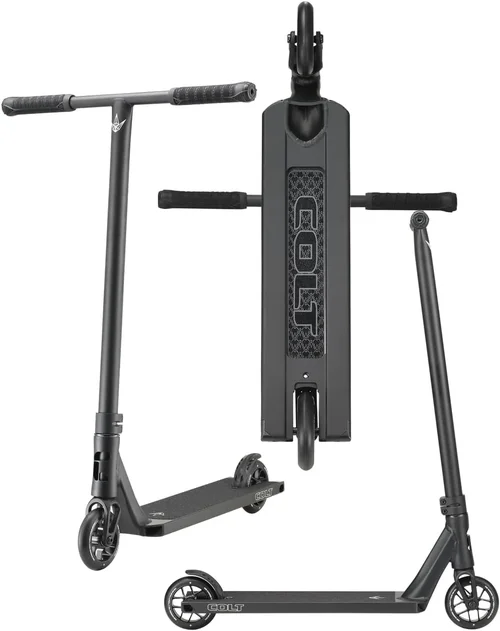
Electric scooters have evolved from niche urban gadgets into serious transportation solutions—and for good reason. In 2026, the e-scooter market is more competitive, innovative, and accessible than ever before. Whether you’re commuting across town, running errands, or just enjoying a weekend ride, the right electric scooter can save you time, money, and stress while reducing your carbon footprint. But with dozens of brands, hundreds of models, and a flood of conflicting online reviews, choosing the best e-scooter for your needs can feel overwhelming. That’s exactly why this guide exists: to cut through the noise, clarify your priorities, and help you make a confident, informed decision.
In this comprehensive buyer’s guide, you’ll learn everything you need to know to find the perfect electric scooter for your lifestyle. We’ll walk you through the most critical factors to consider—from performance and build quality to portability and after-sales support—and break down the different types of scooters available today. You’ll discover common pitfalls that even savvy shoppers fall into, get realistic budget guidance, and receive expert tips to help you secure the best possible deal. By the end, you’ll not only understand what makes one scooter better than another but also how to match those features to your unique needs, whether you’re a daily commuter, a weekend explorer, or a first-time rider.
The e-scooter market in 2026 is diverse and dynamic. Major players like Gotrax, Segway-Ninebot, Xiaomi, Apollo, and Unagi continue to innovate, while newer brands are pushing boundaries with advanced battery tech, smart connectivity, and rugged off-road capabilities. Prices range from under $300 for basic entry-level models to over $3,000 for high-performance machines built for speed and endurance. With such variety, there’s truly something for everyone—but only if you know what to look for. This guide will equip you with the knowledge to navigate that landscape with confidence.

What to Look for When Buying an E-Scooter
1. Budget & Price Range
Your budget is the foundation of your buying decision—and it’s often the first filter you should apply. E-scooters vary dramatically in price, and while it’s tempting to go for the cheapest option, doing so can lead to disappointment down the road. A scooter that costs $250 might get you from point A to B, but it likely won’t last long, perform well on hills, or offer reliable safety features. On the flip side, spending $2,500 on a top-tier model may be overkill if you only need occasional short rides.
Set a realistic budget based on how often you plan to use the scooter and what you expect from it. For casual riders or students, $400–$700 is a sweet spot that balances affordability with decent performance and durability. Daily commuters should consider investing $800–$1,500 for models with better batteries, suspension, and build quality. Remember: a slightly higher upfront cost often translates to lower long-term expenses due to fewer repairs, longer battery life, and better resale value.
2. Performance Specifications
Performance is where many buyers get tripped up by marketing hype. Terms like “top speed” and “range” are often exaggerated in ads, so it’s essential to dig deeper. Start with motor power, measured in watts (W). A 250W motor is fine for flat terrain and light riders, but if you live in a hilly area or weigh over 160 lbs, you’ll want at least 500W—ideally dual motors for serious inclines.
Range is another critical spec, but it’s highly dependent on conditions. Manufacturers often quote “ideal” range under perfect weather, flat roads, and light loads. In reality, expect 60–80% of the advertised range. For example, a scooter claiming 30 miles might realistically deliver 18–24 miles. Always check real-world user reviews for range feedback.
Top speed matters too, especially if you’re sharing roads with traffic. Most city-friendly scooters cap out between 15–20 mph, which is sufficient for urban commuting. High-performance models can hit 30+ mph, but these require more skill, better brakes, and often helmets and protective gear. Always prioritize safety over speed.
3. Build Quality & Durability
A scooter is only as good as its weakest component. Look for a robust frame made from aircraft-grade aluminum or reinforced steel—materials that resist bending and corrosion. Check the weight capacity: most scooters support 220–300 lbs, but heavier riders should verify this spec carefully.
Pay attention to the deck size and grip. A wider, non-slip deck improves stability, especially at higher speeds or in wet conditions. Suspension systems (spring, hydraulic, or air-filled) significantly impact ride comfort on uneven pavement. While not all scooters have suspension, those that do offer a noticeably smoother experience.
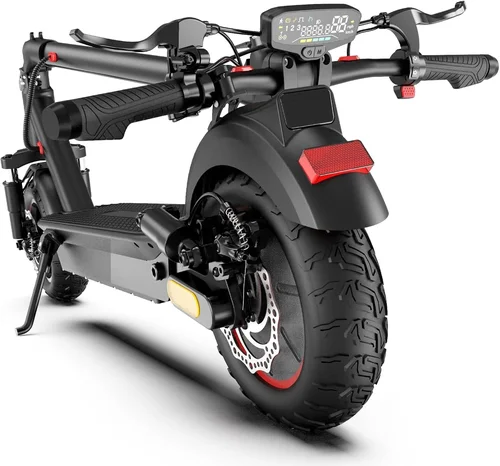
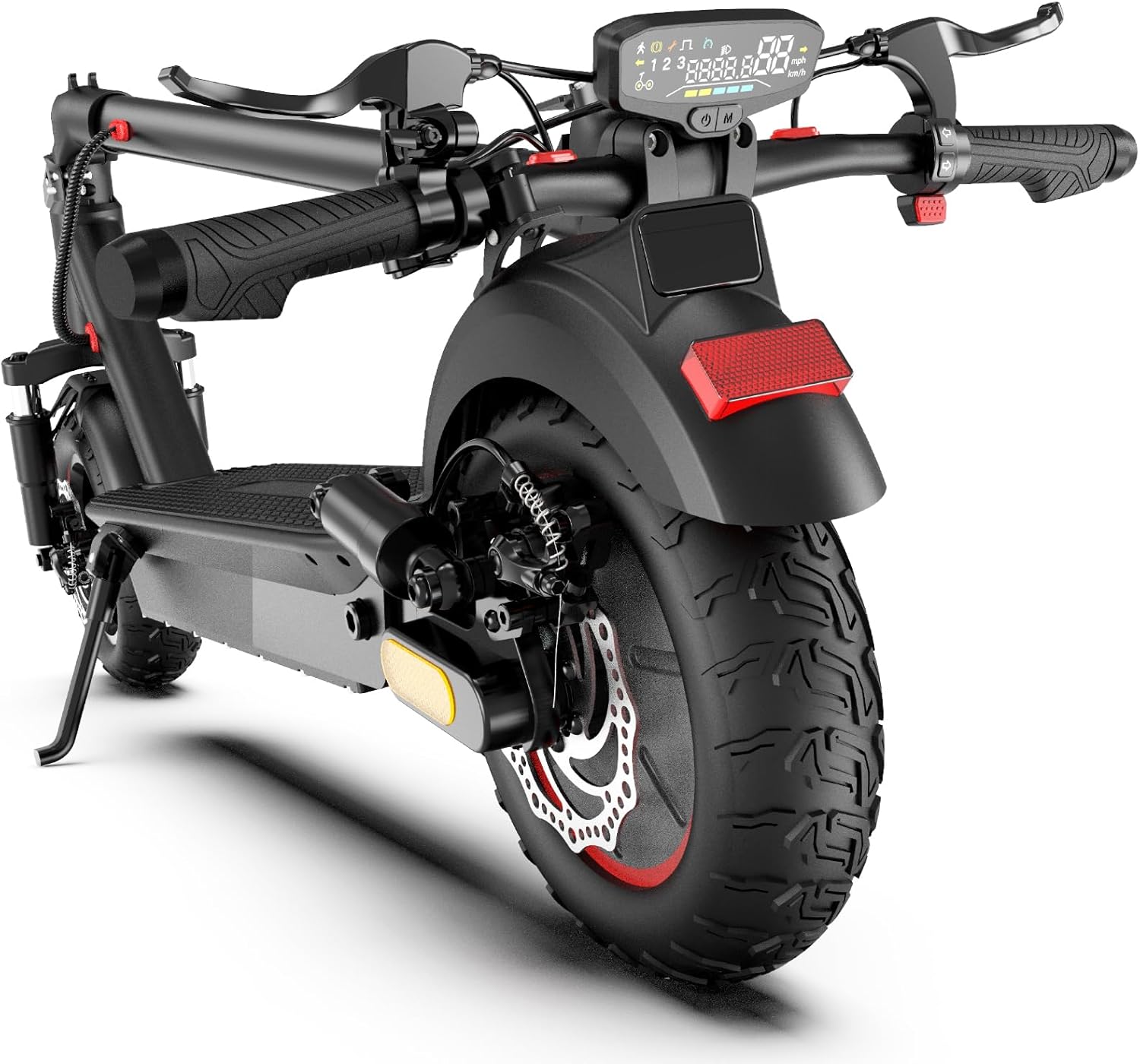
Tires are another durability factor. Solid rubber tires are puncture-proof but offer a rougher ride. Pneumatic (air-filled) tires provide better shock absorption but require occasional inflation and are vulnerable to flats. Some premium models now use tubeless or honeycomb tires as a middle ground.
Finally, inspect the folding mechanism. A poorly designed hinge can loosen over time, creating wobble or even safety risks. Test it if possible—or read reviews that mention long-term folding reliability.
4. Features & Functionality
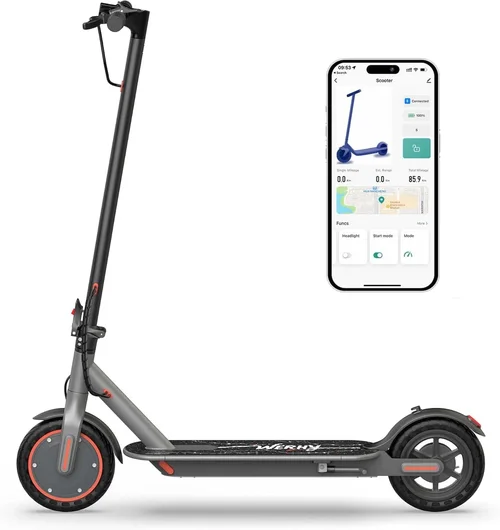
Modern e-scooters come packed with features, but not all are equally useful. Start with the basics: LED headlights and taillights are essential for night riding, and brake lights that activate when you slow down add an extra layer of safety. A clear, backlit LCD display showing speed, battery level, and riding mode is standard on mid-to-high-end models.
Regenerative braking—where the motor helps recharge the battery during deceleration—is a nice efficiency booster, though its real-world impact is modest. Cruise control is handy for long, straight stretches, reducing hand fatigue. Some scooters even include turn signals, though these are rare and often aftermarket additions.
Smart features are becoming more common. Bluetooth connectivity lets you lock/unlock the scooter, track rides via app, or receive firmware updates. GPS tracking can help recover a stolen scooter, though it usually requires a subscription. While these extras are convenient, they shouldn’t outweigh core performance and safety considerations.
5. Brand Reputation
Not all brands are created equal. Established names like Gotrax, Segway-Ninebot, and Xiaomi have proven track records for reliability, customer service, and parts availability. They also tend to invest more in R&D, resulting in better engineering and longer product lifespans.
Research how a brand handles recalls, software updates, and warranty claims. Some companies offer excellent support with quick replacements; others leave customers waiting weeks for repairs. Check forums like Reddit’s r/ElectricScooters or specialized review sites for real user experiences.
Also consider regional availability. A brand popular in Europe might have limited service centers in the U.S., making repairs difficult. If you’re buying online, ensure the seller is authorized and offers local support.
6. Warranty & Support
A strong warranty is a sign of confidence in a product’s quality. Most reputable brands offer at least a 12-month limited warranty covering defects in materials and workmanship. Premium models may include 18–24 months, sometimes with extended battery coverage.
Read the fine print: many warranties exclude wear-and-tear items like tires, brakes, and batteries. Some also void coverage if the scooter is modified or used commercially. Look for brands that offer hassle-free claims processes and clear terms.
Customer support matters too. Can you reach someone by phone or chat? Do they have a knowledge base or video tutorials? A responsive support team can save you hours of frustration if something goes wrong.
7. Size & Portability
If you plan to carry your scooter on public transit, store it under a desk, or lift it upstairs, portability is crucial. Weight is the biggest factor—most foldable scooters range from 25 to 45 lbs. Anything over 35 lbs becomes cumbersome for daily carrying.
Folding time and compactness matter too. A scooter that folds in under 10 seconds and fits in a car trunk is far more practical than one that requires tools or takes up significant space. Some models include carrying handles or wheels for easier transport when folded.
Consider your storage situation. If you live in an apartment without secure outdoor space, a lightweight, compact scooter you can bring inside is ideal. For garage or bike locker storage, size is less critical.
8. User Reviews & Ratings
Never rely solely on manufacturer specs or paid ads. Real user reviews—especially long-term ones—reveal flaws and strengths you won’t find in marketing materials. Look for patterns: if multiple users report the same issue (e.g., “battery died after 6 months” or “brakes squeak constantly”), it’s likely a genuine problem.
Use trusted sources like Amazon (filter for verified purchases), YouTube reviews from channels like Electric Scooter Insider or TechGearTalk, and community forums. Pay attention to reviews from users with similar weight, usage patterns, and environments as yours.
Be wary of overly positive or negative reviews that lack detail. Genuine feedback usually includes specifics about performance, comfort, and reliability over time.
Different Types of E-Scooters

Common Buying Mistakes to Avoid
❌ Mistake: Prioritizing Top Speed Over Safety
Why it’s bad: A scooter that hits 30 mph sounds thrilling, but without proportional braking power, suspension, and rider protection, it becomes a liability. Many accidents happen because riders underestimate how quickly things can go wrong at high speeds.
What to do instead: Match speed to your skill level and environment. For city riding, 18–20 mph is plenty fast—and much safer. Always wear a helmet, and choose models with dual braking systems (disc + electronic).
❌ Mistake: Ignoring Real-World Range
Why it’s bad: Manufacturers often test range with lightweight riders on flat roads in ideal conditions. If you’re heavier, ride uphill, or use higher speed modes, your actual range will be significantly lower.
What to do instead: Divide the advertised range by 1.5 to estimate real-world performance. If you need 15 miles round-trip, buy a scooter rated for at least 25 miles.
❌ Mistake: Overlooking Weight and Portability
Why it’s bad: A 45-lb scooter might seem manageable in the store, but carrying it up three flights of stairs daily gets old fast—especially if you’re petite or have mobility issues.
What to do instead: Test the weight yourself. If you can’t comfortably lift and carry it for 30 seconds, look for a lighter model. Consider wheel size too—larger wheels roll easier over cracks and curbs.
❌ Mistake: Skipping the Test Ride
Why it’s bad: Specs don’t tell you how a scooter feels. Handlebar height, deck stiffness, and throttle response vary widely and affect comfort and control.
What to do instead: Visit a local retailer or attend an e-scooter demo event. If that’s not possible, watch detailed video reviews that show the scooter in motion on different surfaces.
❌ Mistake: Buying Based on Looks Alone
Why it’s bad: Sleek design and colorful LEDs don’t improve performance. Some stylish scooters sacrifice durability or use cheaper components to cut costs.
What to do instead: Focus on function first. A plain-looking scooter with excellent brakes, suspension, and battery life will serve you better than a flashy one that breaks down monthly.
❌ Mistake: Neglecting Local Laws and Regulations
Why it’s bad: E-scooter laws vary by city and state. Some places ban them on sidewalks, require helmets, or limit speed. Riding illegally can result in fines or confiscation.
What to do instead: Check your local transportation authority’s website before buying. Choose a scooter that complies with local speed and power limits.
❌ Mistake: Assuming All Batteries Are Equal
Why it’s bad: Battery quality直接影响 range, lifespan, and safety. Cheap lithium-ion cells degrade faster and pose fire risks if poorly manufactured.
What to do instead: Look for scooters using name-brand batteries (e.g., Samsung, LG, Panasonic) and avoid unknown Chinese cells. Check if the battery is removable—this makes replacement easier and extends the scooter’s life.
Budget Guidelines: How Much Should You Spend?
Entry-Level ($250–$500): This tier is ideal for occasional riders, students, or those testing the waters. Expect basic specs: 250W motors, 10–15 mile range, solid tires, and minimal features. Build quality is adequate but not exceptional—frames may flex, and components wear faster. Brands like Gotrax and Razor dominate here. Great for short, flat commutes under 3 miles.
Mid-Range ($600–$1,200): The sweet spot for most buyers. These scooters offer 500–800W motors, 18–25 mile real-world range, pneumatic tires, and basic suspension. You’ll find reliable brands like Segway-Ninebot, Xiaomi, and newer Gotrax Pro models. Features like LED displays, cruise control, and decent lighting are standard. Perfect for daily commuting up to 10 miles round-trip.
Premium ($1,300–$2,500): Built for performance and longevity. Expect dual motors (1,000W+ total), 25–40 mile range, advanced suspension, and high-capacity batteries. Models from Apollo, Dualtron, and Unagi shine here. Ideal for hilly cities, longer commutes, or riders who value speed and comfort. Often include smart features, app connectivity, and premium materials.
Luxury ($2,500+): For enthusiasts and professionals who demand the best. These scooters push boundaries with carbon fiber frames, regenerative braking, GPS tracking, and ultra-long ranges (50+ miles). They’re overkill for most but offer unparalleled ride quality and cutting-edge tech. Think of them as the Tesla of e-scooters.
Expert Tips for Getting the Best Deal
1. Time Your Purchase Around Sales Cycles: Major discounts happen during Black Friday, Cyber Monday, Amazon Prime Day, and end-of-season clearances (late summer/fall). Sign up for brand newsletters to get early access to deals.
2. Buy Direct from Authorized Retailers: While third-party sellers on Amazon or eBay may offer lower prices, they sometimes sell refurbished or gray-market units without full warranty coverage. Stick to official websites or authorized dealers like Best Buy, REI, or specialized e-scooter shops.
3. Compare Total Cost of Ownership: Factor in accessories (helmet, lock, phone mount), potential repairs, and battery replacement (typically every 2–3 years). A slightly pricier scooter with a removable battery may save money long-term.
4. Read Return Policies Carefully: Some retailers charge restocking fees or only accept returns within 14 days. Ensure you have at least 30 days to test the scooter thoroughly. Avoid “final sale” items unless you’re certain.
5. Consider Refurbished or Open-Box Models: Certified refurbished scooters from reputable brands often come with full warranties and sell for 20–30% less. Open-box deals at big-box stores can also yield savings with minimal risk.
6. Test Before You Buy (If Possible): Local bike shops, scooter rental services, or community events often let you try models before purchasing. Even renting for a day can reveal deal-breakers like uncomfortable handlebars or weak brakes.
7. Negotiate Extended Warranties: Some retailers offer free or discounted extended coverage during promotions. If not, ask—they may throw it in to close the sale.
8. Join Owner Communities: Forums and Facebook groups often share exclusive discount codes, flash sales, or group-buying opportunities. Members also post honest long-term reviews you won’t find elsewhere.
Frequently Asked Questions
Q: How long do e-scooter batteries last?
A: Most lithium-ion batteries last 300–500 charge cycles before capacity drops to 80%. With daily use, that’s roughly 1.5–3 years. Proper care—like avoiding full discharges and storing at 50% charge in cool temps—can extend lifespan.
Q: Can I ride an e-scooter in the rain?
A: It depends on the IP rating. Look for at least IPX4 (splash-resistant) for light rain. Avoid submerging the scooter or riding in heavy downpours, as water can damage electronics. Always dry it thoroughly after wet rides.
Q: Do I need a license or insurance?
A: In most U.S. states, no license is required for scooters under 20 mph. However, some cities mandate helmets or restrict where you can ride. Insurance is rarely required but recommended for high-value models.
Q: How fast can e-scooters go?
A: Entry-level models max out at 15–18 mph. Mid-range scooters reach 20–25 mph, while high-performance models can hit 30–40 mph. Always obey local speed limits and ride responsibly.
Q: Are e-scooters safe?
A: When used properly, yes. Wear a helmet, follow traffic rules, avoid distracted riding, and maintain your scooter. Most accidents result from user error or poor road conditions—not mechanical failure.
Q: Can I take my e-scooter on a plane?
A: Generally no. Most airlines prohibit lithium batteries over 100Wh in checked or carry-on luggage. Some smaller scooters with removable batteries under 160Wh may be allowed—check with your airline first.
Q: How do I maintain my e-scooter?
A: Regularly check tire pressure (if pneumatic), tighten bolts, clean the deck, and inspect brakes. Lubricate the folding mechanism monthly. Store indoors and charge regularly—even if not in use.
Q: What’s the difference between hub motors and belt drives?
A: Hub motors are built into the wheel—simple, quiet, and low-maintenance. Belt drives use a belt and pulley system, offering better torque and efficiency but requiring occasional belt replacement. Most modern scooters use hub motors.
Q: Can I upgrade my scooter’s battery?
A: Some models allow battery upgrades, but it’s not common. Modifying the battery may void your warranty or create safety risks. Consult the manufacturer before attempting any upgrades.
Q: Are e-scooters eco-friendly?
A: Yes, compared to cars. They produce zero emissions during use and have a much smaller carbon footprint over their lifetime—especially if charged with renewable energy.
Our Final Recommendations
Best for Budget-Conscious Buyers: Gotrax GXL V2 – At around $400, it offers solid 15-mile range, 15.5 mph top speed, and reliable build quality. Great for students and short commutes.
Best Overall Value: Segway Ninebot Max G30LP – Priced near $800, it delivers 30+ mile range, excellent water resistance (IPX5), and a comfortable ride. A proven workhorse for daily commuters.
Best Premium Option: Apollo Explore – Around $1,600, this scooter boasts dual motors, 34-mile range, hydraulic suspension, and a sleek design. Ideal for those who want performance without going full sport.
Best for Beginners: Xiaomi Mi Electric Scooter 4 Lite – Lightweight (26 lbs), intuitive controls, and a smooth ride make it perfect for first-time riders. Priced under $600.
Best for Advanced Users: Dueltron Thunder 2 – With 72 mph top speed, 80-mile range, and dual 2,400W motors, this is for serious enthusiasts. Expect to pay $3,000+, but it’s unmatched in power and capability.
Conclusion: Making the Right Choice
Choosing the best e-scooter isn’t about finding the most powerful or most expensive model—it’s about finding the one that fits your life. Whether you’re zipping to class, commuting to work, or exploring city parks, the right scooter should feel like an extension of your mobility, not a compromise. By focusing on your priorities—budget, performance needs, portability, and safety—you’ll avoid common pitfalls and invest in a vehicle that serves you well for years to come.
Remember, the “best” scooter is the one you’ll actually use. A slightly pricier model with better comfort and reliability will get more mileage (literally and figuratively) than a cheap one that sits in the closet. Take your time, do your research, and don’t hesitate to ask questions. The e-scooter revolution is here—and with the right choice, you can be part of it safely, sustainably, and enjoyably.
Now that you’re armed with expert knowledge, it’s time to ride. Happy scooting!