
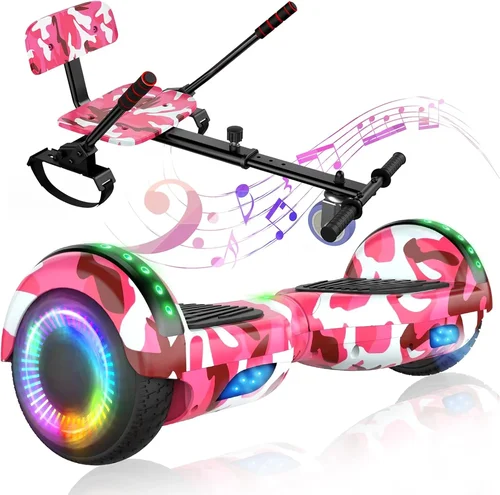
Hoverboards have evolved dramatically since their flash-in-the-pan debut over a decade ago. What began as a novelty gadget often associated with questionable safety standards has matured into a legitimate personal transportation solution—especially with brands like Gotrax leading the charge in reliability, innovation, and user-focused design. Whether you’re commuting short distances, zipping around campus, or just looking for a fun way to get outdoors, today’s hoverboards offer impressive performance, smarter tech, and far greater peace of mind than their early counterparts.
This guide is designed to cut through the noise and help you make a confident, informed decision. We’ll walk you through every critical factor—from battery life and motor power to safety certifications and real-world usability—so you can find the perfect hoverboard for your lifestyle and budget. You’ll learn how to avoid common pitfalls, understand what different price points actually deliver, and discover which models stand out in 2026. By the end, you won’t just know what to buy—you’ll know why it’s the right choice for you.
The hoverboard market today is more diverse than ever. Entry-level models start under $200, while premium options with advanced features can exceed $600. Brands like Gotrax, Segway, Razor, and Swagtron dominate the space, but not all are created equal. With evolving battery tech, improved build quality, and smarter onboard systems, 2026 offers some of the best hoverboards we’ve ever seen—if you know what to look for.

What to Look for When Buying Gotrax
1. Budget & Price Range
Your budget is the foundation of your buying decision—but it shouldn’t be the only factor. Hoverboards span a wide price spectrum, and while it’s tempting to go for the cheapest option, skimping too much can lead to disappointment in performance, durability, or safety. A good rule of thumb: aim to spend at least $250–$300 for a reliable, safe model from a reputable brand like Gotrax. At this price point, you’ll typically get UL 2272 certification (more on that below), decent battery life, and solid build quality.
That said, your budget should align with your usage. If you’re buying for casual weekend rides or as a gift for a teen, a mid-tier model around $350 may be ideal. For daily commuting or heavier use, investing $450–$550 gets you significantly better motors, longer range, and enhanced durability. Remember: a hoverboard isn’t just a toy—it’s a mobility device. Treat it like one, and your investment will pay off in reliability and longevity.
2. Performance Specifications
Performance boils down to three core specs: motor power, top speed, and range. Gotrax hoverboards typically feature dual motors ranging from 250W to 500W per wheel. For flat surfaces and light riders (under 160 lbs), 250W motors are sufficient. But if you plan to tackle hills, carry heavier loads, or want quicker acceleration, opt for 350W or higher. Gotrax’s higher-end models like the Hoverfly ECO+ boast 400W total power (200W per motor), offering smooth hill climbs up to 15% incline.
Top speed usually ranges from 6 to 10 mph. Beginners may prefer slower speeds (6–7 mph) for better control, while experienced riders might enjoy the 9–10 mph capability of models like the Gotrax Elite. Range is equally important—most Gotrax hoverboards offer 8–12 miles per charge under ideal conditions. Realistically, expect 6–10 miles depending on weight, terrain, and riding style. Always check whether the stated range is based on a 150-lb rider on flat ground—if not specified, assume it’s optimistic.
3. Build Quality & Durability
A hoverboard takes abuse—pavement cracks, curbs, rain, dust, and daily wear. That’s why build quality matters immensely. Look for a sturdy ABS/polycarbonate shell, reinforced foot pads with good grip, and sealed electronics to prevent water and debris ingress. Gotrax models generally score well here, with many featuring IP54 ratings—meaning they’re protected against splashing water and limited dust exposure. This makes them suitable for light rain or damp sidewalks, though full submersion is still a no-go.
Pay attention to wheel construction too. Solid rubber tires are maintenance-free and puncture-proof but offer less shock absorption. Air-filled (pneumatic) tires provide a smoother ride on rough terrain but require occasional inflation and are prone to flats. Gotrax primarily uses solid tires, which is a smart choice for urban environments where convenience outweighs plush comfort. Also check the weight capacity: most Gotrax hoverboards support up to 220–265 lbs, but verify this matches your needs.
4. Features & Functionality
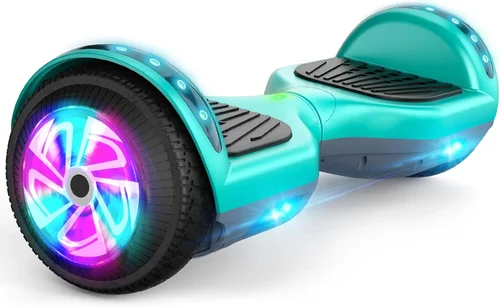
Modern hoverboards come packed with features that go beyond basic balancing. Bluetooth connectivity is now standard on most Gotrax models, allowing you to play music through built-in speakers—a fun perk for casual riders. LED headlights improve visibility at night, while customizable LED wheel lights add flair (and safety). Some models include app integration for ride tracking, speed limits, and firmware updates.
One standout feature in newer Gotrax hoverboards is “Rider Modes.” These let you toggle between Beginner, Normal, and Sport settings, adjusting sensitivity and max speed. This is invaluable for families with multiple riders of varying skill levels. Another practical addition is a low-battery warning system that gently slows the board before shutting down—preventing sudden stops that could cause falls.
5. Brand Reputation
Not all hoverboard brands are equal—and reputation matters when safety and support are on the line. Gotrax has built a strong name since its founding, focusing on affordability without sacrificing core safety standards. They’re known for consistent quality control, responsive customer service, and transparent product documentation. Unlike some budget brands that disappear after a few months, Gotrax offers ongoing support and firmware updates.
Check third-party reviews and forums like Reddit’s r/hoverboards or Amazon Q&A sections. Consistent complaints about overheating, sudden shutdowns, or poor battery life are red flags. Gotrax generally avoids these issues, especially in their 2024–2026 lineup, which incorporates improved thermal management and higher-grade lithium-ion batteries.
6. Warranty & Support
A solid warranty is your safety net. Gotrax typically offers a 1-year limited warranty covering manufacturing defects—standard for the industry. However, read the fine print: batteries often have shorter coverage (6–9 months), and physical damage from crashes or water exposure is usually excluded. Still, a 1-year warranty signals confidence in the product.
Customer support responsiveness is just as important. Gotrax provides email and phone support, with average response times under 24 hours. They also maintain an active FAQ section and video tutorials for troubleshooting. Avoid brands with no clear support channels or warranties under 6 months—they’re likely cutting corners elsewhere.
7. Size & Portability
Hoverboards aren’t meant to be carried far, but portability still matters—especially if you’re taking one on public transit, stowing it under a desk, or loading it into a car. Most Gotrax models weigh between 22 and 28 lbs. The lighter ones (like the Gotrax Nova) are easier for kids or teens to handle, while heavier models (like the Elite) offer more stability but less convenience.
Wheel size also affects portability and ride quality. Gotrax hoverboards typically use 6.5-inch wheels—compact enough for tight spaces but large enough to handle small obstacles. Larger wheels (8+ inches) roll smoother over cracks but add bulk. Consider where you’ll store it: a compact model fits better in small apartments or lockers.
8. User Reviews & Ratings
Never buy a hoverboard based solely on specs or marketing claims. Real user feedback reveals hidden strengths and weaknesses. Look for patterns in reviews: if multiple users mention the same issue—like poor battery life after 3 months or wobbly foot pads—it’s likely a real problem. Conversely, consistent praise for smooth handling or excellent customer service is a strong endorsement.
On Amazon, prioritize reviews marked “Verified Purchase” and read both 5-star and 1-star feedback. A 4.3+ average with hundreds of reviews is a good sign. Gotrax models like the Hoverfly ECO and Elite consistently score 4.4–4.6, with users highlighting reliability and value. Be wary of brands with mostly 5-star reviews and no critical feedback—this can indicate review manipulation.
Different Types of Gotrax

Common Buying Mistakes to Avoid
❌ Mistake: Ignoring Safety Certifications
Why it’s bad: Without UL 2272 certification, your hoverboard could pose fire or electrical hazards. Early hoverboard models were notorious for battery explosions due to cheap lithium-ion cells and poor circuit design.
What to do instead: Always verify that the model is UL 2272 certified. Gotrax prominently displays this on product pages and packaging. Look for the UL logo—it’s your best guarantee of electrical safety.
❌ Mistake: Overestimating Battery Life
Why it’s bad: Manufacturers often quote range under perfect conditions (light rider, flat ground, moderate speed). In reality, hills, wind, and heavier weight drain batteries faster.
What to do instead: Subtract 20–30% from the advertised range. If a board claims 12 miles, expect 8–10 in real-world use. Choose a model with at least 2–3 extra miles beyond your daily needs.
❌ Mistake: Buying Based Solely on Price
Why it’s bad: The cheapest hoverboards often cut corners on motors, batteries, and safety. You may end up replacing it within months.
What to do instead: Treat price as one factor among many. A $300 Gotrax with solid reviews and certifications is smarter than a $150 no-name brand with unknown origins.
❌ Mistake: Neglecting Weight Capacity
Why it’s bad: Exceeding the weight limit strains motors, reduces range, and increases wear. It can also void your warranty.
What to do instead: Check your weight (including backpack or cargo) and choose a model rated for at least 20–30 lbs above that. Gotrax Elite supports up to 265 lbs—ideal for adults.
❌ Mistake: Skipping the Test Ride
Why it’s bad: Hoverboards feel different from person to person. What’s stable for one rider may feel twitchy to another.
What to do instead: If buying in-store, insist on a demo. Online? Check return policies—Gotrax offers 30-day returns on most models, giving you time to test safely.
❌ Mistake: Forgetting About Terrain
Why it’s bad: Standard hoverboards struggle on gravel, grass, or steep hills. Riding off-spec can damage the board or cause accidents.
What to do instead: Match the hoverboard to your typical terrain. Urban commuters: solid tires are fine. Trail riders: consider all-terrain models like the Gotrax Apex.
❌ Mistake: Overlooking Warranty Details
Why it’s bad: A “1-year warranty” might exclude batteries or accidental damage—leaving you paying for repairs.
What to do instead: Read the warranty terms before buying. Gotrax clearly outlines coverage online. Register your product promptly to activate support.
Budget Guidelines: How Much Should You Spend?
Entry-Level ($199–$279):
This tier is ideal for kids, teens, or occasional riders. Models like the Gotrax Nova offer basic functionality—UL certification, 6–8 mile range, and simple controls. Expect fewer features (no Bluetooth or app support) and modest motor power (250W total). Great for driveway fun or short campus trips, but not built for daily commuting.
Mid-Range ($299–$399):
The sweet spot for most buyers. Gotrax’s Hoverfly ECO and similar models deliver reliable performance, 8–10 mile range, 350–400W motors, and useful extras like LED lights and Bluetooth. These handle light hills and daily use with ease. If you’re serious about regular riding, this is where you’ll find the best value.
Premium ($449–$549):
For enthusiasts and heavy users. The Gotrax Elite and ECO+ feature 500W+ motors, 10–12 mile range, rider modes, and enhanced durability. They’re built for hills, longer commutes, and riders over 200 lbs. You’re paying for longevity and performance headroom.
Luxury ($550+):
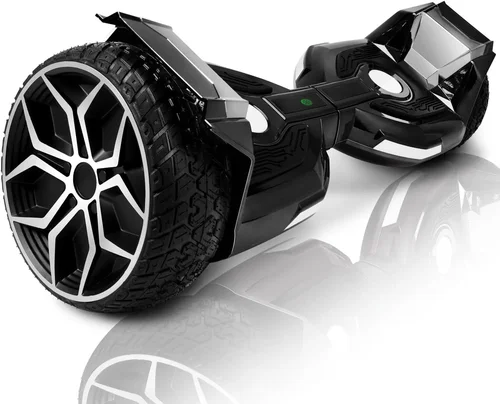
Top-tier models like the Gotrax Apex focus on all-terrain capability, with pneumatic tires, reinforced frames, and advanced suspension. These are for riders who want to go beyond pavement—think park trails, gravel paths, or uneven sidewalks. Only invest here if your terrain demands it.
Expert Tips for Getting the Best Deal
1. Time Your Purchase Strategically:
Hoverboard prices dip during major sales events. Black Friday and Cyber Monday consistently offer the deepest discounts. Amazon Prime Day (usually July) is another prime opportunity. Avoid buying right after new model releases—prices are highest then.
2. Buy Direct or From Authorized Retailers:
Gotrax.com often has exclusive bundles (e.g., free helmet or carrying case). Amazon, Best Buy, and Walmart are reliable authorized sellers. Avoid third-party eBay or Wish listings—they may sell counterfeit or refurbished units as new.
3. Compare Total Cost of Ownership:
Factor in accessories: a helmet ($20–$50), carrying bag ($25–$40), and spare charger ($30) add up. Some Gotrax bundles include these—worth considering if you need them.
4. Check Return and Exchange Policies:
Gotrax offers 30-day returns on most models. Amazon provides easy returns, but restocking fees may apply if opened. Know the policy before you buy—especially important for online purchases.
5. Test Before Committing:
If possible, try a friend’s hoverboard or visit a store. Pay attention to balance responsiveness, foot pad comfort, and how it handles small bumps. Your body weight and riding style affect the experience.
6. Register Your Product Immediately:
This activates your warranty and ensures you get firmware updates. Gotrax’s registration process is quick and can be done online.
7. Monitor Battery Health:
Avoid letting the battery drop to 0% regularly. Charge when it hits 20–30% to prolong lifespan. Gotrax batteries typically last 300–500 charge cycles—about 1–2 years with daily use.
8. Join Owner Communities:
Forums and Facebook groups for Gotrax owners share tips, mods, and troubleshooting advice. They’re also great for finding used deals from trusted sellers.

Frequently Asked Questions
Q: Are Gotrax hoverboards safe?
A: Yes—when purchased new from authorized retailers. All current Gotrax models are UL 2272 certified, meaning they’ve passed rigorous electrical and fire safety tests. Avoid used or uncertified units, which may have degraded batteries.
Q: How long does a Gotrax hoverboard battery last?
A: Expect 8–12 miles per charge, depending on model, rider weight, and terrain. Battery lifespan is typically 1–2 years with regular use. Replace the battery if range drops below 60% of original capacity.
Q: Can I ride a hoverboard in the rain?
A: Gotrax hoverboards have IP54 ratings, meaning they resist splashes but aren’t waterproof. Light rain is okay for short periods, but avoid puddles, heavy downpours, or wet grass. Always dry the board thoroughly after exposure.
Q: What’s the learning curve like?
A: Most beginners master basic balance in 15–30 minutes. Start on carpet or grass, wear a helmet, and practice leaning gently. Gotrax’s beginner mode limits speed and sensitivity, making it easier to learn.
Q: Do I need a license or insurance?
A: In most U.S. states, no license is required for hoverboards under 20 mph. However, local laws vary—some cities ban them on sidewalks or require helmets. Check your municipal code. Insurance is rarely required but consider adding it to homeowners or renters policies.
Q: Can adults ride Gotrax hoverboards?
A: Absolutely. Models like the Elite and Apex support riders up to 265 lbs and offer adult-sized performance. Just ensure the weight capacity matches your needs.
Q: How do I maintain my hoverboard?
A: Keep it clean, store it indoors, avoid extreme temperatures, and charge regularly. Check foot pads for wear and ensure wheels spin freely. Gotrax provides maintenance guides online.
Q: What if my hoverboard stops working?
A: First, try a full reset (power off, wait 10 seconds, power on). Check connections and charge fully. If issues persist, contact Gotrax support—they’re known for helpful troubleshooting.
Q: Are replacement parts available?
A: Yes. Gotrax sells batteries, chargers, foot pads, and shells on their website. Third-party parts exist but may void your warranty—stick to OEM when possible.
Q: Can I take my hoverboard on a plane?
A: Generally no. Most airlines prohibit lithium-ion batteries over 100Wh in carry-on or checked luggage. Gotrax batteries are typically 90–120Wh—check with your airline, but expect restrictions.
Our Final Recommendations
Best for Budget-Conscious Buyers:
Gotrax Nova – At under $250, it delivers UL certification, solid build, and enough range for casual use. Perfect for teens or first-time riders who don’t need advanced features.
Best Overall Value:
Gotrax Hoverfly ECO – Priced around $349, it strikes the ideal balance: 400W motors, 10-mile range, Bluetooth, and rider modes. Ideal for students, commuters, and families.
Best Premium Option:
Gotrax Elite – With 500W total power, 12-mile range, and support for 265 lbs, it’s built for serious riders. The app integration and sport mode make it a standout for performance seekers.
Best for Beginners:
Gotrax Nova or Hoverfly ECO (Beginner Mode) – Both offer gentle learning curves, stable handling, and safety certifications. The Nova is lighter; the ECO offers more room to grow.
Best for Advanced Users:
Gotrax Apex – For those who want to go off-road, the Apex’s pneumatic tires and rugged frame handle trails and rough terrain with ease. It’s the most capable Gotrax for adventurous riders.
Conclusion: Making the Right Choice
Choosing the right hoverboard isn’t just about picking the shiniest model or the lowest price—it’s about matching the right tool to your lifestyle, needs, and safety priorities. In 2026, brands like Gotrax have made it easier than ever to find a reliable, feature-rich hoverboard that won’t break the bank or compromise on safety. By focusing on certifications, real-world performance, and long-term value, you’ll avoid the pitfalls that plagued early adopters and enjoy years of smooth, fun riding.
Remember: your hoverboard is an extension of your mobility. Prioritize safety, match specs to your usage, and don’t rush the decision. Whether you’re cruising campus, commuting to work, or exploring local parks, the right hoverboard will make every ride more enjoyable. Take your time, do your research, and when you find the one that fits—hit the ground rolling with confidence.