
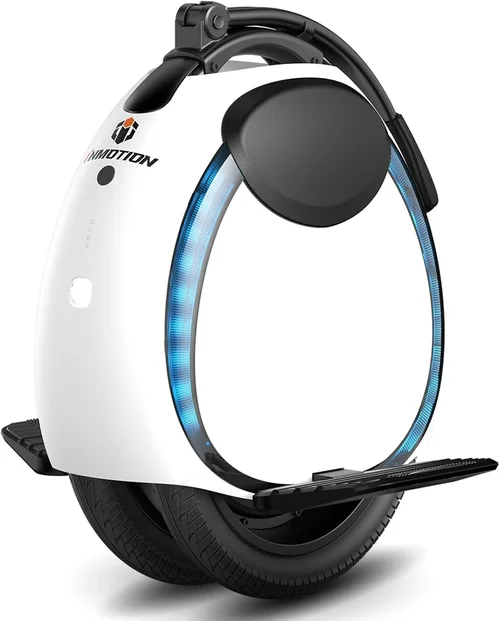
Off-road hoverboards have revolutionized personal mobility, transforming from novelty gadgets into serious all-terrain vehicles capable of conquering dirt trails, gravel paths, grassy fields, and even light snow. As we move into 2026, the market has matured significantly—offering more powerful motors, ruggedized designs, longer battery life, and smarter safety features than ever before. Whether you’re an adventure seeker looking to explore beyond paved sidewalks or a parent seeking a durable, fun ride for your teen, choosing the right off-road hoverboard can be overwhelming. With dozens of brands, conflicting specs, and rapidly evolving technology, it’s easy to make a costly mistake.
This comprehensive buying guide cuts through the noise. We’ll walk you step-by-step through everything you need to know to make a smart, informed decision. From understanding key performance metrics like motor power and wheel size to evaluating real-world durability and safety certifications, we’ve tested and analyzed the latest models so you don’t have to. You’ll learn how to match your needs—whether that’s weekend trail riding, daily commuting on rough terrain, or just backyard fun—with the right hoverboard at the right price. By the end, you’ll have the confidence to choose a model that delivers both thrills and reliability.
The off-road hoverboard market in 2026 is more competitive than ever. Major players like Segway-Ninebot, Gotrax, Swagtron, and Razor continue to innovate, while newer brands enter with aggressive pricing and bold claims. What sets true off-road models apart isn’t just bigger wheels—it’s a holistic design built for traction, stability, and resilience. Expect to see advancements in lithium-ion battery efficiency, IPX4 or higher water resistance, app connectivity for ride tracking, and even regenerative braking systems. This guide will help you navigate these features and identify which ones actually matter for your use case.

What to Look for When Buying an Off-Road Hoverboard
1. Motor Power and Performance
Motor power is the heartbeat of any off-road hoverboard. Measured in watts (W), dual motors are standard on quality models, with each wheel driven independently for better balance and torque. For off-road use, look for a minimum combined output of 800W—ideally 1000W or more. Lower-powered boards (500W or less) may struggle on inclines, loose gravel, or muddy patches, leading to stalling or reduced speed.
Real-world performance matters more than peak numbers. A 1000W board with efficient gearing and responsive sensors will outperform a 1200W model with poor calibration. Test rides (if possible) reveal how smoothly the board accelerates, handles sudden stops, and maintains speed on uneven ground. Also consider torque—higher torque helps with quick starts and climbing hills without bogging down.
2. Wheel Size and Tire Type
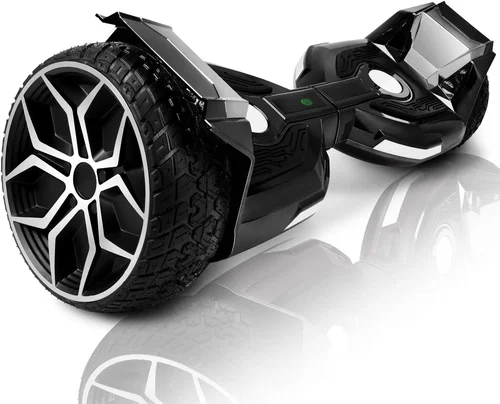
Off-road capability starts with the wheels. Standard hoverboards use 6.5-inch solid or air-filled tires, but true off-road models feature 8-inch to 10-inch pneumatic (air-filled) tires. These larger, softer tires absorb shocks from rocks, roots, and potholes, providing a smoother ride and better grip on loose surfaces.
Pneumatic tires are essential for traction on dirt, grass, and gravel. Solid rubber tires, while puncture-proof, offer minimal cushioning and can skid easily on wet or uneven terrain. Some premium models now include self-sealing inner tubes or tubeless designs to reduce flat risks. Always check tire tread depth—aggressive tread patterns (like those on mountain bike tires) significantly improve off-road control.
3. Battery Life and Charging Time
Battery capacity, measured in watt-hours (Wh), directly impacts range. For off-road use, aim for at least 400Wh to ensure 10–15 miles per charge under mixed conditions. Real-world range varies based on rider weight, terrain roughness, speed, and incline. Heavier riders or steep trails can cut range by 30% or more.
Look for lithium-ion batteries with smart management systems that prevent overcharging and overheating. Fast-charging capability (full charge in 2–3 hours) is a big plus, especially if you plan frequent rides. Avoid models with non-removable batteries unless they come with strong warranty coverage—battery degradation is the most common long-term issue.
4. Build Quality and Durability
Off-road riding puts immense stress on a hoverboard’s frame, joints, and electronics. The deck should be made of reinforced ABS plastic or aluminum alloy, with reinforced foot pads and non-slip grip tape. Check for welded seams, sealed motor housings, and robust axle connections—cheaper models often use glued or brittle plastic that cracks under impact.
Water and dust resistance is critical. An IPX4 rating means the board can handle splashes and light rain, while IPX5 or higher offers protection against jets of water—ideal for muddy or wet trails. Avoid boards without any IP rating if you plan to ride in variable weather. Also inspect the underside: exposed wiring or thin plastic shells are red flags.
5. Safety Features and Certifications
Safety cannot be overstated, especially when riding off pavement at higher speeds. Always choose a hoverboard certified by UL 2272, the global safety standard for electrical systems in self-balancing scooters. This certification ensures protection against fire, short circuits, and battery failures.
Additional safety features include LED headlights and taillights for visibility, anti-slip foot pads, tilt-back alerts (which slow the board when nearing max speed), and app-based speed limiters for beginners. Some models even include fall detection that automatically cuts power if the board tips over. Never compromise on safety—especially for younger riders.
6. Weight Capacity and Rider Compatibility
Most off-road hoverboards support riders up to 220–265 lbs, but always verify the exact limit for your model. Exceeding this weight can strain motors, reduce range, and increase wear on tires and bearings. If you’re near the upper limit, opt for a board with reinforced construction and higher torque motors.
Consider rider height and foot size too. Larger decks (10+ inches wide) provide better stability for adults, while smaller riders may prefer compact designs for easier maneuvering. Adjustable speed modes (beginner, intermediate, expert) help new users build confidence without risking high-speed accidents.
7. Connectivity and Smart Features
Modern off-road hoverboards often include Bluetooth connectivity and companion apps. These allow you to monitor battery level, track ride distance, adjust speed limits, and even lock the board remotely. Some apps offer firmware updates to improve performance or fix bugs over time.
While not essential, smart features enhance usability. Look for intuitive interfaces—avoid apps that are buggy or require constant re-pairing. GPS tracking is rare but emerging in premium models, useful for mapping trails or recovering a stolen board. Just remember: more tech means more potential points of failure, so balance convenience with reliability.
8. Warranty and Customer Support
A solid warranty reflects manufacturer confidence. Aim for at least a 1-year limited warranty covering motors, battery, and electronics. Some brands offer extended plans or accidental damage protection for an extra fee. Read the fine print—many warranties void if the board is used off-road or modified.
Customer support quality varies widely. Check online reviews for responsiveness: can you reach a human quickly? Are replacement parts (like tires or chargers) readily available? Brands with U.S.-based support centers typically resolve issues faster than those relying solely on overseas teams.
Different Types of Off-Road Hoverboards

Common Buying Mistakes to Avoid
❌ Mistake: Prioritizing Price Over Safety Certifications
Why it’s bad: Cheap hoverboards often skip UL 2272 certification, increasing fire and electrical hazard risks. Many budget models use low-quality batteries that can overheat or fail catastrophically.
What to do instead: Always verify UL 2272 certification before purchasing. If a seller can’t provide proof, walk away—even if the price seems tempting.
❌ Mistake: Ignoring Real-World Terrain Needs
Why it’s bad: A hoverboard marketed as “off-road” might only handle packed dirt, not mud, sand, or steep inclines. Using it beyond its limits leads to motor burnout or accidents.
What to do instead: Match the board’s specs to your typical riding environment. If you ride on rocky trails, prioritize large pneumatic tires and high torque.
❌ Mistake: Overlooking Weight Limits
Why it’s bad: Exceeding the weight limit strains motors and reduces braking efficiency, increasing crash risk. It also voids most warranties.
What to do instead: Weigh yourself and add any gear (backpacks, etc.). Choose a board rated for at least 20–30 lbs above your total weight.
❌ Mistake: Assuming All Large Wheels Are Equal
Why it’s bad: Some “off-road” boards use large solid tires that offer no shock absorption. These transmit every bump directly to your feet and can cause fatigue or loss of control.
What to do instead: Insist on pneumatic (air-filled) tires for true off-road comfort and grip. Check tire pressure recommendations—proper inflation is key.
❌ Mistake: Skipping the Test Ride
Why it’s bad: Specs don’t tell the whole story. A board might feel jerky, unresponsive, or unstable in person—even if its numbers look good on paper.
What to do instead: If buying locally, insist on a demo. Online? Read detailed user reviews that describe ride feel, not just specs.
❌ Mistake: Neglecting After-Sales Support
Why it’s bad: Hoverboards have complex electronics. Without reliable support, a minor issue (like a faulty sensor) can leave you stranded with a $500 paperweight.
What to do instead: Research the brand’s reputation for customer service. Look for active forums, responsive chat support, and easy return policies.
❌ Mistake: Buying Based Solely on Flashy Features
Why it’s bad: RGB lights, Bluetooth speakers, and app games don’t improve performance. They add cost and potential failure points without enhancing off-road capability.
What to do instead: Focus on core performance metrics: motor power, battery life, tire type, and build quality. Save extras for later upgrades.
Budget Guidelines: How Much Should You Spend?
Entry-Level ($250–$400): These boards are ideal for casual riders or teens sticking to mild off-road paths. Expect 600–800W motors, 8-inch pneumatic tires, and 6–10 mile ranges. Build quality is adequate but may show wear after heavy use. Brands like Gotrax and Swagtron offer solid options here—just ensure UL 2272 certification.
Mid-Range ($400–$650): This is the sweet spot for most buyers. You’ll get 1000W+ motors, 10-inch tires, 10–15 mile ranges, and better water resistance (IPX4 or higher). Models in this tier often include app connectivity, LED lighting, and improved suspension. Examples include the Segway Ninebot S-Max and Razor Hovertrax Epic.
Premium ($650–$900): Designed for serious off-road enthusiasts, these boards feature high-torque motors (1200W+), extended-range batteries (500Wh+), and ruggedized frames. Expect advanced safety features, regenerative braking, and superior traction control. Ideal for long trail rides or hilly terrain.
Luxury ($900+): Top-tier models combine cutting-edge tech with premium materials. Think carbon-fiber decks, GPS tracking, AI-assisted balance, and custom tire options. These are for collectors, tech lovers, or professionals who demand the absolute best—but most casual riders won’t need this level of investment.
Expert Tips for Getting the Best Deal
- Shop during seasonal sales: Black Friday, Cyber Monday, and back-to-school periods (July–August) offer the deepest discounts. Many brands clear inventory in early spring for new models.
- Buy directly from manufacturers: Brands like Segway and Gotrax often run exclusive deals on their websites, including free shipping or bundled accessories.
- Check refurbished programs: Certified refurbished hoverboards from reputable sellers come with warranties and can save you 20–30% off retail.
- Compare return policies: Look for at least a 30-day return window with free return shipping. Avoid retailers that charge restocking fees.
- Read deep-dive reviews: Skip sponsored content. Seek out YouTube reviews that test real-world performance on trails, not just showroom floors.
- Join owner communities: Reddit’s r/hoverboard and Facebook groups share deals, troubleshooting tips, and honest feedback you won’t find elsewhere.
- Consider total cost of ownership: Factor in replacement tires, chargers, and potential repairs. A slightly pricier board with durable parts may cost less long-term.
- Test before you commit: If possible, rent or borrow a similar model for a weekend. Nothing beats firsthand experience.

Frequently Asked Questions
Q: Can off-road hoverboards handle snow or ice?
A: Light snow is manageable on models with aggressive tread and good torque, but ice is extremely slippery—even for off-road tires. Avoid riding on icy surfaces unless the board specifically mentions winter capability. Always wear protective gear.
Q: How fast do off-road hoverboards go?
A: Most top out between 10–12 mph, though some premium models reach 15 mph. Speed isn’t the priority for off-road use—torque and control are more important for navigating rough terrain safely.
Q: Are off-road hoverboards safe for kids?
A: Yes, with caveats. Choose models with speed limiters, beginner modes, and strong safety certifications. Kids under 12 should always wear helmets and ride under supervision on familiar trails.
Q: Do I need to maintain pneumatic tires?
A: Absolutely. Check tire pressure monthly (usually 25–35 PSI). Underinflated tires reduce efficiency and increase puncture risk. Keep a portable pump handy for trailside adjustments.
Q: Can I ride my off-road hoverboard in the rain?
A: Only if it has an IPX4 rating or higher. Light rain is fine, but avoid deep puddles or heavy downpours. Water can seep into motors or electronics if seals are compromised.
Q: How long do off-road hoverboards last?
A: With proper care, 2–4 years is typical. Battery life degrades over time—expect 70–80% capacity after 18 months. Regular cleaning, proper storage, and avoiding extreme temperatures extend lifespan.
Q: Are off-road hoverboards legal on public trails?
A: Laws vary by location. Many parks and trails prohibit motorized devices. Always check local regulations before riding. Some cities allow them on bike paths but not sidewalks.
Q: What’s the difference between hub motors and belt-driven motors?
A: Most hoverboards use direct-drive hub motors (built into the wheel), which are simpler and more reliable. Belt-driven systems are rare in hoverboards but offer easier maintenance—though they’re more common in e-bikes.
Q: Can I upgrade my hoverboard’s battery?
A: Generally no—batteries are integrated and require technical expertise to replace. Some premium brands offer official upgrade kits, but DIY modifications usually void warranties.
Q: Why do some off-road hoverboards cost twice as much as others with similar specs?
A: Brand reputation, build materials, software quality, and customer support drive price differences. A $700 board may use aerospace-grade aluminum and offer 24/7 support, while a $350 model cuts corners on durability and service.
Our Final Recommendations
Best for Budget-Conscious Buyers: Gotrax GXL V2 Off-Road – At under $400, it delivers 800W dual motors, 8-inch pneumatic tires, and UL 2272 certification. Perfect for teens and light trail use.
Best Overall Value: Segway Ninebot S-Max – Priced around $600, it offers 1000W motors, 10.5-inch tires, 15-mile range, IPX5 water resistance, and a robust app. Ideal for adults seeking reliability and performance.
Best Premium Option: Razor Hovertrax Epic Pro – With 1200W motors, self-sealing tires, and regenerative braking, this $850 board excels on steep, technical terrain. Built for serious riders.
Best for Beginners: Swagtron Swagboard Outlaw Pro – Features three speed modes, intuitive controls, and a low center of gravity. Great for first-time off-roaders building confidence.
Best for Advanced Users: Hover-1 Titan Ultra – Boasts 1500W peak power, GPS tracking, and customizable ride profiles via app. For tech-savvy riders who want maximum control and data insights.
Conclusion: Making the Right Choice
Choosing the best off-road hoverboard in 2026 isn’t about finding the most powerful or flashiest model—it’s about matching the right tool to your terrain, skill level, and budget. We’ve covered the essentials: motor power, tire type, battery life, safety certifications, and real-world durability. We’ve highlighted common pitfalls, broken down price tiers, and shared expert strategies to get the most value.
Remember, the “best” hoverboard is the one that keeps you safe, performs reliably on your favorite trails, and brings you joy every time you ride. Don’t let marketing hype cloud your judgment. Prioritize proven specs, read authentic reviews, and always test when possible. And never forget: no matter how advanced your hoverboard is, protective gear is non-negotiable.
Now that you’re armed with knowledge, it’s time to hit the trails. Whether you’re exploring forest paths, cruising through parks, or just having fun in the backyard, the right off-road hoverboard will open up a world of adventure. Ride smart, ride safe, and enjoy the freedom that comes with true all-terrain mobility.