
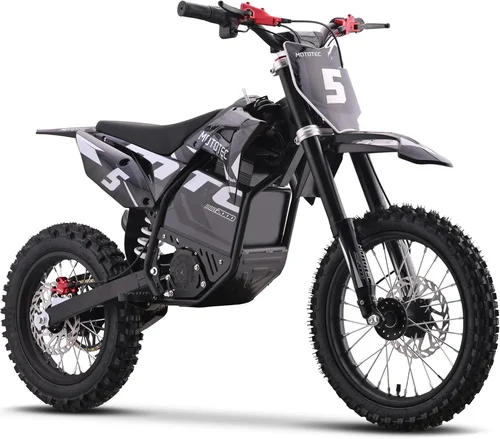
Electric dirt bikes are revolutionizing off-road riding. Once dominated by roaring two-stroke engines and heavy four-stroke machines, the dirt bike world is now embracing a quieter, cleaner, and increasingly powerful alternative: electric powertrains. Whether you’re a weekend warrior hitting local trails, a parent looking for a safe first bike for your child, or an experienced rider curious about the latest technology, electric dirt bikes offer a compelling mix of performance, convenience, and environmental responsibility.
This comprehensive buying guide is designed to cut through the noise and help you make an informed decision in 2025. The market is evolving rapidly, with new models, improved battery technology, and more competitive pricing emerging every year. With so many options available—from budget-friendly starter bikes to high-performance race machines—it’s easy to feel overwhelmed. That’s where we come in. We’ll walk you through every critical factor, from motor power and battery life to build quality and brand reliability, so you can choose the electric dirt bike that best fits your needs, skill level, and budget.
By the end of this guide, you’ll understand exactly what to look for, how to avoid common pitfalls, and which models stand out in today’s competitive landscape. Whether you’re shopping for your first electric dirt bike or upgrading from a gas-powered machine, this guide will equip you with the knowledge to ride away with confidence.
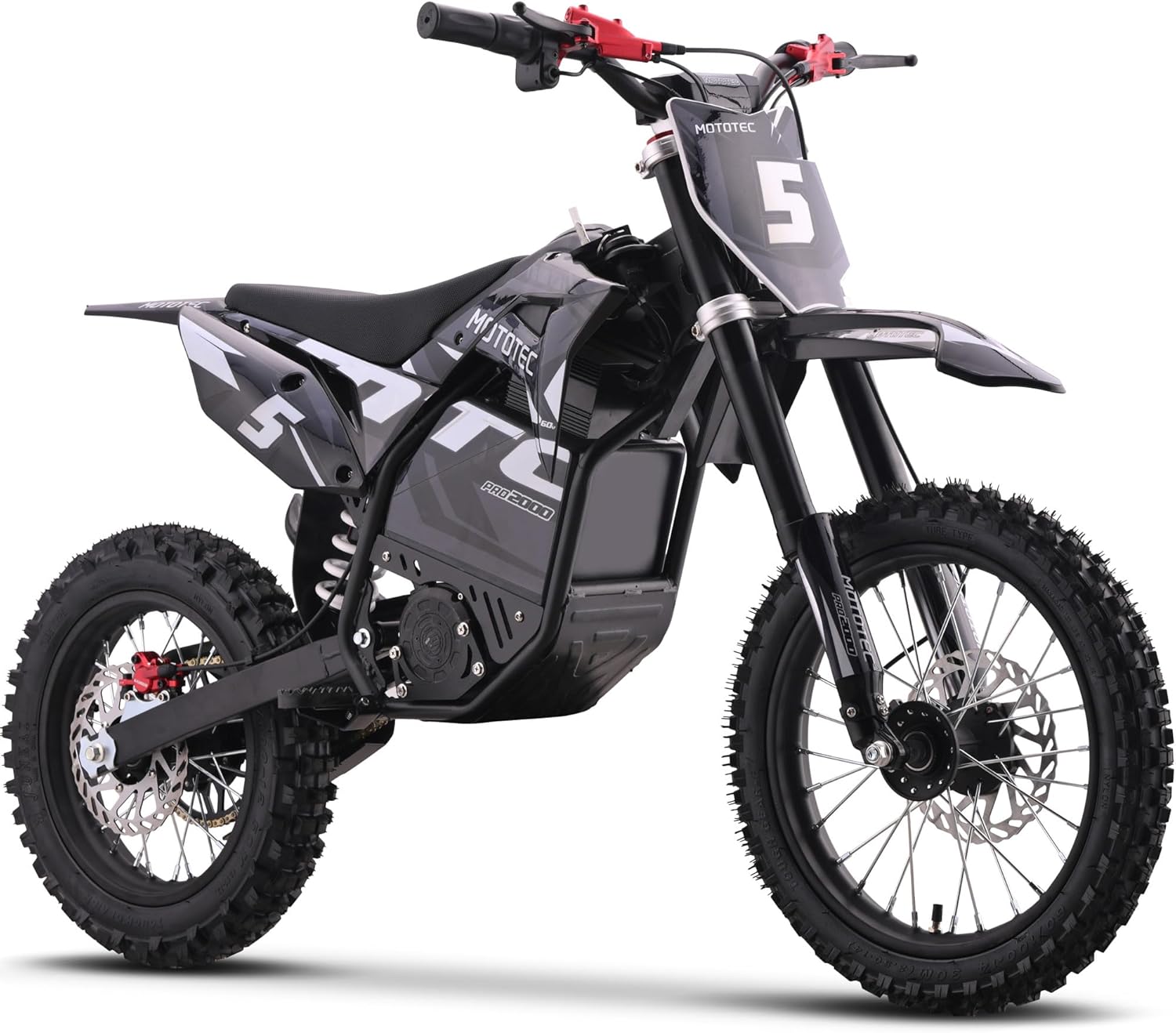
What to Look for When Buying an Electric Dirt Bike
1. Budget & Price Range
Your budget is the foundation of your buying decision. Electric dirt bikes vary dramatically in price, from under $500 for basic youth models to over $15,000 for professional-grade race machines. Setting a realistic budget helps narrow your options and prevents overspending on features you don’t need.
Entry-level electric dirt bikes typically range from $400 to $1,200. These are ideal for kids, beginners, or casual riders who want to explore trails without a major financial commitment. They often feature lower-powered motors (250W to 1,000W), smaller batteries, and simpler suspension systems. While they may lack the speed and range of higher-end models, they’re perfect for learning the basics and building confidence.
Mid-range bikes fall between $1,200 and $4,000. This is where most adult riders find the best value. These models offer significantly improved performance, with motors ranging from 1,500W to 5,000W, longer battery life (1–3 hours of ride time), and better build quality. Brands like Sur Ron, Talaria, and Cake offer excellent options in this tier, balancing power, durability, and affordability.
Premium electric dirt bikes start around $4,000 and can exceed $10,000. These are designed for serious off-road enthusiasts, competitive riders, or those who demand top-tier performance. They feature high-output motors (5,000W to 15,000W+), advanced battery management systems, full suspension, hydraulic brakes, and lightweight frames made from aluminum or carbon fiber. Models like the KTM Freeride E-XC and the Cake Kalk& are in this category.
Luxury or race-spec bikes can cost $12,000 and up. These are built for professional use, extreme terrain, or maximum speed. They often include customizable power modes, regenerative braking, GPS tracking, and modular battery systems. While impressive, they’re overkill for most recreational riders.
2. Performance Specifications
Performance is where electric dirt bikes truly shine—and where they differ most from traditional gas bikes. Key specs to evaluate include motor power, torque, top speed, range, and acceleration.
Motor power is measured in watts (W) or kilowatts (kW). A higher wattage generally means more power and faster acceleration. For example, a 3,000W motor can deliver strong performance on hills and rough terrain, while a 10,000W+ motor can rival 250cc gas bikes in terms of speed and torque.
Torque is especially important for off-road riding. Electric motors deliver maximum torque instantly, giving you immediate power when you twist the throttle. This is a major advantage over gas engines, which need to rev up to reach peak torque. Look for bikes with high torque ratings (measured in Newton-meters or Nm) for better hill climbing and trail performance.
Top speed varies widely. Youth models may cap out at 15–20 mph, while adult bikes can reach 40–60+ mph. Consider your riding environment: if you’re on tight trails, high speed may not be necessary. But if you plan to ride open deserts or fire roads, a faster bike could be worth the investment.
Range is one of the biggest concerns for electric riders. Most electric dirt bikes offer 1–3 hours of ride time on a single charge, depending on terrain, rider weight, and riding style. Aggressive riding drains the battery faster. Look for bikes with removable batteries so you can carry a spare for longer adventures. Some high-end models even support fast charging, reducing downtime.
Acceleration is another strength of electric bikes. With no clutch or gears to manage, electric dirt bikes launch smoothly and quickly. This makes them ideal for technical riding, where precise throttle control is essential.
3. Build Quality & Durability
Off-road riding is tough on equipment. Your bike needs to withstand jumps, rocks, mud, and repeated impacts. Build quality directly affects longevity, safety, and maintenance costs.
Frame material is a critical factor. Most electric dirt bikes use aluminum alloy frames, which offer a good balance of strength, weight, and corrosion resistance. Higher-end models may use chromoly steel or carbon fiber for added durability and reduced weight. Avoid bikes with plastic or flimsy-looking frames—they’re more likely to crack under stress.
Suspension quality determines how well the bike handles rough terrain. Look for front forks and rear shocks with adjustable preload, compression, and rebound. Full suspension is ideal for aggressive riding, while hardtail (front suspension only) models are lighter and cheaper but less comfortable on bumpy trails.
Brakes should be hydraulic disc brakes, not mechanical or drum brakes. Hydraulic systems offer better stopping power, modulation, and reliability, especially in wet or muddy conditions. Check the brake rotor size—larger rotors (180mm or more) provide more stopping force.
Tires matter too. Knobby, off-road tires with good tread depth improve traction on dirt, sand, and rocks. Tubeless tires reduce the risk of flats and allow lower tire pressures for better grip.
Water and dust resistance is often rated using the IP (Ingress Protection) system. Look for at least IP65 or higher, which means the bike is protected against dust and water jets. This is crucial for riding in wet conditions or washing your bike after a muddy ride.
4. Features & Functionality
Modern electric dirt bikes come packed with features that enhance safety, performance, and convenience. While not all are essential, some can significantly improve your riding experience.
Regenerative braking captures energy during braking and feeds it back into the battery, extending range. This is especially useful on long descents or technical trails where you brake frequently.
Multiple riding modes allow you to adjust power output and throttle response. Common modes include Eco (for longer range), Trail (balanced performance), and Sport or Race (maximum power). This flexibility lets you adapt to different conditions and skill levels.
Digital displays provide real-time information like speed, battery level, range estimate, and ride time. Some advanced models include GPS, Bluetooth connectivity, and smartphone apps for tracking rides and adjusting settings.
LED lighting improves visibility during early morning or evening rides. Look for bright headlights and brake lights, especially if you plan to ride in low-light conditions.
Quick-release wheels and foldable handlebars make transportation and storage easier. If you plan to load your bike into a truck or trailer, these features can save time and effort.
Removable batteries are a game-changer. They allow you to swap in a fresh battery in seconds, eliminating long charging waits. Some bikes even support dual-battery setups for extended range.
5. Brand Reputation
Not all electric dirt bike brands are created equal. Choosing a reputable manufacturer ensures better quality, customer support, and access to parts and service.
Established brands like KTM, Husqvarna, and Yamaha have entered the electric market with models like the Freeride E-XC and TYRE. These companies bring decades of motorcycle expertise and global service networks.
Specialized electric brands like Sur Ron, Talaria, and Cake focus exclusively on electric off-road vehicles. They often lead in innovation, offering cutting-edge designs and high performance. Sur Ron, for example, is known for its lightweight, powerful bikes that rival gas models in performance.
Emerging brands and Chinese manufacturers offer budget-friendly options, but quality can vary. While some deliver excellent value, others cut corners on materials and safety. Research reviews and check for certifications (like CE or UL) before buying.
Customer support is crucial. Look for brands with responsive service teams, online resources, and local dealers or service centers. A strong warranty and easy access to spare parts can save you headaches down the road.
6. Warranty & Support
A solid warranty protects your investment and reflects the manufacturer’s confidence in their product. Most electric dirt bikes come with a 1–2 year warranty, but coverage varies.
Battery warranties are especially important. Lithium-ion batteries degrade over time, and replacement can cost $500–$1,500. Look for warranties that cover battery capacity loss (e.g., 70% capacity after 2 years). Some brands offer extended battery plans for an additional fee.
Motor and controller warranties typically last 1–2 years. These components are critical to performance, so ensure they’re covered against defects.
Frame warranties often last longer—up to 5 years—since frames are less likely to fail under normal use.
Check what the warranty includes. Does it cover labor? Are there exclusions for off-road use? Some brands void warranties if the bike is used in competitions or modified.
Customer support should be accessible via phone, email, or live chat. Online forums, user manuals, and video tutorials are also valuable resources.
7. Size & Portability
Size affects how easy the bike is to ride, transport, and store. Consider your height, weight, and intended use.
Seat height should match your inseam. Most adult electric dirt bikes have seat heights between 30 and 36 inches. Taller riders may prefer higher seats for better ground clearance, while shorter riders should look for lower models or adjustable suspension.
Weight is another factor. Electric dirt bikes range from 60 lbs (youth models) to over 150 lbs (full-size adult bikes). Lighter bikes are easier to maneuver and lift if you drop them, but heavier bikes may offer more stability at high speeds.
Portability matters if you plan to transport the bike frequently. Look for features like foldable handlebars, quick-release wheels, and compact dimensions. Some bikes can fit in the trunk of a car with the seat down.
Storage space is important for batteries, tools, and gear. Some models include under-seat compartments or mounting points for racks.
8. User Reviews & Ratings
Before making a purchase, read user reviews from real riders. These provide insights that specs sheets can’t, like long-term reliability, real-world range, and common issues.
Check multiple sources: manufacturer websites, Amazon, YouTube reviews, and off-road forums. Look for patterns—if multiple users report the same problem (e.g., battery degradation or brake failure), it’s a red flag.
Pay attention to reviews from riders with similar needs. A bike praised by a casual trail rider may not suit a competitive racer.
Video reviews are especially helpful. They show the bike in action, demonstrating sound, handling, and features.
Don’t rely solely on star ratings. A 4.5-star average with 100 reviews is more trustworthy than a 5-star rating with only 5 reviews.
Different Types of Electric Dirt Bikes

Common Buying Mistakes to Avoid
❌ Mistake: Ignoring Battery Life and Range
Why it’s bad: Many buyers focus on speed and power but overlook how long the bike will actually run. A high-performance bike with a short range can leave you stranded on the trail.
What to do instead: Calculate your typical ride duration and choose a bike with at least 20–30% more range than you need. Consider removable batteries or fast-charging options for longer adventures.
❌ Mistake: Buying Based on Price Alone
Why it’s bad: The cheapest bike isn’t always the best value. Low-cost models may use inferior components, have poor build quality, or lack safety features.
What to do instead: Balance price with features, brand reputation, and long-term costs. A slightly more expensive bike with better durability and support can save money over time.
❌ Mistake: Overlooking Safety Gear
Why it’s bad: Electric dirt bikes can reach high speeds quickly. Without proper protection, even a minor fall can result in serious injury.
What to do instead: Invest in a DOT-approved helmet, gloves, boots, knee and elbow pads, and a chest protector. Safety gear is non-negotiable.
❌ Mistake: Not Testing the Bike
Why it’s bad: Specs don’t tell the whole story. A bike that looks great on paper may feel uncomfortable or underperform in real-world conditions.
What to do instead: If possible, test ride the bike before buying. Many dealers offer demo days or rental options. Pay attention to handling, comfort, and throttle response.
❌ Mistake: Ignoring Local Laws and Regulations
Why it’s bad: Electric dirt bikes may be classified differently than gas bikes in your area. Some trails or parks prohibit motorized vehicles, or require registration and licensing.
What to do instead: Check local laws regarding off-road vehicle use, noise limits, and age restrictions. Ensure your bike complies with regulations to avoid fines or confiscation.
❌ Mistake: Skipping the Warranty Check
Why it’s bad: Without a solid warranty, you’re on the hook for repairs if something breaks. Battery and motor failures can be expensive.
What to do instead: Read the warranty terms carefully. Choose a brand with a strong warranty and good customer support.
❌ Mistake: Buying for the Wrong Skill Level
Why it’s bad: A high-powered bike can be dangerous for beginners. Conversely, a low-powered bike may frustrate experienced riders.
What to do instead: Match the bike to your skill level. Beginners should start with lower power and simpler controls. Advanced riders can handle more aggressive machines.
Budget Guidelines: How Much Should You Spend?
– Entry-Level ($400 – $1,200): Ideal for kids and casual riders. Expect basic motors (250W–1,000W), shorter range (30–60 minutes), and simpler builds. Great for learning, but limited in performance and durability.
– Mid-Range ($1,200 – $4,000): The sweet spot for most adult riders. These bikes offer strong motors (1,500W–5,000W), 1–2 hours of ride time, and better suspension and brakes. Models like the Sur Ron LBX and Talaria Sting are popular here.
– Premium ($4,000 – $10,000): For enthusiasts and serious off-roaders. High power (5,000W–15,000W), advanced features, and professional-grade components. Expect longer range, better build quality, and race-ready performance.
– Luxury ($10,000+): Top-tier machines for professionals or collectors. Cutting-edge technology, lightweight materials, and maximum performance. These are overkill for most recreational riders but offer the ultimate experience.

Expert Tips for Getting the Best Deal
– Buy during off-season: Prices often drop in late fall and winter when demand is lower. Look for end-of-season sales or clearance events.
– Shop at authorized dealers: They offer better warranties, service, and access to genuine parts. Avoid unauthorized sellers who may sell counterfeit or refurbished bikes.
– Compare online and in-store prices: Online retailers often have lower prices, but local dealers may offer free assembly, demos, or service packages.
– Look for bundle deals: Some sellers include helmets, chargers, or spare batteries at a discount when you buy the bike.
– Check for rebates or incentives: Some regions offer tax credits or rebates for electric vehicle purchases. Research local programs.
– Read the return policy: Ensure you can return or exchange the bike if it doesn’t meet expectations. A 14–30 day return window is ideal.
– Join rider communities: Forums and Facebook groups often share deals, reviews, and maintenance tips. You might even find a used bike in excellent condition.
– Consider certified pre-owned: Some dealers sell refurbished electric dirt bikes with warranties. These can offer significant savings over new models.

Frequently Asked Questions
Q: How long do electric dirt bike batteries last?
A: Most lithium-ion batteries last 500–1,000 charge cycles before capacity drops to 70–80%. With proper care, this translates to 2–5 years of regular use. Avoid deep discharges and extreme temperatures to extend battery life.
Q: Can I ride an electric dirt bike in the rain?
A: Yes, if the bike has a high IP rating (IP65 or higher). However, avoid submerging the bike or riding through deep water. Always dry and inspect the bike after wet rides.
Q: How fast can electric dirt bikes go?
A: Speeds vary widely. Youth bikes max out at 15–20 mph, while adult models can reach 40–60+ mph. High-performance race bikes may exceed 70 mph.
Q: Do I need a license to ride an electric dirt bike?
A: It depends on your location and the bike’s power. In many areas, off-road bikes don’t require a license, but public road use may be restricted. Check local laws.
Q: How long does it take to charge an electric dirt bike?
A: Standard charging takes 3–6 hours. Fast chargers can reduce this to 1–2 hours. Some bikes support partial charging, so you don’t need to wait for a full charge.
Q: Are electric dirt bikes quieter than gas bikes?
A: Yes, significantly. Electric motors produce a high-pitched whine instead of engine noise, making them ideal for noise-sensitive areas.
Q: Can I upgrade my electric dirt bike?
A: Some components like batteries, tires, and suspension can be upgraded. However, motor and controller upgrades may void the warranty. Consult the manufacturer before modifying.
Q: What maintenance do electric dirt bikes require?
A: Less than gas bikes. Regular tasks include cleaning, checking tire pressure, inspecting brakes, and ensuring connections are tight. No oil changes or air filter replacements needed.
Q: Are electric dirt bikes good for beginners?
A: Yes, especially lower-powered models. Instant torque and no clutch make them easier to control. Start with a youth or entry-level bike to build skills.
Q: Where can I ride an electric dirt bike?
A: Designated off-road trails, private property (with permission), and some public lands. Avoid roads unless the bike is street-legal.
Our Final Recommendations
– Best for Budget-Conscious Buyers: Sur Ron LBX – At around $3,500, it offers incredible value with a 6,000W motor, 3+ hour range, and durable build. Perfect for trail riding and light off-roading.
– Best Overall Value: Talaria Sting – Priced at $4,500, it delivers race-level performance with a 10,000W motor, removable battery, and premium suspension. A favorite among enthusiasts.
– Best Premium Option: Cake Kalk& – At $12,000, it’s a work of art with a carbon fiber frame, 15,000W motor, and silent operation. Ideal for serious riders who want the best.
– Best for Beginners: Razor MX650 – A youth-friendly electric dirt bike under $500. Safe, easy to ride, and perfect for kids learning the basics.
– Best for Advanced Users: KTM Freeride E-XC – A $10,000+ machine with professional-grade components, full suspension, and race-ready performance. Built for experienced riders.
Conclusion: Making the Right Choice
Choosing the right electric dirt bike is about more than just power and price. It’s about matching the bike to your skill level, riding style, and long-term goals. With the insights from this guide, you’re now equipped to evaluate options critically, avoid common pitfalls, and invest in a bike that will deliver years of thrilling, eco-friendly adventures.
Remember to prioritize safety, do your research, and test ride when possible. The electric dirt bike market is growing fast, and 2025 offers more choices than ever. Whether you’re a first-time rider or a seasoned pro, there’s an electric dirt bike out there that’s perfect for you.
Take the time to assess your needs, set a realistic budget, and choose a reputable brand. Your next off-road adventure is waiting—quietly, powerfully, and sustainably. Ride smart, ride safe, and enjoy the ride.