

Electric scooters have exploded in popularity among kids and teens over the past few years—and for good reason. They’re fun, eco-friendly, and offer a practical way for young riders to get around safely, whether it’s commuting to school, visiting friends, or just cruising the neighborhood. But with so many models flooding the market—from ultra-cheap no-name brands to high-end performance machines—it’s easy for parents to feel overwhelmed. That’s exactly why this guide exists: to cut through the noise and help you make an informed, confident decision.
In this comprehensive buyer’s guide, we’ll walk you through everything you need to know before purchasing a youth electric scooter in 2026. You’ll learn how to evaluate key features like speed, battery life, safety systems, and build quality. We’ll break down different scooter types, explain common pitfalls to avoid, and provide real-world budgeting advice. Whether you’re shopping for a first-time rider or upgrading an older model, this guide arms you with expert insights to find the perfect balance of safety, performance, and value.
The youth e-scooter market has matured significantly since its early days. Today’s models are smarter, safer, and more reliable than ever—but not all are created equal. Some prioritize flashy lights over solid brakes; others boast impressive specs on paper but fall short in real-world use. Our goal is to help you spot the difference between marketing hype and genuine quality. By the end of this guide, you won’t just know which scooter to buy—you’ll understand why it’s the right choice for your child.
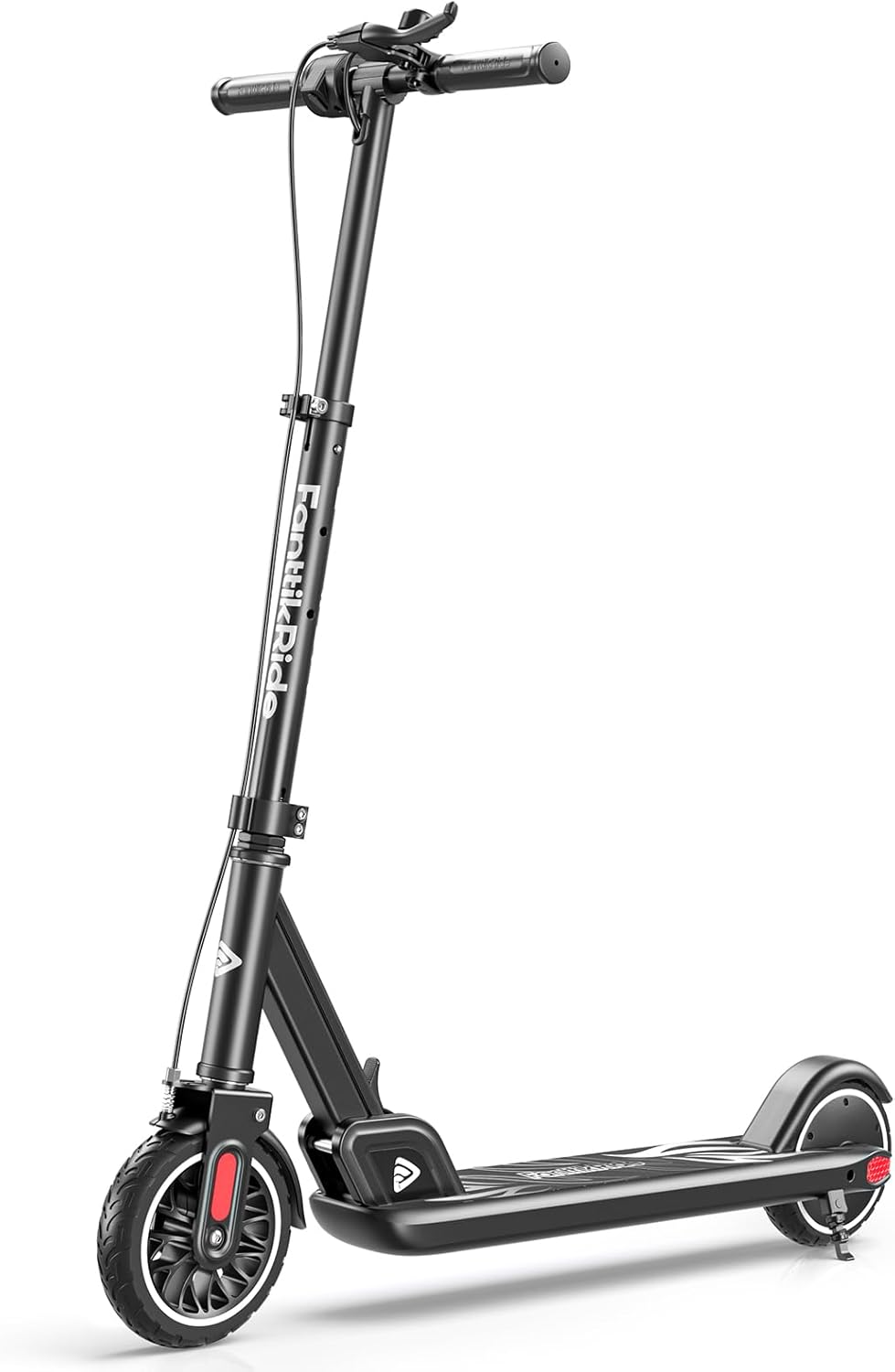
What to Look for When Buying a Youth Electric Scooter
1. Safety Features & Certifications
When it comes to youth riders, safety isn’t negotiable—it’s the foundation of every smart purchase. Look for scooters that include essential safety features such as reliable dual braking systems (disc + electronic or regenerative), bright LED headlights and taillights, reflective strips, and non-slip decks. Even better are models with speed limiters or beginner modes that cap top speeds until the rider gains confidence. For younger kids (ages 6–10), a lower maximum speed (8–10 mph) is ideal; teens may handle 15–18 mph safely with proper supervision.
Certifications matter too. Always verify that the scooter meets UL 2272 safety standards—this certification ensures the electrical system (battery, charger, wiring) has been rigorously tested for fire and electrical hazards. Avoid uncertified “bargain” scooters, especially those sold by unknown sellers on third-party marketplaces. A recent Consumer Product Safety Commission report highlighted dozens of incidents involving counterfeit batteries and faulty wiring in non-certified models. Don’t risk your child’s safety for a few dollars saved.
2. Performance Specifications
Performance isn’t just about speed—it’s about how well the scooter performs under real-world conditions. Key specs include motor power (measured in watts), top speed, range per charge, and hill-climbing ability. For most youth riders, a 250W–350W motor is sufficient, offering smooth acceleration without excessive speed. Top speeds between 10–15 mph strike a great balance between fun and control. Range should realistically cover 8–12 miles per charge for daily use—enough for a round trip to school or the park without constant recharging.
Don’t be fooled by exaggerated “up to” range claims. Manufacturers often test under ideal conditions (flat terrain, light rider, no wind). In practice, factors like rider weight, inclines, and temperature can reduce range by 20–30%. Always check independent reviews for real-world range tests. Also consider torque: higher torque helps with starting from stops and climbing gentle hills, which is especially useful in suburban or hilly areas.
3. Build Quality & Durability
A well-built scooter should withstand daily wear and tear—drops, bumps, rain, and frequent folding/unfolding. Look for frames made from aircraft-grade aluminum or reinforced steel, which offer strength without excessive weight. Check hinge mechanisms: cheap folding joints loosen over time, creating wobble and instability. Test the deck thickness—thicker decks resist cracking better under pressure.
Tires matter too. Solid rubber tires are puncture-proof and low-maintenance but offer a rougher ride. Air-filled (pneumatic) tires provide superior shock absorption and grip but require occasional inflation and are prone to flats. For youth riders, many experts recommend hybrid or honeycomb tires—they combine the comfort of air tires with the durability of solids. Also inspect welds, screws, and connectors; loose or poorly finished components are red flags for long-term reliability.
4. Weight & Portability
Youth scooters should be light enough for kids to carry when needed—whether up stairs, onto a bus, or into a classroom. Ideal weights range from 18–25 lbs. Anything over 30 lbs becomes cumbersome for younger riders. Folding mechanisms should be intuitive and secure; look for one-hand fold designs with locking latches that prevent accidental collapse during rides.
Portability also includes dimensions when folded. A compact footprint (under 40” long when folded) makes storage easier in small spaces like closets or car trunks. Some models include carrying handles or straps—small details that make a big difference in daily usability. If your child will be taking public transit or walking part of their commute, prioritize lightweight and compact designs.
5. Battery Life & Charging Time
Battery technology has improved dramatically, but not all batteries are equal. Lithium-ion (Li-ion) batteries are standard in quality youth scooters—they’re lightweight, long-lasting, and charge efficiently. Avoid lead-acid batteries; they’re heavy, degrade quickly, and offer poor range. Check the battery’s capacity in watt-hours (Wh): a 200–300Wh battery typically delivers 8–12 miles of range for a 100-lb rider.
Charging time matters for busy families. Most modern scooters charge fully in 3–5 hours. Some premium models support fast charging (under 2 hours), but this can reduce overall battery lifespan if used excessively. Look for smart charging systems that prevent overcharging and include thermal protection. Always use the manufacturer-provided charger—third-party chargers can damage the battery or void warranties.
6. Age & Weight Appropriateness
Not all scooters suit all ages. Manufacturers usually specify recommended age and weight ranges—stick to them. A scooter designed for a 12-year-old may be too fast or heavy for an 8-year-old. Similarly, exceeding the weight limit (even slightly) can strain the motor, reduce range, and compromise braking performance.
Consider your child’s maturity level too. A cautious rider might benefit from a scooter with adjustable speed settings, while a more confident teen could handle higher performance. Always supervise first rides and ensure your child wears a helmet, knee pads, and elbow pads—even on slow-speed models. The National Safety Council reports that head injuries account for over 60% of e-scooter-related ER visits in children under 16.
7. Brand Reputation & Customer Support
Stick with established brands known for quality and service. Companies like Segway-Ninebot, Razor, Xiaomi, and Gotrax have proven track records in the youth e-scooter space. They invest in R&D, offer better warranties, and maintain responsive customer support. Avoid obscure brands with no online presence or customer service contact.
Read verified buyer reviews on trusted platforms like Amazon, Best Buy, or Walmart. Pay attention to recurring complaints—repeated mentions of battery failure, brake issues, or poor assembly instructions are warning signs. Also check if the brand offers replacement parts (tires, decks, chargers). A scooter is only as good as its ability to be repaired when something breaks.
8. Warranty & Return Policy
A solid warranty reflects manufacturer confidence in their product. Look for at least a 6-month to 1-year comprehensive warranty covering motor, battery, and frame defects. Some premium brands offer 18–24 month coverage. Avoid “as-is” sales or sellers who don’t honor warranties.
Return policies are equally important. Most reputable retailers offer 30-day return windows for unused items. If buying online, ensure free return shipping is available. Test the scooter immediately upon arrival—check for loose parts, charging issues, or performance problems. Document any defects with photos in case you need to file a claim.
Different Types of Youth Electric Scooters

Common Buying Mistakes to Avoid

❌ Mistake: Prioritizing Price Over Safety
Why it’s bad: The cheapest scooters often cut corners on critical components like brakes, batteries, and frame integrity. This increases the risk of accidents, fires, or sudden failures mid-ride.
What to do instead: Set a minimum safety threshold. Even on a tight budget, insist on UL 2272 certification, dual braking, and reputable brand names. A $200 safe scooter is better than a $120 risky one.
❌ Mistake: Ignoring Weight Limits
Why it’s bad: Overloading a scooter strains the motor, drains the battery faster, and reduces braking efficiency. It can also void the warranty.
What to do instead: Check the manufacturer’s max rider weight and add 10–15 lbs for gear (backpack, water bottle). If your child is near the limit, choose a model with a higher capacity.
❌ Mistake: Buying Based Solely on Speed
Why it’s bad: High speed without proportional control features (like regenerative braking or stability aids) leads to loss of control, especially for inexperienced riders.
What to do instead: Match speed to skill level. Use beginner modes initially, and upgrade only when your child demonstrates consistent safe riding habits.
❌ Mistake: Overlooking Maintenance Needs
Why it’s bad: Neglecting tire pressure, brake adjustments, or battery care shortens the scooter’s lifespan and compromises performance.
What to do instead: Teach your child basic maintenance: weekly tire checks, monthly brake inspections, and proper charging habits. Keep a simple toolkit handy.
❌ Mistake: Skipping the Test Ride
Why it’s bad: Comfort and handling vary widely between models. What looks good online might feel unstable or awkward in person.
What to do instead: If possible, visit a local retailer to test ride. If buying online, choose retailers with generous return policies and read hands-on reviews from other parents.
❌ Mistake: Forgetting About Local Laws
Why it’s bad: Many cities restrict e-scooter use by age, speed, or location (e.g., sidewalk bans). Riding illegally can result in fines or confiscation.
What to do instead: Research local regulations before buying. Some areas require helmets, lights, or registration—ensure your scooter complies.
❌ Mistake: Assuming All “Kid-Friendly” Models Are Equal
Why it’s bad: Marketing terms like “designed for kids” don’t guarantee safety or suitability. Some are just smaller versions of adult scooters with inadequate safety features.
What to do instead: Look for age-specific design elements: lower center of gravity, wider decks, simplified controls, and parental speed locks.
Budget Guidelines: How Much Should You Spend?
Youth electric scooters span a wide price range, but your budget should align with usage, safety needs, and expected lifespan. Here’s a realistic breakdown for 2026:
Entry-Level ($150–$250): Ideal for casual riders and first-time users. Expect basic features: single braking, solid tires, 8–10 mph top speed, and 6–8 mile range. Brands like Razor E100 or Gotrax GXL V2 fit here. While affordable, these models may lack advanced safety tech or long-term durability. Best for occasional weekend use.
Mid-Range ($250–$350): The sweet spot for most families. These scooters offer balanced performance, better build quality, and essential safety features like dual brakes, LED lights, and UL certification. Models such as the Segway Ninebot Zing E8 or Xiaomi Mi Electric Scooter Essential provide reliable daily commuting with 10–12 mile ranges and 12–15 mph speeds. Expect 1–2 years of solid use with proper care.
Premium ($350–$500): Designed for serious riders and longer commutes. Features include pneumatic or hybrid tires, suspension systems, app connectivity, and extended warranties. The Segway Ninebot Max G30LP or Apollo Air Pro offer 15–20 mph speeds, 15–20 mile ranges, and rugged frames. These are built to last 2–3 years or more, making them cost-effective for growing teens.
Luxury ($500+): Top-tier models with cutting-edge tech, premium materials, and professional-grade components. Examples include the Unagi Model One Voyager or Dualtron Mini. These boast dual motors, ultra-fast charging, smartphone integration, and sleek designs. While overkill for most youth riders, they’re ideal for enthusiasts or those seeking maximum performance and style.

Expert Tips for Getting the Best Deal
- Shop during seasonal sales: Major discounts occur during back-to-school (July–August), Black Friday (November), and post-holiday clearance (January). Sign up for brand newsletters to get early access.
- Buy from authorized retailers: Stick to Amazon (sold by the brand), Best Buy, Walmart, or direct from manufacturer sites. Avoid third-party sellers with no return policy.
- Check refurbished options: Many brands sell certified refurbished scooters at 20–30% off. These come with full warranties and are thoroughly tested—great value for budget-conscious buyers.
- Bundle accessories: Some retailers offer free helmets, locks, or phone mounts with purchase. Compare bundle deals before deciding.
- Read the fine print on warranties: Understand what’s covered (e.g., battery degradation vs. physical damage) and how to file claims. Keep receipts and registration confirmations.
- Test before committing: If buying in-store, ask to test ride. If online, watch unboxing and review videos to see real-world handling and noise levels.
- Negotiate gently: Some local bike or electronics shops may price-match online deals or throw in free assembly.
- Consider resale value: Well-maintained scooters from top brands retain 40–60% of value after a year. This matters if your child outgrows it quickly.
Frequently Asked Questions
Q: What age is appropriate for a youth electric scooter?
A: Most manufacturers recommend ages 8 and up, but maturity matters more than age. Younger kids (6–7) can ride low-speed models (under 10 mph) with close supervision. Always follow the scooter’s specified age range and ensure your child can reach the ground comfortably while seated.
Q: Do kids need a license or insurance to ride?
A: In most U.S. states, no license or insurance is required for private property or low-speed scooters (under 20 mph). However, public road or sidewalk use may be regulated locally. Check your city or county ordinances—some require helmets, prohibit sidewalk riding, or restrict use to certain zones.
Q: How long do batteries last?
A: A quality lithium-ion battery typically lasts 300–500 full charge cycles, equating to 1–2 years of daily use. Capacity gradually declines over time. Avoid draining the battery to 0% regularly, and store it at 50–70% charge if unused for weeks.
Q: Can I ride in the rain?
A: Most youth scooters are water-resistant (IP54 rating), meaning they can handle light splashes but not submersion or heavy rain. Riding in wet conditions increases slip risk and can damage electronics. If caught in a drizzle, dry the scooter thoroughly afterward.
Q: What’s the difference between hub motors and belt drives?
A: Hub motors are built into the wheel—simple, quiet, and low-maintenance. Belt drives use a belt-and-pulley system, offering more torque but requiring occasional tension adjustments. For youth riders, hub motors are preferred for their reliability and ease of use.
Q: How do I maintain my scooter?
A: Clean the deck and tires weekly, check tire pressure (if pneumatic), inspect brakes monthly, and lubricate folding joints lightly. Store indoors when not in use, and avoid extreme temperatures. Keep the battery charged between 20–80% for longevity.
Q: Are electric scooters safe for kids?
A: When used responsibly with proper gear and supervision, yes. Always wear a CPSC-certified helmet. Teach traffic rules, avoid busy streets, and practice in safe areas first. According to Safe Kids Worldwide, wearing a helmet reduces head injury risk by 85%.
Q: Can adults ride youth scooters?
A: Generally no. Youth scooters have lower weight limits (usually 120–160 lbs) and less powerful motors. Exceeding these limits risks mechanical failure. Adults should choose models rated for 220+ lbs.
Q: What should I do if my scooter stops working?
A: First, check the basics: is it charged? Is the power button on? Are there loose connections? Consult the manual for troubleshooting. If under warranty, contact the manufacturer. For out-of-warranty issues, seek authorized repair centers—DIY fixes may void safety certifications.
Q: How fast is too fast for a kid?
A: For ages 8–10, 8–10 mph is ideal. Ages 11–13 can handle 10–13 mph with experience. Teens (14+) may safely ride up to 15–18 mph if they demonstrate good judgment and control. Always prioritize control over speed.
Our Final Recommendations
Best for Budget-Conscious Buyers: Razor E300 Electric Scooter – At under $250, it offers solid build quality, 15 mph top speed, and a comfortable deck. Great for beginners, though range is limited to 10 miles. UL certified and backed by Razor’s strong reputation.
Best Overall Value: Segway Ninebot Zing E10 – Priced around $300, this model delivers excellent safety features (dual brakes, LED lights), 11 mph speed, 10-mile range, and a lightweight 22-lb frame. Perfect blend of performance, durability, and parent-friendly controls.
Best Premium Option: Apollo Air Pro – For $450, you get pneumatic tires, suspension, 18 mph speed, 18-mile range, and app connectivity. Ideal for teens who ride daily or on varied terrain. Exceptional build quality and 18-month warranty.
Best for Beginners: Gotrax GXL V2 – Simple controls, 15.5 mph max, 12-mile range, and a low step-through design make it easy for new riders. Includes cruise control and bright headlights. Affordable at $270 with reliable performance.
Best for Advanced Users: Unagi Model One E500 – Dual motors, 20 mph speed, 15.5-mile range, and premium materials. While pricier ($890), it’s built for performance-minded teens who want a scooter that grows with their skills. Includes app-based ride analytics and theft alerts.
Conclusion: Making the Right Choice
Choosing the best youth electric scooter isn’t just about picking the shiniest model or the lowest price tag—it’s about finding a safe, reliable, and age-appropriate ride that matches your child’s needs and your family’s lifestyle. Throughout this guide, we’ve emphasized that safety certifications, build quality, and real-world performance matter far more than flashy specs or marketing claims. Whether you’re shopping for a first-time rider or upgrading an experienced teen, prioritize features that protect, perform, and last.
Remember, the perfect scooter balances fun with responsibility. It should empower your child to explore independently while giving you peace of mind. Take the time to involve your child in the decision—let them test ride options and understand the rules of safe riding. And don’t forget the essentials: a quality helmet, reflective clothing, and clear boundaries for where and when they can ride.
With the insights from this guide, you’re now equipped to navigate the crowded market with confidence. Compare models using our criteria, avoid common pitfalls, and invest in a scooter that delivers years of safe, enjoyable rides. Your child deserves nothing less than the best—and so do you.