
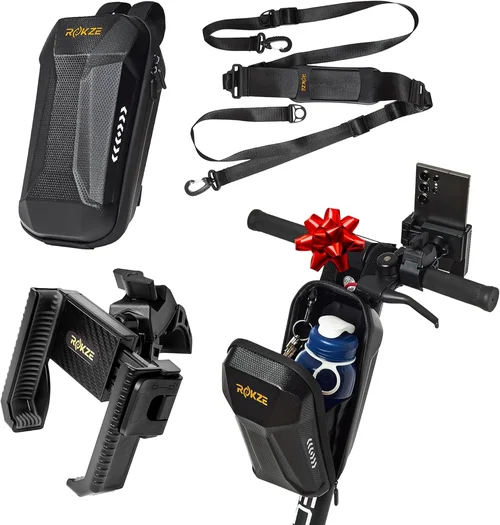
Electric scooters have surged in popularity over the past decade, transforming from niche urban curiosities into mainstream transportation solutions. Whether you’re commuting to work, running errands around town, or simply enjoying a weekend joyride, an electric scooter offers convenience, eco-friendliness, and surprisingly fun mobility. But as any seasoned rider knows, the base model is just the beginning. To truly unlock your scooter’s potential—and ensure safety, comfort, and longevity—you need the right accessories.
That’s where this comprehensive buyer’s guide comes in. Whether you’re a first-time buyer looking to outfit your new ride or a veteran rider upgrading your setup, understanding which accessories matter most can make all the difference. The market for electric scooter add-ons has exploded alongside the vehicles themselves, offering everything from essential safety gear to high-tech upgrades that enhance performance and usability. With so many options available—and often overwhelming claims about compatibility, durability, and value—it’s easy to waste money on unnecessary items or, worse, compromise on safety. This guide cuts through the noise, delivering expert insights based on real-world testing, user feedback, and industry trends as of 2026. You’ll learn not only what to buy but why it matters, how to avoid common pitfalls, and how to maximize your investment no matter your budget or riding style.
From protective gear and storage solutions to performance-enhancing modifications and smart tech integrations, we’ve categorized and evaluated the full spectrum of electric scooter accessories. We’ll walk you through key decision-making factors like compatibility, build quality, and brand reputation, compare different accessory types side by side, and even reveal insider tips for scoring the best deals. By the end, you’ll have a clear, actionable roadmap to building the perfect accessory kit tailored to your needs—whether you’re zipping through city streets, tackling hilly terrain, or storing your scooter in a tiny apartment.

What to Look for When Buying Electric Scooter Accessories
1. Compatibility with Your Scooter Model
One of the most critical—and often overlooked—factors when shopping for accessories is compatibility. Not all add-ons are universal. A phone mount designed for a Xiaomi Mi M365 might not fit a Segway Ninebot Max, and a battery extender made for a Dualtron Thunder won’t work on a lightweight commuter scooter like the Gotrax GXL. Always check the manufacturer’s specifications, including handlebar diameter, stem design, deck size, and electrical system voltage. Many reputable accessory brands list compatible models directly on their product pages. If in doubt, contact customer support or consult community forums where riders share real-world fitment experiences.
2. Build Quality & Durability
Electric scooters endure constant vibration, exposure to weather, and physical stress—especially if you ride daily or over rough terrain. Your accessories must be built to withstand these conditions. Look for materials like reinforced aluminum, high-grade polycarbonate, or weather-resistant polymers. Avoid cheap plastic components that crack under pressure or corrode in rain. For example, a low-quality phone mount may hold your device securely at first, but repeated bumps can loosen its grip, leading to dropped phones—a costly and potentially dangerous outcome. Similarly, poorly stitched saddlebags or flimsy locks won’t last more than a few months of regular use.
3. Safety & Visibility Enhancements
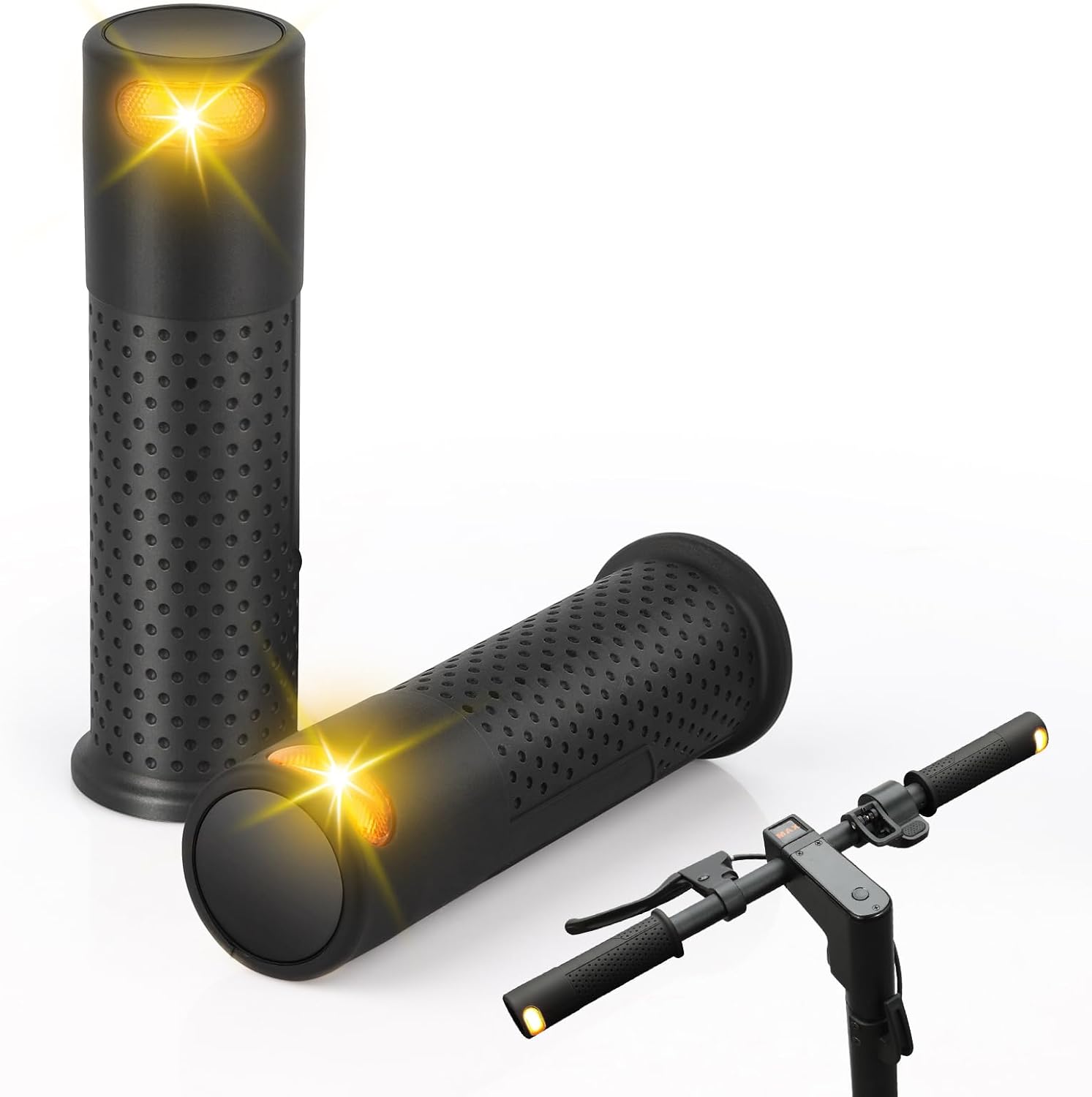
Safety should always be your top priority. While your scooter may come with basic lights, adding supplemental lighting dramatically improves visibility—especially during dawn, dusk, or nighttime rides. Consider front and rear LED lights with multiple brightness modes, side reflectors, and even wheel lights that create a glowing effect. Helmets are non-negotiable; choose one certified to CPSC, EN 1078, or similar standards. Beyond head protection, consider knee and elbow pads, especially if you’re new to riding or plan to ride aggressively. High-visibility vests or reflective stickers can also make you more noticeable to drivers, significantly reducing accident risk.
4. Storage & Carrying Solutions
Whether you’re carrying groceries, a laptop, or a change of clothes, having reliable storage is essential for practical daily use. Options range from simple handlebar baskets and rear racks to full-sized panniers and under-deck bags. Evaluate your needs: Do you need quick access to small items (like keys or a wallet), or do you require secure, waterproof storage for larger loads? Look for accessories with sturdy attachment systems—bungee cords and Velcro straps may fail under load, while bolt-on racks or locking mechanisms offer greater security. Weight distribution matters too; overloading the front can affect steering, while too much weight on the rear can impact braking and stability.
5. Performance & Range Upgrades
For riders seeking more speed, torque, or extended range, performance accessories can make a meaningful difference. Battery extenders or secondary battery packs are popular among long-distance commuters, though they add weight and may require professional installation. Upgraded motors or controllers are typically reserved for advanced users and may void warranties, so proceed with caution. Tire upgrades—such as switching from pneumatic to solid rubber or investing in puncture-resistant tubes—can improve ride comfort and reduce maintenance. Always ensure any performance modification complies with local laws, as many regions restrict maximum speed and power output for electric scooters.
6. Ease of Installation & Portability
Nobody wants to spend hours assembling an accessory or lugging around bulky gear. Prioritize items that are easy to install, remove, and transport. Tool-free mounts, foldable baskets, and compact lights are ideal for riders who value flexibility. If you frequently fold your scooter to carry it on public transit or store it in tight spaces, choose accessories that don’t interfere with the folding mechanism. Some high-end mounts and racks are designed to fold flat or detach in seconds, preserving your scooter’s portability.
7. Brand Reputation & Customer Support
Not all accessory brands are created equal. Stick with companies known for quality, transparency, and responsive customer service. Read verified buyer reviews, check return policies, and see how the brand handles warranty claims. Brands like Segway, Xiaomi, and Apollo often offer first-party accessories that are guaranteed to fit their scooters, while third-party specialists like K-Roo Sports, ScooterHood, and E-Twow provide innovative aftermarket solutions. Avoid unknown sellers on marketplaces with no return policy or vague product descriptions—these are red flags for counterfeit or substandard goods.
8. Warranty & Return Policy
Even the best accessories can fail or turn out to be incompatible. A solid warranty (typically 6–24 months) and a hassle-free return window (30 days or more) give you peace of mind. Check whether the warranty covers defects, accidental damage, or normal wear and tear. Some brands offer lifetime warranties on specific components like locks or frames. Also, note if returns require original packaging or proof of purchase—these details can save you frustration later.
Different Types of Electric Scooter Accessories
Common Buying Mistakes to Avoid
❌ Mistake: Prioritizing Price Over Quality
Why it’s bad: Cheap accessories often use inferior materials that break quickly, fail under stress, or pose safety risks—like a flimsy phone mount that drops your $1,000 smartphone onto asphalt.
What to do instead: Invest in well-reviewed, mid-tier products from reputable brands. A $40 helmet that meets safety standards is far wiser than a $15 one that cracks on impact.
❌ Mistake: Ignoring Compatibility
Why it’s bad: Buying a universal accessory that doesn’t actually fit your scooter leads to frustration, wasted money, and potential damage to your scooter’s frame or electronics.
What to do instead: Always verify fitment using your scooter’s model number and physical dimensions. When possible, buy brand-specific accessories or those explicitly listed as compatible.
❌ Mistake: Skipping Safety Gear
Why it’s bad: Many riders assume short trips don’t require helmets or lights—but most accidents happen close to home. Without proper protection, even a minor fall can result in serious injury.
What to do instead: Treat safety gear as non-negotiable. At minimum, wear a certified helmet and use front/rear lights whenever riding after dark or in low visibility.
❌ Mistake: Overloading Your Scooter
Why it’s bad: Adding too many accessories—especially heavy storage bags or dual batteries—can exceed your scooter’s weight limit, affecting handling, braking, and motor performance.
What to do instead: Check your scooter’s maximum load capacity (usually 220–300 lbs including rider) and distribute weight evenly. Use lightweight materials like nylon or carbon fiber where possible.
❌ Mistake: Buying Trendy Gadgets Without Purpose
Why it’s bad: Flashy add-ons like RGB wheel lights or voice-controlled speakers may look cool but offer little practical value and can drain your battery or distract you while riding.
What to do instead: Focus on accessories that solve real problems—navigation, storage, safety, or comfort. Ask yourself: “Will this improve my ride or just look neat?”
❌ Mistake: Neglecting Maintenance-Friendly Designs
Why it’s bad: Some accessories trap dirt, moisture, or debris, making your scooter harder to clean and maintain. Others block access to key components like brakes or charging ports.
What to do instead: Choose designs that are easy to clean and don’t obstruct critical parts. Removable or washable components (like fabric bags) are ideal.
❌ Mistake: Assuming All “Universal” Products Work
Why it’s bad: The term “universal” is often misleading. A mount labeled “fits all scooters” might only work on a narrow range of handlebar sizes or stem types.
What to do instead: Read detailed product descriptions and customer Q&A sections. Look for photos of the accessory installed on scooters similar to yours.
Budget Guidelines: How Much Should You Spend?
Entry-Level ($20 – $75): Perfect for casual riders or those testing the waters. At this tier, focus on essentials: a basic helmet ($25–$40), a simple phone mount ($15–$25), and a small rear light ($10–$20). You’ll get functional gear that meets minimum safety standards, though materials may feel plasticky and durability could be limited. Ideal for occasional weekend rides or short commutes under 3 miles.
Mid-Range ($75 – $200): This is the sweet spot for most riders. Here, you can afford higher-quality helmets with better ventilation and impact protection, robust aluminum phone mounts with vibration dampening, waterproof storage bags, and bright LED light sets with multiple modes. Many mid-tier accessories offer excellent value, balancing cost, performance, and longevity. If you ride 3–5 times per week, this range ensures reliability without overspending.
Premium ($200 – $400): Designed for enthusiasts, daily commuters, and those who demand top-tier performance. Expect carbon-fiber helmets, smart locks with GPS tracking, high-capacity battery extenders, and custom-fit storage systems. These accessories often include advanced features like app integration, anti-theft alarms, and modular designs. Worth the investment if you rely on your scooter for transportation or ride in challenging conditions.
Luxury ($400+): Reserved for professionals, long-distance travelers, or tech collectors. This tier includes professional-grade lighting systems, full suspension upgrades, custom-built cargo trailers, and AI-powered dashboards. While impressive, many luxury accessories offer diminishing returns for average users. Only consider this level if you have specific performance goals or use your scooter commercially.
Expert Tips for Getting the Best Deal
1. Shop During Seasonal Sales: Major discounts occur during Black Friday, Cyber Monday, Amazon Prime Day, and end-of-summer clearance events. Many brands also offer student or military discounts—always ask!
2. Buy Direct from Manufacturers: Brands like Segway, Apollo, and Unagi often run exclusive promotions on their websites, including bundle deals (e.g., scooter + helmet + lock at a reduced rate).
3. Check Refurbished or Open-Box Options: Certified refurbished accessories from reputable sellers can save 20–40% off retail price with full warranties.
4. Join Rider Communities: Facebook groups, Reddit forums (like r/ElectricScooters), and Discord servers frequently share promo codes, flash sales, and group-buying opportunities.
5. Read Return Policies Carefully: Some retailers charge restocking fees or only accept returns within 14 days. Opt for stores with 30-day+ return windows and free return shipping.
6. Test Before Committing: If possible, try accessories in-store or borrow from friends. A phone mount might look sturdy online but feel shaky in real-world vibrations.
7. Bundle Smartly: Look for kits that combine multiple accessories (e.g., light + mount + bell) at a discount. Just ensure all items are high quality—don’t sacrifice safety for a bargain bundle.
8. Consider Long-Term Value: A $60 helmet that lasts 5 years is cheaper per use than a $30 one that cracks after 6 months. Factor in lifespan, not just upfront cost.

Frequently Asked Questions
Q: Do I really need a helmet if I’m just riding short distances?
A: Yes. Studies show that over 60% of scooter-related head injuries occur within 1 mile of home. Even低速 falls can cause concussions or worse. A properly fitted, certified helmet is the single most effective way to protect yourself.
Q: Can I install a second battery on any electric scooter?
A: Not necessarily. Only scooters with compatible wiring harnesses, controller capacity, and physical space can support dual batteries. Modifying your scooter may void the warranty and pose fire risks if done incorrectly. Consult a professional or stick to manufacturer-approved upgrades.
Q: Are phone mounts safe to use while riding?
A: When installed correctly on a vibration-dampened mount, yes. Avoid gripping your phone with your hands—use voice commands or pre-set routes. Never interact with your phone while moving.
Q: How do I clean my scooter accessories?
A: Use mild soap and water for fabric bags and plastic components. Avoid high-pressure washers near electrical parts. For lights and mounts, wipe with a damp cloth and dry thoroughly. Remove accessories before deep cleaning your scooter.
Q: Will adding accessories drain my battery faster?
A: It depends. Lights and GPS mounts draw minimal power, but high-brightness LEDs, Bluetooth trackers, or heated grips can reduce range by 5–15%. Monitor your battery level and recharge as needed.
Q: Can I use car phone mounts on my scooter?
A: Generally no. Car mounts aren’t designed for the vibrations, angles, and handlebar shapes of scooters. They’re more likely to fail and drop your device.
Q: Are there legal restrictions on scooter accessories?
A: Yes, especially for lights and horns. In many U.S. states and EU countries, scooters must have white front lights, red rear lights, and reflectors. Avoid blue or flashing lights that may confuse drivers. Check local regulations before modifying your scooter.
Q: How often should I replace my helmet?
A: Replace your helmet every 3–5 years, or immediately after any impact—even if no damage is visible. Foam liners degrade over time and lose protective ability.
Q: Do I need a lock if I only ride during the day?
A: Absolutely. Scooters are easy targets for theft, regardless of time of day. Use a U-lock or heavy-duty chain lock, and secure both the frame and a fixed object.
Q: Can accessories improve my scooter’s speed?
A: Only performance upgrades like higher-capacity batteries or tuned controllers can increase speed—and even then, results vary. Most accessories focus on safety, comfort, or convenience, not raw performance.
Our Final Recommendations
Best for Budget-Conscious Buyers: Bell Qualifier Dlx Helmet + K-Roo Sports Universal Phone Mount + Nite Ize DoohicKey Light. This trio covers core safety and navigation needs under $70, with reliable performance and easy installation.
Best Overall Value: Apollo Explore Helmet + ScooterHood Pro Mount + RockBros Waterproof Rear Rack Bag. At around $150 total, this combo delivers premium build quality, excellent visibility, and practical storage for daily commuters.
Best Premium Option: LUPO Carbon Fiber Helmet + EcoFlow Battery Extender + Invoxia Cellular Tracker. For serious riders, this setup offers top-tier protection, extended range, and anti-theft peace of mind—worth the $350+ investment.
Best for Beginners: Start with a certified helmet, a bright front/rear light set, and a simple handlebar basket. Avoid complex tech until you’re comfortable with basic riding dynamics.
Best for Advanced Users: Invest in modular storage systems, smart locks with geofencing, and performance tires. Consider custom firmware or suspension upgrades if your scooter supports them.
Conclusion: Making the Right Choice
Choosing the right electric scooter accessories isn’t about buying the most gear—it’s about buying the right gear for your lifestyle, riding habits, and safety needs. From ensuring compatibility and durability to prioritizing visibility and practicality, every decision should align with how you actually use your scooter. Remember: the best accessory is the one that keeps you safe, makes your ride more enjoyable, and stands the test of time.
Don’t let marketing hype or impulse buys dictate your choices. Take the time to assess your priorities, read real user reviews, and start with essentials before expanding your setup. Whether you’re navigating busy city streets or exploring scenic trails, the right accessories will transform your scooter from a simple vehicle into a reliable, personalized mobility solution.
Now that you’re equipped with expert knowledge, it’s time to hit the road—confidently, safely, and fully prepared. Your perfect ride awaits.