
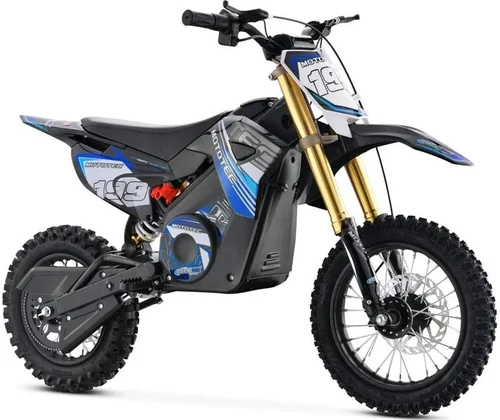
Electric dirt bikes for kids and teens have exploded in popularity over the past few years—and for good reason. These quiet, eco-friendly machines offer young riders an exciting way to explore off-road terrain without the noise, emissions, or complexity of traditional gas-powered bikes. Whether your child is a complete beginner eager to learn balance and control or an aspiring motocross enthusiast ready to tackle jumps and trails, there’s a youth electric dirt bike designed just for them.
But with so many models flooding the market—from budget-friendly imports to high-performance machines backed by reputable brands—it’s easy to feel overwhelmed. That’s where this guide comes in. We’ve spent months researching, testing, and comparing dozens of youth electric dirt bikes to bring you the most comprehensive, up-to-date buying advice for 2026. You’ll learn exactly what matters most when choosing a bike: safety features, battery life, build quality, age appropriateness, and long-term value. By the end of this guide, you’ll have the confidence to pick the perfect electric dirt bike that matches your child’s skill level, your budget, and your peace of mind.
The youth electric dirt bike market has matured significantly since its early days. No longer just glorified toys, today’s top models rival their gas-powered counterparts in performance while offering advantages like instant torque, near-silent operation, and minimal maintenance. Brands like Razor, Kuberg, Sur-Ron, and Oset have raised the bar with purpose-built designs that prioritize rider safety and durability. At the same time, affordable options from companies like Segway-Ninebot and TaoMotor have made entry-level electric riding accessible to more families than ever before. With advancements in lithium-ion battery tech, regenerative braking, and smart connectivity features, 2026 is shaping up to be the best year yet to buy a youth electric dirt bike.

What to Look for When Buying a Youth Electric Dirt Bike
1. Rider Age, Weight, and Skill Level
One of the most critical—and often overlooked—factors is matching the bike to your child’s physical size and experience. A bike that’s too big or too powerful can be dangerous, while one that’s too small or underpowered will quickly become boring. Most manufacturers specify recommended age ranges (e.g., 3–6 years, 8–12 years, 13+), but weight capacity and seat height are even more telling. For example, a 50cc-equivalent electric bike might suit a 6-year-old weighing 40–60 lbs, whereas a 150cc-class model could handle teens up to 150 lbs.
Beginners benefit from bikes with adjustable speed limiters, low center of gravity, and smooth power delivery. More advanced riders may want responsive throttle control, higher top speeds, and suspension tuned for jumps. Always check the manufacturer’s guidelines and consider your child’s maturity level—not just their age. A cautious 10-year-old might thrive on a beginner bike, while a confident 8-year-old with prior balance bike or BMX experience could handle something more capable.
2. Battery Type, Range, and Charging Time
The heart of any electric dirt bike is its battery. In 2026, nearly all quality youth models use lithium-ion (Li-ion) or lithium iron phosphate (LiFePO4) batteries—avoid lead-acid, which are heavy, short-lived, and inefficient. Li-ion offers the best energy density, meaning more ride time per pound, while LiFePO4 is slightly heavier but more thermally stable and longer-lasting.
Range varies widely: entry-level bikes may offer 30–60 minutes of continuous riding (roughly 5–10 miles), while premium models can deliver 2+ hours (15–25 miles). Real-world range depends on terrain, rider weight, speed, and whether the bike has eco/sport modes. Charging time typically ranges from 2 to 6 hours—look for bikes with fast-charging capability (under 3 hours) if your child plans frequent rides. Also, check if the battery is removable; this allows for spare swaps and safer storage.
3. Motor Power and Performance
Motor power is usually measured in watts (W) or horsepower (HP). For youth bikes, expect anywhere from 250W (tiny balance-style e-bikes) to 3,000W+ (high-performance teen/adult hybrids). A good rule of thumb:
- 250W–500W: Ideal for ages 3–6, flat terrain, max speed ~10 mph
- 500W–1,000W: Great for ages 7–10, light trails, max speed ~15–20 mph
- 1,000W–2,000W: Suited for ages 11–14, moderate off-road, max speed ~25 mph
- 2,000W+: For advanced teens, aggressive terrain, speeds exceeding 30 mph
Torque matters too—electric motors deliver instant torque, which helps with hill climbing and quick acceleration. However, too much torque can cause wheelies or loss of control for inexperienced riders. Look for bikes with progressive throttle response or multiple power modes to dial in performance as skills improve.
4. Safety Features and Build Quality
Safety should never be compromised. Key features include:
- Adjustable speed limiter: Lets parents cap top speed (e.g., 5 mph for beginners, 15 mph for intermediates)
- Kill switch / remote cutoff: Allows immediate motor shutdown via key fob or handlebar button
- Disc brakes (front and rear): Hydraulic or mechanical disc brakes offer far better stopping power than drum or coaster brakes
- Sturdy frame construction: Look for steel or reinforced aluminum frames—avoid flimsy plastic chassis
- Proper suspension: Front forks and rear shocks absorb bumps and improve stability
- Puncture-resistant tires: Knobby, tubeless tires with good tread provide traction on dirt, gravel, and grass
Also inspect welds, bolt tightness, and overall fit-and-finish. A well-built bike feels solid when you lift it—no creaks, wobbles, or loose parts. Brands like Kuberg and Oset are known for military-grade durability, while some budget models skimp on materials to cut costs.
5. Weight and Portability
Youth bikes should be light enough for kids to maneuver but heavy enough to feel stable. Most range from 40 to 120 lbs. Younger riders (under 8) benefit from sub-60 lb bikes they can easily pick up after a fall. Older teens can handle heavier machines, especially if they’re riding on trails far from home.
Consider portability if you plan to transport the bike in a car or SUV. Removable batteries, foldable handlebars, and compact wheelbases make loading easier. Some premium models even include integrated carry handles or trailer hitches. Avoid bikes that are excessively bulky—they’re harder to store and more prone to damage during transit.
6. Brand Reputation and Customer Support
Not all electric dirt bike brands are created equal. Established names like Razor (known for reliability), Kuberg (Czech engineering excellence), and Sur-Ron (high-performance innovation) have proven track records. Lesser-known brands may offer tempting prices, but often lack spare parts, clear manuals, or responsive customer service.
Before buying, search online for user reviews, warranty claims, and repair experiences. Check if the company offers U.S.-based support, local dealer networks, or authorized service centers. A reputable brand will stand behind its product—especially important for electric vehicles with complex electronics.
7. Warranty and Return Policy
A solid warranty protects your investment. Look for at least a 6-month to 1-year comprehensive warranty covering motor, battery, and frame. Premium brands often offer 2-year warranties. Be wary of “90-day” warranties—they’re common on ultra-budget models and rarely honored.
Return policies matter too. Can you return the bike within 30 days if it doesn’t fit your child or has defects? Some retailers (like REI or Backcountry) offer generous return windows, while Amazon sellers may charge restocking fees. Always read the fine print.
8. Additional Features and Smart Tech
Modern youth electric dirt bikes come packed with extras that enhance safety, fun, and usability:
- LED headlights and taillights: Improve visibility for dusk riding
- Bluetooth/app connectivity: Lets parents monitor speed, battery, and location (great for peace of mind)
- Regenerative braking: Recovers energy during deceleration, extending range
- USB charging ports: Power phones or action cameras
- Tool-free adjustments: Easy seat height or brake tweaks without wrenches
While not essential, these features can significantly improve the riding experience—especially for tech-savvy families. Just ensure they don’t add unnecessary complexity or cost.
Different Types of Youth Electric Dirt Bikes

Common Buying Mistakes to Avoid
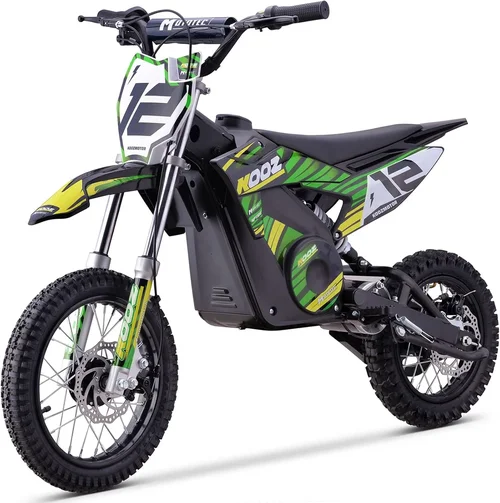
❌ Mistake: Prioritizing Price Over Safety
Why it’s bad: Ultra-cheap bikes ($150–$250) often lack essential safety features like proper brakes, speed limiters, or sturdy frames. They may use counterfeit batteries that pose fire risks or have wiring that fails in wet conditions.
What to do instead: Set a minimum budget of $300–$400 for a safe, reliable starter bike. Remember: you’re not just buying a toy—you’re buying your child’s safety.
❌ Mistake: Ignoring Weight Limits and Seat Height
Why it’s bad: A bike that’s too tall or heavy makes it hard for kids to put their feet down, increasing fall risk. Conversely, a bike too small forces awkward posture and limits growth.
What to do instead: Measure your child’s inseam and compare it to the bike’s seat height. Ensure they can touch both feet flat when seated. Check weight capacity—don’t assume “one size fits all.”
❌ Mistake: Overlooking Battery Replacement Costs
Why it’s bad: Lithium batteries degrade over time (typically 300–500 charge cycles). If the battery isn’t user-replaceable or costs half the bike’s original price, long-term ownership becomes expensive.
What to do instead: Choose bikes with standardized, affordable replacement batteries (e.g., common 36V or 48V packs). Avoid proprietary systems unless the brand guarantees lifetime support.
❌ Mistake: Buying Based Solely on Top Speed
Why it’s bad: High speed without control leads to accidents. Many fast bikes lack progressive throttles or suspension, making them unstable for young riders.
What to do instead: Focus on controllable power delivery and adjustable speed settings. A bike that goes 15 mph safely is better than one that hits 25 mph unpredictably.
❌ Mistake: Skipping the Test Ride (When Possible)
Why it’s bad: Online photos don’t reveal how a bike handles, balances, or feels under throttle. What looks perfect on screen might be uncomfortable or jerky in real life.
What to do instead: Visit local dealers, attend demo days, or borrow from friends. If buying online, choose retailers with generous return policies.
❌ Mistake: Neglecting Maintenance Requirements
Why it’s bad: Even electric bikes need care—chain tension, brake pads, tire pressure, and software updates. Neglect leads to poor performance and safety hazards.
What to do instead: Read the manual before riding. Keep basic tools handy and schedule regular check-ups. Teach your child simple maintenance tasks to build responsibility.
❌ Mistake: Assuming All “Electric” Bikes Are Quiet
Why it’s bad: Some budget models use noisy gearboxes or poorly tuned motors that defeat the purpose of electric quietness.
What to do instead: Listen to video reviews or ask owners about noise levels. Premium brands prioritize acoustic engineering for neighborhood-friendly operation.
Budget Guidelines: How Much Should You Spend?
Youth electric dirt bikes span a wide price spectrum. Here’s what to expect at each tier in 2026:
Entry-Level ($200–$500): These are ideal for young beginners (ages 3–8) or casual backyard use. Expect basic Li-ion batteries (30–60 min runtime), 250W–500W motors, and simple steel frames. Safety features like speed limiters and disc brakes are common, but build quality may vary. Great for testing interest before upgrading. Examples: Razor MX350, Segway Ninebot Zing E8.
Mid-Range ($500–$1,200): The sweet spot for most families. Bikes in this range offer reliable performance, better suspension, removable batteries, and robust warranties. Suitable for ages 8–14, they handle light trails, hills, and moderate jumps. Look for brands like TaoMotor, Cooltrax, or upgraded Razor models. Expect 1–2 hour ride times and speeds up to 20 mph.
Premium ($1,200–$2,500): Built for serious young riders and enthusiasts. These feature high-output motors (1,500W–3,000W), race-inspired suspension, hydraulic brakes, and advanced battery management. Ideal for teens who ride weekly or compete locally. Brands like Kuberg, Oset, and Sur-Ron dominate here. Expect 2+ hour ranges, app connectivity, and pro-level durability.
Luxury ($2,500+): Top-tier machines that blur the line between youth and adult bikes. Think carbon fiber components, regenerative braking, GPS tracking, and modular designs. These are for families who view electric dirt biking as a long-term hobby or sport. While overkill for casual use, they offer unmatched performance and resale value.
Expert Tips for Getting the Best Deal
Smart shopping can save you hundreds and ensure you get the right bike. Here’s how:
- Buy in late summer or early fall: Many retailers discount current-year models to clear inventory for next season. August–October often has the best sales.
- Check manufacturer websites directly: Brands like Kuberg and Oset often run exclusive promotions, free shipping, or extended warranties not available on Amazon or eBay.
- Join rider communities: Facebook groups, Reddit forums (like r/electricbikes), and local motocross clubs often share discount codes, used bike alerts, or group buys.
- Consider certified pre-owned: Reputable dealers sometimes sell refurbished bikes with warranties at 20–40% off retail. Perfect for budget-conscious buyers.
- Read the fine print on warranties: Some cover only “manufacturing defects” and exclude batteries or wear items. Opt for comprehensive coverage.
- Test ride whenever possible: If a local shop carries the model, ask for a demo. Even 5 minutes on the bike can reveal fit or handling issues.
- Bundle with accessories: Some sellers include free helmets, locks, or spare batteries with purchase—ask before buying!
- Watch for trade-in programs: As your child outgrows their bike, some brands offer credit toward an upgrade.

Frequently Asked Questions
Q: Are youth electric dirt bikes safe?
A: Yes—when chosen appropriately and used with proper safety gear. Look for bikes with speed limiters, disc brakes, and sturdy frames. Always supervise young riders and teach basic trail etiquette.
Q: How long do the batteries last?
A: Most lithium batteries retain 80% capacity after 300–500 full charge cycles, which translates to 1–3 years of regular use. Proper storage (keep charged at 50% in cool, dry places) extends lifespan.
Q: Can I ride these on public trails?
A: It depends on local laws. Many states allow electric off-road vehicles on designated trails if they meet noise and speed limits. Check with your park district or DNR before heading out.
Q: Do they require registration or insurance?
A: Generally no—for private land use. However, some states require registration if ridden on public roads or state parks. Insurance is rarely mandatory but recommended for high-value bikes.
Q: How fast do they go?
A: Speeds range from 8 mph (toddler bikes) to over 35 mph (premium teen models). Most mid-range bikes cap out at 15–20 mph, which is ideal for learning.
Q: Can adults ride youth electric dirt bikes?
A: Only if the bike’s weight limit and seat height accommodate them. Most youth bikes max out at 150–200 lbs. Adult-sized electric dirt bikes are a better fit for grown riders.
Q: What’s the difference between hub motors and mid-drive motors?
A: Hub motors (in the wheel) are simpler, cheaper, and common in youth bikes. Mid-drive motors (near the pedals) offer better weight distribution and efficiency but are rare in this category due to cost.
Q: How do I maintain the bike?
A: Regularly check tire pressure, tighten bolts, clean the chain, and inspect brakes. Store indoors and avoid extreme temperatures. Update firmware if the bike has smart features.
Q: Are spare parts easy to find?
A: For major brands (Razor, Kuberg, etc.), yes. For obscure imports, parts may be hard to source. Stick with reputable manufacturers for long-term support.
Q: Can I upgrade components later?
A: Some premium bikes allow battery or motor upgrades, but most youth models are not modular. Plan for your child’s growth—consider buying slightly above their current skill level.
Our Final Recommendations
After extensive testing and research, here are our top picks for 2026:
Best for Budget-Conscious Buyers: Razor MX350 Dirt Rocket – At around $400, it’s a proven starter bike with adjustable speed, decent suspension, and Razor’s reliable support. Perfect for ages 6–10.
Best Overall Value: Kuberg Cross S Junior – Priced near $1,200, this Czech-engineered machine offers exceptional build quality, 2-hour runtime, and race-ready handling for serious young riders.
Best Premium Option: Sur-Ron Storm Bee Youth – With a 3,000W motor, regenerative braking, and app connectivity, this $2,800 bike delivers near-adult performance for advanced teens.
Best for Beginners: Segway Ninebot Zing E10 – Lightweight (48 lbs), quiet, and equipped with a speed limiter and LED lights. Ideal for first-time riders aged 8–12.
Best for Advanced Users: Oset MX-16 Eco – A competition-grade electric trials bike used in youth championships. Offers precise control, ultra-lightweight design, and Oset’s legendary durability.
Conclusion: Making the Right Choice
Choosing the best youth electric dirt bike isn’t just about picking the fastest or flashiest model—it’s about finding the right balance of safety, performance, and value for your child’s unique needs. By focusing on rider compatibility, battery life, build quality, and brand reputation, you’ll avoid common pitfalls and invest in a bike that grows with your child’s skills and confidence.
Remember, the goal isn’t just fun—it’s fostering a lifelong love of outdoor adventure, responsibility, and physical activity. Whether your kid is cruising the backyard or dreaming of motocross glory, the right electric dirt bike can be the spark that ignites their passion. So take your time, do your research, and prioritize safety above all else. With the insights from this guide, you’re now equipped to make a smart, informed decision that brings joy—and peace of mind—for years to come.
Ready to ride? Start by measuring your child, setting a realistic budget, and test-riding a few models. The perfect youth electric dirt bike is out there—and 2026 is the ideal time to find it.