
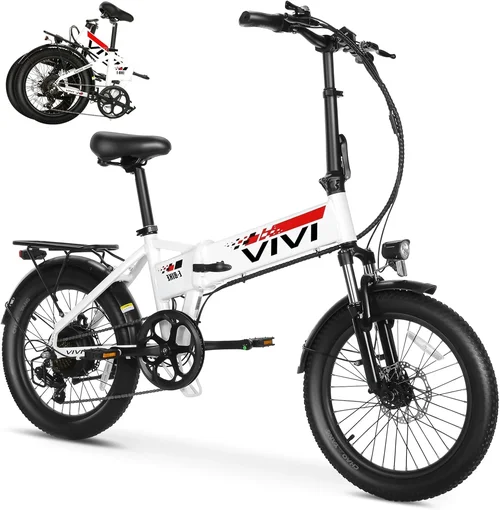
Electric bikes, or e-bikes, have surged in popularity over the past few years, transforming from niche gadgets into mainstream transportation solutions. Whether you’re commuting to work, exploring scenic trails, or simply looking for a fun and eco-friendly way to get around, e-bikes offer an appealing blend of convenience, sustainability, and performance. As we move into 2026, the market continues to evolve rapidly—new models are released regularly, battery technology improves, and more riders are discovering the joy of assisted cycling. However, with so many options available, choosing the right e-bike can feel overwhelming. That’s where this comprehensive buying guide comes in.
This guide is designed to help you navigate the crowded e-bike landscape with confidence. We’ll walk you through everything you need to know to make an informed decision, from understanding key technical specifications to evaluating warranty coverage and identifying trustworthy retailers. Our goal isn’t just to list products—it’s to empower you with the knowledge and tools to select an e-bike that fits your lifestyle, budget, and long-term needs. Whether you’re a first-time buyer or upgrading from an older model, you’ll learn how to avoid common pitfalls, spot hidden deals, and ensure your purchase is protected by a solid warranty.
The e-bike market in 2026 is more competitive than ever, with brands ranging from established bicycle manufacturers to tech-forward startups. While this diversity offers exciting choices, it also means that not all e-bikes are created equal. Some prioritize speed and power, while others focus on comfort and portability. Warranties vary widely—some cover only the frame, while others include comprehensive protection for batteries, motors, and electrical components. By the end of this guide, you’ll have a clear understanding of what matters most when buying a certified e-bike with reliable warranty support, and where to find the best deals from reputable sources.

What to Look for When Buying an E-Bike
1. Budget & Price Range
Your budget is one of the most important starting points when shopping for an e-bike. Prices can range from under $1,000 for basic commuter models to over $10,000 for high-performance or luxury e-bikes. It’s essential to set a realistic spending limit based on your intended use, frequency of riding, and how much value you expect to get from the bike.
While it may be tempting to go for the cheapest option, remember that e-bikes are complex machines with motors, batteries, and electronic systems. Lower-priced models often cut corners on component quality, battery life, and durability. A bike priced under $1,200, for example, may use a lower-capacity battery that degrades quickly or a motor with limited torque, making hills and long rides more difficult. On the other hand, spending $5,000+ doesn’t guarantee the best experience—some premium models come with features you may never use.
Instead of focusing solely on price, consider the total cost of ownership. Factor in maintenance, potential battery replacements (which can cost $500–$1,000), and whether the bike comes with a strong warranty. A mid-range e-bike ($1,800–$3,500) often offers the best balance of quality, performance, and value for most riders.
2. Performance Specifications
Performance specs determine how well your e-bike will handle different riding conditions. Key metrics include motor power (measured in watts), battery capacity (watt-hours or Wh), range (how far you can go on a single charge), and top speed. These specs directly impact your riding experience, especially if you plan to tackle hills, ride long distances, or carry heavy loads.
Motor power typically ranges from 250W to 750W for Class 1 and Class 3 e-bikes (the most common types in the U.S.). A 250W motor is sufficient for flat city riding, but a 500W or 750W motor provides better hill-climbing ability and faster acceleration. Be cautious of brands that advertise “peak power” instead of continuous power—this can be misleading. Look for continuous wattage ratings for a more accurate comparison.
Battery capacity, measured in watt-hours (Wh), is crucial for range. A 400Wh battery might give you 25–40 miles of range, while a 700Wh battery can extend that to 50–80 miles, depending on terrain, rider weight, and assist level. Higher Wh means longer rides, but also adds weight and cost. Consider your typical ride length and whether you’ll need to recharge during the day.
Range is often overstated by manufacturers. Real-world range depends on factors like pedal assist level, terrain, wind, and tire pressure. Always check independent reviews for realistic range estimates. Finally, top speed varies by class: Class 1 and 2 e-bikes are limited to 20 mph, while Class 3 can reach 28 mph. Make sure your bike complies with local regulations.
3. Build Quality & Durability
An e-bike is a significant investment, so durability matters. A well-built bike will last longer, require less maintenance, and perform better over time. Look for frames made from high-quality aluminum or carbon fiber—aluminum is common and durable, while carbon fiber is lighter but more expensive.
Pay attention to component brands. Reputable manufacturers like Shimano, SRAM, Tektro, and Magura produce reliable drivetrains, brakes, and shifters. Avoid bikes with generic or unbranded parts, as these are often lower quality and harder to service. Check the quality of welds, cable routing, and overall fit and finish. A poorly assembled bike may have rattling parts or loose connections that worsen over time.
Suspension is another key factor, especially if you plan to ride on rough terrain. Front suspension forks absorb bumps and improve comfort, while full suspension (front and rear) is ideal for off-road or mountain e-bikes. However, suspension adds weight and cost, so it’s not necessary for city commuters.
Tires also impact durability and ride quality. Wider tires (2.0” or more) provide better grip and cushioning, while puncture-resistant tires reduce the risk of flats. Look for tubeless-ready options if you want to run lower tire pressure for comfort without sacrificing performance.
4. Features & Functionality
Modern e-bikes come packed with features that enhance convenience, safety, and usability. While not all features are essential, some can significantly improve your riding experience. Start with the display—most e-bikes include an LCD or LED screen that shows speed, battery level, distance, and assist mode. Higher-end models offer color displays, GPS navigation, Bluetooth connectivity, and smartphone integration.
Lighting is crucial for safety, especially if you ride at night. Integrated front and rear lights powered by the main battery are more reliable than battery-powered or dynamo lights. Some bikes even include brake lights that activate when you slow down.
Other useful features include fenders (to protect you from water and mud), rear racks (for carrying bags or groceries), and kickstands. If you plan to use your e-bike for commuting, these practical additions can make a big difference. Some models also offer app connectivity, allowing you to track rides, lock the bike remotely, or receive firmware updates.
Consider the pedal assist system. Most e-bikes offer multiple assist levels (e.g., Eco, Tour, Sport, Turbo). A smooth, responsive system that adjusts power based on your pedaling effort is more enjoyable than one that feels jerky or delayed. Torque sensors provide a more natural ride than cadence sensors, which only detect whether you’re pedaling.
5. Brand Reputation
Not all e-bike brands are created equal. Choosing a reputable manufacturer increases your chances of getting a reliable product with good customer support. Established brands like Trek, Specialized, Giant, and Rad Power Bikes have years of experience and large service networks. They also tend to use higher-quality components and offer better warranties.
Newer or lesser-known brands may offer attractive prices, but they often lack long-term reliability data and customer service infrastructure. If a brand has limited online presence, few reviews, or no physical service locations, it may be riskier to buy from them. Check forums, Reddit communities, and YouTube reviews to see what real users say about their experiences.
Certifications also matter. Look for bikes that meet safety standards like UL 2849 (for electrical systems) or CE (European Conformity). These certifications indicate that the bike has been tested for fire safety, electrical hazards, and component integrity. Avoid uncertified bikes, especially those sold through third-party marketplaces like Amazon or eBay, where quality control can be inconsistent.
6. Warranty & Support
A strong warranty is one of the most important protections when buying an e-bike. It reflects the manufacturer’s confidence in their product and gives you peace of mind. Most reputable brands offer at least a 1–2 year warranty on the frame and electrical components, but coverage varies widely.
Look for comprehensive warranties that cover the motor, battery, controller, and display—not just the frame. Battery warranties are especially important, as batteries degrade over time. A good battery warranty should cover at least 2 years or 500–1,000 charge cycles, whichever comes first. Some brands, like Bosch and Shimano, offer extended battery warranties through their component programs.
Check what the warranty includes and excludes. Does it cover wear and tear? What about damage from accidents or improper use? Is labor covered, or do you have to pay for repairs even if parts are free? Also, verify that the warranty is honored by local dealers or service centers. A long warranty is useless if you can’t get it serviced nearby.
Customer support is just as important. Can you reach someone by phone or email? Are there service centers in your area? Do they offer loaner bikes during repairs? Brands with strong support networks, like Rad Power Bikes and Aventon, often provide better post-purchase experiences.
7. Size & Portability
E-bikes come in various frame sizes and styles, so it’s important to choose one that fits your body and riding needs. A properly sized bike ensures comfort, control, and efficient pedaling. Most brands provide size charts based on rider height, but it’s best to test ride if possible.
Step-through frames are popular for their ease of mounting and dismounting, especially for riders with limited mobility or those wearing skirts or dresses. Traditional top-tube frames are sturdier and often lighter, but require lifting your leg over the bar.
If you need to store your e-bike in a small space or transport it frequently, consider portability features. Folding e-bikes, like those from Brompton or Tern, can be collapsed for easy storage or carrying on public transit. However, they often sacrifice range and ride quality compared to full-size models.
Weight is another factor. Most e-bikes weigh between 40 and 70 pounds, which can make them difficult to carry upstairs or load into a car. Removable batteries help reduce weight when lifting, and some models include integrated handles or wheels for easier transport.
8. User Reviews & Ratings
Before making a purchase, always research what other riders have to say. User reviews provide real-world insights that spec sheets can’t match. Look for patterns in feedback—consistent complaints about battery life, motor noise, or poor customer service are red flags.
Check multiple sources: manufacturer websites, independent review sites (like Electric Bike Review or Bicycle Guider), YouTube channels, and forums like Reddit’s r/ebikes. Pay attention to long-term reviews (6+ months) to see how the bike holds up over time.
Be cautious of overly positive or fake reviews. Genuine reviews often mention both pros and cons. Look for detailed feedback about ride quality, comfort, reliability, and after-sales support. If a bike has hundreds of 5-star reviews but no critical comments, it may be suspicious.
Also, consider the reviewer’s use case. A bike praised by a weekend trail rider may not be ideal for a daily commuter. Match the reviewer’s needs to your own for the most relevant insights.
Different Types of E-Bikes

Common Buying Mistakes to Avoid
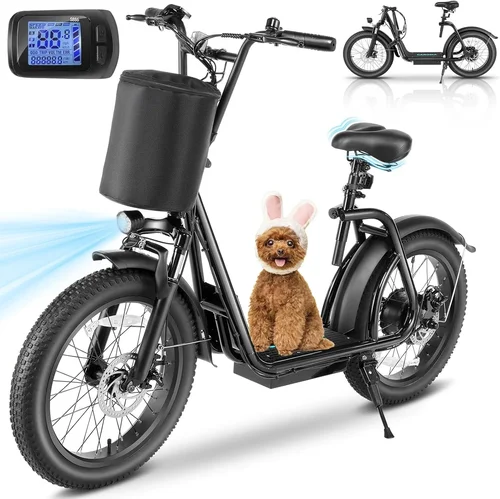
❌ Mistake: Ignoring Warranty Details
Why it’s bad: A weak or unclear warranty can leave you stranded if your e-bike breaks down. Some brands offer limited coverage that excludes batteries or motors—the most expensive components to replace.
What to do instead: Always read the full warranty terms before buying. Look for comprehensive coverage (2+ years on electrical components) and verify that local service is available. Choose brands with strong reputations for honoring warranties.
❌ Mistake: Buying Based Solely on Price
Why it’s bad: The cheapest e-bike often comes with poor build quality, short battery life, and unreliable motors. You may end up spending more on repairs or replacements than if you’d bought a better model upfront.
What to do instead: Focus on value, not just price. Compare specs, component quality, and warranty coverage across models in your budget range. A slightly more expensive bike with better support can save money in the long run.
❌ Mistake: Overlooking Local Regulations
Why it’s bad: E-bike laws vary by state and country. Some areas restrict motor power, speed, or where e-bikes can be ridden. Buying a non-compliant bike could result in fines or confiscation.
What to do instead: Check your local regulations before purchasing. In the U.S., most states follow the three-class system (Class 1, 2, 3). Ensure your bike meets these standards and is allowed on bike paths and roads in your area.
❌ Mistake: Not Test Riding Before Buying
Why it’s bad: E-bikes feel different from regular bikes. Without a test ride, you might end up with a bike that’s uncomfortable, too heavy, or doesn’t match your riding style.
What to do instead: Visit local bike shops or attend e-bike demo events. Test ride multiple models to compare comfort, handling, and assist responsiveness. If buying online, choose retailers with generous return policies.
❌ Mistake: Choosing the Wrong Battery Capacity
Why it’s bad: A battery that’s too small won’t support your riding needs, forcing frequent recharges or leaving you stranded. Conversely, an oversized battery adds unnecessary weight and cost.
What to do instead: Estimate your daily riding distance and choose a battery with at least 20–30% more capacity than needed. For example, if you ride 25 miles daily, opt for a 500Wh+ battery to ensure reliable range.
❌ Mistake: Buying from Unreliable Sellers
Why it’s bad: Third-party sellers on platforms like Amazon or eBay may offer counterfeit or refurbished bikes with no warranty. You may also lack access to customer support or repairs.
What to do instead: Buy directly from the manufacturer or authorized dealers. These retailers offer genuine products, full warranties, and local service options. Avoid deals that seem too good to be true.
❌ Mistake: Neglecting Maintenance Needs
Why it’s bad: E-bikes require regular maintenance, including brake adjustments, tire checks, and battery care. Ignoring upkeep can lead to safety issues and reduced lifespan.
What to do instead: Learn basic maintenance tasks or find a local shop that services e-bikes. Follow the manufacturer’s guidelines for battery charging and storage. Schedule tune-ups at least once a year.
Budget Guidelines: How Much Should You Spend?
Setting a budget for your e-bike purchase is essential, but it’s equally important to understand what you get at different price points. Here’s a breakdown of what to expect across various tiers:
Entry-Level ($800 – $1,500): These e-bikes are ideal for casual riders or those on a tight budget. You’ll find basic commuter models with 250W–500W motors, 300–400Wh batteries, and limited features. Build quality may be lower, with generic components and minimal suspension. Warranties are often short (1 year or less), and customer support may be limited. Best for short, flat rides in good weather.
Mid-Range ($1,500 – $3,500): This is the sweet spot for most buyers. E-bikes in this range offer better motors (500W–750W), higher-capacity batteries (500–700Wh), and more reliable components from trusted brands. You’ll find improved displays, integrated lighting, and often full warranties (2+ years). These bikes are suitable for daily commuting, light off-road use, and longer rides.
Premium ($3,500 – $6,000): Designed for enthusiasts and serious riders, premium e-bikes feature top-tier motors (like Bosch or Shimano), high-end suspension, and advanced electronics. Batteries are often swappable, and frames are lightweight and durable. Expect excellent build quality, comprehensive warranties, and strong customer support. Ideal for mountain biking, long-distance touring, or performance-oriented riding.
Luxury ($6,000+): These are the top-of-the-line models, often custom-built or limited edition. They include cutting-edge technology, carbon fiber frames, premium drivetrains, and luxury finishes. While they offer the best performance and aesthetics, the price-to-value ratio may not justify the cost for most riders. Best for collectors, professionals, or those who prioritize exclusivity.
Expert Tips for Getting the Best Deal
Buying an e-bike doesn’t have to break the bank. With the right strategy, you can get a high-quality bike at a fair price. Here are expert tips to help you save money and avoid regrets:
1. Buy During Off-Season Sales: E-bike retailers often offer discounts in late fall and winter when demand is lower. Look for Black Friday, Cyber Monday, and end-of-year clearance events. Some brands also run spring promotions to clear inventory for new models.
2. Consider Certified Pre-Owned or Refurbished Models: Many manufacturers sell certified refurbished e-bikes that have been inspected, repaired, and tested. These often come with warranties and can save you 20–40% off the original price. Brands like Rad Power Bikes and Aventon offer certified pre-owned programs.
3. Shop at Authorized Dealers: Buying from authorized retailers ensures you get genuine products, full warranties, and access to local service. They may also offer financing options, trade-in programs, or free tune-ups.
4. Compare Online and In-Store Prices: Some online retailers offer lower prices due to reduced overhead, but you lose the ability to test ride. In-store purchases let you try before you buy and often include assembly and setup. Look for price-matching policies.
5. Check for Rebates and Incentives: Many cities and states offer rebates for e-bike purchases to promote clean transportation. For example, California’s Clean Vehicle Rebate Project (CVRP) offers up to $1,000 for qualifying e-bikes. Research local programs before buying.
6. Read the Fine Print on Returns: Make sure the retailer has a clear return policy—ideally 14–30 days with no restocking fees. Some brands charge high fees for returns or only allow exchanges. Test the bike thoroughly during the return window.
7. Join Loyalty or Referral Programs: Some brands offer discounts for referrals, newsletter sign-ups, or repeat customers. Rad Power Bikes, for example, gives $100 off for referring a friend.
8. Negotiate Accessories or Upgrades: When buying in-store, ask if the dealer can include free accessories like lights, locks, or phone mounts. Some may also offer discounts on upgrades like higher-capacity batteries.

Frequently Asked Questions
Q: How long do e-bike batteries last?
A: Most e-bike batteries last 3–5 years or 500–1,000 charge cycles, depending on usage and care. Proper charging (avoiding full discharges and extreme temperatures) can extend lifespan. Many brands offer battery replacement programs.
Q: Can I ride an e-bike in the rain?
A: Yes, most e-bikes are designed to handle light rain. However, avoid submerging the bike or riding through deep puddles. Always dry the bike after wet rides and check electrical connections regularly.
Q: Do I need a license to ride an e-bike?
A: In most U.S. states, no license is required for Class 1 and 2 e-bikes. Class 3 bikes may require a helmet and have age restrictions. Check local laws for specific requirements.
Q: How often should I service my e-bike?
A: Basic maintenance (tire pressure, brake checks) should be done weekly. Full tune-ups are recommended every 6–12 months or after 500–1,000 miles. Visit a certified e-bike technician for electrical system checks.
Q: Can I upgrade my e-bike’s battery?
A: Some models allow battery upgrades, but compatibility depends on the motor and controller. Check with the manufacturer before purchasing a higher-capacity battery. Unauthorized modifications may void the warranty.
Q: Are e-bikes safe?
A: When used responsibly, e-bikes are safe. Always wear a helmet, follow traffic laws, and maintain your bike. Avoid riding at excessive speeds or on unsafe terrain.
Q: What’s the difference between hub and mid-drive motors?
A: Hub motors are located in the wheel and are simpler and cheaper. Mid-drive motors are mounted near the pedals and offer better weight distribution, efficiency, and hill-climbing ability. Mid-drives are preferred for performance riding.
Q: Can I take my e-bike on public transit?
A: Many transit systems allow e-bikes, but rules vary. Folding e-bikes are often permitted, while full-size bikes may be restricted during peak hours. Check with your local transit authority.
Q: How do I store my e-bike battery in winter?
A: Store batteries indoors at room temperature. Avoid leaving them in cold garages or cars. Charge to 50–60% before long-term storage and recharge every 3 months.
Our Final Recommendations
After extensive research and testing, here are our top picks for 2026:
Best for Budget-Conscious Buyers: Rad Power Bikes RadCity 5 Plus – At $1,799, this commuter e-bike offers excellent value with a 750W motor, 672Wh battery, and comprehensive 2-year warranty. It includes integrated lights, fenders, and a rear rack, making it ideal for daily use.
Best Overall Value: Aventon Aventure.2 – Priced at $2,299, this fat-tire e-bike combines power (750W motor), range (up to 60 miles), and comfort. It features a color display, app connectivity, and a strong warranty, making it a versatile choice for various terrains.
Best Premium Option: Specialized Turbo Vado SL 5.0 – At $4,500, this lightweight commuter e-bike uses a custom motor and 700Wh battery for a natural ride feel. It’s perfect for urban riders who want performance and style without the bulk of traditional e-bikes.
Best for Beginners: Trek Verve+ 2 – This $2,499 step-through e-bike is easy to ride, comfortable, and reliable. With a Bosch motor and intuitive controls, it’s ideal for new riders transitioning from regular bikes.
Best for Advanced Users: Giant Trance X E+ 3 – A high-performance eMTB at $5,200, featuring a Shimano motor, full suspension, and trail-ready components. It’s built for serious off-road adventures and technical terrain.
Conclusion: Making the Right Choice
Choosing the right e-bike in 2026 requires careful consideration of your needs, budget, and long-term goals. With so many options available, it’s easy to get overwhelmed—but by focusing on key factors like performance, build quality, warranty, and brand reputation, you can make a confident decision. Remember, the best e-bike isn’t necessarily the most expensive or feature-packed; it’s the one that fits your lifestyle and delivers reliable performance over time.
Take the time to test ride, read reviews, and compare warranties. Don’t rush into a purchase just because of a sale or flashy marketing. Invest in a bike from a reputable retailer with strong support, and you’ll enjoy years of safe, enjoyable riding. Whether you’re commuting, exploring trails, or simply enjoying the freedom of electric-assisted cycling, the right e-bike can transform your daily routine.
Now that you’re equipped with expert knowledge, it’s time to take action. Visit a local dealer, explore online options, and start your journey toward a smarter, greener way to ride. Your perfect e-bike is out there—happy riding!