
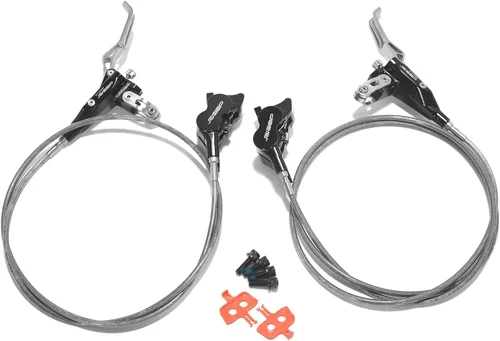
When it comes to electric off-road motorcycles, few brands have captured the imagination of riders quite like Surron. Known for their lightweight frames, impressive power-to-weight ratios, and aggressive trail-ready designs, Surron bikes—especially the popular Surron Ultra Bee and Light Bee models—have become go-to machines for everything from weekend trail riding to competitive enduro racing. But while the motor, battery, and suspension often steal the spotlight, one component quietly defines the difference between a thrilling ride and a dangerous one: the brakes.
Braking performance is not just a feature—it’s a safety-critical system that directly impacts control, confidence, and survivability on unpredictable terrain. Whether you’re navigating steep descents, dodging rocks on a technical trail, or hitting emergency stops in wet conditions, your Surron’s brakes must respond instantly and consistently. Unfortunately, many riders overlook brake quality during purchase or upgrade decisions, assuming stock components are sufficient. In reality, the factory-installed brakes on many Surron models, while functional, often leave room for improvement—especially as riders push their bikes harder, add weight with gear, or modify other performance systems.
This comprehensive buying guide is designed to empower Surron owners and prospective buyers with expert-level knowledge about aftermarket and OEM brake options. Whether you’re upgrading from stock or building a custom setup from scratch, you’ll learn how to evaluate braking systems based on real-world performance, durability, compatibility, and value. We’ll break down the key factors that matter most, compare different brake types and brands, highlight common pitfalls, and provide actionable recommendations tailored to your riding style and budget. By the end, you’ll have the tools to make an informed decision that enhances both safety and performance.
The market for Surron-compatible brakes has exploded in recent years, driven by the bike’s growing popularity and the limitations of its original equipment. Today, riders can choose from a wide range of options—from budget-friendly drop-in replacements to high-end racing-grade setups used by professional enduro teams. Brands like Magura, Brembo, Galfer, EBC, and Hope have developed specialized kits designed specifically for Surron frames, offering improved lever feel, greater stopping power, and better heat management. At the same time, Chinese manufacturers have flooded the market with low-cost alternatives that promise big performance gains at a fraction of the price—but often deliver inconsistent results.
Navigating this landscape requires more than just reading specs. It demands an understanding of how brake systems work under stress, how they interact with your bike’s geometry and weight distribution, and how they hold up over time. This guide cuts through the noise, offering a data-driven, experience-based approach to selecting the best brakes for your Surron. Whether you’re a casual trail rider, a weekend warrior, or a competitive racer, we’ve got you covered.
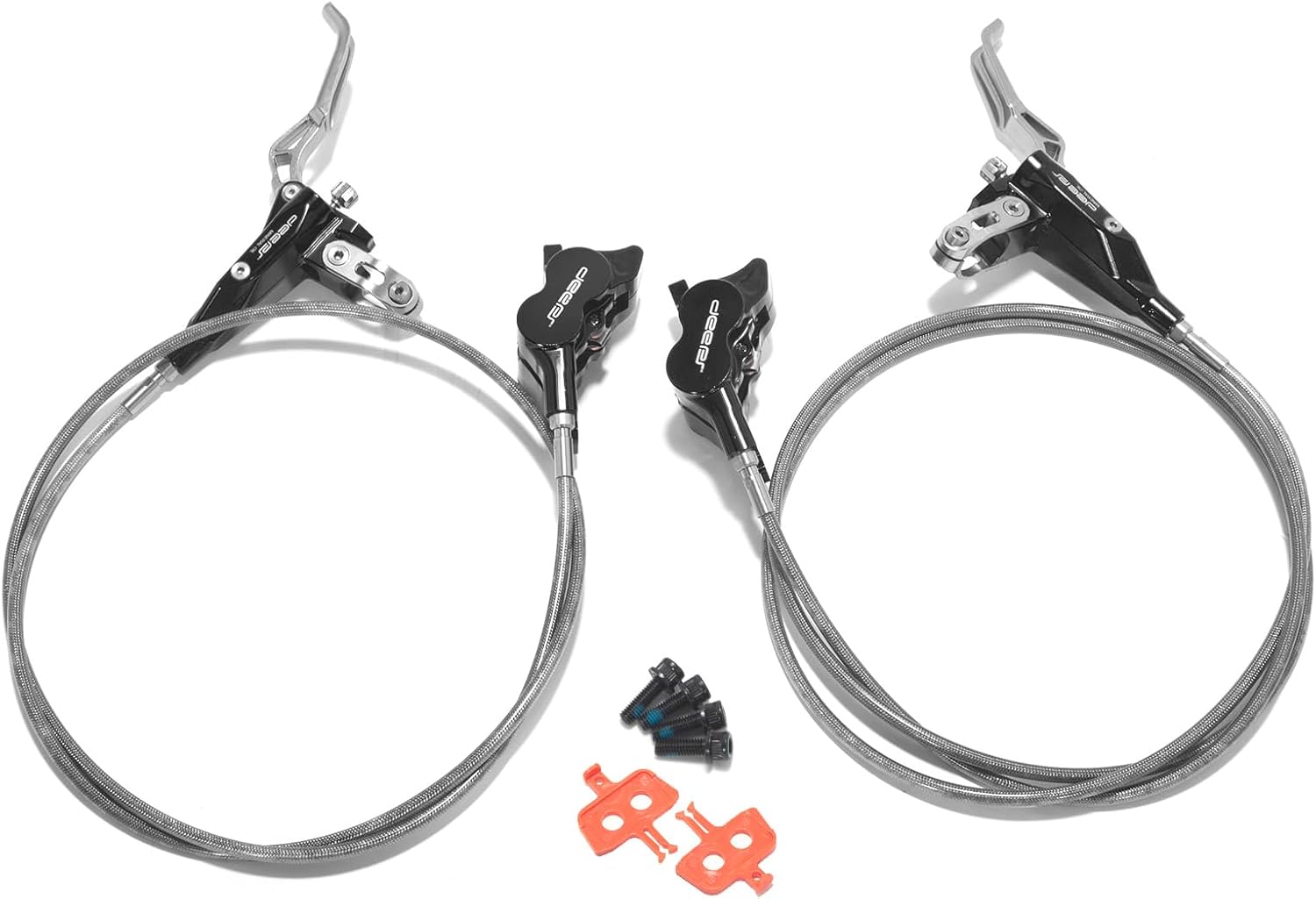
What to Look for When Buying Surron Brakes
1. Brake Type: Hydraulic vs. Mechanical
The first and most fundamental decision when upgrading your Surron’s brakes is choosing between hydraulic and mechanical systems. Most modern Surron models come equipped with hydraulic disc brakes from the factory—typically using single-piston calipers and mineral oil fluid. While adequate for light trail use, these stock systems often lack the modulation, power, and consistency needed for aggressive riding.
Hydraulic brakes use fluid to transfer force from the lever to the caliper, resulting in smoother engagement, better lever feel, and less hand fatigue. They’re self-adjusting as pads wear down and generally offer superior performance in wet or muddy conditions. High-end hydraulic systems, such as those from Magura or Brembo, use dual-piston or even four-piston calipers for maximum clamping force and heat dissipation.
Mechanical brakes, on the other hand, rely on cables to actuate the caliper. They’re simpler, cheaper, and easier to maintain, but they require frequent adjustment and don’t offer the same level of precision or power. For Surron riders pushing their limits, mechanical brakes are generally not recommended unless you’re on a very tight budget or building a minimalist trail bike.
2. Caliper Configuration: Single vs. Dual vs. Four-Piston
Caliper design plays a huge role in braking performance. Surron’s stock brakes typically use single-piston floating calipers, which are compact and lightweight but limited in clamping force and heat management. As you increase speed, load, or riding intensity, these calipers can overheat, leading to brake fade—a dangerous loss of stopping power.
Dual-piston calipers offer a significant upgrade. They provide more even pad contact, better modulation, and improved heat dissipation. Many mid-range aftermarket kits, such as those from Galfer or EBC, use dual-piston designs that bolt directly onto Surron hubs without requiring frame modifications.
For serious riders—especially those tackling enduro races or steep mountain trails—four-piston calipers are the gold standard. Brands like Brembo and Magura offer four-piston setups that deliver race-level stopping power and consistency. These systems are heavier and more expensive, but they’re essential if you’re riding at high speeds or carrying extra gear.
3. Rotor Size and Material
Rotor diameter directly affects braking torque—the larger the rotor, the more stopping power you get. Surron’s stock rotors are typically 180mm or 203mm in diameter. While sufficient for casual riding, larger rotors (220mm or 240mm) are highly recommended for performance upgrades.
Larger rotors provide greater leverage, reduce lever effort, and improve heat dissipation—critical for preventing fade on long descents. However, they also add weight and may require adapter brackets to fit your Surron’s hub and fork/frame mounts.
Material matters too. Most aftermarket rotors are made from stainless steel, which offers excellent corrosion resistance and consistent performance. Some high-end rotors feature drilled or slotted designs to shed water, mud, and gas buildup, improving wet-weather performance. Floating rotors—where the outer disc is mounted to a central carrier with rivets or pins—offer even better heat management and reduced warping under extreme conditions.
4. Brake Pads: Organic, Sintered, or Semi-Metallic
Brake pads are the unsung heroes of any braking system. The compound you choose affects everything from initial bite and modulation to longevity and performance in wet conditions.
Organic (resin) pads are quiet, offer smooth engagement, and work well in dry conditions. However, they wear quickly and can glaze over when overheated, leading to reduced performance.
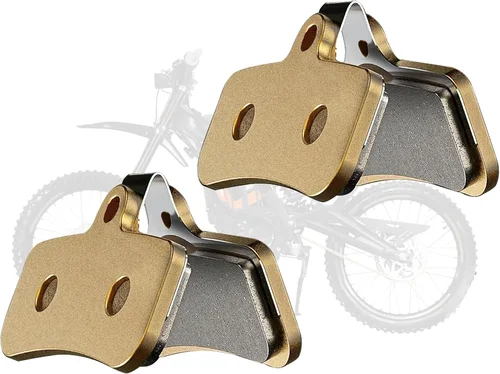
Sintered (metallic) pads are made from compressed metal particles and excel in durability and heat resistance. They perform well in mud, rain, and high-stress scenarios but can be noisy and harder on rotors.
Semi-metallic pads strike a balance—offering good modulation, decent longevity, and solid wet-weather performance. They’re a popular choice for trail and enduro riders.
For Surron applications, sintered or semi-metallic pads are generally recommended, especially if you ride aggressively or in variable conditions.
5. Lever Feel and Adjustability
A brake’s performance isn’t just about raw power—it’s also about how it feels in your hand. Lever feel refers to the responsiveness, modulation, and ergonomics of the brake lever. A good lever should offer progressive engagement, minimal free stroke, and comfortable reach.
High-end systems like Magura’s MT series or Brembo’s M4 series feature adjustable levers with tool-free reach and bite point adjustments. This allows you to fine-tune the lever position to match your hand size and riding preference.
Stock Surron levers are often non-adjustable and have a spongy feel due to lower-quality seals and fluid. Upgrading to a system with better lever ergonomics can dramatically improve control and reduce hand fatigue on long rides.
6. Compatibility with Surron Frame and Fork
Not all brake systems are created equal when it comes to fitment. Surron bikes use specific hub widths, rotor mounts (6-bolt or centerlock), and fork/frame brake tabs. Before purchasing, verify that your chosen brake kit is compatible with your model.
For example, the Surron Light Bee uses 6-bolt rotors and has IS (International Standard) brake mounts on the fork and swingarm. The Ultra Bee shares similar mounting standards but may have different clearances due to its larger wheels and suspension travel.
Some aftermarket kits include adapter brackets to accommodate different rotor sizes or mounting standards. Others are designed as direct bolt-on replacements. Always check the manufacturer’s compatibility chart and, if in doubt, consult with a Surron specialist or mechanic.
7. Heat Management and Fade Resistance
Brake fade occurs when excessive heat builds up in the system, causing the brake fluid to boil or the pads to glaze. This leads to a spongy lever and reduced stopping power—dangerous in any situation, but potentially catastrophic on a steep trail.
High-performance brake systems address this through several design features: larger rotors, ventilated calipers, high-temp fluid (like DOT 5.1 or mineral oil with high boiling points), and thermally resistant pad compounds.
If you ride aggressively, carry heavy loads, or frequently descend long hills, prioritize systems with excellent heat management. Four-piston calipers and floating rotors are particularly effective at dissipating heat.
8. Brand Reputation and Support
Not all brake brands are equal. Established names like Brembo, Magura, Galfer, and Hope have decades of experience in motorcycle and bicycle braking systems. They invest heavily in R&D, use high-quality materials, and offer reliable customer support.
Cheaper, no-name brands may offer tempting prices, but they often cut corners on materials, tolerances, and testing. This can lead to premature failure, inconsistent performance, or even safety hazards.
When choosing a brand, consider not just the product, but also warranty coverage, availability of spare parts, and access to technical support. A reputable brand may cost more upfront, but it pays off in reliability and peace of mind.
Different Types of Surron Brake Upgrades

Common Buying Mistakes to Avoid
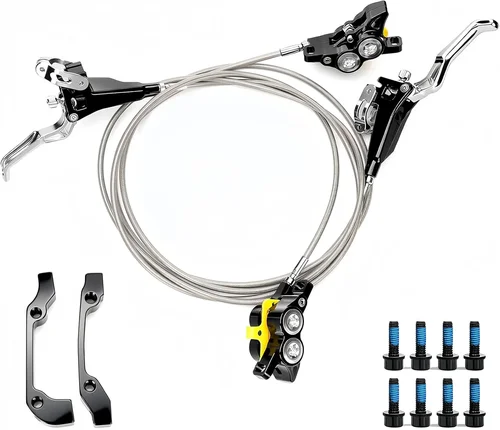
❌ Mistake: Prioritizing Price Over Performance
Why it’s bad: The cheapest brake kit may seem like a bargain, but it often uses inferior materials, poor-quality seals, and untested designs. This can lead to premature failure, inconsistent braking, or even total loss of function—putting you at serious risk.
What to do instead: Focus on value, not just cost. A mid-range kit from a reputable brand may cost twice as much as a budget option, but it will last longer, perform better, and keep you safer. Think of brakes as an investment in your safety.
❌ Mistake: Ignoring Compatibility
Why it’s bad: Buying a brake system without verifying fitment can result in wasted money and frustration. You might end up with rotors that don’t fit your hubs, calipers that won’t mount, or levers that aren’t compatible with your controls.
What to do instead: Always check the manufacturer’s compatibility list. Confirm rotor mount type (6-bolt vs. centerlock), caliper mounting standard (IS, Post Mount), and lever compatibility with your throttle and clutch (if applicable). When in doubt, contact the seller or a Surron specialist.
❌ Mistake: Overlooking Lever Ergonomics
Why it’s bad: A powerful brake is useless if you can’t control it. Poorly designed levers can cause hand fatigue, reduce modulation, and increase the risk of accidental lockups—especially on technical terrain.
What to do instead: Choose a system with adjustable levers and test the feel if possible. Look for ergonomic designs that match your hand size and riding style. A comfortable lever makes a huge difference on long rides.
❌ Mistake: Skipping Bleeding and Maintenance
Why it’s bad: Even the best brakes lose performance over time as air enters the system or fluid degrades. Neglecting regular bleeding and pad changes leads to spongy levers and reduced stopping power.
What to do instead: Learn how to bleed your brakes or find a trusted mechanic who can. Most manufacturers recommend bleeding every 6–12 months, depending on usage. Keep spare pads and fluid on hand for trailside maintenance.
❌ Mistake: Assuming Bigger is Always Better
Why it’s bad: While larger rotors and four-piston calipers offer more power, they also add weight and can overwhelm lighter bikes like the Surron Light Bee. Excessive braking force can lead to front-wheel lockups or reduced traction on loose terrain.
What to do instead: Match your brake setup to your bike and riding style. A 220mm rotor with dual-piston calipers is often the ideal balance for most Surron riders. Save the big setups for heavier bikes or extreme conditions.
❌ Mistake: Buying Based on Hype or Marketing
Why it’s bad: Some brands use flashy marketing to sell underperforming products. Terms like “race-spec” or “professional-grade” don’t guarantee quality—especially with no-name brands.
What to do instead: Rely on real-world reviews, rider testimonials, and expert recommendations. Look for brands with a proven track record in motorcycle or high-performance bicycle braking.
❌ Mistake: Neglecting the Rear Brake
Why it’s bad: Many riders focus only on the front brake, but the rear brake is essential for control, especially on loose or downhill terrain. A weak or poorly tuned rear brake can cause skidding or loss of stability.
What to do instead: Upgrade both front and rear brakes as a system. Ensure the rear caliper and rotor are matched to the front in terms of performance and modulation. A balanced setup improves overall control.
Budget Guidelines: How Much Should You Spend?
– Entry-Level ($80 – $150): This range includes basic drop-in replacements that improve over stock but offer limited performance gains. Look for kits with dual-piston calipers and stainless steel rotors. Ideal for casual riders or those on a tight budget. Expect decent performance in dry conditions but potential fade under heavy use.
– Mid-Range ($200 – $400): The sweet spot for most Surron owners. These kits typically include high-quality dual-piston calipers, 220mm rotors, and adjustable levers from brands like Galfer or EBC. They offer excellent modulation, good heat management, and reliable performance across a variety of conditions. Perfect for trail riding, light enduro, and daily use.
– Premium ($500 – $900): Designed for serious riders and racers. These systems feature four-piston calipers, floating rotors, and race-tuned levers from top-tier brands like Brembo or Magura. They deliver maximum stopping power, exceptional fade resistance, and precise control. Best for aggressive trail riding, enduro racing, or riders who demand the absolute best.
– Luxury ($900+): Custom or modular setups built from individual high-end components. These are for enthusiasts who want full control over every aspect of their braking system—from caliper type and rotor size to lever material and fluid type. Often used in custom builds or professional racing applications. Expect top-tier performance, but at a significant cost and complexity.
Expert Tips for Getting the Best Deal
– Buy During Off-Season Sales: Many retailers offer discounts on motorcycle parts during the winter months (November–February) when demand is low. Keep an eye on Surron specialty shops, RevZilla, or MotoSport for seasonal promotions.
– Bundle with Other Upgrades: Some retailers offer discounts when you purchase multiple items—like brakes, suspension, and tires—together. This can save you 10–20% compared to buying individually.
– Check for Manufacturer Rebates: Brands like Magura and Brembo occasionally run rebate programs or offer free accessories (like brake fluid or pads) with purchase. Sign up for their newsletters to stay informed.
– Buy from Specialized Retailers: Shops that focus on electric motorcycles or off-road performance (e.g., Surron USA, Electric Moto Shop, or Enduro Spec) often have better stock, expert advice, and faster shipping than general retailers.
– Consider Refurbished or Open-Box Items: Some retailers sell returned or demo items at a discount. These are often in like-new condition and come with full warranties. Just make sure they’re compatible with your bike.
– Read Return Policies Carefully: Brake systems are often non-returnable once installed due to safety concerns. Choose retailers with flexible return windows (30 days or more) in case of fitment issues.
– Test Before You Buy (If Possible): Attend demo days, join local riding groups, or visit shops that offer test rides. Feeling a brake system in action is the best way to judge its performance.
– Invest in Proper Tools: If you plan to install the brakes yourself, buy a quality bleed kit, torque wrench, and hex keys. Proper tools ensure a safe, professional installation and prevent damage to components.

Frequently Asked Questions
Q: Can I upgrade my Surron brakes without modifying the frame?
A: Yes, most aftermarket brake kits are designed as direct bolt-on replacements for Surron’s IS mount system. However, larger rotors (220mm+) may require adapter brackets, which are usually included in performance kits.
Q: Are Chinese brake kits safe to use on a Surron?
A: Some are, but quality varies widely. Look for kits with reputable branding, positive reviews, and clear specifications. Avoid no-name kits with vague descriptions or missing safety certifications. When in doubt, stick with established brands.
Q: How often should I bleed my Surron’s brakes?
A: For most riders, bleeding every 6–12 months is sufficient. If you ride frequently in wet or muddy conditions, or notice a spongy lever, bleed more often. Always use the correct fluid type (mineral oil or DOT, depending on the system).
Q: Will upgrading my brakes affect my bike’s warranty?
A: Modifying braking components typically voids the warranty on those parts, but it shouldn’t affect the rest of the bike unless the modification causes damage. Check your warranty terms before upgrading.
Q: Can I mix and match brake components from different brands?
A: It’s possible, but not recommended. Mixing brands can lead to compatibility issues, inconsistent performance, and voided warranties. For best results, use a complete system from a single manufacturer.
Q: Do I need to upgrade both front and rear brakes?
A: Ideally, yes. A balanced braking system improves control and safety. However, if budget is tight, prioritize the front brake—it does about 70% of the stopping work. Just ensure the rear brake is functional and well-maintained.
Q: How do I know if my brakes are overheating?
A: Signs include a spongy lever, reduced stopping power, or a burning smell. If you experience these, stop riding and let the brakes cool. Consider upgrading to larger rotors or better pads if overheating is frequent.
Q: Are there brake upgrades specifically for the Surron Ultra Bee?
A: Yes. The Ultra Bee’s larger wheels and increased weight benefit from bigger rotors (240mm) and four-piston calipers. Many brands offer Ultra-specific kits with extended brackets and reinforced mounts.
Q: Can I install Surron brake upgrades myself?
A: If you have basic mechanical skills and the right tools, yes. Most kits come with detailed instructions. However, if you’re unsure about bleeding or alignment, have a professional mechanic handle the installation.
Q: What’s the difference between DOT and mineral oil brakes?
A: DOT fluid (used in automotive systems) is hygroscopic (absorbs moisture) and requires more frequent changes. Mineral oil (used in many motorcycle and bike systems) is more stable and less corrosive. Never mix the two—they’re incompatible and can damage seals.
Our Final Recommendations
– Best for Budget-Conscious Buyers: Galfer Wave Rotor Kit with Dual-Piston Calipers ($180–$220)
A solid upgrade over stock with improved modulation and heat management. Includes 220mm rotors and stainless steel hardware. Great for trail riders on a budget.
– Best Overall Value: EBC HH Sintered Pads + Galfer Dual-Piston Kit ($250–$320)
Combines high-performance pads with a reliable caliper upgrade. Offers excellent bite, durability, and wet-weather performance. Ideal for most Surron owners.
– Best Premium Option: Magura MT5 Four-Piston System ($650–$800)
Race-proven performance with adjustable levers, floating rotors, and exceptional fade resistance. Perfect for aggressive riders and enduro competitors.
– Best for Beginners: Surron OEM Upgrade Kit (Dual-Piston, 203mm) ($150–$180)
A simple, reliable upgrade that maintains factory fitment. Easy to install and ideal for new riders looking to improve safety without complexity.
– Best for Advanced Users: Brembo M4 Monoblock with 240mm Floating Rotor ($850–$1,100)
The ultimate in braking performance. Used by professional racers, this system delivers unmatched power, precision, and heat management. Best for custom builds or high-speed applications.
Conclusion: Making the Right Choice
Choosing the best brakes for your Surron isn’t just about stopping power—it’s about confidence, control, and safety. The right braking system can transform your riding experience, allowing you to tackle tougher trails, ride faster, and stop on a dime when it matters most. But with so many options on the market, it’s easy to feel overwhelmed.
This guide has equipped you with the knowledge to cut through the noise and make a decision based on your needs, not just marketing claims. Remember to prioritize compatibility, performance, and brand reputation. Don’t skimp on safety—your brakes are one of the most critical components on your bike.
Whether you’re upgrading for the first time or building a race-ready machine, start by assessing your riding style, terrain, and budget. Then, choose a system that matches those factors. And don’t forget the basics: regular maintenance, proper bleeding, and pad inspections are just as important as the hardware itself.
Ultimately, the best brake for your Surron is the one that gives you peace of mind on every ride. So take your time, do your research, and invest in a system that will keep you safe and performing at your best. Your future self—and your bike—will thank you.