
When it comes to electric bikes, most riders focus on the motor, battery, display, or frame—rightfully so. But one of the most overlooked yet critical components that can make or break your ride is the humble inner tube. Whether you’re cruising city streets, tackling mountain trails, or commuting daily, a reliable ebike inner tube ensures a smooth, puncture-free experience. Yet, many riders underestimate the importance of choosing the right one, often opting for generic bicycle tubes that aren’t designed for the unique demands of electric bikes.
This comprehensive buying guide is here to change that. We’ve spent months researching, testing, and analyzing the best ebike inner tubes available in 2026, evaluating everything from material quality and valve types to compatibility with high-torque motors and heavy loads. Whether you’re a weekend warrior, a daily commuter, or a seasoned e-mountain biker, this guide will equip you with the knowledge to make an informed decision. You’ll learn how to match the right tube to your tire size, understand the differences between standard and heavy-duty options, avoid common pitfalls, and ultimately extend the life of your tires and enhance your riding experience.
The market for ebike inner tubes has evolved significantly in recent years. With the rise of high-performance e-bikes—some weighing over 70 pounds and capable of speeds exceeding 28 mph—manufacturers have responded with specialized tubes engineered to handle increased weight, speed, and stress. From reinforced sidewalls to puncture-resistant compounds and high-flow valves, today’s best ebike inner tubes are far more than just rubber bladders. This guide will walk you through the key factors to consider, compare different types, highlight common mistakes, and offer expert-backed recommendations so you can ride with confidence, knowing your tires are backed by the right inner tube.

What to Look for When Buying Ebike Inner Tubes
1. Tire Size Compatibility
One of the most fundamental—and often overlooked—factors when selecting an ebike inner tube is ensuring it matches your tire size exactly. Ebike tires come in a wide range of sizes, from compact 20-inch urban models to full-sized 29-inch mountain bike wheels. Even a slight mismatch can lead to poor fit, increased risk of pinching, or difficulty installing the tube.
Always check your tire sidewall for the size marking, which typically appears in the format “XX x YY” (e.g., 26 x 2.10) or “ISO” (e.g., 559-50). The first number refers to the wheel diameter, and the second to the tire width. Some tubes are labeled with a range (e.g., 26” x 1.95–2.35”), which means they’re flexible enough to fit multiple widths within that range. However, for optimal performance and safety, it’s best to choose a tube that closely matches your exact tire width.
For example, if you ride a RadRover 6 Plus with 26 x 4.0” fat tires, a standard 26 x 1.95” tube will not only be too narrow but could also stretch excessively, increasing the risk of failure under the weight and torque of an electric motor. Always double-check your tire size before purchasing, and when in doubt, consult your bike’s manual or the manufacturer’s website.
2. Valve Type and Length
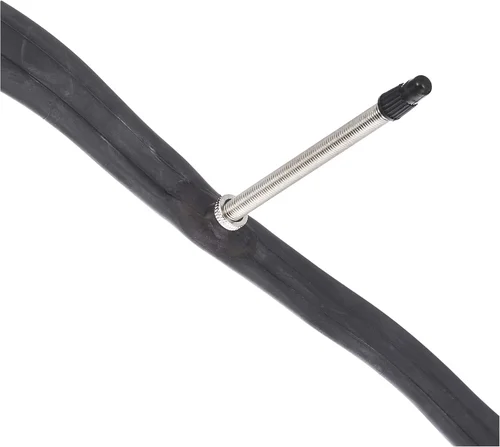
The valve is the gateway between your pump and the inner tube, and choosing the right type and length is crucial for both functionality and convenience. The two most common valve types are Schrader (also known as American valves) and Presta (French valves). Schrader valves are thicker and resemble car tire valves, while Presta valves are narrower and often found on higher-end or performance-oriented bikes.
Most ebikes, especially commuter and fat-tire models, use Schrader valves due to their durability and compatibility with standard pumps. However, some road-style or lightweight e-bikes may use Presta valves. Using the wrong valve type means you won’t be able to inflate your tire without an adapter—and even then, it’s not ideal.
Valve length is equally important. Ebike rims, particularly on fat bikes or those with deep-section wheels, often require longer valves to reach through the rim and allow easy access for pumping. A standard 32mm Presta valve might not be sufficient for a 29er with a deep rim. Look for tubes with extended valves (48mm, 60mm, or even 80mm) if your rim depth exceeds 25mm. Some manufacturers offer adjustable or removable valve cores, which can be helpful for fine-tuning air pressure or replacing damaged valves.
3. Material and Thickness
The material and thickness of an inner tube directly impact its durability, weight, and resistance to punctures. Most tubes are made from butyl rubber, a synthetic compound known for its excellent air retention, flexibility, and affordability. However, not all butyl is created equal. High-quality tubes use premium butyl with consistent thickness, while cheaper alternatives may have weak spots or degrade faster under heat and UV exposure.
Tube thickness is typically measured in millimeters and ranges from ultra-lightweight (0.65mm) to heavy-duty (1.0mm or more). Standard bicycle tubes often range from 0.8mm to 0.9mm, but ebike-specific tubes frequently feature thicker walls (1.0mm to 1.2mm) to withstand the added weight, speed, and stress of electric motors.
Thicker tubes are more resistant to pinch flats (caused by hitting a pothole or curb with underinflated tires) and abrasion from debris. They also hold air longer and are less prone to blowouts under high pressure. However, they are slightly heavier and may reduce ride comfort due to reduced elasticity. For most ebike riders—especially those carrying cargo or riding on rough terrain—a 1.0mm or 1.1mm tube offers the best balance of protection and performance.
Some premium tubes also incorporate additives like silica or carbon black to improve heat resistance and longevity. These are particularly beneficial for riders in hot climates or those who frequently ride at high speeds, where internal temperatures can rise significantly.
4. Puncture Resistance Features
While no inner tube is completely puncture-proof, many modern ebike tubes include features designed to reduce the risk of flats. These enhancements can make a significant difference, especially for riders who frequently encounter sharp debris, thorns, or urban hazards like broken glass.
One common feature is a protective layer or coating applied to the inner surface of the tube. For example, some tubes include a thin film of sealant that automatically plugs small punctures as they occur. While not as robust as full tubeless setups, these self-sealing tubes can save you from being stranded on the side of the road.
Another innovation is the use of reinforced sidewalls or double-layer construction in high-stress areas. These tubes are thicker around the valve stem and bead seat, where stress concentration is highest during inflation and riding. They’re especially useful for riders who frequently bottom out their tires or ride on rocky terrain.
Additionally, some manufacturers offer tubes with anti-aging additives that prevent the rubber from cracking or drying out over time. This is particularly important for ebikes that may sit unused for weeks or months, as UV exposure and temperature fluctuations can degrade standard rubber.
While puncture-resistant tubes may cost slightly more, the peace of mind and reduced maintenance they provide are often worth the investment—especially for long-distance commuters or adventure riders.
5. Weight and Rolling Resistance
Although inner tubes are relatively small components, their weight and design can influence overall bike performance, particularly in terms of rolling resistance and acceleration. Lighter tubes require less energy to spin, which can improve efficiency—especially important for riders who rely on pedal assist or want to maximize battery range.
However, with ebikes, the trade-off between weight and durability is more pronounced. A super-light 0.65mm tube might save a few grams, but it’s far more likely to fail under the 60–80+ pound load of a typical e-bike plus rider. In most cases, the marginal gain in efficiency isn’t worth the increased risk of flats or blowouts.
That said, some manufacturers have developed “performance” ebike tubes that strike a balance—using high-grade butyl and optimized thickness (around 0.9mm) to reduce weight without sacrificing strength. These are ideal for riders who want a responsive ride without compromising reliability.
Rolling resistance is also affected by how well the tube conforms to the tire. A properly sized, high-quality tube will seat evenly inside the tire, minimizing friction and ensuring smooth rotation. Poorly fitting or low-quality tubes can cause uneven pressure distribution, leading to increased drag and a rougher ride.
6. Brand Reputation and Quality Control
Not all inner tubes are created equal, and brand reputation plays a significant role in determining quality. Established brands like Schwalbe, Continental, Slime, and Kenda have decades of experience in tire and tube manufacturing, with rigorous quality control processes that ensure consistency and reliability.
These brands often invest in research and development to create tubes specifically for electric bikes, incorporating features like reinforced construction, high-flow valves, and extended warranties. In contrast, generic or no-name tubes from unknown manufacturers may use inferior materials, inconsistent thickness, or poor sealing around the valve stem—leading to leaks, premature failure, or difficulty inflating.
Reading customer reviews and checking for certifications (such as ISO standards) can help you assess a brand’s credibility. Look for feedback from other ebike riders, especially those with similar tire sizes and riding conditions. A tube that works well for a lightweight road e-bike may not be suitable for a heavy-duty cargo bike.
Additionally, reputable brands often provide detailed product specifications, including exact dimensions, pressure ratings, and recommended use cases. This transparency makes it easier to choose the right tube for your needs and reduces the risk of compatibility issues.
7. Warranty and Customer Support
While inner tubes are consumable items, a good warranty can provide peace of mind and protect your investment. Some premium brands offer limited warranties against manufacturing defects, such as faulty valve stems or uneven thickness. These warranties typically cover replacement within a certain period (e.g., 1–2 years) if the tube fails under normal use.
Customer support is another important consideration. If you encounter an issue—such as a defective tube or difficulty with installation—responsive and knowledgeable support can make all the difference. Brands with strong customer service often provide installation guides, troubleshooting tips, and even video tutorials to help riders get the most out of their products.
When evaluating warranty terms, pay attention to exclusions. Many warranties do not cover punctures, pinch flats, or damage caused by improper installation or use with incompatible tires. However, they may cover defects like air leaks from the valve or seam failures.
For riders who frequently replace tubes or live in areas with harsh riding conditions, choosing a brand with a solid warranty and support system can save time, money, and frustration in the long run.
8. Environmental Impact and Sustainability
As awareness of environmental issues grows, more riders are considering the sustainability of their bike components—including inner tubes. Traditional butyl rubber is derived from petroleum and is not biodegradable, meaning discarded tubes can contribute to landfill waste.
However, some manufacturers are taking steps to reduce their environmental footprint. For example, certain brands use recycled materials in their packaging or offer take-back programs for used tubes. Others are experimenting with bio-based rubber alternatives, though these are not yet widely available for ebike tubes.Additionally, choosing durable, long-lasting tubes reduces the frequency of replacements, which in turn minimizes waste. Investing in high-quality tubes that resist punctures and degradation means you’ll go through fewer units over time, benefiting both your wallet and the planet.
Proper disposal is also important. Some recycling centers accept rubber products, and a few specialized programs exist for bike tubes. Alternatively, creative riders repurpose old tubes for DIY projects like straps, tool rolls, or even garden ties.
Different Types of Ebike Inner Tubes

Common Buying Mistakes to Avoid
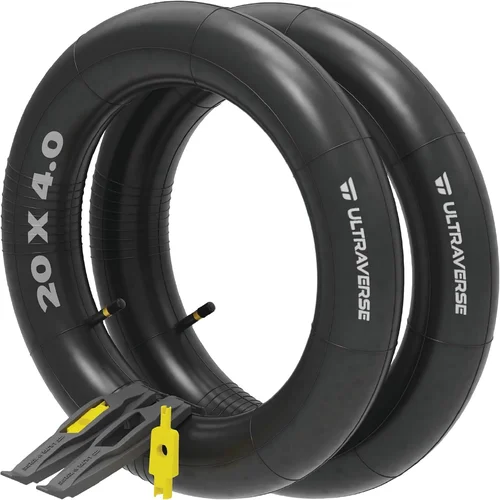
❌ Mistake: Buying Generic Bicycle Tubes for Ebikes
Why it’s bad: Standard bicycle tubes are not designed to handle the weight, speed, and torque of electric bikes. Using them increases the risk of pinch flats, blowouts, and premature wear, especially under heavy loads or high pressure.
What to do instead: Always choose tubes specifically labeled for ebikes or heavy-duty use. Look for reinforced construction, thicker walls, and compatibility with your tire size and valve type.
❌ Mistake: Ignoring Valve Length
Why it’s bad: A valve that’s too short makes inflation difficult or impossible, especially on deep-rim wheels. You may need to use extensions or adapters, which can leak or fail under pressure.
What to do instead: Measure your rim depth and choose a tube with a valve long enough to extend at least 10mm beyond the rim. For deep rims (30mm+), opt for 60mm or 80mm valves.
❌ Mistake: Overlooking Tire Width Compatibility
Why it’s bad: A tube that’s too narrow will stretch excessively, increasing the risk of failure. One that’s too wide may fold or wrinkle inside the tire, creating weak spots and air leaks.
What to do instead: Match the tube’s width range to your tire’s exact measurement. When in doubt, choose a tube with a slightly wider range but avoid extreme mismatches.
❌ Mistake: Choosing the Cheapest Option Without Considering Quality
Why it’s bad: Low-cost tubes often use inferior materials, inconsistent thickness, or poor sealing, leading to frequent flats, air leaks, and frustration.
What to do instead: Invest in reputable brands with good reviews. The extra cost is usually justified by longer lifespan and better performance.
❌ Mistake: Not Carrying a Spare or Repair Kit
Why it’s bad: Even the best tubes can fail unexpectedly. Being unprepared can leave you stranded, especially on long rides or remote trails.
What to do instead: Always carry a spare tube, tire levers, and a portable pump or CO2 inflator. Consider a patch kit for emergency repairs.
❌ Mistake: Installing Tubes Incorrectly
Why it’s bad: Pinching the tube during installation is a common cause of immediate flats. Overstretching or misaligning the tube can also lead to failure.
What to do instead: Inflate the tube slightly before inserting it into the tire. Ensure it’s evenly seated and not twisted. Use tire levers carefully to avoid pinching.
❌ Mistake: Neglecting Regular Maintenance
Why it’s bad: Dirt, debris, and moisture can degrade tubes over time. Failing to inspect and maintain them increases the risk of slow leaks or sudden failures.
What to do instead: Check tire pressure weekly, inspect for cuts or wear, and clean the inside of the tire during replacements. Store your bike in a cool, dry place.
Budget Guidelines: How Much Should You Spend?
When it comes to ebike inner tubes, price often reflects quality, durability, and specialized features. Here’s a breakdown of what to expect at different budget levels:
Entry-Level ($5–$10): These are basic butyl tubes, often generic or store-brand. They’re suitable for light use, such as occasional commuting or casual riding on smooth surfaces. However, they may lack durability, have inconsistent thickness, and are more prone to punctures. Best for riders on a tight budget or those who replace tubes frequently.
Mid-Range ($12–$20): This is the sweet spot for most ebike riders. Tubes in this range offer better materials, consistent quality, and often include features like reinforced sidewalls or extended valves. Brands like Kenda, Slime, and generic ebike-specific models fall here. They provide excellent value and reliability for daily use.
Premium ($20–$30): Designed for enthusiasts and professionals, these tubes use high-grade butyl, advanced puncture protection, and precision manufacturing. Examples include Schwalbe’s SmartGuard or Continental’s Race 28 tubes adapted for e-bikes. They’re ideal for long-distance touring, mountain biking, or riders who demand maximum performance and peace of mind.
Luxury ($30+): At the top end, you’ll find specialized tubes with cutting-edge technology—such as integrated sealant, ultra-lightweight construction, or custom valve systems. These are typically used by competitive riders or those with high-end e-bikes. While not necessary for most, they offer the ultimate in reliability and performance.
Expert Tips for Getting the Best Deal
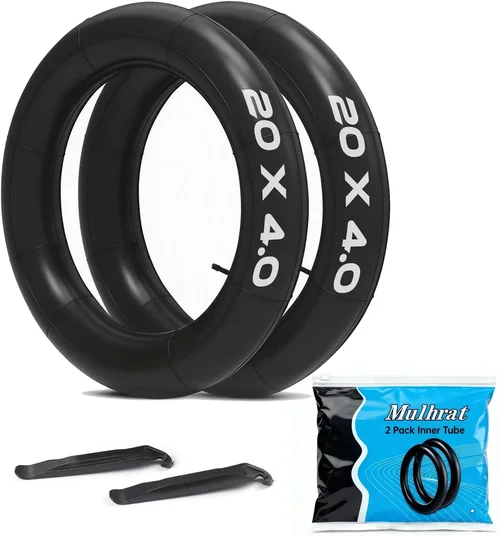
- Buy in Bulk: If you ride regularly, consider purchasing a pack of 2–4 tubes. Many retailers offer discounts for multi-packs, and having spares on hand saves time and hassle.
- Shop During Sales: Look for deals during off-season periods (late fall or winter) or major shopping events like Black Friday. Online retailers often run promotions on bike accessories.
- Check Online Retailers: Websites like Amazon, REI, and specialized ebike shops frequently offer competitive pricing and customer reviews. Compare prices across platforms to find the best deal.
- Read Reviews from Real Riders: Focus on feedback from other ebike users, especially those with similar tire sizes and riding styles. Look for comments about durability, ease of installation, and puncture resistance.
- Consider Bundle Deals: Some brands sell tube and tire combos or include free tire levers and patches. These can offer better value than buying components separately.
- Test Before Committing: If possible, try a single tube first to ensure compatibility and performance. Once you find a brand and model you like, stock up.
- Check Return Policies: Ensure the retailer allows returns or exchanges in case of defects or compatibility issues. This is especially important when ordering online.
- Maintain Proper Pressure: Keeping your tires inflated to the recommended PSI reduces stress on the tube and extends its lifespan. Use a reliable gauge and check pressure weekly.

Frequently Asked Questions
Q: Can I use a regular bicycle inner tube on my ebike?
A: Technically, yes—but it’s not recommended. Regular tubes are thinner and less durable, making them more prone to failure under the weight and stress of an electric bike. For safety and longevity, choose a tube designed for ebikes or heavy-duty use.
Q: How often should I replace my ebike inner tubes?
A: There’s no fixed timeline, but inspect your tubes during every tire change or if you notice slow leaks. Replace them if you see cracks, bulges, or frequent flats. As a rule of thumb, consider replacing tubes every 1–2 years with regular use.
Q: Are self-sealing tubes worth it?
A: Yes, especially for commuters or riders in areas with debris. They can seal punctures up to 1/8 inch in diameter, reducing the need for immediate repairs. However, they’re heavier and more expensive than standard tubes.
Q: What’s the difference between Schrader and Presta valves?
A: Schrader valves are thicker and more durable, commonly used on ebikes. Presta valves are narrower and lighter, often found on performance bikes. Make sure your pump is compatible with your valve type.
Q: Can I patch an ebike inner tube?
A: Yes, most tubes can be patched using a standard repair kit. However, if the damage is near the valve or the tube is old and brittle, replacement is safer.
Q: Do I need a special pump for ebike tubes?
A: Not necessarily, but a high-pressure pump (capable of 60+ PSI) is helpful, especially for fat tires. Portable pumps with pressure gauges are ideal for on-the-go adjustments.
Q: How do I know if my tube is the right size?
A: Check the tire sidewall for the size marking (e.g., 26 x 2.10). Choose a tube that matches or closely fits within the specified range. Avoid extreme mismatches.
Q: Can I use a tube from a different brand than my tire?
A: Yes, as long as the size and valve type are compatible. Tubes are universal within their specifications, so brand matching isn’t required.
Q: Why does my tube keep going flat?
A: Common causes include punctures, pinch flats, valve leaks, or improper installation. Inspect the tire for debris, check the valve core, and ensure the tube isn’t pinched.
Q: Are tubeless setups better than inner tubes for ebikes?
A: Tubeless systems offer superior puncture resistance and lower rolling resistance, but they’re more complex to install and maintain. For most riders, high-quality inner tubes are a reliable and cost-effective choice.
Our Final Recommendations
Best for Budget-Conscious Buyers: Kenda Krusade 26” x 2.35” Heavy-Duty Tube – Affordable, durable, and widely compatible with popular ebike models. Offers excellent value for casual riders.
Best Overall Value: Slime Self-Sealing 26” x 1.95–2.35” Tube – Combines puncture protection, reliable construction, and a reasonable price. Ideal for daily commuters and weekend riders.
Best Premium Option: Schwalbe Aerothan 27.5” x 2.4” Tube – Lightweight, high-performance, and made with advanced materials. Perfect for performance-oriented e-mountain bikers.
Best for Beginners: Continental Eco 28” x 1.75–2.35” Tube – Easy to install, reliable, and compatible with a wide range of tires. Great for new ebike owners.
Best for Advanced Users: Vittoria Latex 700c x 23–28mm Tube – Ultra-lightweight and low rolling resistance, designed for speed and efficiency. Best for road-style e-bikes and competitive riders.
Conclusion: Making the Right Choice
Choosing the best ebike inner tube may seem like a small decision, but it has a big impact on your riding experience. From preventing flats to improving comfort and extending tire life, the right tube ensures your e-bike performs at its best. By considering factors like size compatibility, valve type, material quality, and puncture resistance, you can make a smart, informed choice that matches your riding style and needs.
Don’t let a preventable flat ruin your ride. Invest in quality tubes from reputable brands, carry spares, and perform regular maintenance. Whether you’re a daily commuter, an adventure seeker, or a weekend explorer, the right inner tube is a small component with a big payoff.
Take the time to assess your bike, your habits, and your priorities. Use this guide as your roadmap, and remember: the best tube isn’t always the cheapest or the most expensive—it’s the one that fits your ride perfectly. Ride safe, ride smart, and enjoy every mile.