
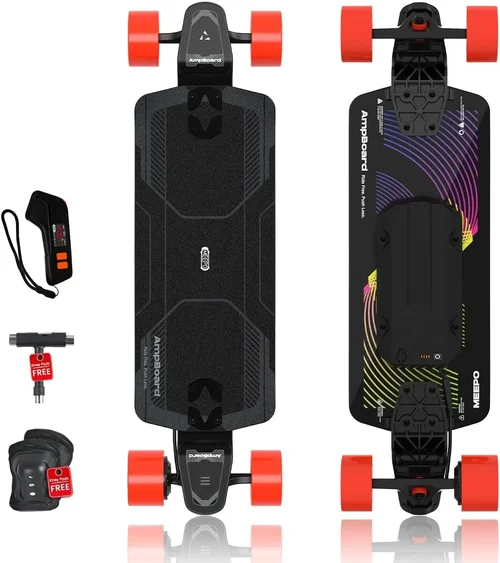
Electric skateboarding has evolved from a niche hobby into a mainstream mode of personal transportation, blending the thrill of traditional skateboarding with the convenience and power of electric propulsion. Whether you’re commuting across town, cruising through campus, or simply enjoying weekend rides, electric skateboards offer an eco-friendly, fun, and efficient way to get around. With advancements in battery technology, motor efficiency, and deck design, today’s electric skateboards are more capable than ever—offering impressive speed, range, and durability. However, with so many models on the market, choosing the right one can feel overwhelming. That’s where this guide comes in.
This comprehensive buying guide is designed to help you navigate the crowded electric skateboard market with confidence. Whether you’re a first-time buyer or upgrading from an older model, you’ll learn how to evaluate key factors like performance, build quality, safety features, and value for money. We’ll break down the different types of electric skateboards, highlight common pitfalls to avoid, and provide expert tips to ensure you make a smart, informed decision. By the end of this guide, you’ll have a clear understanding of what to look for and which models stand out in 2026.
The electric skateboard market continues to grow rapidly, with brands like Gotrax, Boosted, Meepo, Exway, and Backfire leading the charge. These companies are pushing innovation in areas like regenerative braking, app connectivity, waterproofing, and modular designs. At the same time, prices have become more accessible, making electric skateboards a realistic option for students, commuters, and urban explorers alike. This guide focuses on the best-rated models across various categories, ensuring you get the most up-to-date and reliable information to match your needs and budget.

What to Look for When Buying Electric Skateboards
1. Budget & Price Range
Your budget is the foundation of your buying decision. Electric skateboards range from under $300 for entry-level models to over $2,000 for high-performance, premium boards. Setting a realistic budget helps narrow your options and prevents overspending on features you may not need. For most casual riders, a board between $400 and $800 offers the best balance of performance, durability, and value. However, if you’re planning to use your board for daily commuting or long-distance travel, investing in a mid-to-high-tier model with better range and build quality is wise.
When evaluating price, consider the total cost of ownership. This includes not just the initial purchase, but also potential maintenance, replacement parts (like wheels or batteries), and accessories such as helmets, lights, or carrying bags. Some brands offer bundled packages that include these extras, which can save money in the long run. Always compare what’s included in the box—cheaper boards may skimp on chargers, remotes, or safety gear.
2. Performance Specifications
Performance is where electric skateboards truly differentiate themselves. Key specs to examine include top speed, range, motor power, and hill-climbing ability. Most consumer boards reach speeds between 15 and 25 mph, with high-end models hitting 30+ mph. While speed is exciting, it’s important to match it to your skill level and local regulations—many cities limit electric vehicle speeds on sidewalks or bike lanes.
Range is equally critical. Look for boards with a range of at least 10–15 miles per charge for casual use, and 20+ miles if you plan to commute. Battery capacity (measured in watt-hours or Wh) directly impacts range. Lithium-ion batteries are standard, but newer models are adopting more efficient lithium polymer (LiPo) or solid-state batteries for longer life and faster charging. Motor power, typically listed in watts (W), determines acceleration and hill performance. Dual-motor setups (e.g., 2x 500W) provide better torque and stability, especially on inclines.
Hill-climbing ability is often overlooked but essential if you live in a hilly area. A board should comfortably handle 15–20% gradients. Check manufacturer specs or user reviews for real-world performance on slopes. Also, consider acceleration and braking responsiveness—smooth, predictable control is safer and more enjoyable than jerky, unpredictable power delivery.
3. Build Quality & Durability
A well-built skateboard lasts longer and performs better under stress. Look for decks made from high-quality materials like Canadian maple, bamboo, or composite blends. These offer flexibility, strength, and shock absorption. Avoid cheap plastic or thin wood decks that can crack or warp over time. The trucks (the metal T-shaped components that connect wheels to the deck) should be made of durable aluminum alloy and allow for smooth turning without wobbling at high speeds.
Wheels matter too. Larger wheels (90mm–105mm) provide a smoother ride over cracks and bumps, while smaller wheels offer better acceleration and portability. Urethane wheels with a durometer rating of 78A–86A strike a good balance between grip and durability. Check for water resistance ratings—IP54 or higher means the board can handle light rain and splashes, which is crucial for real-world use.
Pay attention to the enclosure protecting the battery and electronics. A sealed, impact-resistant case prevents damage from drops, moisture, and debris. Boards with removable batteries offer added convenience for charging and replacement, though they may be slightly heavier.
4. Features & Functionality
Modern electric skateboards come packed with features that enhance safety, convenience, and ride quality. One of the most important is regenerative braking, which recovers energy during deceleration and extends battery life. This feature is common in mid-to-high-end models and contributes to smoother, more controlled stops.
App connectivity is another valuable addition. Many brands offer companion apps that let you monitor battery life, track speed and distance, adjust ride modes (eco, sport, expert), and even lock the board remotely. Some apps include GPS tracking, ride analytics, and firmware updates. While not essential, these tools can improve your experience and help maintain your board.
Other features to consider include LED lights (front and rear for visibility), customizable ride modes, cruise control, and Bluetooth-enabled remotes with ergonomic designs. Some boards also offer modular designs, allowing you to swap out batteries, decks, or motors for customization. While flashy features can be tempting, prioritize those that align with your usage—commuters may value lights and app tracking, while performance riders might prefer customizable power settings.
5. Brand Reputation
Choosing a reputable brand ensures better customer support, reliable performance, and access to spare parts. Established companies like Gotrax, Meepo, Exway, and Backfire have built strong track records for quality and innovation. They often invest in R&D, offer comprehensive warranties, and maintain active customer service teams.
Research brand reputation by reading user reviews on platforms like Reddit, YouTube, and specialized forums such as ElectricSkateboard.reviews. Look for patterns in feedback—consistent praise for durability or complaints about battery life can be telling. Brands with a history of responsive customer service and transparent policies are more likely to stand behind their products.
Avoid unknown or no-name brands that offer suspiciously low prices. These may cut corners on safety, use counterfeit components, or disappear after a few sales. While new brands can offer great value, proceed with caution and verify their credibility through third-party reviews and return policies.
6. Warranty & Support
A solid warranty is a strong indicator of a manufacturer’s confidence in their product. Most reputable brands offer at least a 6-month to 1-year warranty covering defects in materials and workmanship. Premium brands may extend this to 18 months or 2 years. Check what the warranty includes—does it cover the battery, motor, remote, and deck? Some warranties exclude wear-and-tear items like wheels and grip tape, which is standard.
Customer support is just as important. Can you easily contact the company via email, phone, or live chat? Do they offer repair services or replacement parts? Brands with local service centers or authorized repair shops make maintenance easier. Read the fine print on return policies—some companies require you to pay return shipping, while others offer prepaid labels.
If you’re buying online, ensure the retailer honors the manufacturer’s warranty. Avoid third-party sellers on marketplaces unless they’re authorized dealers. A good warranty and support system can save you hundreds in repair costs and give you peace of mind.
7. Size & Portability
Portability matters if you plan to carry your board on public transit, into buildings, or store it in tight spaces. Consider the board’s length, weight, and whether it has a carrying handle or foldable design. Most electric skateboards weigh between 12 and 20 pounds—lighter boards (under 15 lbs) are easier to carry but may sacrifice stability or battery capacity.
Deck length affects ride comfort and maneuverability. Shorter boards (under 30 inches) are more agile and portable, ideal for quick commutes or crowded areas. Longer boards (36+ inches) offer better stability at high speeds and more foot space, making them great for cruising or long rides. Some models feature drop-through decks, which lower the center of gravity and improve control.
Check if the board fits in a backpack or has a built-in handle. A few brands offer compact, foldable designs, though these are still rare and often come at a premium. If you’re commuting, measure your storage space at work or school to ensure the board fits comfortably.
8. User Reviews & Ratings
User reviews provide real-world insights that specs alone can’t offer. Look for detailed reviews on Amazon, YouTube, and skateboarding forums. Pay attention to feedback on battery life, build quality, customer service, and reliability over time. A board with hundreds of 4.5-star reviews is generally more trustworthy than one with only a handful of glowing testimonials.
Watch video reviews to see the board in action—how it handles turns, accelerates, and brakes. Look for long-term reviews (6+ months) to assess durability. Be cautious of fake reviews—overly generic praise or repetitive phrasing can be red flags. Instead, focus on reviews that mention specific pros and cons, such as “great range but heavy to carry” or “smooth ride but remote disconnects occasionally.”
Ratings from independent testing sites or tech reviewers add another layer of credibility. Sites like Wirecutter, TechRadar, and ElectricSkateboard.reviews often conduct rigorous testing and comparisons, helping you identify the best options in each category.
Different Types of Electric Skateboards

Common Buying Mistakes to Avoid
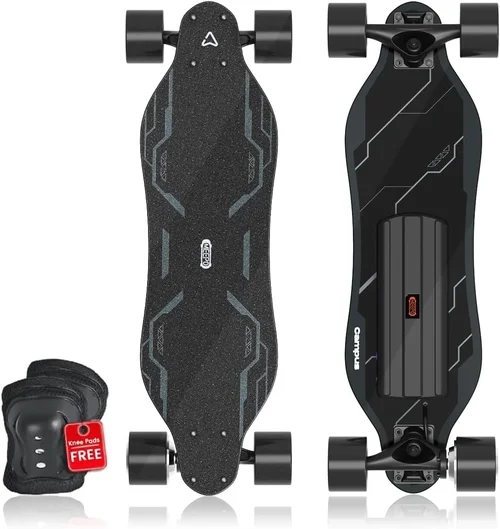
❌ Mistake: Prioritizing Speed Over Safety
Why it’s bad: High-speed boards can be dangerous for inexperienced riders, especially in urban environments with pedestrians, traffic, and uneven surfaces. Overconfidence in speed without proper control skills increases the risk of accidents.
What to do instead: Choose a board with adjustable speed modes. Start in eco or beginner mode to build confidence, then gradually increase speed as you improve. Always wear a helmet and protective gear, and practice in safe, open areas.
❌ Mistake: Ignoring Battery Life and Charging Time
Why it’s bad: A board with poor battery life may leave you stranded mid-commute. Long charging times (over 3 hours) can be inconvenient if you need to recharge during the day.
What to do instead: Look for boards with fast-charging capabilities (under 2 hours) and removable batteries if possible. Check real-world range tests—manufacturer claims are often optimistic. Consider carrying a spare battery for long trips.
❌ Mistake: Buying Based on Price Alone
Why it’s bad: The cheapest board isn’t always the best value. Low-cost models may use inferior components, lack safety features, or fail prematurely, leading to higher long-term costs.
What to do instead: Evaluate the total cost of ownership, including durability, warranty, and performance. A slightly more expensive board with better build quality and support can save money over time.
❌ Mistake: Overlooking Local Laws and Regulations
Why it’s bad: Electric skateboards are illegal or restricted in some cities and countries. Riding where prohibited can result in fines, confiscation, or legal trouble.
What to do instead: Research local laws before buying. Check speed limits, where you can ride (bike lanes, sidewalks, roads), and whether helmets or lights are required. Some areas require registration or insurance.
❌ Mistake: Skipping the Test Ride
Why it’s bad: Every board feels different underfoot. A model that looks great on paper might be uncomfortable or hard to control in real life.
What to do instead: If possible, test ride before buying. Visit local skate shops, attend demo events, or buy from retailers with generous return policies. At minimum, watch detailed video reviews to assess ride feel.
❌ Mistake: Neglecting Maintenance
Why it’s bad: Electric skateboards require regular upkeep—cleaning, tightening bolts, checking tire pressure, and updating firmware. Neglect can lead to performance issues or safety hazards.
What to do instead: Follow the manufacturer’s maintenance schedule. Keep a basic toolkit handy and clean your board after wet or dirty rides. Join online communities for tips and troubleshooting.
❌ Mistake: Choosing the Wrong Size or Weight
Why it’s bad: A board that’s too heavy or long can be difficult to carry and store. Conversely, a board that’s too small may feel unstable at speed.
What to do instead: Match the board’s size and weight to your body type and usage. Taller riders may prefer longer decks, while commuters should prioritize lightweight, portable designs.
Budget Guidelines: How Much Should You Spend?
Entry-Level ($250–$400): These boards are ideal for beginners or casual riders. Expect modest speeds (12–18 mph), limited range (6–10 miles), and basic features. Build quality may be adequate but not exceptional. Brands like Gotrax and Swagtron offer reliable options in this range. Great for learning, short commutes, or weekend fun.
Mid-Range ($400–$800): This is the sweet spot for most buyers. Boards in this tier offer better motors, longer range (12–20 miles), improved durability, and useful features like app connectivity and regenerative braking. Models from Meepo, Backfire, and Exway dominate this category. Perfect for daily commuting and regular use.
Premium ($800–$1,500): Designed for enthusiasts and serious commuters, these boards deliver high performance, dual motors, advanced electronics, and superior build quality. Expect speeds up to 28 mph, ranges over 20 miles, and excellent hill-climbing ability. Ideal for long-distance travel, hilly areas, and riders who value reliability and innovation.
Luxury ($1,500+): The top tier includes cutting-edge technology, premium materials, and customizable options. These boards often feature modular designs, app-based ride analytics, GPS tracking, and ultra-fast charging. Brands like Boosted (legacy models), Evolve, and WowGo offer flagship models. Best for tech lovers, collectors, and professionals who want the best.
Expert Tips for Getting the Best Deal
- Shop During Sales Events: Look for discounts during Black Friday, Cyber Monday, Amazon Prime Day, and back-to-school seasons. Many brands offer 15–30% off or bundle deals with accessories.
- Buy Direct from Manufacturers: Purchasing from the brand’s official website often includes exclusive discounts, extended warranties, and free shipping. You also avoid third-party markups.
- Check for Refurbished or Open-Box Deals: Certified refurbished boards from reputable sellers can save you 20–40% and often come with warranties. These are tested and restored to like-new condition.
- Compare Return Policies: Choose retailers with at least a 14-day return window and free return shipping. This gives you time to test the board and ensure it meets your expectations.
- Join Mailing Lists for Early Access: Sign up for newsletters from brands like Gotrax, Meepo, and Exway. They often send exclusive promo codes and early access to new products.
- Use Price Tracking Tools: Websites like Honey, CamelCamelCamel, or Keepa can alert you when prices drop on specific models.
- Consider Financing Options: Some brands offer payment plans (e.g., Klarna, Affirm) that let you spread the cost over several months with no interest.
- Read the Fine Print on Warranties: Ensure the warranty covers the battery and motor, not just the deck. Some brands require registration within 30 days to activate coverage.

Frequently Asked Questions
Q: How long do electric skateboard batteries last?
A: Most lithium-ion batteries last 300–500 charge cycles before capacity drops to 80%. With proper care, this translates to 2–4 years of regular use. Avoid fully draining the battery and store it at 50% charge if not used for long periods.
Q: Are electric skateboards safe?
A: When used responsibly, electric skateboards are safe. Always wear a helmet, knee and elbow pads, and ride in designated areas. Avoid wet or uneven surfaces, and never exceed your skill level. Regular maintenance also reduces the risk of mechanical failure.
Q: Can I ride an electric skateboard in the rain?
A: It depends on the IP rating. Boards with IP54 or higher can handle light rain and splashes, but avoid submerging them or riding through deep puddles. Water damage is often not covered by warranty.
Q: How fast do electric skateboards go?
A: Speeds range from 12 mph for beginner boards to over 30 mph for high-performance models. Most commuter boards cap out at 18–22 mph, which is sufficient for urban travel.
Q: Do I need a license to ride an electric skateboard?
A: In most places, no license is required, but local laws vary. Some cities classify them as motorized vehicles and require registration, helmets, or restrict where you can ride. Always check local regulations.
Q: Can I take my electric skateboard on a plane?
A: Most airlines prohibit lithium batteries over 100Wh in checked luggage. Boards with removable batteries under this limit may be allowed in carry-on, but policies vary. Check with your airline before traveling.
Q: How do I maintain my electric skateboard?
A: Clean the deck and wheels regularly, tighten loose bolts, check tire pressure (for pneumatic wheels), and update firmware via the app. Store in a dry, cool place and avoid extreme temperatures.
Q: What’s the difference between hub motors and belt motors?
A: Hub motors are built into the wheels, offering quiet, low-maintenance operation but less torque. Belt motors use a belt-and-pulley system, delivering more power and better hill-climbing, but require occasional belt replacement.
Q: Can I upgrade my electric skateboard?
A: Some brands offer modular upgrades like higher-capacity batteries, different decks, or performance motors. Check compatibility and warranty terms before modifying your board.
Q: What should I do if my board stops working?
A: First, check the battery, remote connection, and firmware. If the issue persists, contact customer support. Most reputable brands offer troubleshooting guides and repair services.
Our Final Recommendations
Best for Budget-Conscious Buyers: Gotrax GXL V2 – At under $400, this board offers solid performance, a 12-mile range, and reliable build quality. Great for beginners and short commutes.
Best Overall Value: Meepo V3 – Priced around $550, it delivers dual motors, 20-mile range, app connectivity, and excellent hill-climbing. A favorite among commuters and enthusiasts.
Best Premium Option: Exway Atlas Pro – With a top speed of 28 mph, 25-mile range, and advanced app features, this board is perfect for performance seekers who want reliability and innovation.
Best for Beginners: Backfire G2 Black – Easy to control, stable, and affordable at $350. Includes safety features like regenerative braking and a beginner-friendly remote.
Best for Advanced Users: WowGo X1 Pro – A high-performance beast with dual 1200W motors, 30 mph top speed, and all-terrain capability. Ideal for experienced riders who demand power and versatility.
Conclusion: Making the Right Choice
Choosing the best electric skateboard in 2026 comes down to understanding your needs, budget, and riding environment. Whether you’re commuting to work, exploring your city, or pushing the limits of speed and performance, there’s a board out there that fits your lifestyle. By focusing on key factors like build quality, performance, safety, and support, you can avoid common pitfalls and invest in a board that will deliver years of reliable service.
Remember, the most expensive board isn’t always the best—value lies in matching features to your actual use. Take advantage of sales, read real user reviews, and don’t skip the test ride if possible. And most importantly, prioritize safety by wearing protective gear and riding responsibly.
Electric skateboarding is more than just a trend—it’s a sustainable, exciting way to move through the world. With the right board, you’ll enjoy the freedom of the open road, the thrill of acceleration, and the convenience of personal electric transport. So gear up, charge up, and hit the pavement with confidence.