
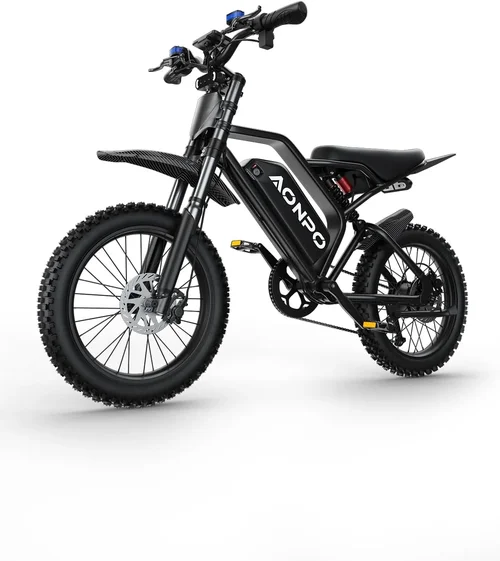
Electric dirt bikes for adults have surged in popularity over the past few years, and it’s easy to see why. They combine the thrill of off-road riding with the quiet efficiency of electric power, making them ideal for trail exploration, backyard fun, or even daily commuting on rugged terrain. Unlike traditional gas-powered dirt bikes, electric models produce zero emissions, require minimal maintenance, and operate almost silently—perfect for riders who value both performance and environmental responsibility. Whether you’re a weekend warrior, a seasoned off-road enthusiast, or someone just dipping their toes into the world of motocross, there’s an electric dirt bike out there designed with your needs in mind.
This comprehensive buying guide is here to help you cut through the noise and make a confident, informed decision. With so many options flooding the market—from budget-friendly entry-level models to high-performance machines capable of tackling steep hills and long trails—it’s more important than ever to understand what truly matters when choosing the right electric dirt bike. We’ll walk you through every critical factor, from motor power and battery life to build quality and safety features, so you can find a bike that matches your riding style, terrain, and budget. By the end of this guide, you’ll not only know what to look for but also how to avoid common pitfalls and get the best possible value for your investment.
The electric dirt bike market has evolved rapidly, with manufacturers pushing the boundaries of technology to deliver faster, lighter, and more capable machines. In 2026, we’re seeing innovations like regenerative braking, smart connectivity via mobile apps, and advanced suspension systems that were once reserved for premium gas models. At the same time, prices have become more accessible, opening up the sport to a wider audience. Whether you’re looking for a rugged commuter, a trail-exploring adventure bike, or a high-speed machine for competitive riding, this guide will equip you with the knowledge to choose wisely. Let’s dive in and explore everything you need to know before buying your next electric dirt bike.
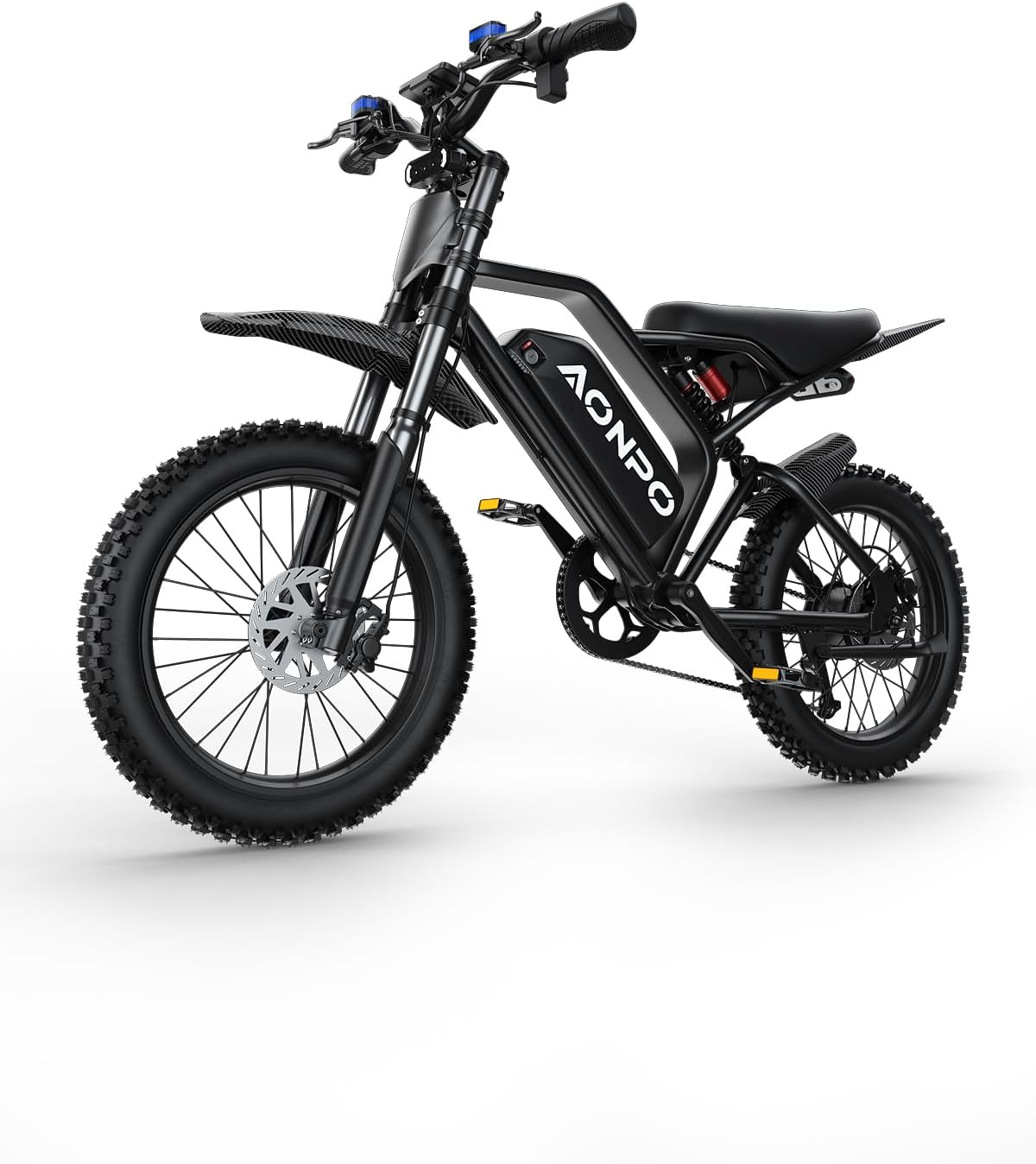
What to Look for When Buying an Electric Dirt Bike
1. Motor Power and Performance
The motor is the heart of any electric dirt bike, and its power output directly affects acceleration, top speed, and hill-climbing ability. Most adult electric dirt bikes feature brushless DC motors ranging from 500W to 3000W or more. A 500W–1000W motor is suitable for casual trail riding and light off-road use, while 1500W–2000W models offer enough punch for moderate jumps and steeper inclines. For serious off-roading or competitive riding, look for bikes with 2500W+ motors that can deliver instant torque and sustained power.
When evaluating motor specs, pay attention to both peak and continuous power ratings. Peak power indicates short bursts of maximum output (great for quick acceleration), while continuous power reflects how much the motor can sustain over time without overheating. Also consider the motor’s placement—hub motors (in the wheel) are simpler and cheaper but may lack responsiveness, while mid-drive motors (mounted near the pedals or frame) offer better weight distribution and efficiency, especially on technical terrain.
2. Battery Capacity and Range
Battery technology is arguably the most critical component of an electric dirt bike, as it determines how far and how long you can ride on a single charge. Most modern e-dirt bikes use lithium-ion (Li-ion) batteries, which offer high energy density, long cycle life, and low self-discharge. Battery capacity is measured in watt-hours (Wh), and higher Wh means longer range. For example, a 48V 15Ah battery delivers 720Wh of energy.
Range varies widely based on terrain, rider weight, speed, and riding style. A typical adult electric dirt bike with a 720Wh battery might offer 20–40 miles of range on flat trails, but that could drop to 10–15 miles on hilly or rocky terrain. If you plan to ride long distances or explore remote trails, prioritize bikes with removable or swappable batteries so you can carry a spare. Also check charging time—most batteries take 4–8 hours to fully recharge, though some fast-charging models can reach 80% in under 2 hours.
Another factor is battery management systems (BMS). A quality BMS protects against overcharging, overheating, and deep discharge, extending battery life and ensuring safety. Always verify that the bike includes a reputable BMS and comes with a certified charger.
3. Build Quality and Durability
Off-road riding puts immense stress on a bike’s frame, suspension, and components. A poorly built bike may save you money upfront but could lead to costly repairs or even accidents down the line. Look for frames made from high-strength aluminum alloy or chromoly steel—these materials offer an excellent balance of strength, weight, and corrosion resistance. Avoid bikes with flimsy plastic frames or thin-walled tubing, as they’re prone to cracking under impact.
Suspension is equally important. Quality front forks (like inverted or telescopic) and rear shocks absorb bumps and maintain traction, especially on uneven trails. Entry-level bikes may have basic spring suspension, while premium models feature adjustable air or coil shocks with rebound and compression damping. Check travel distance—most adult e-dirt bikes offer 6–10 inches of suspension travel, which is sufficient for moderate jumps and rough terrain.
Other durability indicators include sealed bearings, reinforced swingarms, and puncture-resistant tires. Knobby, tubeless tires with aggressive tread patterns provide better grip on dirt, mud, and gravel. Also inspect weld quality, bolt tightness, and overall fit-and-finish before purchasing.
4. Weight and Portability
Electric dirt bikes are inherently heavier than their gas counterparts due to the battery and motor. Adult models typically weigh between 80 and 150 pounds, which can make transportation and storage a challenge. If you plan to load your bike into a truck bed or carry it up stairs, consider a lighter model (under 100 lbs) or one with foldable handlebars and wheels.
However, don’t sacrifice performance for portability. A lighter bike may have a smaller battery or less robust frame, limiting range and durability. Some manufacturers offer modular designs where the battery can be removed to reduce weight during transport. Also check if the bike includes carrying handles or tie-down points for secure hauling.
For riders who need to commute or travel frequently, consider the bike’s dimensions when folded or disassembled. Compact models are easier to store in garages, apartments, or vehicle trunks.
5. Features and Functionality
Modern electric dirt bikes come packed with features that enhance safety, convenience, and ride quality. Key functionalities to look for include:
- Multiple riding modes: Eco, Normal, and Sport modes let you adjust power output and throttle response based on conditions.
- Regenerative braking: Recovers energy during braking to extend range—especially useful on downhill trails.
- LED lighting: Front and rear lights improve visibility during dawn, dusk, or night rides.
- Digital display: Shows speed, battery level, distance, and sometimes GPS or ride stats.
- Smart connectivity: Some bikes sync with smartphone apps for firmware updates, ride tracking, or anti-theft alerts.
- Kickstand and footpegs: Essential for stability when stopped or performing stunts.
While extra features are nice, avoid bikes that prioritize gimmicks over core performance. Focus on functionality that aligns with your riding habits—for example, if you ride at night, lighting is non-negotiable.
6. Brand Reputation and Reliability
Not all electric dirt bike brands are created equal. Established manufacturers like Sur Ron, Segway, and Cake have built strong reputations for quality, innovation, and customer support. These companies often invest in R&D, rigorous testing, and global service networks. In contrast, lesser-known or generic brands may offer lower prices but come with risks like inconsistent build quality, poor documentation, or lack of spare parts.
Research brand history, read user forums, and check third-party reviews on sites like YouTube, Reddit, or specialized e-bike communities. Look for brands that publish detailed technical specifications, offer transparent warranty policies, and respond promptly to customer inquiries. A reputable brand also typically provides clear manuals, video tutorials, and accessible customer service.
7. Warranty and Customer Support
A solid warranty is a strong indicator of a manufacturer’s confidence in their product. Most reputable electric dirt bike brands offer at least a 6–12 month warranty covering the motor, battery, and frame. Premium models may include 2-year comprehensive coverage. Pay close attention to what’s included—some warranties exclude batteries (which degrade over time) or damage from off-road use.
Customer support matters just as much. Can you easily reach a human representative? Is there a service center near you? Do they offer replacement parts and repair guides? Brands with strong support networks make maintenance and troubleshooting far less stressful. Also check return policies—many retailers allow 14–30 day returns if the bike doesn’t meet expectations.
Before buying, read the fine print and ask questions. A 12-month warranty sounds great, but if the company disappears after six months, it’s worthless.
8. User Reviews and Real-World Feedback
Spec sheets and marketing materials only tell part of the story. Real user reviews provide invaluable insights into how a bike performs in everyday conditions. Look for detailed reviews that cover ride quality, battery life, durability, and after-sales experience. Pay attention to recurring complaints—if multiple users report the same issue (e.g., weak suspension or poor waterproofing), it’s likely a design flaw.
Video reviews are especially helpful, as they show the bike in action—how it handles jumps, climbs hills, or navigates tight trails. Platforms like YouTube, specialized forums (e.g., Endless Sphere), and e-bike communities often feature long-term ownership reports that reveal reliability over time.
Don’t rely solely on star ratings. A 4.5-star average might hide critical flaws mentioned in the comments. Always read the most recent reviews, as manufacturers often update models to fix earlier issues.
Different Types of Electric Dirt Bikes

Common Buying Mistakes to Avoid
❌ Mistake: Focusing Only on Top Speed
Why it’s bad: While high top speed sounds exciting, it’s rarely the most important factor for off-road riding. Many fast bikes sacrifice range, handling, and durability to achieve speed. On technical trails, agility and torque matter far more than raw velocity.
What to do instead: Prioritize torque, suspension quality, and battery range. A bike that accelerates quickly and handles bumps well will be more enjoyable and safer than one that just goes fast in a straight line.
❌ Mistake: Ignoring Battery Realism
Why it’s bad: Manufacturers often advertise “up to 50 miles” of range, but these claims are based on ideal conditions—light rider, flat terrain, low speed. In reality, most riders get 30–50% less.
What to do instead: Use online range calculators or consult user reviews to estimate real-world range. Always plan for 20–30% less than advertised, and consider carrying a spare battery for long rides.
❌ Mistake: Overlooking Local Laws and Regulations
Why it’s bad: Some electric dirt bikes exceed legal speed or power limits for public roads or trails. Riding an illegal bike can result in fines, confiscation, or accidents due to unexpected performance.
What to do instead: Check your local regulations regarding e-bike classification, helmet laws, and where you can legally ride. Some states require registration or restrict off-road use to designated areas.
❌ Mistake: Buying Based on Price Alone
Why it’s bad: The cheapest bike often comes with hidden costs—poor build quality, short battery life, no warranty, or expensive repairs. You may end up replacing it within a year.
What to do instead: Set a realistic budget that includes long-term value. Spend a little more for a reliable brand with good support—it pays off in durability and peace of mind.
❌ Mistake: Skipping the Test Ride
Why it’s bad: Every bike handles differently. A model that looks great on paper might feel unstable, uncomfortable, or underpowered in real life.
What to do instead: Whenever possible, test ride before buying. Many dealers and expos offer demo days. If buying online, choose retailers with generous return policies.
❌ Mistake: Neglecting Maintenance Needs
Why it’s bad: Even electric bikes require regular upkeep—tire pressure checks, brake adjustments, chain lubrication, and battery care. Ignoring maintenance shortens lifespan and increases safety risks.
What to do instead: Learn basic maintenance or find a local shop that services e-bikes. Keep a toolkit and follow the manufacturer’s maintenance schedule.
❌ Mistake: Assuming All Bikes Are Waterproof
Why it’s bad: Most electric dirt bikes are water-resistant, not waterproof. Riding through deep puddles or heavy rain can damage electronics and void warranties.
What to do instead: Check the IP rating (e.g., IP65 means dust-tight and protected against water jets). Avoid submerging the bike, and dry it thoroughly after wet rides.
Budget Guidelines: How Much Should You Spend?
Entry-Level ($800–$1,500): These bikes are ideal for beginners or casual riders. Expect modest motor power (500W–1000W), basic suspension, and limited range (15–25 miles). Brands like Razor, MotoTec, and some Chinese imports dominate this tier. While affordable, they may lack durability and long-term support. Best for light trail use, backyard fun, or short commutes.
Mid-Range ($1,500–$3,000): This is the sweet spot for most adult riders. Bikes in this range offer 1000W–2000W motors, quality lithium batteries (600–1000Wh), and reliable suspension. Models like the Sur Ron LBX, Segway X260, and Talaria Sting deliver excellent performance for weekend adventures and moderate off-roading. You’ll also find better build quality, warranties, and customer support.
Premium ($3,000–$6,000): Designed for serious enthusiasts and advanced riders, these bikes feature high-output motors (2000W+), long-range batteries (1000Wh+), and race-inspired suspension. They’re built to handle jumps, steep climbs, and extended trail rides. Brands like Cake, Zero Motorcycles, and high-end Sur Ron variants dominate this space. Expect premium materials, advanced electronics, and professional-grade performance.
Luxury ($6,000+): At this level, you’re paying for cutting-edge technology, brand prestige, and极致 craftsmanship. These bikes often include features like carbon fiber components, GPS tracking, app integration, and custom tuning options. They’re less about practicality and more about status, performance, and innovation. Ideal for collectors, professionals, or those who want the absolute best.
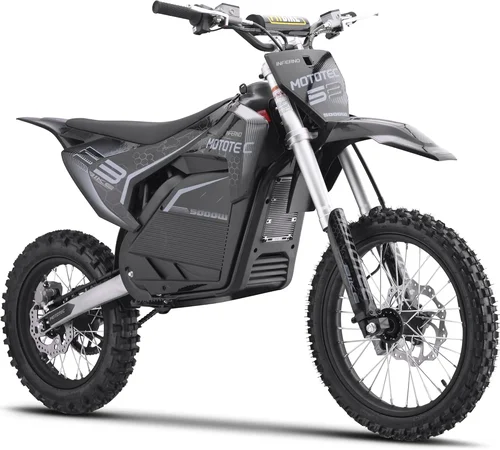
Expert Tips for Getting the Best Deal
- Shop during off-season sales: Late fall and winter are the best times to buy, as retailers clear inventory for new models. Look for Black Friday, Cyber Monday, and end-of-year discounts.
- Compare prices across platforms: Check manufacturer websites, authorized dealers, Amazon, and specialty e-bike stores. Sometimes direct-from-brand offers include free shipping or extended warranties.
- Look for bundle deals: Some retailers offer packages with helmets, locks, spare batteries, or maintenance kits—these can save you 10–20% compared to buying separately.
- Consider refurbished or open-box models: Certified pre-owned bikes from reputable sellers often come with warranties and significant savings (20–40% off retail).
- Read the return policy carefully: Ensure you can return the bike within 14–30 days if it doesn’t meet expectations. Some companies charge restocking fees or exclude electric bikes from returns.
- Join rider communities: Forums and Facebook groups often share exclusive discount codes, flash sales, or group buy opportunities.
- Negotiate with local dealers: If buying in person, don’t hesitate to ask for a better price, especially if you’re paying cash or bundling accessories.
- Verify authenticity: Only buy from authorized dealers to avoid counterfeit products. Check the brand’s website for a list of approved retailers.

Frequently Asked Questions
Q: Are electric dirt bikes street legal?
A: It depends on your location and the bike’s specifications. In many U.S. states, e-bikes are classified by speed and power. Most electric dirt bikes exceed Class 1–3 limits (20–28 mph) and are not street-legal without modifications. Always check local laws—some areas allow off-road use only, while others permit registration for road use.
Q: How long do electric dirt bike batteries last?
A: A quality lithium-ion battery typically lasts 500–1,000 charge cycles, which translates to 2–5 years of regular use. Battery life depends on care, climate, and usage patterns. Avoid fully draining the battery and store it at 50–70% charge if not used for extended periods.
Q: Can I ride an electric dirt bike in the rain?
A: Most are water-resistant (IP54 or higher), meaning they can handle light rain and splashes. However, avoid deep water, heavy downpours, or submersion. Always dry the bike thoroughly after wet rides and inspect connectors for moisture.
Q: Do I need a license to ride an electric dirt bike?
A: For off-road use on private property, usually not. But if riding on public trails or roads, licensing requirements vary by state. Some require a motorcycle license, especially for bikes over 750W. Always verify local regulations.
Q: How fast do electric dirt bikes go?
A: Speeds range from 20 mph (entry-level) to over 60 mph (high-performance models). Most mid-range bikes hit 30–45 mph, which is more than enough for trail riding. Speed depends on motor power, gearing, and rider weight.
Q: Are electric dirt bikes good for beginners?
A: Yes, especially models with adjustable power modes and smooth throttle response. Entry-level bikes are easier to control and less intimidating than gas-powered counterparts. Start with lower power settings and gradually increase as you gain confidence.
Q: Can I upgrade my electric dirt bike?
A: Some components like tires, brakes, and suspension can be upgraded. However, motor and battery upgrades are complex and may void warranties. Stick to manufacturer-approved parts or consult a professional.
Q: What’s the difference between hub and mid-drive motors?
A: Hub motors are built into the wheel—simple, quiet, and low-maintenance but less efficient on hills. Mid-drive motors sit near the crank, offering better weight balance, torque, and efficiency, especially on technical terrain. Mid-drives are preferred for serious off-roading.
Q: How do I maintain my electric dirt bike?
A: Regular maintenance includes cleaning after rides, checking tire pressure, lubricating the chain, inspecting brakes, and monitoring battery health. Follow the owner’s manual and service the suspension annually if used heavily.
Q: Where can I ride my electric dirt bike?
A: Designated off-road trails, private property (with permission), and motocross parks are ideal. Avoid public roads unless the bike is street-legal. Always respect trail rules and environmental guidelines.
Our Final Recommendations
Best for Budget-Conscious Buyers: Sur Ron LBX Light Bee – At around $2,500, it offers exceptional value with a 6kW peak motor, 72V battery, and rugged build. Perfect for beginners and intermediate riders who want performance without breaking the bank.
Best Overall Value: Segway X260 – Priced under $3,000, it delivers 1800W power, 40+ mile range, and excellent suspension. Ideal for trail exploration and weekend adventures with reliable support and modern features.
Best Premium Option: Cake Kalk OR – At $12,000+, this Swedish masterpiece combines minimalist design with race-level performance. Built for serious riders who demand innovation, sustainability, and top-tier engineering.
Best for Beginners: Razor MX650 Dirt Rocket – Affordable ($800–$1,000), easy to ride, and durable enough for casual use. Great for teens and adults new to off-road riding.
Best for Advanced Users: Zero FXE – With 46 hp, 100+ mile range, and street-legal capability, it’s a versatile powerhouse for experienced riders who want both trail and road performance.
Conclusion: Making the Right Choice
Choosing the best electric dirt bike for adults isn’t just about picking the fastest or most expensive model—it’s about finding the right balance of performance, durability, and value that matches your riding goals. Whether you’re exploring forest trails, commuting through rough terrain, or pushing limits at the track, the right bike will enhance your experience and keep you safe. By focusing on key factors like motor power, battery life, build quality, and brand reputation, you can avoid common pitfalls and invest in a machine that delivers years of reliable fun.
Remember, the best bike is the one you’ll actually ride. Don’t get swayed by flashy specs or aggressive marketing. Instead, prioritize your needs: How far do you want to go? What kind of terrain will you tackle? How often will you use it? Take your time, read reviews, test ride when possible, and choose a model from a brand you trust. With the insights from this guide, you’re now equipped to make a smart, confident decision. So gear up, charge up, and get ready to hit the dirt—your perfect electric adventure awaits.