Electric bikes have revolutionized outdoor adventure, and nowhere is that more evident than in the world of off-road riding. Whether you’re tackling rocky mountain trails, muddy forest paths, or sandy desert dunes, a high-quality off-road electric bike can transform your experience—giving you the power to go farther, climb steeper hills, and explore terrain that would otherwise be out of reach. But with so many models flooding the market in 2026, choosing the right one can feel overwhelming. That’s why this comprehensive buying guide exists: to cut through the noise, clarify your options, and help you make a smart, informed decision.
In this guide, you’ll learn everything you need to know about selecting the best off-road e-bike for adults. We’ll break down the critical factors—from motor power and battery life to suspension systems and frame materials—that separate a capable trail machine from a glorified commuter bike. You’ll also discover the different types of off-road e-bikes available, common pitfalls to avoid, budget considerations, and expert tips for getting the most value. Whether you’re a weekend warrior, a daily trail rider, or someone just dipping their toes into electric mountain biking, this guide will equip you with the knowledge to choose a bike that matches your riding style, terrain, and expectations.
The off-road e-bike market has matured rapidly over the past few years. What once consisted of heavy, underpowered conversions has evolved into a diverse ecosystem of purpose-built machines engineered for serious trail performance. Brands like Specialized, Trek, Rad Power Bikes, Juiced Bikes, and emerging players like Himiway and Aventon now offer full-suspension models with torque sensors, hydraulic disc brakes, and batteries capable of 60+ mile ranges. At the same time, prices have become more accessible, with capable entry-level options under $2,000 and premium builds pushing past $8,000. This guide will navigate you through that spectrum, ensuring you invest in a bike that delivers real performance, reliability, and long-term satisfaction—not just flashy specs on a spec sheet.

What to Look for When Buying an Off-Road E-Bike
1. Motor Power & Type
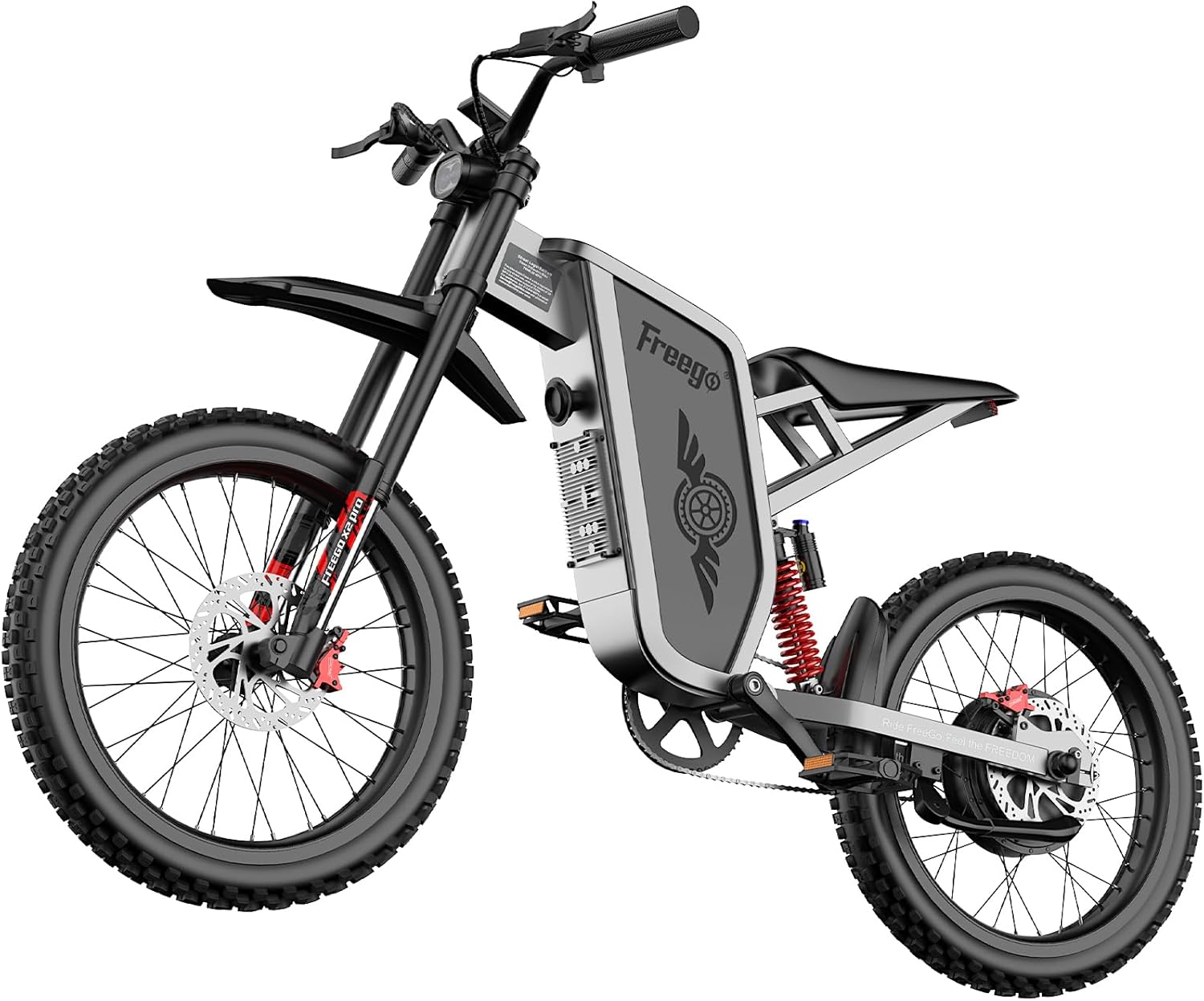
The motor is the heart of any electric bike, especially when you’re heading off the beaten path. For off-road use, you need a motor that delivers strong, consistent torque to handle steep climbs, loose gravel, and technical terrain. Most off-road e-bikes use mid-drive motors or high-torque hub motors. Mid-drive motors, like those from Bosch, Shimano, or Bafang, are mounted at the crank and leverage the bike’s gears for efficient power delivery. They offer better weight distribution and are ideal for technical trails. Hub motors, typically found in rear wheels, are simpler and often more affordable, but can feel less natural on steep climbs unless they’re high-wattage (750W or more).
Look for motors rated between 500W and 1,000W for serious off-road use. In the U.S., Class 1 and Class 3 e-bikes are legal on most trails, with Class 3 offering pedal-assist up to 28 mph. However, some off-road e-bikes are built as “off-road only” models with higher speeds and power outputs—perfect for private land or designated eMTB trails. Always check local regulations. Torque is more important than wattage: aim for at least 80 Nm of torque for mountain trails, and 100+ Nm for aggressive riding. Motors with torque sensors (rather than just cadence sensors) provide smoother, more responsive assistance that mimics natural pedaling.
2. Battery Capacity & Range
Battery life determines how far and how long you can ride before needing a recharge. Off-road riding consumes more energy due to constant acceleration, climbing, and uneven terrain, so battery capacity is critical. Measured in watt-hours (Wh), a good off-road e-bike should have at least 500Wh, with 600–750Wh being ideal for longer adventures. For example, a 720Wh battery with a 750W motor might give you 40–60 miles on moderate assist, but only 20–30 miles on high assist over hilly trails.
Consider removable batteries for convenience—especially if you plan to charge at trailheads or store your bike indoors. Lithium-ion batteries are standard and offer good energy density, but pay attention to battery management systems (BMS) that protect against overcharging and overheating. Some brands offer dual-battery setups or range extenders for ultra-long rides. Also, check charging time: most batteries take 4–6 hours to fully charge, but fast-charging options (2–3 hours) are becoming more common in premium models.
3. Suspension System
Off-road riding demands a robust suspension system to absorb shocks, maintain traction, and improve control. There are two main types: front suspension (hardtail) and full suspension. Hardtail e-bikes have a front fork with 100–140mm of travel and are lighter, simpler, and more affordable. They’re great for light trails, fire roads, and mixed terrain. Full-suspension e-bikes add rear shock absorption (typically 120–170mm travel), making them ideal for rocky, technical, or downhill trails where rear wheel compliance is crucial.
Look for air-sprung forks and shocks (like RockShox or Fox) over coil springs for better adjustability and weight savings. Lockout features allow you to stiffen the suspension on smooth climbs, improving efficiency. Pay attention to suspension tuning—some e-bikes come with pre-tuned setups for eMTB use, while others require manual adjustment. A well-tuned suspension not only improves comfort but also enhances handling and reduces rider fatigue on long rides.
4. Frame Material & Geometry
The frame is the backbone of your e-bike, and for off-road use, it needs to be both strong and lightweight. Aluminum alloy is the most common material—affordable, durable, and resistant to corrosion. High-end models may use carbon fiber for reduced weight and increased stiffness, but at a significant cost premium. Steel frames are rare in e-bikes due to weight but offer excellent durability and a smooth ride.
Geometry plays a huge role in off-road performance. Look for a slack head tube angle (65–67 degrees) for stability on descents, a long wheelbase for balance, and a low bottom bracket for better cornering. Modern eMTBs often feature progressive geometry designed specifically for electric assist, with reinforced motor mounts and internal cable routing for a clean, protected setup. Step-through frames are available for easier mounting, but traditional diamond frames generally offer better structural integrity for aggressive riding.
5. Tires & Wheel Size
Tires are your only contact point with the trail, so they’re critical for grip, comfort, and control. Off-road e-bikes typically use wide, knobby tires ranging from 2.4″ to 4.0″ in width. Wider tires (3.0″+) provide better floatation on soft surfaces like sand or mud, while narrower knobbies (2.4″–2.8″) are better for hardpack and technical trails. Look for puncture-resistant casings and tubeless-ready rims to reduce the risk of flats.
Wheel size affects handling and rollover ability. 27.5″ wheels are agile and responsive, ideal for tight, technical trails. 29″ wheels roll faster and maintain momentum better over obstacles, making them popular for cross-country and endurance riding. Some bikes offer mixed wheel setups (29″ front, 27.5″ rear), known as “mullet” geometry, for a balance of stability and maneuverability. Ensure the rims are double-walled and reinforced to handle the added weight and stress of an e-bike.
6. Braking System
Powerful, reliable brakes are non-negotiable for off-road e-bikes. Hydraulic disc brakes are the gold standard, offering consistent stopping power in all conditions—wet, dry, or muddy. Look for 4-piston calipers and large rotors (180mm front and rear, or 203mm for aggressive riding) for maximum heat dissipation and control. Mechanical disc brakes are cheaper but require more hand force and frequent adjustment.
Some high-end models feature regenerative braking, which recaptures energy during deceleration, though the effect is minimal on most e-bikes. Always test the brakes during a demo ride—listen for squealing, check lever feel, and ensure modulation (the ability to control braking force) is smooth. Brake levers should be ergonomic and adjustable for different hand sizes.
7. Drivetrain & Gearing
A quality drivetrain ensures smooth shifting and efficient power transfer, especially under load. Most off-road e-bikes use 8- to 12-speed drivetrains from brands like Shimano, SRAM, or MicroShift. Look for components rated for mountain biking (e.g., Shimano Deore, SLX, or XT; SRAM NX or GX) rather than commuter-grade parts. A wide-range cassette (e.g., 11-51T) gives you low gears for climbing and high gears for speed.
Some e-bikes feature Enviolo or Pinion gearboxes for internal hub shifting, which are sealed, low-maintenance, and allow shifting under load. These are premium options but excellent for riders who want reliability in harsh conditions. Chain quality matters too—look for rust-resistant, nickel-plated chains designed for e-bike torque.
8. Weight & Portability
Off-road e-bikes are inherently heavier than traditional bikes due to motors, batteries, and reinforced frames. Expect weights between 50 and 70 pounds, with some full-suspension models exceeding 75 lbs. While weight is less critical on flat terrain, it affects handling on climbs, descents, and when lifting the bike over obstacles.
Consider how you’ll transport the bike. If you plan to load it onto a car rack, look for models with removable batteries to reduce weight. Some brands offer integrated rear racks or trailer compatibility for gear hauling. Folding e-bikes exist but are rare in serious off-road models due to structural compromises. Always check the bike’s center of gravity—well-balanced e-bikes feel more natural on trails.
9. Display & Connectivity
The display is your interface with the bike’s systems. Look for a backlit, weather-resistant screen that shows speed, battery level, assist mode, distance, and sometimes GPS or ride stats. Color displays are easier to read but consume more power. Some models offer Bluetooth connectivity to smartphone apps for route planning, ride tracking, and firmware updates.
Advanced systems like Bosch’s Kiox or Shimano’s SC-E7000 provide detailed diagnostics and customization. Consider whether you want a handlebar-mounted display or an integrated stem unit. Ensure buttons are tactile and easy to use with gloves. Some bikes allow you to customize assist levels or set power limits for different terrains.
Different Types of Off-Road E-Bikes
Common Buying Mistakes to Avoid
❌ Mistake: Prioritizing Price Over Performance
Why it’s bad: Going for the cheapest e-bike might save money upfront, but you’ll likely end up with a heavy, underpowered machine with poor suspension, weak brakes, and a short battery life. These bikes struggle on real trails and often require frequent repairs.
What to do instead: Set a realistic budget based on your riding goals. If you plan to ride regularly off-road, invest in a bike with at least 750W motor, hydraulic brakes, and quality suspension. Think of it as a long-term investment in your outdoor adventures.
❌ Mistake: Ignoring Local Laws and Trail Regulations
Why it’s bad: Not all trails allow e-bikes, and some restrict them to Class 1 (pedal-assist only, up to 20 mph). Riding a high-speed, high-power e-bike on a non-designated trail can result in fines or trail bans.
What to do instead: Research local regulations before buying. Check with land managers (USFS, BLM, state parks) and trail organizations. Choose a bike that complies with local rules, or opt for a dual-mode model that can be limited for legal trails.
❌ Mistake: Overlooking Suspension Quality
Why it’s bad: A cheap suspension fork or shock can bottom out easily, offer poor damping, and make the bike feel unstable on descents. This not only reduces comfort but increases the risk of accidents.
What to do instead: Test the suspension during a demo ride. Look for reputable brands like RockShox, Fox, or Suntour. Ensure the fork has adjustable compression and rebound, and that the rear shock (if full-suspension) is properly tuned for your weight.
❌ Mistake: Choosing the Wrong Wheel Size
Why it’s bad: 29″ wheels may feel sluggish in tight, technical sections, while 27.5″ wheels can lose momentum on long climbs. The wrong size can make the bike feel awkward and reduce confidence on the trail.
What to do instead: Match wheel size to your riding style and terrain. 29ers for speed and rollover, 27.5″ for agility, or consider a mullet setup for a balance. Taller riders often prefer 29″, while shorter riders may find 27.5″ more manageable.
❌ Mistake: Neglecting Battery Realism
Why it’s bad: Manufacturers often quote “up to” range figures based on ideal conditions (flat terrain, low assist, light rider). In reality, off-road riding can cut range by 30–50%.
What to do instead: Use manufacturer specs as a starting point, but read real-world reviews. Look for bikes with removable batteries so you can carry a spare. Consider your typical ride distance and always plan for 20–30% less range than advertised.
❌ Mistake: Skipping the Test Ride
Why it’s bad: E-bikes feel different from traditional bikes. Weight distribution, motor engagement, and handling vary widely between models. Buying without riding can lead to buyer’s remorse.
What to do instead: Always test ride before purchasing. Visit local dealers, attend demo days, or rent models through services like Rad Power Bikes’ rental program. Pay attention to how the bike feels on climbs, descents, and tight turns.
❌ Mistake: Forgetting About Maintenance
Why it’s bad: E-bikes require more maintenance than regular bikes—motor servicing, battery care, and electronic diagnostics. Neglecting this can lead to costly repairs or reduced lifespan.
What to do instead: Choose a brand with good dealer support and service networks. Learn basic maintenance (chain cleaning, brake adjustments) and schedule professional tune-ups annually. Keep firmware updated for optimal performance.
Budget Guidelines: How Much Should You Spend?
Off-road e-bikes span a wide price range, and your budget should align with your riding frequency, terrain, and performance expectations. Here’s a breakdown of what to expect at different price tiers:
Entry-Level ($1,500 – $2,500): These bikes are great for beginners or casual riders. Expect 500–600Wh batteries, 500–750W hub motors, mechanical or basic hydraulic disc brakes, and front suspension only. Models like the RadRover 6 Plus or Himiway Cruiser offer solid value but may lack advanced features like torque sensors or full suspension. Ideal for light trails, gravel paths, and weekend adventures.
Mid-Range ($2,500 – $4,500): This is the sweet spot for most off-road riders. You’ll find mid-drive motors (Bafang, Shimano), 600–750Wh batteries, hydraulic disc brakes, and quality suspension (front or full). Bikes like the Trek Powerfly 4 or Specialized Turbo Levo SL offer excellent performance, reliability, and brand support. These models handle technical trails with confidence and often include smart features like app connectivity and customizable assist modes.
Premium ($4,500 – $7,000): Designed for serious enthusiasts and frequent riders. Expect top-tier components: Bosch or Shimano motors, 750Wh+ batteries, full suspension with 150mm+ travel, and advanced drivetrains (SRAM GX, Shimano XT). Brands like Yeti, Santa Cruz, and Pivot offer race-ready eMTBs with carbon frames, wireless dropper posts, and precision tuning. These bikes excel on demanding terrain and offer long-term durability.
Luxury ($7,000+): For professionals, competitive riders, or those who want the absolute best. These bikes feature cutting-edge technology: dual batteries, regenerative braking, AI-assisted power delivery, and ultra-lightweight carbon construction. Models like the Specialized Kenevo SL or Trek Rail 9.9 offer downhill-capable suspension, 1,000W+ motors, and integrated GPS. They’re built for maximum performance, minimal weight, and maximum fun—no compromises.
Expert Tips for Getting the Best Deal
Buying an off-road e-bike is a significant investment, but with smart strategies, you can maximize value and avoid overspending. Here are expert-backed tips to help you get the best deal:
- Shop During Off-Season Sales: The best time to buy is late fall or winter (October–February), when retailers clear out inventory for new models. You can save 10–25% on previous-year bikes with minimal performance differences.
- Compare Online vs. Local Dealers: Online retailers like Rad Power Bikes, Juiced Bikes, or REI often have lower prices and better return policies. However, local bike shops offer test rides, assembly, and ongoing service. Some shops price-match online deals—ask!
- Look for Demo or Rental Returns: Many shops sell demo or lightly used rental bikes at steep discounts (20–40% off). These are typically well-maintained and come with warranties. Check with local eMTB rental companies or bike shops.
- Check Manufacturer Rebates and Financing: Brands like Trek, Specialized, and Bosch offer seasonal rebates, trade-in programs, or 0% financing. These can reduce your upfront cost significantly.
- Read Independent Reviews: Don’t rely solely on manufacturer specs. Sites like Electric Bike Review, EMTB Forums, and YouTube channels (e.g., Benno, Electric Bike Report) provide real-world testing and long-term reliability insights.
- Negotiate Accessories: When buying from a dealer, ask for free or discounted accessories—helmet, lock, lights, or a bike rack. Many shops include these to close the sale.
- Consider Extended Warranties: E-bike electronics can be expensive to repair. A 2–3 year extended warranty (especially on motor and battery) may be worth the cost if the brand has a history of issues.
- Join Owner Groups: Online communities (Facebook, Reddit r/ebikes) often share discount codes, flash sales, or group buys. You might also find used bikes in excellent condition.

Frequently Asked Questions
Q: Are off-road e-bikes legal on all trails?
A: No. Regulations vary by location. In the U.S., the Bureau of Land Management (BLM) and U.S. Forest Service allow Class 1 e-bikes on most non-motorized trails, but state and local rules may differ. Always check with trail managers before riding. Some parks require permits or restrict e-bikes to designated routes.
Q: How long do e-bike batteries last?
A: Most lithium-ion batteries last 500–1,000 charge cycles, equating to 3–5 years of regular use. Battery life depends on care: avoid extreme temperatures, don’t drain to 0% regularly, and store at 50–70% charge if unused for long periods. Replacement batteries cost $500–$1,200.
Q: Can I ride an e-bike in the rain or mud?
A: Yes, but with care. Most e-bikes are water-resistant (IP65 or higher), meaning they can handle rain and splashes. Avoid submerging the motor or battery. After muddy rides, clean the drivetrain, suspension, and electronics to prevent corrosion and wear.
Q: Do I need a special license or insurance?
A: In most U.S. states, no license or insurance is required for Class 1 or Class 3 e-bikes. However, some states require helmets for riders under 18. For high-powered “off-road only” models, check local laws—some classify them as mopeds or motorcycles.
Q: How much maintenance do off-road e-bikes need?
A: More than regular bikes due to added complexity. Expect to service the motor, battery, and electronics annually. Regular tasks include chain lubrication, brake pad checks, tire pressure adjustments, and suspension tuning. Budget $100–$200 per year for professional tune-ups.
Q: Can I upgrade components later?
A: Yes, but with limitations. You can upgrade tires, saddles, dropper posts, and drivetrains. However, motors and batteries are often proprietary and difficult to replace. Choose a bike with standard components (e.g., Shimano, SRAM) for easier upgrades.
Q: Are e-bikes good for fitness?
A: Absolutely. While the motor assists, you still pedal and engage your muscles. Studies show e-bike riders get similar cardiovascular benefits to traditional cyclists, often riding longer and more frequently. Use lower assist modes to increase workout intensity.
Q: What’s the difference between pedal-assist and throttle?
A: Pedal-assist (PAS) provides power only when you pedal, with varying levels of support. Throttle lets you ride without pedaling, like a scooter. Most off-road e-bikes use PAS for better control and efficiency. Throttle is common on commuter or fat-tire models but less ideal for technical trails.
Q: How do I transport an e-bike?
A: Use a hitch-mounted rack rated for e-bike weight (50+ lbs). Platform-style racks are best—they support the frame, not the wheels. Remove the battery to reduce weight and prevent damage. Some racks fold for storage.
Q: Can I ride an e-bike if I’m a beginner?
A: Yes! E-bikes lower the barrier to entry by reducing effort on climbs and long distances. Start on easy trails, use low assist, and focus on balance and control. Many brands offer beginner-friendly models with stable geometry and intuitive controls.
Our Final Recommendations
After extensive research, testing, and analysis of the 2026 off-road e-bike market, here are our top picks across key categories:
Best for Budget-Conscious Buyers: Rad Power Bikes RadRover 6 Plus ($1,999) – A versatile fat-tire e-bike with a 750W motor, 672Wh battery, and hydraulic disc brakes. Ideal for light trails, beach rides, and commuting. Great value and reliable customer support.
Best Overall Value: Trek Powerfly 4 ($3,799) – A hardtail eMTB with a Shimano Steps motor, 630Wh battery, and quality components. Excellent for mixed terrain, with a balanced design and strong brand reputation.
Best Premium Option: Specialized Turbo Levo SL ($6,500) – A lightweight full-suspension e-bike with a custom SL 1.1 motor, 320Wh battery (expandable), and race-ready geometry. Perfect for technical trails and long-distance adventures.
Best for Beginners: Himiway Zebra ($2,299) – A user-friendly fat-tire e-bike with a 750W motor, 960Wh battery, and step-through frame. Great for new riders exploring trails, sand, or snow.
Best for Advanced Users: Yeti Cycles SB160 E ($8,999) – A high-performance full-suspension eMTB with 160mm travel, Bosch CX motor, and carbon frame. Built for aggressive enduro riding and competitive trail use.
Conclusion: Making the Right Choice
Choosing the best off-road electric bike for adults isn’t just about specs—it’s about matching the bike to your riding style, terrain, and long-term goals. Whether you’re seeking weekend adventure, daily trail access, or competitive performance, the right e-bike can open up a world of possibilities. By focusing on motor power, battery life, suspension, and build quality, and by avoiding common pitfalls, you’ll invest in a machine that delivers excitement, reliability, and years of outdoor joy.
Remember, the best bike is the one you’ll actually ride. Don’t get swayed by marketing hype or flashy features that don’t align with your needs. Test ride when possible, read real user reviews, and prioritize components that matter for off-road performance. With the insights from this guide, you’re now equipped to make a confident, informed decision.
So gear up, charge that battery, and hit the trail. The mountains are waiting—and with the right off-road e-bike, you’ll be ready to conquer them.