
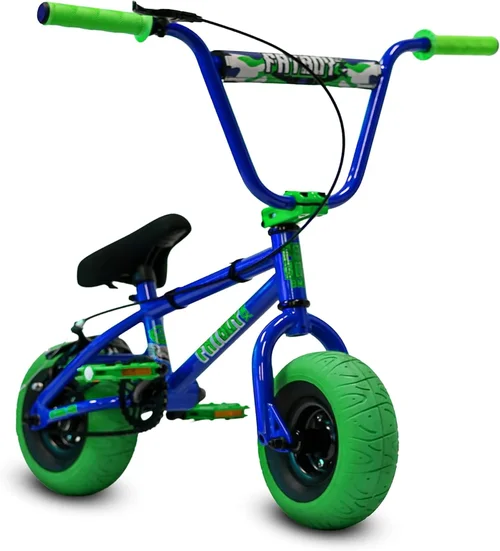
Mini bikes for adults have surged in popularity over the past few years, and it’s easy to see why. Once seen as toys for kids or niche off-road machines, modern mini bikes have evolved into serious, high-performance vehicles capable of handling everything from urban commutes to weekend trail adventures. Whether you’re looking for a compact ride to zip through traffic, a fun weekend project, or a lightweight off-road machine, there’s a mini bike out there tailored to your lifestyle. With advancements in electric motors, battery technology, and frame engineering, today’s adult mini bikes are faster, safer, and more reliable than ever before.
This comprehensive buying guide is designed to help you cut through the noise and make an informed decision. We’ll walk you through every critical factor—from performance specs and build quality to budget considerations and brand reputation—so you can choose a mini bike that fits your needs, not just your wallet. Whether you’re a first-time buyer or upgrading from an older model, this guide will equip you with the knowledge to avoid common pitfalls and find the best value for your investment. The market is flooded with options, from budget-friendly electric scooters with mini bike aesthetics to full-fledged gas-powered pocket rockets, and knowing what to prioritize is key.
By the end of this guide, you’ll understand exactly what to look for in a mini bike, how different types compare, and which models offer the best balance of performance, durability, and price. We’ll also share expert tips on timing your purchase, where to buy, and how to avoid overpaying. Our goal isn’t to push you toward the most expensive or flashiest model—it’s to help you find the right bike for your unique situation. So whether you’re commuting 10 miles to work, exploring dirt trails on weekends, or just want a fun, low-maintenance ride, this guide has you covered.
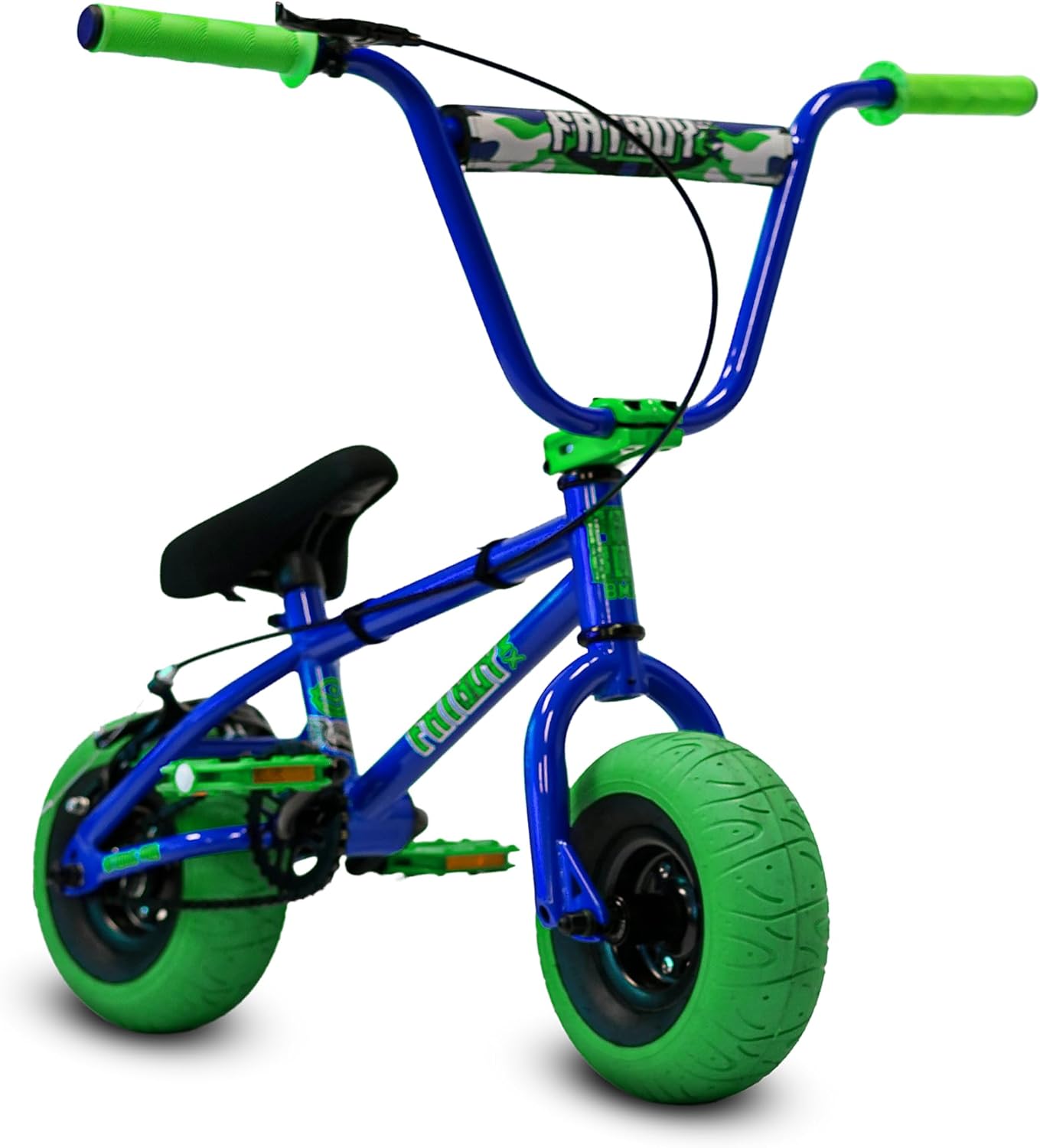
What to Look for When Buying Mini Bikes for Adults
1. Budget & Price Range
Your budget is the foundation of your mini bike purchase. Mini bikes for adults range dramatically in price—from under $300 for basic electric models to over $3,000 for high-performance gas or premium electric versions. Setting a realistic budget upfront helps narrow your options and prevents overspending on features you don’t need. However, it’s important to remember that the cheapest option isn’t always the best value. A $250 bike might save you money initially but could cost more in repairs, replacements, or early upgrades.
When setting your budget, consider not just the upfront cost but also long-term expenses like maintenance, replacement parts, insurance (if required), and potential upgrades. For example, electric mini bikes often have lower operating costs than gas-powered ones, but battery replacements can be pricey after 2–3 years. Gas models may require more frequent tune-ups and fuel, but they typically offer longer range and faster refueling. A good rule of thumb is to allocate at least 10–15% of your total budget for accessories like helmets, locks, lights, and protective gear.
2. Performance Specifications
Performance is where mini bikes truly differentiate themselves. Key specs to evaluate include top speed, acceleration, range (for electric models), engine displacement (for gas models), and power output. For urban commuters, a top speed of 20–25 mph is usually sufficient, while off-road enthusiasts may want 30+ mph for tackling hills and rough terrain. Electric mini bikes typically deliver instant torque, making them feel zippy from a standstill, whereas gas models may have a slight lag but often sustain higher speeds over longer distances.
Range is especially critical for electric mini bikes. Most entry-level models offer 10–15 miles per charge, which is fine for short commutes but may fall short for longer trips. Mid-range and premium electric bikes can achieve 25–40 miles, thanks to larger lithium-ion batteries (often 36V or 48V). Gas-powered mini bikes, on the other hand, can often run 50–100 miles on a single tank, depending on engine size and riding conditions. Always check real-world range tests, as manufacturer claims can be optimistic.
Other performance factors include hill-climbing ability (measured in degrees or percentage grade), braking system (disc brakes are superior to drum), and suspension quality. A bike with front and rear suspension will handle bumps and off-road terrain far better than a rigid-frame model. If you plan to ride on uneven surfaces, prioritize suspension and tire type—knobby tires offer better grip off-road, while street tires are smoother and quieter on pavement.
3. Build Quality & Durability
A mini bike’s build quality directly impacts its lifespan, safety, and riding experience. Look for frames made from high-tensile steel or aluminum alloys—these materials offer strength without excessive weight. Avoid bikes with flimsy welds, thin tubing, or plastic components in high-stress areas like the handlebars or footpegs. A well-built frame should feel solid when you lift it and shouldn’t creak or flex under normal use.
Durability also extends to components like the drivetrain, wheels, and electrical systems (for e-bikes). Chain-driven systems are common and reliable but require regular lubrication. Belt drives are quieter and maintenance-free but can be more expensive to replace. Wheels should be sturdy with reinforced rims—spoked wheels are lighter and absorb shocks better, while solid rims are more durable but harsher on rough terrain.
For electric models, check the IP rating (Ingress Protection) of the motor and battery. An IP65 or higher rating means the components are protected against dust and water splashes, which is essential if you ride in wet or muddy conditions. Also, inspect the quality of connectors, wiring, and the battery enclosure. Poor sealing or exposed wires can lead to corrosion and electrical failures over time.
4. Features & Functionality
Modern mini bikes come packed with features that enhance comfort, safety, and convenience. For electric models, look for regenerative braking (which extends battery life), LED lighting (headlight, taillight, and sometimes turn signals), digital displays (showing speed, battery level, and trip data), and multiple riding modes (Eco, Normal, Sport). Some premium models even include Bluetooth connectivity, GPS tracking, and smartphone app integration for diagnostics and ride logging.
Gas-powered mini bikes may not have as many electronic features, but they often include electric start (a huge convenience over pull-start), adjustable suspension, and upgraded carburetors or fuel injection systems for smoother performance. Safety features like kill switches, engine guards, and reinforced footpegs are also worth prioritizing, especially if you’re riding off-road or at higher speeds.
Comfort features matter too. Adjustable handlebars, padded seats, and ergonomic footpegs can make a big difference on longer rides. Some mini bikes even offer suspension seats or upgraded suspension systems for a smoother ride. If you plan to carry gear, look for models with built-in storage compartments, rear racks, or attachment points for bags.
Don’t overlook ease of maintenance. Features like tool-less chain tensioners, accessible air filters, and removable batteries (for e-bikes) can save you time and money in the long run. A bike that’s easy to service is more likely to stay in good working condition.
5. Brand Reputation
Brand reputation is a strong indicator of reliability, customer service, and product quality. Established brands like Razor, Coleman, MotoTec, and Super73 have built trust over years of consistent performance and customer support. These companies often invest more in R&D, quality control, and warranty services, which translates to better long-term ownership experiences.
That said, newer or lesser-known brands can offer excellent value, especially in the electric mini bike space. Companies like Gotrax, Segway, and Hiboy have gained popularity by offering feature-rich bikes at competitive prices. However, with newer brands, it’s crucial to research customer reviews, warranty terms, and parts availability. A brand with a strong online presence, active customer support, and readily available replacement parts is more likely to stand behind its products.
Avoid no-name brands sold exclusively through third-party marketplaces with no verifiable history or contact information. These bikes may look similar to reputable models but are often built with inferior components and lack proper safety certifications. Always check for UL certification (for electric bikes) or EPA compliance (for gas models) to ensure the bike meets safety and environmental standards.
6. Warranty & Support
A solid warranty is your safety net against defects, malfunctions, and unexpected failures. Most reputable mini bike brands offer at least a 90-day to 1-year warranty, with premium models sometimes including 2-year coverage. Pay close attention to what the warranty covers—some only protect the frame, while others include the motor, battery, and electronics.
For electric mini bikes, battery warranties are especially important. Lithium-ion batteries degrade over time, and a good warranty (typically 6–12 months) ensures you’re covered if capacity drops significantly. Gas models should have coverage for the engine, carburetor, and ignition system. Always read the fine print: many warranties are voided if the bike is modified, used off-road (unless designed for it), or serviced by unauthorized technicians.
Customer support is just as critical. Look for brands with responsive support teams, accessible service centers, and online resources like manuals, FAQs, and video tutorials. Some companies even offer live chat or phone support, which can be a lifesaver if you’re troubleshooting an issue. Avoid brands with no clear support channel or long response times.
7. Size & Portability
Mini bikes are called “mini” for a reason—they’re compact and lightweight compared to full-sized motorcycles. But size still matters, especially if you need to transport or store your bike. Most adult mini bikes weigh between 50 and 120 pounds, with electric models tending to be heavier due to the battery. If you plan to lift the bike into a car trunk or carry it upstairs, aim for a model under 80 pounds.
Folding mechanisms can greatly enhance portability. Some electric mini bikes feature foldable handlebars and frames, making them easy to stow in small spaces. However, folding joints can be weak points, so ensure they’re well-built and secure. Gas-powered mini bikes are less likely to fold but are often lighter and more compact overall.
Consider your storage space. If you live in an apartment or have limited garage room, a smaller footprint is essential. Measure your storage area and compare it to the bike’s dimensions. Also, think about where you’ll ride—narrow handlebars and a tight turning radius are advantages in urban environments, while wider stances offer better stability off-road.
8. User Reviews & Ratings
User reviews are one of the most valuable resources when shopping for a mini bike. They provide real-world insights that specs and marketing materials can’t match. Look for patterns in reviews: if multiple users report the same issue—like battery failure, poor brakes, or weak suspension—it’s likely a genuine flaw, not an isolated incident.
Focus on detailed reviews from verified purchasers. These often include photos, videos, and specific feedback on performance, comfort, and durability. Pay attention to how the bike performs over time—some models start strong but degrade quickly after a few months. Also, check reviews across multiple platforms (Amazon, Walmart, brand websites, forums) to get a balanced perspective.
Be wary of overly positive or generic reviews that sound like they were written by the manufacturer. Authentic reviews often mention both pros and cons. A bike with a 4.5-star average and honest criticism is usually more trustworthy than one with 5 stars and no negative feedback.
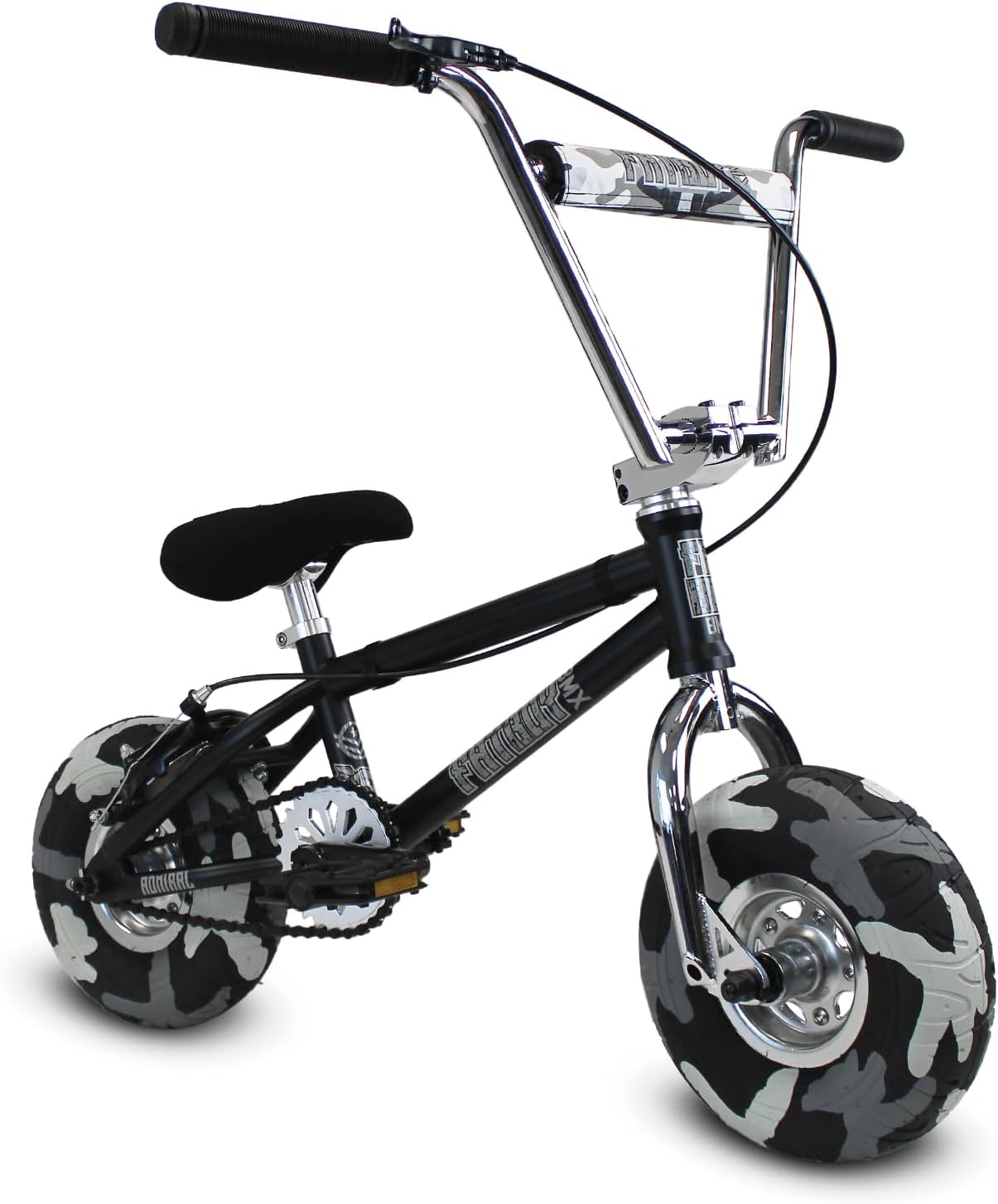
Different Types of Mini Bikes for Adults
Common Buying Mistakes to Avoid
❌ Mistake: Prioritizing Price Over Quality
Why it’s bad: The cheapest mini bike often comes with the lowest-quality components, poor build standards, and minimal safety features. These bikes are more likely to break down, require frequent repairs, and pose safety risks. A $200 bike might seem like a steal, but if it needs a $100 repair after two months, it’s no longer a bargain.
What to do instead: Focus on value, not just price. Look for bikes in the $600–$1,200 range that offer a good balance of features, durability, and brand support. Read reviews and check warranty terms to ensure you’re getting a reliable product.
❌ Mistake: Ignoring Local Laws and Regulations
Why it’s bad: Mini bikes, especially gas-powered or high-speed electric models, may be illegal to ride on public roads or sidewalks in your area. Some cities require registration, licensing, or helmets, while others ban them entirely. Riding illegally can result in fines, confiscation, or accidents.
What to do instead: Research your local laws before buying. Check with your city or state’s Department of Motor Vehicles (DMV) or transportation authority. If public road use is restricted, consider an off-road-only model or stick to private property.
❌ Mistake: Overlooking Safety Gear
Why it’s bad: Mini bikes can reach speeds of 25–35 mph, and even minor falls can cause serious injury. Skipping a helmet, gloves, or protective clothing increases your risk of head trauma, road rash, or fractures.
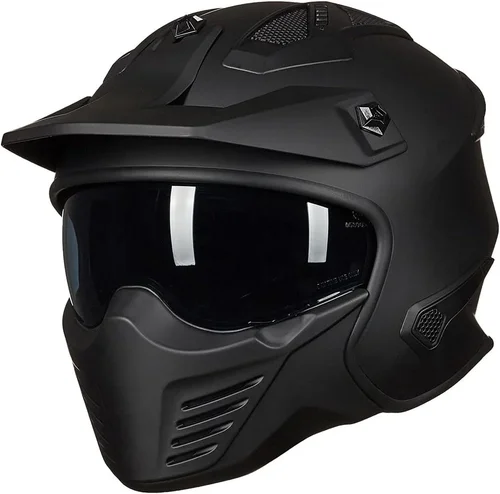
What to do instead: Always wear a DOT-approved helmet, gloves, long sleeves, and sturdy shoes. Consider knee and elbow pads, especially for off-road riding. Safety gear is a small investment compared to medical bills.
❌ Mistake: Buying Without Testing
Why it’s bad: Mini bikes vary widely in handling, comfort, and performance. A bike that looks great online might feel unstable, too small, or uncomfortable in person. Without a test ride, you risk buying a bike that doesn’t suit your body type or riding style.
What to do instead: If possible, visit a local dealer or attend a demo event. Test ride multiple models to compare comfort, balance, and responsiveness. If buying online, choose retailers with generous return policies.
❌ Mistake: Neglecting Maintenance Requirements
Why it’s bad: All mini bikes require regular maintenance—chain lubrication, tire checks, brake adjustments, and battery care (for e-bikes). Ignoring maintenance leads to poor performance, safety hazards, and costly repairs.
What to do instead: Learn basic maintenance tasks or find a local shop that services your bike type. Set a maintenance schedule and keep spare parts (like chains, brake pads, or fuses) on hand.
❌ Mistake: Choosing the Wrong Type for Your Needs
Why it’s bad: An off-road mini bike won’t perform well on city streets, and a folding e-bike might not handle rough trails. Mismatched use leads to frustration, poor performance, and wasted money.
What to do instead: Define your primary use case—commuting, off-roading, weekend fun—and choose a bike designed for that purpose. Use our type comparison table to guide your decision.
❌ Mistake: Falling for “Too Good to Be True” Deals
Why it’s bad: Scammers and low-quality sellers often lure buyers with unrealistically low prices, fake reviews, or counterfeit products. These deals often result in defective bikes, no customer support, or outright fraud.
What to do instead: Stick to reputable retailers and brands. Avoid deals that seem suspiciously cheap. Verify seller ratings, return policies, and contact information before purchasing.
Budget Guidelines: How Much Should You Spend?
Mini bikes for adults come in a wide range of prices, and your budget should reflect your intended use, experience level, and long-term goals. Here’s a breakdown of what to expect at different price tiers:
Entry-Level ($300 – $600): These bikes are ideal for beginners, casual riders, or those on a tight budget. Expect basic electric models with limited range (10–15 miles), modest top speeds (15–20 mph), and minimal features. Build quality may be adequate but not exceptional. Brands like Razor and some Gotrax models fall into this category. Great for short commutes or weekend fun, but not recommended for daily use or rough terrain.
Mid-Range ($600 – $1,500): This is the sweet spot for most adult riders. Bikes in this range offer better performance, improved build quality, and more features like LED lights, digital displays, and suspension. Electric models often have 20–30 mile ranges, while gas-powered ones provide reliable power and longer range. Brands like MotoTec, Coleman, and higher-end Gotrax models excel here. These bikes are durable enough for regular use and versatile enough for both city and light off-road riding.
Premium ($1,500 – $2,500): Designed for enthusiasts and serious riders, premium mini bikes deliver top-tier performance, advanced features, and superior craftsmanship. Expect high-capacity batteries (48V+), powerful motors (1000W+), hydraulic disc brakes, and full suspension systems. Gas models may include 200cc+ engines and electric start. These bikes are built to last and perform well in demanding conditions. Ideal for daily commuting, long-distance riding, or aggressive off-road use.
Luxury ($2,500+): At this level, you’re paying for cutting-edge technology, premium materials, and brand prestige. Models like Super73, Cake, or custom-built mini bikes offer features like regenerative braking, app connectivity, carbon fiber components, and handcrafted finishes. These bikes are as much about style and innovation as they are about performance. Best for collectors, tech enthusiasts, or those who want the absolute best.
Expert Tips for Getting the Best Deal
- Buy During Off-Season: Mini bikes are most popular in spring and summer. Shop in late fall or winter for discounts, clearance sales, and promotional offers. Many retailers reduce prices to clear inventory.
- Compare Retailers: Prices can vary significantly between Amazon, Walmart, brand websites, and specialty dealers. Use price comparison tools and check for exclusive online deals or free shipping.
- Look for Bundles: Some sellers offer packages that include helmets, locks, lights, or maintenance kits. These can save you money compared to buying accessories separately.
- Check for Rebates and Incentives: Some states offer rebates for electric vehicles, including e-bikes. Check local government or utility company programs for potential savings.
- Read the Fine Print on Returns: Ensure the retailer offers a reasonable return window (at least 14–30 days) and covers return shipping. Avoid sellers with restocking fees or strict return policies.
- Test Before You Buy: If possible, visit a local dealer or attend a demo event. A test ride can reveal issues with comfort, handling, or noise that specs don’t show.
- Consider Refurbished or Open-Box: Certified refurbished models from reputable brands often come with warranties and can save you 20–40% off retail price.
- Join Online Communities: Forums like Reddit’s r/minibikes or Facebook groups often share deals, reviews, and maintenance tips. Members may also sell used bikes at a discount.

Frequently Asked Questions
Q: Are mini bikes legal to ride on public roads?
A: It depends on your location. In many U.S. states, gas-powered mini bikes and high-speed electric models are classified as motorcycles and require registration, licensing, and insurance. Some cities allow low-speed electric mini bikes on bike lanes or sidewalks. Always check local laws before riding.
Q: How fast do adult mini bikes go?
A: Speeds vary widely. Entry-level electric models top out at 15–20 mph, while mid-range bikes reach 25–30 mph. High-performance gas or electric models can exceed 35 mph. Off-road bikes may have lower top speeds but better torque for climbing.
Q: How long do mini bike batteries last?
A: Most lithium-ion batteries last 2–4 years or 500–1,000 charge cycles, depending on usage and care. Capacity gradually decreases over time. Proper charging (avoiding full discharges and extreme temperatures) can extend battery life.
Q: Can I ride a mini bike in the rain?
A: Electric mini bikes with IP65 or higher ratings can handle light rain, but avoid submerging them or riding through deep puddles. Gas models are generally more water-resistant but should still be dried and maintained after wet rides.
Q: Do I need a license to ride a mini bike?
A: In most states, no license is required for low-speed electric mini bikes (under 20 mph). Gas-powered or faster models often require a motorcycle license. Check your local DMV for specific requirements.
Q: How much maintenance do mini bikes need?
A: Electric models need minimal maintenance—mostly tire checks, brake adjustments, and battery care. Gas models require more: oil changes, air filter cleaning, spark plug replacement, and carburetor tuning every 20–50 hours of use.
Q: Can adults comfortably ride mini bikes?
A: Yes, many mini bikes are designed for adults with adjustable seats, handlebars, and sufficient weight capacity (often 200–300 lbs). Choose a model with adequate legroom and ergonomic design for comfort.
Q: Are mini bikes safe?
A: When used responsibly and with proper safety gear, mini bikes are relatively safe. However, they lack the protection of cars or full-sized motorcycles. Always wear a helmet, ride defensively, and avoid high-speed riding in traffic.
Q: Can I modify my mini bike for more power?
A: Yes, but modifications can void warranties, reduce safety, and violate local laws. Common upgrades include performance exhausts, carburetor tuning, or battery upgrades. Proceed with caution and consult experts.
Q: Where is the best place to buy a mini bike?
A: Reputable online retailers (Amazon, Walmart, brand websites) and local dealers are best. Avoid unknown third-party sellers or auction sites with no buyer protection.
Our Final Recommendations
Best for Budget-Conscious Buyers: Gotrax M1 Mini Bike – At under $500, this electric model offers solid performance, a 15-mile range, and a lightweight design. Ideal for short commutes and casual riders.
Best Overall Value: MotoTec MT-MB1 150cc Gas Mini Bike – Priced around $800, this gas-powered bike delivers excellent speed, durability, and off-road capability. Great for weekend adventures and long-range riding.
Best Premium Option: Super73-RX – At $2,800, this retro-style electric mini bike combines style, performance, and advanced features like regenerative braking and app connectivity. Perfect for tech-savvy riders who want the best.
Best for Beginners: Razor MX650 Dirt Rocket – A reliable, easy-to-ride electric mini bike with a 17 mph top speed and front suspension. Great for learning the basics without overwhelming power.
Best for Advanced Users: Coleman Powersports CT200U – This 196cc gas mini bike offers high performance, rugged build quality, and off-road readiness. Ideal for experienced riders seeking power and reliability.
Conclusion: Making the Right Choice
Choosing the best mini bike for adults isn’t just about picking the fastest or most stylish model—it’s about finding the right fit for your lifestyle, budget, and riding goals. We’ve covered everything from performance specs and build quality to safety, legality, and long-term value. By prioritizing your needs and avoiding common pitfalls, you can invest in a mini bike that delivers years of enjoyment, reliability, and fun.
Remember, the best bike is the one you’ll actually ride. Whether you’re commuting to work, exploring trails, or just enjoying the thrill of the ride, take the time to research, test, and compare. Use this guide as your roadmap, and don’t rush the decision. With the right mini bike, every ride can be an adventure.
Now that you’re equipped with expert knowledge, it’s time to take action. Start by defining your budget and use case, then explore our recommended models. Read reviews, check local laws, and consider safety gear. Your perfect mini bike is out there—go find it.