
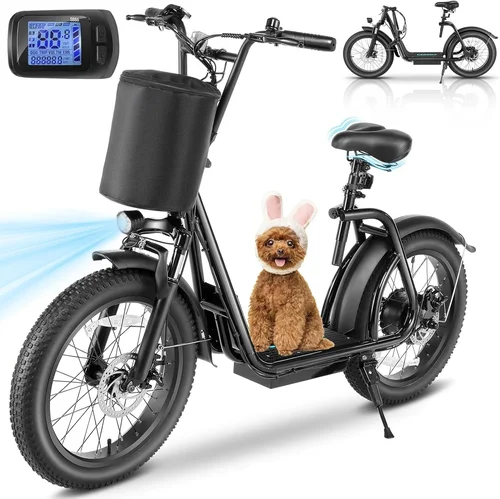
Electric scooters have evolved from novelty gadgets into serious transportation solutions—especially for adults seeking efficient, eco-friendly, and cost-effective ways to commute, explore, or simply get around town. As urban congestion worsens and fuel prices fluctuate, more people are turning to electric mobility. Among the most compelling options are long-range electric scooters, which offer extended battery life, robust performance, and the freedom to travel farther without constant recharging anxiety. Whether you’re commuting 15 miles each way, running errands across town, or enjoying weekend rides through parks and trails, a high-quality long-range scooter can transform your daily routine.
This comprehensive buying guide is designed to help you navigate the crowded market with confidence. We’ll break down everything you need to know—from performance specs and build quality to budget considerations and hidden pitfalls—so you can make an informed decision that aligns with your lifestyle and needs. By the end of this guide, you’ll understand not just what to look for, but why it matters, and how to avoid common mistakes that cost buyers time, money, and frustration. The long-range e-scooter market in 2026 is more competitive than ever, with innovations in battery tech, motor efficiency, and smart features. Our goal is to cut through the marketing noise and deliver expert-level insights grounded in real-world use.

What to Look for When Buying a Long Range Electric Scooter
1. Battery Capacity & Real-World Range
The single most important factor in a long-range electric scooter is its battery. Manufacturers often advertise “up to” ranges based on ideal conditions—light riders, flat terrain, no wind, and minimal acceleration. In reality, most users will achieve 60–80% of the claimed range. Look for scooters with lithium-ion batteries rated at 500Wh or higher; these typically deliver 25–40 miles per charge under normal urban conditions. Pay attention to battery chemistry (Li-ion vs. LiFePO4), voltage (48V systems are common in premium models), and whether the battery is removable—a feature that allows for easy replacement or charging off the scooter.
2. Motor Power & Torque
Motor power directly affects acceleration, hill-climbing ability, and top speed. For long-range commuting, aim for a dual-motor setup (front and rear) or at least a single 500W–1000W continuous-rated motor. Peak power ratings can be misleading—focus on continuous wattage, which reflects sustained performance. Torque matters just as much: higher torque (measured in Nm) means better hill climbing and quicker starts from stops. If you live in a hilly area or frequently carry cargo, prioritize torque over raw top speed.
3. Build Quality & Frame Material
A scooter built to last decades of daily use needs a robust frame. Aluminum alloy (like 6061-T6) is the gold standard—lightweight yet strong enough to handle rough pavement and occasional drops. Avoid scooters with plastic-heavy frames or flimsy folding mechanisms. Check weld quality, hinge durability, and whether critical components (like the stem and deck) are reinforced. Water resistance (IP rating) is also crucial: IPX4 protects against splashes, while IPX5 or higher guards against light rain—essential if you ride in variable weather.
4. Tire Type & Suspension
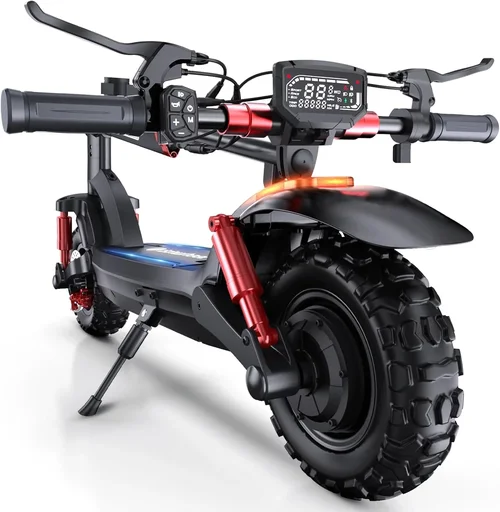
Tires dramatically impact ride comfort, traction, and puncture resistance. Pneumatic (air-filled) tires offer superior shock absorption and grip but require maintenance and are prone to flats. Solid or honeycomb tires eliminate punctures but transmit more road vibration—fine for smooth city streets, less ideal for gravel or potholes. For long-range comfort, especially on mixed terrain, consider scooters with front and rear suspension (spring, hydraulic, or rubber-based). Dual suspension systems significantly reduce fatigue on longer rides.
5. Weight Capacity & Rider Fit
Most adult scooters support 220–300 lbs, but always verify the manufacturer’s stated weight limit. Exceeding it can damage the motor, battery, or frame over time. Also consider deck size and handlebar height: taller riders (6’0″+) should look for adjustable stems and wider decks for stability. A cramped riding position leads to discomfort on extended trips. Test ride if possible—or check detailed dimensions online to ensure ergonomic fit.
6. Safety Features & Lighting
Safety becomes paramount when traveling long distances, often in low-light conditions. Essential features include bright LED headlights (100+ lumens), rear brake lights that activate when braking, and side reflectors. Disc brakes (mechanical or hydraulic) offer superior stopping power compared to drum or electronic brakes, especially in wet conditions. Some premium models include turn signals, brake fade protection, and even collision sensors—worth considering if you ride in traffic-heavy areas.
7. Smart Features & Connectivity
Modern long-range scooters often come with Bluetooth connectivity, companion apps, and GPS tracking. These allow you to monitor battery health, lock the scooter remotely, customize speed modes, and even track your ride history. While not essential, smart features enhance convenience and security. However, avoid models where app dependency cripples basic functionality—always ensure core controls work offline.
8. Portability & Folding Mechanism
Even long-range scooters should be reasonably portable if you plan to carry them upstairs, onto public transit, or store them in tight spaces. Look for one-hand folding mechanisms, compact folded dimensions, and a weight under 55 lbs for manageable carrying. Some models include integrated carrying handles or wheels for rolling when folded—small details that make a big difference in daily use.
Different Types of Long Range Electric Scooters

Common Buying Mistakes to Avoid
❌ Mistake: Prioritizing Top Speed Over Range
Why it’s bad: A scooter that hits 30 mph but dies after 15 miles won’t serve your long-range needs. High speed drains batteries quickly, especially on inclines or with heavier riders.
What to do instead: Focus on real-world range first. Choose a scooter with at least 1.5x your daily round-trip distance to account for variables like wind, cargo, and battery degradation over time.
❌ Mistake: Ignoring Terrain and Climate
Why it’s bad: A scooter perfect for flat downtown streets may struggle on suburban hills or in rainy climates. Buying without considering your environment leads to disappointment.
What to do instead: Match your scooter to your typical route. Hilly areas demand higher torque and dual motors. Wet climates require IPX5+ water resistance and disc brakes.
❌ Mistake: Overlooking Maintenance Requirements
Why it’s bad: Pneumatic tires need regular inflation and are prone to flats. Neglecting maintenance shortens lifespan and increases long-term costs.
What to do instead: If you dislike upkeep, opt for solid or honeycomb tires. Also, choose brands with accessible service centers or comprehensive online support.
❌ Mistake: Skipping the Test Ride
Why it’s bad: Specs don’t tell the whole story. Comfort, balance, and braking feel are subjective and critical for long rides.
What to do instead: Visit local retailers or attend e-scooter demo events. If unavailable, read detailed user reviews focusing on ride quality and ergonomics.
❌ Mistake: Falling for “Unlimited Range” Claims
Why it’s bad: Some brands advertise “infinite range” via swappable batteries—but rarely include extra batteries or clarify swap logistics.
What to do instead: Verify if spare batteries are sold separately, their cost, and whether they’re compatible across models. Realistic range planning beats marketing hype.
❌ Mistake: Neglecting Warranty and Support
Why it’s bad: E-scooters have complex electronics. A broken controller or battery can leave you stranded with no recourse if warranty terms are vague.
What to do instead: Choose brands offering at least 12–18 months of coverage, including battery warranties. Check if they provide US-based support and replacement part availability.
Budget Guidelines: How Much Should You Spend?
Long-range electric scooters span a wide price spectrum. Here’s what to expect at each tier:
- Entry-Level ($500–$900): These scooters offer 20–30 miles of range with single motors (350W–500W), basic suspension, and minimal smart features. Ideal for light commuters or students. Examples include the Gotrax GXL V2 or Segway Ninebot ES2. Expect shorter battery lifespans and limited hill performance.
- Mid-Range ($900–$1,600): The sweet spot for most adults. You’ll find 30–40 mile ranges, 500W–800W motors, better build quality, and improved safety features like disc brakes and brighter lights. Models like the Apollo Explore or Varla Eagle One fall here—excellent balance of value and performance.
- Premium ($1,600–$2,800): Designed for enthusiasts and daily commuters who demand reliability. Expect dual motors, 600–1000Wh batteries, full suspension, IPX5+ ratings, and advanced apps. These scooters handle hills, rain, and 40+ mile commutes with ease. Think Kaabo Mantis or Dualtron Mini.
- Luxury ($2,800+): Top-tier engineering with cutting-edge tech: regenerative braking, carbon fiber components, 50+ mile ranges, and airline-compliant designs. Built for professionals, long-distance travelers, or tech lovers. Examples include the Dualtron Thunder 3 or Inokim Ox Super.
Expert Tips for Getting the Best Deal
- Buy during off-peak seasons: Scooter sales dip in winter (except in warm climates). Look for Black Friday, Cyber Monday, or end-of-summer clearance events for 15–25% discounts.
- Shop from authorized retailers: Avoid third-party eBay or Amazon sellers offering “too good to be true” prices. Authorized dealers honor warranties and provide genuine parts.
- Check for bundle deals: Many brands offer free helmets, phone mounts, or extended warranties with purchase. These add real value beyond the sticker price.
- Read the fine print on returns: Ensure the retailer allows 14–30 day returns, especially if you can’t test ride beforehand. Some charge restocking fees—know before you buy.
- Consider refurbished or open-box units: Certified pre-owned scooters from reputable sellers often come with warranties and sell for 20–30% less than new.
- Join owner communities: Forums like Reddit’s r/ElectricScooters or Facebook groups share exclusive promo codes, flash sales, and insider tips.
- Negotiate with local shops: Independent e-mobility stores may price-match online deals or throw in free tune-ups to earn your business.
Frequently Asked Questions
Q: How far can a long-range electric scooter really go?
A: Most quality long-range scooters deliver 25–40 miles per charge under real-world conditions (160–200 lb rider, mixed terrain, moderate speed). Always subtract 20–30% from advertised ranges for accuracy.
Q: Can I take my scooter on public transit or airplanes?
A: Folding scooters under 50 lbs are usually allowed on buses and trains. For flights, check airline policies—most permit scooters with batteries under 160Wh in carry-on; larger batteries require approval.
Q: How long do e-scooter batteries last?
A: Lithium-ion batteries typically retain 80% capacity after 500–800 charge cycles (about 2–4 years of daily use). Proper care—avoiding full discharges and extreme temperatures—extends lifespan.
Q: Are long-range scooters safe in rain?
A: Only if rated IPX5 or higher. Even then, reduce speed, avoid deep puddles, and dry the scooter afterward. Never submerge or ride through flooding.
Q: Do I need insurance or a license?
A: Laws vary by state/country. In most US states, no license is needed for scooters under 20 mph, but helmets are recommended. Insurance is optional but wise for high-value models.
Q: Can I upgrade my scooter’s battery later?
A: Some brands offer upgrade kits, but compatibility is limited. It’s usually more cost-effective to buy the right range upfront than retrofit later.
Q: What’s the difference between hub motors and belt drives?
A: Hub motors (built into wheels) are quieter, require less maintenance, and offer regenerative braking. Belt drives provide more torque and serviceability but need periodic tension adjustments.
Q: How do I maintain my scooter for maximum range?
A: Keep tires properly inflated, clean the deck and sensors regularly, store in moderate temperatures, and avoid draining the battery below 20% frequently.
Q: Are there eco-friendly disposal options for old batteries?
A: Yes—many retailers and municipalities offer battery recycling programs. Never throw lithium batteries in regular trash.
Our Final Recommendations
- Best for Budget-Conscious Buyers: Gotrax GXL V2 – Reliable 25-mile range, lightweight, and under $600. Perfect for students or short commutes.
- Best Overall Value: Apollo Explore – 40-mile range, dual suspension, 800W motor, and IP54 rating for under $1,300. Balances performance, comfort, and price.
- Best Premium Option: Kaabo Mantis 10 – Dual 1000W motors, 50-mile range, hydraulic brakes, and off-road capability. Ideal for serious commuters and adventurers.
- Best for Beginners: Segway Ninebot Max G30LP – User-friendly interface, excellent build quality, 40-mile range, and top-tier safety features. Great first long-range scooter.
- Best for Advanced Users: Dualtron Thunder 3 – 70+ mile range, 54 mph top speed, customizable settings, and aerospace-grade materials. For those who want the absolute best.
Conclusion: Making the Right Choice
Choosing the right long-range electric scooter isn’t just about specs—it’s about matching technology to your life. Consider your daily distance, terrain, storage space, and how much you’re willing to invest in reliability and comfort. Remember, the “best” scooter is the one that gets used consistently, not the one with the flashiest features. Take your time, read real user reviews, test ride when possible, and prioritize safety and durability over gimmicks.
The electric scooter revolution is here to stay, and 2026 offers more capable, affordable, and intelligent options than ever before. Whether you’re reducing your carbon footprint, saving on gas, or simply rediscovering the joy of two-wheeled freedom, a well-chosen long-range scooter can be a game-changer. Use this guide as your roadmap—and ride confidently into the future.