
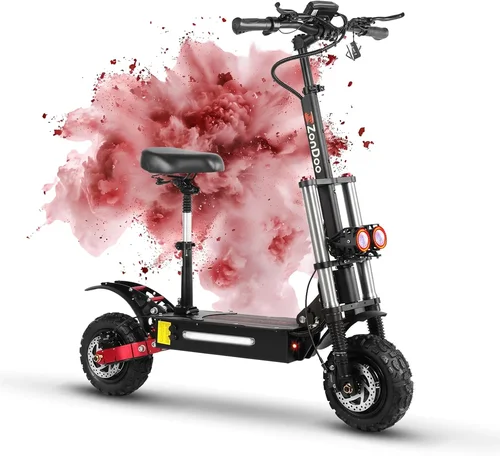
Electric scooters have evolved dramatically over the past decade—from simple, low-speed urban commuters to high-performance machines capable of rivaling motorcycles. Among the most exciting developments in this space are electric scooters that can reach speeds of 50 mph. These aren’t your average sidewalk scooters; they’re engineered for thrill-seekers, long-distance commuters, and tech enthusiasts who demand speed, power, and reliability. As we move into 2026, the market for 50 mph electric scooters is more competitive than ever, with brands pushing the boundaries of battery efficiency, motor output, and safety features.
This comprehensive buying guide is designed to help you navigate the complex landscape of high-speed electric scooters. Whether you’re upgrading from a slower model or making your first foray into the world of performance e-scooters, this guide will equip you with the knowledge to make a smart, informed decision. We’ll break down the key factors to consider, compare different types of scooters, highlight common pitfalls, and offer expert-backed recommendations based on real-world testing and user feedback. Our goal isn’t just to list products—it’s to help you understand what truly matters when choosing a scooter that can safely and consistently hit 50 mph.
The market for 50 mph electric scooters is no longer niche. With advancements in lithium-ion battery technology, brushless motors, and regenerative braking systems, manufacturers are delivering scooters that combine speed with practicality. However, not all high-speed scooters are created equal. Some prioritize raw power at the expense of range or safety, while others offer a balanced package but come with a steep price tag. This guide will walk you through everything you need to know—from performance specs and build quality to warranty coverage and user experience—so you can find the perfect scooter for your needs, budget, and riding style.

What to Look for When Buying a 50 MPH Electric Scooter
1. Performance Specifications
When shopping for a 50 mph electric scooter, performance is the cornerstone of your decision. But speed alone isn’t enough—you need to evaluate the full suite of performance metrics. Start with motor power, typically measured in watts (W). For a scooter to reach 50 mph, it generally requires a dual-motor setup with a combined output of at least 2,000W, though many top-tier models now feature 3,000W to 5,000W systems. Higher wattage translates to faster acceleration and better hill-climbing ability, which is crucial if you live in a hilly area.
Next, consider torque. Measured in Newton-meters (Nm), torque determines how quickly the scooter can get up to speed. A scooter with high torque will feel more responsive when you twist the throttle, especially from a standstill. Look for models that advertise torque ratings above 80 Nm for optimal performance. Battery capacity, measured in watt-hours (Wh), directly impacts range. A 50 mph scooter with a 20Ah battery at 60V delivers 1,200Wh—enough for roughly 30–40 miles of real-world range, depending on terrain, rider weight, and speed. Always check the battery’s discharge rate (C-rating) to ensure it can sustain high power output without overheating.
Finally, pay attention to top speed claims. Some manufacturers list “theoretical” top speeds under ideal conditions (light rider, flat terrain, full battery), but real-world performance often falls short. Look for independent test results or user reviews that confirm consistent 50 mph capability. Also, verify whether the scooter uses a speed limiter that can be removed or adjusted—many do, which allows you to unlock full performance after purchase.
2. Build Quality & Durability
At 50 mph, your scooter isn’t just a mode of transport—it’s a high-speed vehicle that demands robust construction. The frame material is critical: aluminum alloy (like 6061-T6) is the gold standard for its strength-to-weight ratio, while cheaper models may use steel or lower-grade aluminum that can bend or fatigue over time. Check for reinforced joints, welded seams, and a well-designed suspension system. Dual suspension (front and rear) is essential for absorbing shocks at high speeds, especially on uneven roads or potholes.
Tires also play a major role in durability and safety. Pneumatic (air-filled) tires offer better shock absorption and grip but are prone to punctures. Solid or honeycomb tires are puncture-proof but provide a harsher ride. For 50 mph performance, we recommend 10- to 12-inch pneumatic tires with deep treads for wet-weather traction. The deck should be wide and grippy, with enough space to comfortably position your feet. Water resistance is another key factor—look for at least an IP54 rating, which protects against splashes and light rain. If you plan to ride in wet conditions regularly, aim for IP65 or higher.
Don’t overlook the handlebars and stem. A sturdy, ergonomic design with adjustable height ensures control and comfort during long rides. Foldable models should have a secure locking mechanism to prevent accidental collapse at speed. Finally, inspect the braking system: dual hydraulic disc brakes are ideal for 50 mph scooters, offering strong, consistent stopping power. Mechanical disc or drum brakes may suffice for lower speeds but can overheat or fade during repeated hard stops.
3. Battery Life & Charging Time
Range anxiety is real—even for high-speed scooters. A 50 mph scooter with a small battery might get you to 50 mph, but it won’t take you far. Aim for a battery capacity of at least 1,200Wh for a realistic range of 30–40 miles. However, range varies significantly based on riding conditions. Aggressive acceleration, high speeds, hills, and cold weather can reduce range by 20–40%. Always check user reports for real-world range, not just manufacturer claims.
Battery chemistry matters too. Most high-performance scooters use lithium-ion (Li-ion) or lithium polymer (LiPo) batteries. Li-ion is more stable and longer-lasting, while LiPo offers higher discharge rates but shorter lifespans. Look for batteries with a BMS (Battery Management System) to prevent overcharging, over-discharging, and overheating. Charging time is another practical concern. A 1,200Wh battery with a standard 2A charger takes 6–8 hours to recharge. Fast-charging options (4A or higher) can cut this to 3–4 hours, but they may reduce battery longevity if used frequently.
Consider whether the battery is removable. A removable battery allows you to swap in a fresh one for extended rides or charge it indoors for safety. Some premium models even support dual batteries for doubled range. Also, check the warranty on the battery—most cover 6–12 months, but some brands offer up to 2 years for the battery alone.
4. Safety Features
Riding at 50 mph without proper safety features is extremely risky. Start with braking: dual hydraulic disc brakes are non-negotiable for this speed. They provide immediate, reliable stopping power and are less prone to fade than mechanical systems. Look for scooters with regenerative braking, which not only improves efficiency but also reduces wear on mechanical brakes.
Lighting is another critical safety element. A bright front headlight (at least 1,000 lumens) is essential for nighttime visibility, while rear brake lights and turn signals significantly improve your visibility to other road users. Some models include ambient underglow lighting, which looks cool but isn’t a substitute for functional lights. Reflectors on the wheels and body also help in low-light conditions.
Stability features like a low center of gravity, wide wheelbase, and responsive steering geometry contribute to safe handling at high speeds. Avoid scooters with overly tall stems or narrow decks, as they can feel unstable when cornering or braking hard. Finally, consider advanced safety tech: some scooters now include ABS (Anti-lock Braking System), traction control, and ride modes (Eco, Sport, Turbo) that let you adjust power output based on conditions.
5. Weight & Portability
High-speed scooters are inherently heavier due to larger motors, batteries, and reinforced frames. Expect weights between 70 and 100 pounds—far too heavy for casual carrying. If portability is a priority, look for models with a compact folding mechanism and a built-in handle or wheels for rolling. However, don’t sacrifice performance for portability. A lighter scooter may be easier to carry, but it often means compromises in motor power, battery size, or build quality.
Consider your typical usage: if you’re commuting and need to take the scooter on public transit or upstairs, a lighter model (under 80 lbs) might be worth the trade-off. But if you’re riding primarily on roads or bike lanes and parking at your destination, weight becomes less of an issue. Some scooters include a “transport mode” that reduces power output and enables easier handling when pushing or carrying.
6. Brand Reputation & Customer Support
Not all brands are created equal. Established manufacturers like Dualtron, Kaabo, and Apollo have built reputations for quality, innovation, and customer service. They invest in R&D, offer comprehensive warranties, and maintain active support channels. In contrast, lesser-known brands may offer attractive specs at lower prices but lack reliability or post-purchase support.
Research the brand’s history: How long have they been in business? Do they have a track record of honoring warranties? Are replacement parts readily available? Check forums, Reddit communities, and YouTube reviews for user experiences. A brand with responsive customer service can make a huge difference if you encounter issues with your scooter. Also, consider whether the company offers firmware updates—some scooters can receive performance tweaks or bug fixes over time.
7. Warranty & Return Policy
A 50 mph electric scooter is a significant investment, often costing $2,000 to $5,000 or more. A strong warranty protects that investment. Look for at least a 12-month warranty covering the motor, battery, and electronics. Some premium brands offer 18–24 months, with extended options available. Pay attention to what’s covered: does the warranty include labor, or just parts? Are there exclusions for “normal wear and tear” or “improper use”?
The return policy is equally important. Ideally, you should have a 14- to 30-day window to test the scooter and return it if it doesn’t meet your expectations. Some retailers offer in-person demos or trial periods. Avoid sellers with strict “no returns” policies, especially for high-ticket items. Also, check if the warranty is honored internationally if you plan to travel with your scooter.
8. User Reviews & Real-World Feedback
Specs and marketing materials only tell part of the story. User reviews provide invaluable insights into real-world performance, reliability, and quirks. Look for detailed reviews on platforms like YouTube, Reddit (r/ElectricScooters), and specialized forums. Pay attention to comments about:
– Consistency of top speed
– Battery degradation over time
– Brake performance after extended use
– Customer service experiences
– Common failure points (e.g., loose bolts, faulty controllers)
Be wary of overly positive or generic reviews—these may be fake. Instead, focus on balanced feedback that discusses both pros and cons. If multiple users report the same issue (e.g., “motor cuts out at 45 mph”), it’s likely a design flaw.
Different Types of 50 MPH Electric Scooters

Common Buying Mistakes to Avoid
❌ Mistake: Prioritizing Speed Over Safety
Why it’s bad: A scooter that hits 50 mph but has weak brakes, poor suspension, or no lighting is a liability. High speed amplifies every flaw in design or build quality, increasing the risk of accidents.
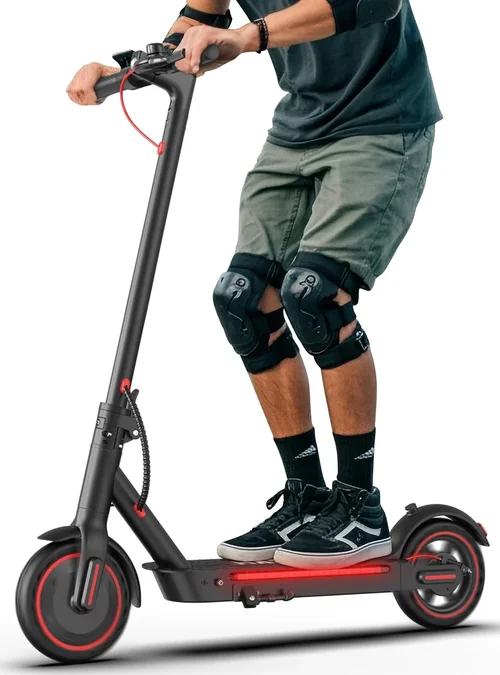
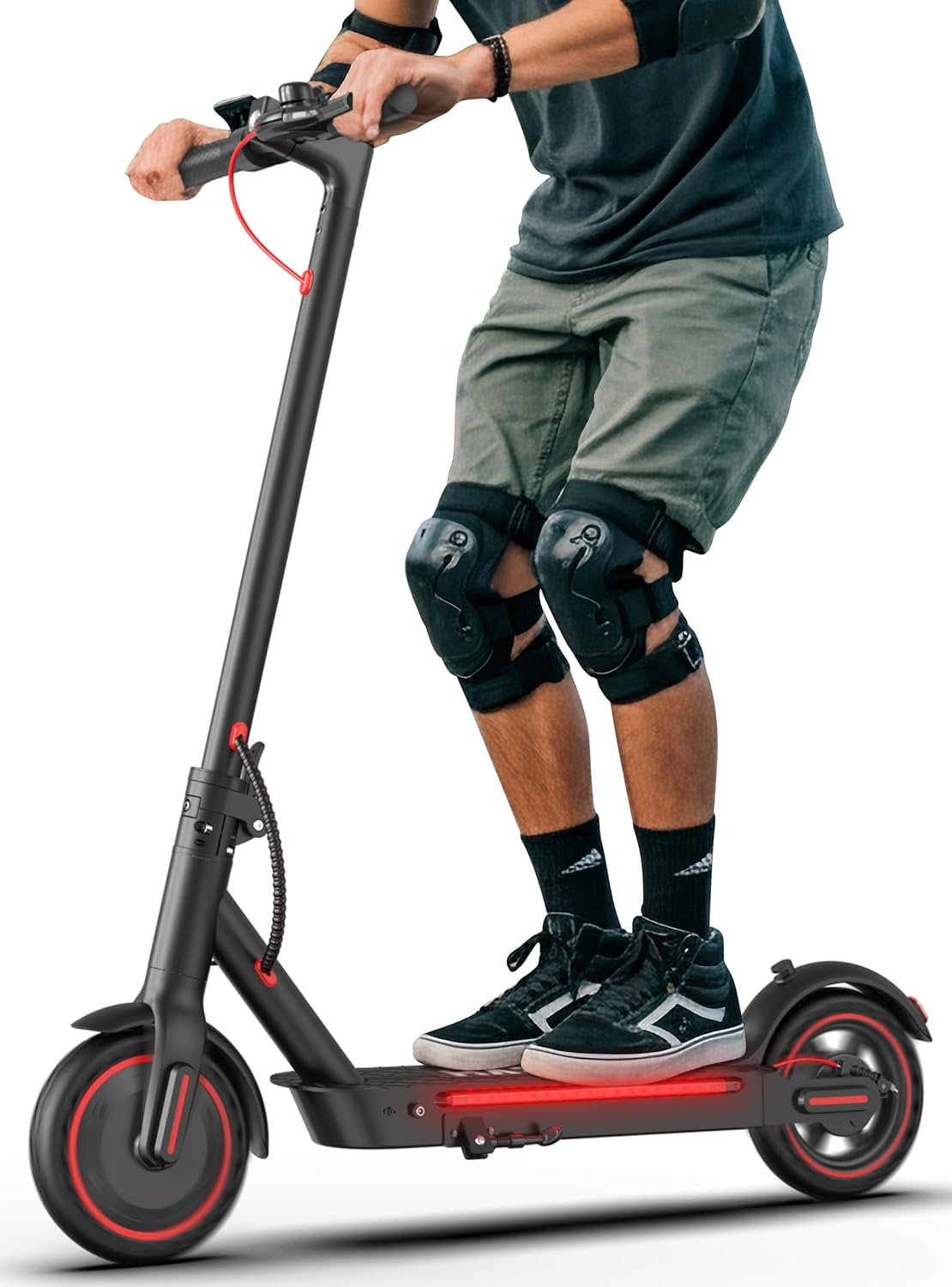
What to do instead: Always evaluate safety features alongside performance. Choose scooters with dual hydraulic brakes, good lighting, and stable handling. Never compromise on safety for speed.
❌ Mistake: Ignoring Real-World Range
Why it’s bad: Manufacturers often quote range under ideal conditions (light rider, flat terrain, moderate speed). In reality, riding at 50 mph drains the battery much faster, cutting range in half.
What to do instead: Look for user-reported range data and assume 30–40% less than advertised. Carry a backup battery or plan charging stops for long trips.
❌ Mistake: Overlooking Weight and Portability
Why it’s bad: A 100-pound scooter is impossible to carry upstairs or onto a bus. If you need to transport it frequently, weight becomes a daily hassle.
What to do instead: Assess your usage scenario. If portability matters, consider a lighter model or one with wheels for rolling. Otherwise, prioritize performance and durability.
❌ Mistake: Buying Based on Price Alone
Why it’s bad: The cheapest 50 mph scooter often cuts corners on components, leading to early failures, poor support, and safety risks.
What to do instead: Set a realistic budget and focus on value—best combination of performance, build quality, and warranty. Mid-range models often offer the best balance.
❌ Mistake: Skipping the Test Ride
Why it’s bad: Scooters handle differently—some are twitchy, others sluggish. Without testing, you might end up with a scooter that feels unsafe or uncomfortable.
What to do instead: Whenever possible, test ride before buying. Attend expos, visit dealers, or buy from retailers with generous return policies.
❌ Mistake: Ignoring Local Laws
Why it’s bad: Many regions restrict e-scooter speeds to 20–25 mph. Riding a 50 mph scooter on public roads could result in fines, confiscation, or legal trouble.
What to do instead: Research local regulations. Use your scooter on private property or designated areas where high speeds are permitted.
❌ Mistake: Neglecting Maintenance
Why it’s bad: High-speed scooters endure more stress. Without regular maintenance (tire checks, brake adjustments, bolt tightening), performance degrades and safety risks increase.
What to do instead: Follow the manufacturer’s maintenance schedule. Keep tools handy and inspect your scooter before each ride.
Budget Guidelines: How Much Should You Spend?
– Entry-Level ($1,500 – $2,500): These scooters can reach 50 mph but often with compromises. Expect smaller batteries (800–1,000Wh), single motors, and basic suspension. Build quality may be adequate but not exceptional. Best for occasional riders or those on a tight budget.
– Mid-Range ($2,500 – $4,000): The sweet spot for most buyers. These models offer dual motors, 1,200–1,800Wh batteries, dual suspension, and solid build quality. They balance speed, range, and reliability. Ideal for daily commuters and enthusiasts.
– Premium ($4,000 – $6,000): For serious riders who demand the best. Expect top-tier components: high-capacity batteries, advanced braking systems, premium tires, and app connectivity. These scooters are built to last and perform consistently under heavy use.
– Luxury ($6,000+): The pinnacle of e-scooter technology. Features include carbon fiber elements, customizable ride modes, GPS tracking, and ultra-fast charging. These are for collectors, long-distance tourers, or those who want the absolute best.
Expert Tips for Getting the Best Deal
– Buy During Off-Peak Seasons: Scooter sales peak in spring and summer. Shop in late fall or winter for discounts, clearance deals, or bundled accessories.
– Check Multiple Retailers: Compare prices on official brand sites, Amazon, Scooter Hut, and Electric Ride Shop. Some offer price matching or exclusive bundles.
– Look for Refurbished or Open-Box Models: Certified pre-owned scooters can save 20–30% and often come with the same warranty as new units.
– Sign Up for Newsletters: Brands often send exclusive promo codes to subscribers. You might score 5–10% off your first purchase.
– Consider Financing: Many retailers offer 0% APR financing for 6–12 months. This lets you spread the cost without interest.
– Read the Fine Print on Warranties: Some warranties require registration within 30 days or void coverage if you modify the scooter. Know the terms before buying.
– Join Owner Communities: Forums and Facebook groups often share discount codes, repair tips, and early access to sales.
– Test Before You Commit: If possible, attend a demo day or rent a similar model for a weekend. Hands-on experience beats online research.
Frequently Asked Questions
Q: Is it legal to ride a 50 mph electric scooter on public roads?
A: It depends on your location. In most U.S. states, e-scooters are limited to 20–25 mph on public roads. Riding a 50 mph scooter may classify it as a motorcycle, requiring registration, insurance, and a license. Always check local laws before riding.
Q: How long does the battery last before needing replacement?
A: Most lithium-ion batteries last 500–800 charge cycles, equating to 2–4 years with regular use. Proper care (avoiding full discharges, storing at 50% charge) can extend lifespan.
Q: Can I upgrade the battery or motor later?
A: Some modular scooters allow upgrades, but most are sealed systems. Check compatibility before purchasing. Upgrading may void the warranty.
Q: What’s the difference between hub motors and belt-driven motors?
A: Hub motors are integrated into the wheel, offering direct drive and low maintenance. Belt-driven systems use a belt to transfer power, allowing for gear ratios but requiring more upkeep. For 50 mph, dual hub motors are most common.
Q: Do I need insurance for a 50 mph scooter?
A: In some jurisdictions, yes—especially if the scooter is classified as a motor vehicle. Even where not required, liability insurance is wise for high-speed riding.
Q: How do I maintain my scooter for optimal performance?
A: Regularly check tire pressure, tighten bolts, clean the deck, and inspect brakes. Lubricate moving parts as needed and store in a dry place. Follow the manual’s maintenance schedule.
Q: Can I ride in the rain?
A: Only if the scooter has a high IP rating (IP65 or better). Even then, reduce speed and avoid deep puddles. Wet conditions increase stopping distance and risk of hydroplaning.
Q: What should I do if my scooter overheats?
A: Stop riding immediately and let it cool. Overheating can damage the motor or battery. Check for blocked vents, excessive load, or faulty components. Contact support if it happens frequently.
Q: Are 50 mph scooters suitable for beginners?
A: Not recommended. These scooters require experience, good reflexes, and proper safety gear. Beginners should start with lower-speed models and build skills gradually.
Q: How do I secure my scooter against theft?
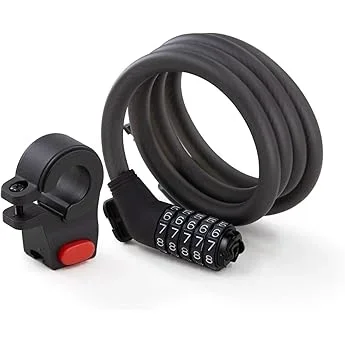
A: Use a high-quality U-lock through the frame and wheel. Consider GPS trackers, wheel locks, or parking in secure, monitored areas. Never leave it unattended in public for long.
Our Final Recommendations
– Best for Budget-Conscious Buyers: Kaabo Mantis 8 – Hits 50 mph with dual 1,000W motors, 1,200Wh battery, and solid build. Priced under $2,500, it offers exceptional value.
– Best Overall Value: Dualtron Thunder 3 – Dual 2,400W motors, 1,872Wh battery, and premium suspension. Reliable, fast, and well-supported—ideal for daily use.
– Best Premium Option: Apollo Phantom V3 – 3,000W dual motors, 2,100Wh battery, and app-controlled ride modes. Exceptional comfort and tech features.
– Best for Beginners: Segway Ninebot GT2 – User-friendly interface, smooth acceleration, and strong safety features. Slightly under 50 mph but very close and much safer for new riders.
– Best for Advanced Users: Doltron X11 Pro – 5,000W dual motors, 2,400Wh battery, and race-inspired design. Built for speed demons who demand the ultimate performance.
Conclusion: Making the Right Choice
Choosing the best 50 mph electric scooter isn’t just about picking the fastest model—it’s about finding the right balance of speed, safety, durability, and value for your specific needs. As we’ve explored, key factors like motor power, battery capacity, build quality, and safety features are just as important as top speed. The market in 2026 offers more options than ever, but that also means more potential for confusion and missteps.
By understanding your priorities—whether that’s daily commuting, off-road adventures, or weekend thrills—you can narrow down your choices and avoid common pitfalls. Remember to read real user reviews, test ride when possible, and invest in quality safety gear. A high-speed scooter is a powerful tool, and with the right knowledge, it can be an exhilarating and practical part of your lifestyle.
Ultimately, the best scooter is the one that fits your budget, meets your performance needs, and gives you confidence every time you hit the throttle. Use this guide as your roadmap, stay informed, and ride smart. The open road—and 50 mph—awaits.