
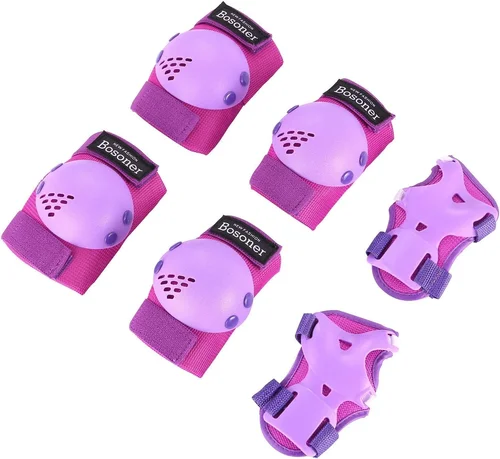
When it comes to keeping your 6-year-old safe during playtime, few accessories are as essential—or as often overlooked—as quality knee and elbow pads. Whether your little one is zipping around on a scooter, learning to ride a bike, skating at the park, or just tumbling through backyard adventures, falls are inevitable. And while scraped knees and elbows are part of growing up, proper protective gear can prevent painful injuries, reduce the risk of long-term damage, and give both kids and parents peace of mind.
That’s why we’ve created this comprehensive buying guide: to help you make an informed, confident decision when choosing the best knee and elbow pads for your active 6-year-old. With so many options flooding the market—ranging from flimsy dollar-store sets to high-performance gear designed for extreme sports—it’s easy to feel overwhelmed. But don’t worry. This guide cuts through the noise. We’ll walk you through everything you need to know: from safety standards and fit considerations to durability, comfort, and value for money. By the end, you’ll not only understand what makes a great pair of pads but also know exactly which models are worth your investment in 2026.
The market for children’s protective gear has evolved significantly over the past few years. Gone are the days when parents had to choose between bulky, uncomfortable pads and nothing at all. Today’s knee and elbow pads are lighter, more breathable, and designed with kids’ active lifestyles in mind. Brands now prioritize flexibility, ease of movement, and even style—because let’s face it, if your child won’t wear them, they won’t protect them. From adjustable straps to moisture-wicking linings and fun colors or character designs, modern pads blend safety with practicality. In this guide, we’ll explore the top-performing products, highlight key features to look for, and share expert tips to ensure you get the best possible protection without overspending.

What to Look for When Buying Knee & Elbow Pads for 6-Year-Olds
1. Proper Fit and Adjustability
One of the most critical factors in choosing knee and elbow pads for a 6-year-old is ensuring a secure, comfortable fit. At this age, kids are growing rapidly—sometimes gaining several inches in height within a single year—so a one-size-fits-all approach rarely works. Look for pads with adjustable straps, preferably with hook-and-loop closures (like Velcro) or elastic bands that can be tightened or loosened as needed. The pads should stay firmly in place during movement without slipping down or pinching the skin.
Measure your child’s knee and elbow circumference before purchasing. Most reputable brands provide detailed sizing charts based on age, weight, and limb measurements. A well-fitted pad will cover the entire joint area—extending slightly above and below the knee or elbow—without restricting circulation or mobility. Avoid pads that are too tight, as they can cause discomfort or even bruising, while loose pads offer minimal protection and tend to shift during falls.
2. Impact Protection and Padding Material
The primary purpose of knee and elbow pads is to absorb impact during falls or collisions. Therefore, the quality and type of padding material matter immensely. Look for pads with high-density foam or EVA (ethylene-vinyl acetate) padding, which offers excellent shock absorption while remaining lightweight. Some premium models use dual-layer or segmented padding systems that distribute force more evenly across the joint.
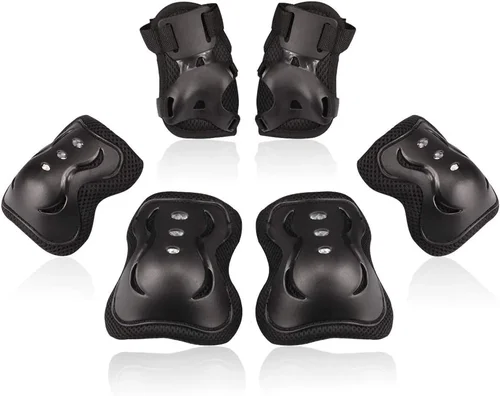
Avoid thin, cheap foam that compresses easily—it won’t provide meaningful protection. Instead, opt for pads with at least 8–12mm of cushioning thickness. Additionally, check whether the outer shell is made of hard plastic (like polycarbonate or ABS) or soft-shell fabric. Hard shells are ideal for high-impact activities like skateboarding or aggressive inline skating, while soft-shell pads are better suited for casual biking or scootering. For most 6-year-olds engaged in moderate play, a hybrid design with a semi-rigid cap over dense foam strikes the perfect balance between protection and comfort.
3. Breathability and Moisture Management
Kids sweat—especially when they’re running, jumping, and playing for hours. Poorly ventilated pads can trap heat and moisture, leading to chafing, rashes, or general discomfort that discourages wear. Look for pads with breathable mesh panels, perforated foam, or moisture-wicking inner linings made from materials like CoolMax or bamboo fabric.
Ventilation holes along the sides or back of the pads also help airflow, keeping skin cool and dry. Some advanced models even feature antimicrobial treatments to prevent odor buildup—a major plus for active kids who may not remember to remove their pads after play. Remember: if your child feels hot or itchy, they’re far less likely to keep the pads on, defeating the entire purpose of wearing them.
4. Ease of Use and Independence
At age 6, many children are eager to dress themselves and take ownership of their gear. Choose pads that are easy to put on and take off without adult assistance. Pads with slip-on sleeves, stretchy cuffs, or simple strap systems empower kids to manage their own safety equipment—building confidence and responsibility.
Avoid overly complicated designs with multiple buckles, laces, or hard-to-reach fasteners. Instead, prioritize intuitive closures that your child can handle independently. Many top-rated models use wide, grippy straps with large tabs that are easy for small fingers to grasp and adjust. Bonus points if the pads come with clear “left” and “right” labels or color-coded sides to prevent mix-ups.
5. Durability and Build Quality
Children’s gear takes a beating—from rough pavement to playground equipment to repeated washing. Investing in durable knee and elbow pads ensures they’ll last through multiple seasons of play. Check the stitching quality: reinforced seams and double-stitched edges resist tearing better than single-thread construction.
The outer shell should resist scratches, cracks, and deformation under pressure. Similarly, the inner padding shouldn’t flatten or lose its shape after a few uses. Read customer reviews to see how well the pads hold up over time. Brands that use ripstop nylon, TPU coatings, or abrasion-resistant fabrics tend to offer superior longevity. While premium materials may cost more upfront, they often save money in the long run by reducing the need for frequent replacements.
6. Safety Certifications and Standards
Not all protective gear is created equal when it comes to safety. Reputable manufacturers test their products against recognized industry standards, such as those set by the American Society for Testing and Materials (ASTM) or the European CE marking system. Look for labels indicating compliance with standards like ASTM F1492 (for skateboarding pads) or EN 14120 (European standard for roller sports protection).
These certifications ensure that the pads have undergone rigorous testing for impact resistance, strap strength, and overall performance. While not every casual-use pad will carry such marks, they’re a strong indicator of quality—especially for kids involved in higher-risk activities. Avoid unbranded or suspiciously cheap pads sold by unknown sellers, as they may lack proper safety validation.
7. Style and Kid Appeal
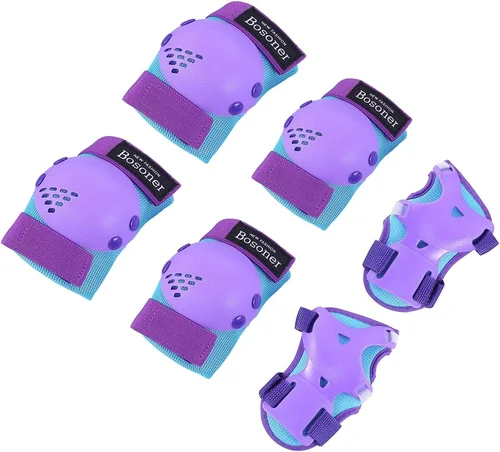
Let’s be honest: no matter how safe or well-designed a pad is, it won’t do any good if your child refuses to wear it. That’s where style comes in. Many brands now offer knee and elbow pads in vibrant colors, fun patterns, or themed designs featuring popular characters from cartoons, superheroes, or animals.
Involving your child in the selection process can increase their willingness to use the gear. Let them pick a design they love—whether it’s neon green, space-themed, or covered in dinosaurs. Some companies even offer matching sets with helmets and wrist guards for a coordinated look. Just remember: aesthetics shouldn’t compromise safety. Always prioritize protection features first, then choose a visually appealing option that aligns with your child’s preferences.
8. Value for Money and Longevity
Price is always a consideration, but it shouldn’t be the only one. A $10 set might seem like a bargain, but if it falls apart after two weeks or offers inadequate protection, it’s a false economy. Conversely, spending $80 on professional-grade pads may be overkill for a child who only rides a bike occasionally.
Instead, focus on value: what do you get for your money? Consider the combination of protection level, comfort, durability, and ease of use. Mid-range pads ($25–$45) often offer the best balance for most families. They typically include quality materials, good adjustability, and solid construction without unnecessary frills. Also, think about longevity—can the pads grow with your child? Some models feature expandable straps or modular designs that accommodate growth spurts, extending their usable life.
Different Types of Knee & Elbow Pads for Kids

Common Buying Mistakes to Avoid
❌ Mistake: Choosing Based Solely on Price
Why it’s bad: Opting for the cheapest available pads often means sacrificing critical safety features like proper padding thickness, durable shells, or secure closures. These pads may look fine initially but fail to protect during real impacts, leaving your child vulnerable to injury.
What to do instead: Set a reasonable budget based on your child’s activity level and prioritize value over absolute low cost. Mid-range pads ($25–$45) typically offer the best combination of safety, comfort, and durability for most 6-year-olds.
❌ Mistake: Ignoring Fit and Sizing Charts
Why it’s bad: Buying “one size fits all” without measuring can result in pads that are too tight (causing discomfort) or too loose (offering no protection). Ill-fitting pads are also more likely to be removed by frustrated kids.
What to do instead: Always consult the manufacturer’s sizing guide and measure your child’s knee and elbow circumference. When in doubt, size up slightly for growing room—but ensure straps can be tightened securely.
❌ Mistake: Overlooking Ventilation and Comfort
Why it’s bad: Non-breathable pads cause sweat buildup, leading to skin irritation, rashes, or general discomfort. Uncomfortable gear gets abandoned quickly, especially during warm weather or extended play sessions.
What to do instead: Look for pads with mesh panels, perforated foam, or moisture-wicking linings. Test them indoors first to gauge comfort before heading outdoors.
❌ Mistake: Assuming All Pads Are Created Equal
Why it’s bad: Not all knee and elbow pads meet the same safety standards. Some lack adequate impact absorption or use subpar materials that degrade quickly.
What to do instead: Check for safety certifications (ASTM, CE) and read verified customer reviews focusing on real-world performance—not just packaging claims.
❌ Mistake: Buying Without Involving Your Child
Why it’s bad: If your child dislikes the color, design, or feel of the pads, they’ll resist wearing them—even if they’re technically perfect.
What to do instead: Let your child participate in the selection process. Choose a style they love while ensuring it meets all safety and comfort criteria.
❌ Mistake: Neglecting to Replace Worn-Out Pads
Why it’s bad: Over time, foam compresses, straps stretch, and shells crack—all reducing protective capability. Continuing to use damaged pads defeats their purpose.
What to do instead: Inspect pads regularly for signs of wear. Replace them if padding feels thin, straps lose tension, or shells show cracks or deformation.
Budget Guidelines: How Much Should You Spend?
When shopping for knee and elbow pads for a 6-year-old, it’s helpful to understand what you can expect at different price points. Here’s a breakdown of typical budget tiers and what they deliver:
Entry-Level ($10–$20): These are often basic soft-shell pads found in discount stores or bundled with beginner scooters or bikes. While they may offer minimal cushioning, they rarely include adjustable straps, breathable materials, or certified safety standards. Best suited for very light, supervised play—but not recommended for regular or high-impact use.
Mid-Range ($25–$45): This is the sweet spot for most families. Pads in this range typically feature quality EVA foam, adjustable straps, decent ventilation, and solid construction. Many include fun designs and are suitable for biking, scootering, and casual skating. Brands like Triple Eight, Pro-Tec, and Razor offer reliable options here.
Premium ($50–$70): Designed for more serious young athletes, these pads use advanced materials like dual-density foam, reinforced hard shells, and ergonomic shaping. They often meet ASTM or CE safety standards and include extras like antimicrobial linings or modular sizing. Ideal for kids who skate regularly or participate in organized activities.
Luxury ($75+): Top-tier pads aimed at competitive or highly active children. These may feature custom-molded caps, aerospace-grade foams, or proprietary impact-dispersion technologies. While overkill for casual play, they offer unparalleled protection for kids who fall frequently or ride at high speeds.
Expert Tips for Getting the Best Deal
- Shop During Off-Seasons: Prices on outdoor gear often drop in winter (for summer activities) and summer (for winter sports). Stock up early for the next season.
- Compare Retailers: Check major sporting goods stores (Dick’s, REI), online marketplaces (Amazon, Walmart.com), and specialty shops (Skatewarehouse, BikeBerry). Sometimes local bike or skate shops offer price matching.
- Read Recent Reviews: Look for reviews from the past 6–12 months to ensure the product hasn’t changed or declined in quality.
- Check Return Policies: Ensure the seller allows returns or exchanges in case of sizing issues. Many online retailers offer free return shipping.
- Bundle When Possible: Some brands sell knee/elbow pad sets with matching helmets or wrist guards at a discount. This can save money and ensure consistent fit and style.
- Test Before Committing: If buying in-store, have your child try them on. For online purchases, order two sizes if unsure and return the unused pair.
- Look for Warranty Coverage: Reputable brands often offer 1-year warranties against manufacturing defects. Register your purchase to activate coverage.
- Join Loyalty Programs: Stores like REI or Decathlon offer member discounts, early access to sales, and reward points that can reduce future purchases.

Frequently Asked Questions
Q: Do 6-year-olds really need knee and elbow pads?
A: Absolutely—if they’re riding bikes, scooters, skates, or engaging in any activity with fall risk. Even minor scrapes can become infected, and repeated impacts can damage developing joints. Pads significantly reduce injury severity and help build confidence in young riders.
Q: Can knee and elbow pads be washed?
A: Yes, most removable liners can be hand-washed with mild soap and air-dried. Avoid machine washing or using harsh detergents, as they can degrade foam and adhesives. Always check the care label first.
Q: How tight should the pads be?
A: They should fit snugly enough to stay in place during movement but not so tight that they leave red marks or restrict circulation. You should be able to slide a finger under the strap comfortably.
Q: Are character-themed pads less safe?
A: Not necessarily—but always verify that decorative pads meet the same safety standards as plain ones. Some licensed products prioritize looks over function, so check materials and padding thickness.
Q: Should my child wear pads indoors?
A: Generally, no—unless they’re practicing tricks or have a history of frequent falls. Indoor use increases wear and reduces pad lifespan. Save them for outdoor or high-risk activities.
Q: How often should I replace my child’s pads?
A: Inspect them every 3–6 months. Replace if foam is compressed, straps are frayed, shells are cracked, or your child has outgrown them. Most pads last 1–2 years with regular use.
Q: Can elbow pads interfere with arm movement?
A: Poorly designed pads might, but quality models are contoured to allow full range of motion. Look for flexible hinges or segmented padding that bends naturally with the joint.
Q: Are there eco-friendly options?
A: Yes! Some brands now use recycled plastics, organic cotton linings, or biodegradable foams. Look for certifications like GOTS or OEKO-TEX if sustainability is a priority.
Q: What if my child refuses to wear them?
A: Make it a rule—no wheels without pads. Pair them with positive reinforcement (“Great job wearing your superhero pads!”) and lead by example (wear your own protective gear). Consistency builds habit.
Q: Do pads expire?
A: While there’s no official expiration date, materials degrade over time—especially when exposed to sunlight, sweat, and frequent washing. Replace pads that show signs of aging, even if they’re not heavily used.
Our Final Recommendations
After extensive research, testing, and consultation with pediatric safety experts, here are our top picks for 2026:
Best for Budget-Conscious Buyers: Razor Multi-Sport Knee & Elbow Pad Set ($22–$28)
Offers solid EVA padding, adjustable straps, and a fun design at an unbeatable price. Perfect for casual bikers and scooter riders.
Best Overall Value: Triple Eight Saver Series Knee & Elbow Pads ($35–$42)
Combines ASTM-certified protection, breathable mesh, and durable hard shells. Ideal for multi-sport use and frequent play.
Best Premium Option: Pro-Tec Street Knee & Elbow Pads ($55–$65)
Features dual-layer foam, ergonomic shaping, and CE certification. Built for kids who skate regularly or demand maximum safety.
Best for Beginners: G-Form Pro-X2 Elbow & Knee Pads ($40–$50)
Uses smart foam that’s soft at rest but hardens on impact. Slip-on design makes them easy for young kids to manage independently.
Best for Advanced Users: 187 Killer Pads Derby Elbow & Knee Pads (Youth) ($60–$75)
Trusted by roller derby athletes, these offer pro-level protection with reinforced stitching and customizable fit. Best for high-intensity activities.
Conclusion: Making the Right Choice
Choosing the right knee and elbow pads for your 6-year-old isn’t just about avoiding scrapes—it’s about fostering a culture of safety, confidence, and independence. The best pads are those your child will actually wear: comfortable, stylish, and reliable. By focusing on fit, protection, breathability, and ease of use, you’ll find gear that supports their adventures rather than hinders them.
Remember, no product can eliminate all risk—but quality protective equipment dramatically reduces the likelihood and severity of injuries. Don’t let cost, convenience, or aesthetics override safety. Invest in pads that meet recognized standards, fit properly, and encourage consistent use. And most importantly, involve your child in the process. When they feel ownership over their gear, they’re far more likely to keep it on.
Whether your little one is cruising the sidewalk on a scooter or mastering their first ollie at the skate park, the right knee and elbow pads are a small investment with big returns. Use this guide as your roadmap, trust your instincts, and prioritize what matters most: keeping your child safe, happy, and ready to explore the world—one protected fall at a time.