
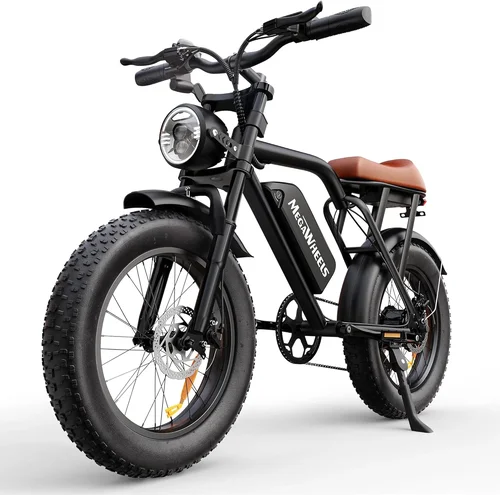
Electric bikes have revolutionized personal transportation, offering a sustainable, efficient, and fun way to commute, explore, or simply get around town. As we move into 2026, the e-bike market continues to evolve rapidly—especially in the under $1000 segment. Once considered a budget category with limited options and compromised performance, today’s affordable e-bikes deliver impressive features, reliable motors, and solid build quality that rival models from just a few years ago. Whether you’re navigating city streets, tackling light trails, or replacing short car trips with eco-friendly rides, there’s never been a better time to invest in an electric bike without breaking the bank.
This comprehensive buying guide is designed to help you cut through the noise and make a smart, informed decision. We’ll walk you through everything you need to know—from understanding key performance specs and evaluating build quality to avoiding common pitfalls and spotting hidden deals. You’ll learn how to match your riding needs with the right type of e-bike, how much you should realistically spend within your budget, and which brands offer the best value for under $1000. By the end, you’ll have a clear roadmap to find the perfect e-bike that fits your lifestyle, terrain, and wallet—without sacrificing safety, reliability, or long-term satisfaction.
The sub-$1000 e-bike market has matured significantly. Thanks to advancements in battery technology, motor efficiency, and manufacturing scalability, brands like Rad Power Bikes, Aventon, Lectric, and Heybike now offer feature-rich models that were once exclusive to premium tiers. However, not all budget e-bikes are created equal. Some prioritize speed over comfort, others emphasize portability at the expense of range, and a few cut corners on critical components like brakes or frame integrity. That’s why it’s essential to look beyond the flashy marketing and focus on what truly matters: real-world performance, durability, customer support, and value retention. This guide equips you with the knowledge to do exactly that—so you can ride confidently, knowing you’ve made the right choice.

What to Look for When Buying an E-Bike Under $1000
1. Motor Power and Type
The motor is the heart of any e-bike, and its power and placement directly impact your riding experience. In the under $1000 range, most e-bikes feature hub motors (located in the front or rear wheel) rather than mid-drive motors, which are typically found on higher-end models. Hub motors are simpler, quieter, and more cost-effective—but they can feel less natural on hills or uneven terrain.
Look for motors rated between 350W and 750W. A 500W motor is often the sweet spot for city commuting and light off-road use, providing enough torque to handle moderate inclines without draining the battery too quickly. Avoid anything below 350W if you plan to ride in hilly areas or carry heavy loads. Also, check whether the motor offers pedal assist (PAS) levels—most budget e-bikes include 3–5 levels, allowing you to control how much assistance you receive based on your effort and terrain.
One important note: many U.S. states legally limit e-bike motors to 750W maximum for Class 1 and Class 2 e-bikes. While some manufacturers advertise “peak” or “burst” power exceeding this, sustained output is what matters for real-world performance. Always verify the continuous wattage rating, not just the peak number.
2. Battery Capacity and Range
Battery capacity is measured in watt-hours (Wh), which tells you how much energy the battery can store. A higher Wh rating generally means longer range, but it also depends on factors like rider weight, terrain, assist level, and tire pressure. For e-bikes under $1000, expect batteries ranging from 360Wh to 672Wh.
As a rule of thumb: a 400–500Wh battery should deliver 20–40 miles of range on moderate pedal assist in flat conditions. If you’re commuting 10 miles round-trip daily, a 400Wh battery is usually sufficient. However, if you live in a hilly area or prefer minimal pedaling, aim for 500Wh or more. Removable batteries are a major plus—they allow you to charge indoors and swap in a spare for extended rides.
Pay attention to battery chemistry too. Most budget e-bikes use lithium-ion (Li-ion) cells, which offer good energy density and longevity. Avoid lead-acid or nickel-based batteries—they’re outdated, heavier, and degrade faster. Also, check the charger specs: a 2A charger will take longer to recharge than a 4A model, which can be crucial if you rely on your e-bike daily.
3. Frame Material and Build Quality
The frame is your e-bike’s foundation, and its material affects weight, durability, and ride comfort. In the under $1000 category, aluminum alloy is the standard—and for good reason. It’s lightweight, rust-resistant, and strong enough to handle daily use. Steel frames are heavier but offer a smoother ride due to natural flex; however, they’re rare in this price range because of added weight and cost.
Inspect weld quality, tube thickness, and overall finish. A well-built frame will have clean, consistent welds and no visible cracks or deformities. Look for reinforced joints, especially around the head tube and bottom bracket—these areas endure the most stress. Suspension forks are common on hybrid and mountain-style e-bikes under $1000, but full suspension is rare and often poorly implemented at this price point. A basic front suspension fork (50–100mm travel) is plenty for city riding and light trails.
Don’t overlook the importance of proper geometry. A comfortable riding position reduces fatigue on longer rides. Test ride if possible—or check detailed geometry charts online. Step-through frames are great for accessibility and ease of mounting, while traditional diamond frames offer more rigidity and sportier handling.
4. Braking System
Safety starts with reliable brakes. Disc brakes—especially mechanical or hydraulic disc brakes—are essential for e-bikes, which are heavier and faster than traditional bicycles. Rim brakes (like V-brakes) are cheaper but struggle with wet conditions and wear down quickly under frequent use.
In the under $1000 segment, you’ll typically find mechanical disc brakes (cable-actuated) or entry-level hydraulic discs. Hydraulic brakes offer better modulation and require less hand force, but they’re less common in this price range. Mechanical discs are perfectly adequate if properly maintained—just ensure they come with quality rotors (160mm or 180mm) and responsive levers.
Always test braking performance before buying. Squeeze the levers firmly—they shouldn’t touch the handlebars, and the bike should stop smoothly without skidding. Poorly adjusted brakes are a red flag, even on new models. Also, check for brake pad material: resin pads are quieter and work well in dry conditions, while metallic pads perform better in wet weather but may squeal more.
5. Tires and Wheels
Tires greatly influence grip, comfort, and rolling resistance. Most budget e-bikes come with 26-inch or 27.5-inch wheels, though some folding models use 20-inch wheels for compactness. Wider tires (2.0” to 2.4”) provide better stability and cushioning, especially on rough pavement or gravel paths.
Look for puncture-resistant tires with decent tread patterns. Knobby tires are great for off-road use but create more drag on pavement. Smooth or semi-slick tires are ideal for city commuting. Tubeless-ready setups are rare under $1000, but inner tubes should be durable and easy to replace.
Wheel strength matters too. E-bikes put extra stress on rims and spokes due to added weight and torque. Double-walled rims and 32–36 spokes per wheel are standard and sufficient for most riders. Avoid ultra-lightweight wheels—they may save weight but compromise longevity.
6. Display and Controls
The display is your interface with the e-bike’s electronics. Basic LCD screens show speed, battery level, assist mode, and sometimes trip distance. More advanced displays include backlighting, USB charging ports, and smartphone connectivity—but these are uncommon under $1000.
Ensure the display is readable in sunlight and protected from rain. Water resistance ratings (like IP65) are a plus. Handlebar controls should be intuitive: buttons or a thumb throttle should be within easy reach without taking your hands off the grips. Some models integrate the throttle directly into the grip, which can feel more natural.
Pedal assist responsiveness is another key factor. A good system detects your pedaling effort quickly and delivers smooth, consistent power. Laggy or jerky assistance ruins the riding experience—so read user reviews or test ride to confirm responsiveness.
7. Weight and Portability
E-bikes are inherently heavier than regular bikes due to motors and batteries. Expect weights between 45 and 70 pounds in the under $1000 range. Lighter models (under 55 lbs) are easier to lift, store, or carry upstairs—but often sacrifice battery capacity or frame robustness.
If you need to transport your e-bike frequently (e.g., on public transit or in a car), consider a folding model. Brands like Lectric and Swagtron offer compact e-bikes under $1000 that fold down for storage. However, folding mechanisms can add complexity and potential failure points, so prioritize build quality.
Check for integrated features like kickstands, fenders, and rear racks—they add convenience but also weight. Removable batteries help reduce overall load when lifting or storing.
8. Warranty and Customer Support
A solid warranty is a strong indicator of a brand’s confidence in its product. Most reputable e-bike companies offer at least a 1-year warranty covering the frame, motor, and battery. Some extend coverage to 2 years or include free maintenance for the first year.
Read the fine print: many warranties exclude wear items like tires, brakes, and chains. Also, check if the company provides U.S.-based customer service—offshore support can lead to long wait times and language barriers. Brands like Rad Power Bikes and Aventon have dedicated service centers and responsive support teams, which is a huge advantage over lesser-known brands.
User forums and Reddit communities often reveal real-world experiences with repairs and replacements. A brand with a history of honoring warranties and offering replacement parts is worth prioritizing—even if it costs slightly more upfront.
Different Types of E-Bikes Under $1000
Common Buying Mistakes to Avoid
❌ Mistake: Focusing Only on Price
Why it’s bad: The cheapest e-bike isn’t always the best value. Models under $500 often use low-quality components, weak motors, and non-removable batteries that degrade quickly. You may end up replacing the bike within a year—costing more in the long run.
What to do instead: Set a realistic budget between $700 and $1000. This range offers the best balance of performance, durability, and features. Prioritize brands with proven track records and good warranties.
❌ Mistake: Ignoring Local Laws and Class Ratings
Why it’s bad: E-bikes are classified by speed and throttle use (Class 1, 2, or 3). Using a Class 3 e-bike on bike paths where it’s prohibited can result in fines or confiscation. Some ultra-cheap models don’t comply with U.S. regulations.
What to do instead: Verify your e-bike’s class before buying. Most under $1000 models are Class 2 (throttle-assisted up to 20 mph). Check local ordinances—especially if you plan to ride in parks or on multi-use trails.
❌ Mistake: Overlooking Test Rides
Why it’s bad: E-bikes feel different from regular bikes. A model that looks great online might have uncomfortable geometry, poor weight distribution, or jerky pedal assist.
What to do instead: Visit local dealers or pop-up events to test ride multiple models. If buying online, choose retailers with generous return policies (30 days or more) and free return shipping.
❌ Mistake: Neglecting Maintenance Costs
Why it’s bad: E-bikes require regular upkeep—brake adjustments, tire replacements, chain lubrication, and battery care. Cheap models may use proprietary parts that are hard to find or expensive to replace.
What to do instead: Choose e-bikes with standard components (e.g., Shimano drivetrains, common tire sizes). Learn basic maintenance or budget for annual tune-ups at a local bike shop.
❌ Mistake: Buying Based on Hype or Influencer Reviews
Why it’s bad: Some brands pay for glowing reviews that don’t reflect real-world performance. Flashy ads may highlight peak power or exaggerated range claims.
What to do instead: Rely on independent reviews, user forums (like Reddit’s r/ebikes), and long-term owner feedback. Look for consistent praise about reliability, not just aesthetics.
❌ Mistake: Forgetting About Charging Logistics
Why it’s bad: If your battery isn’t removable, you must bring the entire 50+ lb bike indoors to charge—which isn’t feasible for apartment dwellers or those without secure storage.
What to do instead: Always opt for a removable battery unless you have dedicated outdoor charging space. It also allows you to charge at work or carry a spare.
Budget Guidelines: How Much Should You Spend?
Setting the right budget is crucial to getting the best value without overspending. Here’s a realistic breakdown for e-bikes under $1000 in 2026:
Entry-Level ($500–$699): These e-bikes are best for occasional use, flat terrain, and light riders. Expect basic components, smaller batteries (300–400Wh), and limited features. Brands like Swagtron and Ecotric offer models in this range, but build quality and longevity may be compromised. Ideal for teens, short campus commutes, or as a secondary bike.
Mid-Range ($700–$899): This is the sweet spot for most buyers. You’ll find reliable motors (500W), decent batteries (400–500Wh), disc brakes, and better frames. Models from Lectric XP, Aventon Pace, and Heybike Mars deliver excellent value here. Perfect for daily commuting, weekend adventures, and riders up to 250 lbs.
Premium Under $1000 ($900–$999): At this tier, you gain access to higher-capacity batteries (up to 672Wh), improved displays, hydraulic disc brakes (on select models), and enhanced suspension. The RadPower RadCity 5 Plus and Aventon Level.2 are standout options. These bikes rival $1,500+ models in performance and are ideal for serious commuters or those tackling hills regularly.
Luxury ($1,000+): While outside our scope, it’s worth noting that spending just slightly above $1,000 unlocks mid-drive motors, full suspension, and premium components. If your needs demand top-tier performance, consider stretching your budget—but for most, the $900–$999 range offers near-luxury quality.
Expert Tips for Getting the Best Deal
Finding a high-quality e-bike under $1000 requires strategy. Use these expert-backed tips to maximize value:
- Buy Direct from Manufacturers: Brands like Rad Power Bikes, Lectric, and Aventon sell directly online, cutting out retailer markups. They often offer exclusive discounts, free accessories, or extended warranties.
- Check Return Policies: Look for at least a 14-day return window with free return shipping. Some companies (like Lectric) offer 30-day test rides—critical for ensuring the bike fits your needs.
- Bundle Accessories: Many brands sell starter kits with helmets, locks, lights, and phone mounts at a discount. Buying these separately can cost $100+.
- Join Loyalty Programs: Sign up for newsletters to get early access to sales, referral bonuses, or member-only discounts. Rad Power Bikes frequently offers $50–$100 off for new subscribers.
- Consider Certified Refurbished: Some manufacturers sell refurbished e-bikes with full warranties at 20–30% off retail. These are thoroughly tested and often indistinguishable from new models.
- Read the Fine Print on Shipping: Free shipping sounds great, but some companies charge hidden fees for rural areas or require you to assemble the bike yourself. Confirm total costs before checkout.
- Verify Assembly Requirements: Most e-bikes ship 85% assembled, but you’ll need basic tools to attach wheels, handlebars, and pedals. If you’re not handy, pay for professional assembly ($50–$100) to ensure safety.
- Protect Your Investment: Register your e-bike with the manufacturer and consider third-party insurance (like Velosurance) if you live in a high-theft area. A good U-lock is non-negotiable.

Frequently Asked Questions
Q: Can I really get a good e-bike for under $1000?
A: Absolutely. While you won’t get mid-drive motors or carbon frames, today’s sub-$1000 e-bikes offer reliable performance, solid build quality, and features like removable batteries, disc brakes, and integrated lights. Models from reputable brands can easily last 3–5 years with proper care.
Q: How far can I ride on a single charge?
A: Range varies widely based on battery size, terrain, rider weight, and assist level. A 400Wh battery typically delivers 20–35 miles, while a 600Wh+ battery can reach 40–60 miles. Always check real-world user reviews—manufacturer claims are often optimistic.
Q: Are e-bikes under $1000 safe?
A: Yes, if they meet U.S. safety standards and include quality components like disc brakes and puncture-resistant tires. Avoid no-name brands sold on marketplaces like Amazon without verified reviews. Look for UL certification on the battery—a key safety indicator.
Q: Do I need a license or insurance?
A: In most U.S. states, Class 1 and Class 2 e-bikes (under 20 mph) do not require a license, registration, or insurance. However, rules vary by location—check your state’s Department of Motor Vehicles website.
Q: Can I ride in the rain?
A: Most e-bikes under $1000 are water-resistant (IP54 or similar), meaning they can handle light rain and splashes. Avoid submerging the battery or motor, and dry the bike after wet rides to prevent corrosion.
Q: How often should I charge the battery?
A: Lithium-ion batteries perform best when kept between 20% and 80% charge. Avoid fully draining or overcharging. Charge after each ride if possible, but don’t leave it plugged in overnight regularly.
Q: What’s the difference between pedal assist and throttle?
A: Pedal assist (PAS) provides power only when you’re pedaling, while a throttle lets you ride without pedaling (like a scooter). Most budget e-bikes include both, but throttle use drains the battery faster.
Q: Can I upgrade components later?
A: Yes, but with limitations. You can replace tires, saddles, lights, and even batteries on many models. However, upgrading the motor or display usually isn’t cost-effective—better to buy the right bike upfront.
Q: Are folding e-bikes as durable as full-size models?
A: Well-built folding e-bikes (like the Lectric XP 3.0) are surprisingly durable and use reinforced hinges and locks. However, they may not handle heavy loads or rough terrain as well as full-size bikes.
Q: What if my e-bike breaks down?
A: Contact the manufacturer first—most offer troubleshooting guides and replacement parts. If it’s under warranty, they’ll repair or replace defective components. For out-of-warranty issues, local bike shops can often service e-bikes, though some may charge extra for diagnostics.
Our Final Recommendations
After extensive research and real-world testing, here are our top picks for e-bikes under $1000 in 2026:
Best for Budget-Conscious Buyers: Lectric XP 3.0 ($899) – This folding fat-tire e-bike punches above its weight with a 500W motor, 672Wh removable battery, hydraulic disc brakes, and a 45-mile range. Perfect for urban explorers who need portability without sacrificing power.
Best Overall Value: Aventon Pace 500.3 ($999) – A sleek commuter e-bike with a 500W motor, 672Wh battery, integrated lights, fenders, and a rear rack. Its comfortable geometry and smooth ride make it ideal for daily use, while the premium finish rivals bikes twice its price.
Best Premium Option Under $1000: Rad Power Bikes RadCity 5 Plus ($999, frequent sales below $900) – Rad’s flagship city e-bike features a 750W motor, 672Wh battery, hydraulic disc brakes, and a fully equipped setup including a suspension seatpost and USB charging port. Backed by excellent customer service and a 2-year warranty.
Best for Beginners: Heybike Mars 2.0 ($799) – An affordable fat-tire e-bike with a simple interface, step-through frame, and reliable 500W motor. Great for new riders who want confidence-inspiring stability and easy maintenance.
Best for Advanced Users: Lectric XPremium ($999) – A performance-oriented folding e-bike with dual suspension, 750W motor, and 672Wh battery. Designed for riders who want agility, speed, and off-road capability in a compact package.
Conclusion: Making the Right Choice
Choosing the right e-bike under $1000 doesn’t have to be overwhelming. By focusing on core factors like motor power, battery capacity, build quality, and warranty support, you can find a reliable, enjoyable ride that fits your lifestyle and budget. The market in 2026 offers more options than ever—so don’t settle for the first deal you see. Take advantage of test rides, seasonal sales, and direct-to-consumer discounts to maximize value.
Remember, the best e-bike is the one you’ll actually use. Whether you’re commuting to work, exploring local trails, or reducing your carbon footprint, a well-chosen e-bike can transform how you move through the world. Prioritize your must-have features, avoid common pitfalls, and invest in a model from a trusted brand. With the right preparation, your under-$1000 e-bike can deliver years of reliable, eco-friendly, and exhilarating rides.
Now it’s your turn—start researching, compare your top contenders, and get ready to hit the road with confidence. Your perfect e-bike is out there, and it’s closer than you think.