
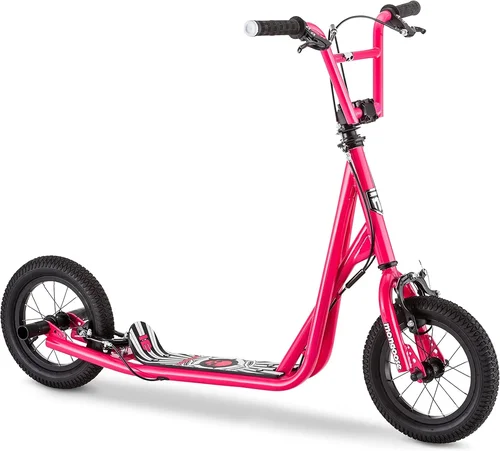
Fat tire scooters have surged in popularity over the past few years, and for good reason. Whether you’re navigating city sidewalks, cruising through parks, or tackling off-road trails, these rugged machines offer a unique blend of stability, comfort, and versatility that traditional scooters simply can’t match. With their wide, air-filled tires—often measuring 4 to 6 inches in width—fat tire scooters absorb bumps, grip uneven terrain, and provide a smooth ride even on gravel, sand, or snow. As we move into 2026, the market has matured significantly, offering more options than ever before across a wide range of budgets and use cases.
This comprehensive buying guide is designed to help you cut through the noise and make an informed decision when choosing the best fat tire scooter for your needs. Whether you’re a daily commuter looking for a reliable ride, an adventure seeker wanting to explore off the beaten path, or a parent shopping for a safe and fun scooter for your child, this guide will walk you through everything you need to know. We’ll cover key factors like performance, build quality, battery life, and safety features, compare different types of fat tire scooters, highlight common pitfalls to avoid, and provide expert tips to help you get the best value for your money.
The fat tire scooter market in 2026 is more diverse and competitive than ever. From budget-friendly models under $300 to high-performance electric scooters exceeding $2,000, there’s a scooter for nearly every lifestyle and budget. Brands like Segway-Ninebot, Razor, Hiboy, and newer entrants like Apollo and Inokim have expanded their offerings, incorporating advanced features such as regenerative braking, smartphone connectivity, and modular designs. With so many choices, it’s easy to feel overwhelmed—but that’s where this guide comes in. By the end, you’ll have a clear understanding of what to prioritize, how to evaluate different models, and which scooter will best serve your needs.

What to Look for When Buying a Fat Tire Scooter
1. Budget & Price Range
Your budget is one of the most important factors when shopping for a fat tire scooter. Prices can range from under $200 for basic manual models to over $2,500 for premium electric versions with advanced features. Determining how much you’re willing to spend upfront will help narrow your options and prevent overspending on features you don’t need.
Entry-level scooters typically offer basic functionality—manual kick propulsion, minimal suspension, and smaller wheels. These are ideal for casual riders or children. Mid-range models ($400–$800) often include electric motors, better batteries, and improved build quality, making them suitable for daily commuting. Premium scooters ($1,000+) boast high-capacity batteries, powerful motors, robust frames, and smart features like app integration and GPS tracking.
It’s important to balance cost with value. A slightly higher upfront investment in a well-built scooter can save you money in the long run by reducing repair costs and extending lifespan. Avoid the cheapest options if you plan to use the scooter regularly—they often compromise on safety and durability.
2. Performance Specifications
Performance is where fat tire scooters truly shine, especially when it comes to ride quality and capability. Key specs to evaluate include motor power, top speed, range, and climbing ability.
For electric models, motor power is typically measured in watts (W). A 250W motor is sufficient for flat urban commutes, while 500W–1000W motors are better for hills and heavier riders. High-performance scooters may feature dual motors totaling 2000W or more, enabling speeds over 30 mph and impressive torque.
Range refers to how far the scooter can travel on a single charge. Most mid-range electric fat tire scooters offer 15–25 miles, while premium models can exceed 40 miles. Real-world range depends on factors like rider weight, terrain, speed, and weather conditions.
Top speed is another critical metric. While many scooters cap out at 15–20 mph, performance models can reach 25–35 mph. Be mindful of local regulations—some cities limit e-scooter speeds to 15 mph in public areas.
Climbing ability is especially important if you live in a hilly area. Look for scooters with at least a 15% grade climbing capability. Fat tires help with traction, but motor power and battery capacity are equally important.
3. Build Quality & Durability
A scooter’s build quality directly impacts its longevity, safety, and ride experience. Fat tire scooters are often used in rough conditions, so durability is non-negotiable.
Frame material is a key indicator of quality. Aluminum alloy frames are lightweight, rust-resistant, and strong—ideal for most riders. Steel frames are heavier but offer superior strength and are often found in heavy-duty or off-road models. Avoid plastic-heavy constructions, especially in the deck and stem, as they can crack under stress.
Weld quality matters too. Look for smooth, consistent welds without cracks or rough edges. A well-built scooter should feel solid when you lift it—no creaking or flexing.
Suspension systems also contribute to durability and comfort. Many fat tire scooters use front and rear suspension (spring or hydraulic) to absorb shocks. While fat tires provide natural cushioning, suspension enhances ride quality on uneven surfaces.
Check the weight capacity as well. Most scooters support 220–300 lbs, but heavy-duty models can handle up to 400 lbs. Exceeding the weight limit can damage the motor, battery, and frame over time.
4. Features & Functionality
Modern fat tire scooters come packed with features that enhance convenience, safety, and usability. While not all are essential, some can significantly improve your riding experience.
Electric scooters often include LED headlights and taillights for visibility at night. Some models feature brake-activated taillights and turn signals—important for urban commuting. A bright, adjustable headlight is a must if you ride after dark.
Display screens show critical information like speed, battery level, and riding mode. Higher-end models include color LCDs with Bluetooth connectivity, allowing you to track rides, lock the scooter, or adjust settings via a smartphone app.
Regenerative braking is a smart feature that recaptures energy during braking and feeds it back into the battery, extending range. It also reduces wear on mechanical brakes.
Foldability is another practical feature. Most fat tire scooters are designed to fold for easy storage and transport. Look for a secure locking mechanism to prevent accidental unfolding.
Additional features may include USB charging ports, phone mounts, anti-theft alarms, and customizable riding modes (eco, sport, etc.). While these aren’t deal-breakers, they can add significant value.
5. Brand Reputation
Brand reputation matters when investing in a fat tire scooter. Established brands typically offer better quality control, customer support, and warranty coverage.
Companies like Segway-Ninebot and Razor have decades of experience in personal mobility and are known for reliable, well-designed products. Newer brands like Apollo, Inokim, and Kaabo have gained traction by focusing on high-performance electric scooters with cutting-edge technology.
Research customer reviews and professional ratings before buying. Look for patterns in feedback—consistent complaints about battery life or brake failure are red flags. Brands with strong after-sales support and accessible service centers are preferable, especially if you live in an area with limited repair options.
Avoid unknown or no-name brands selling extremely cheap scooters online. These often use low-quality components and lack proper safety certifications.
6. Warranty & Support
A solid warranty is a sign of a manufacturer’s confidence in their product. Most reputable brands offer at least a 6-month to 1-year warranty covering defects in materials and workmanship.
Premium brands may offer 18–24 month warranties, sometimes with extended coverage for the battery and motor. Some even provide free replacement parts or on-site service.
Read the fine print. Warranties often exclude wear-and-tear items like tires, brakes, and batteries. Water damage is typically not covered unless the scooter is explicitly rated for wet conditions (IPX4 or higher).
Customer support is equally important. Check if the brand offers phone, email, or live chat support. Look for active community forums or user groups where you can get advice and troubleshooting help.
7. Size & Portability
Even with fat tires, many scooters are designed to be portable. Consider the folded dimensions and weight if you plan to carry it on public transit, store it in a car trunk, or take it upstairs.
Most electric fat tire scooters weigh between 30 and 60 lbs. Lighter models (under 40 lbs) are easier to carry, but may sacrifice battery capacity or motor power. Heavier scooters offer better performance but are less convenient for frequent transport.
Folded size varies, but a compact footprint is ideal for urban living. Some scooters feature telescoping stems or removable batteries to reduce bulk.
If portability is a priority, look for models with ergonomic handles, shoulder straps, or wheels on the deck for easier rolling when folded.
8. User Reviews & Ratings
User reviews provide real-world insights that specs alone can’t offer. They reveal how a scooter performs over time, how reliable it is, and whether it lives up to marketing claims.
Check multiple sources: Amazon, Best Buy, Reddit, and specialized scooter forums like ESG (Electric Scooter Guide). Look for detailed reviews with photos or videos, especially those showing the scooter in action on different terrains.
Pay attention to recurring themes. If several users mention poor battery life or brake issues, it’s likely a genuine problem. Conversely, consistent praise for comfort or build quality is a good sign.
Be cautious of fake reviews. Overly generic praise or repetitive phrasing can indicate manipulation. Focus on balanced reviews that discuss both pros and cons.
Different Types of Fat Tire Scooters

Common Buying Mistakes to Avoid
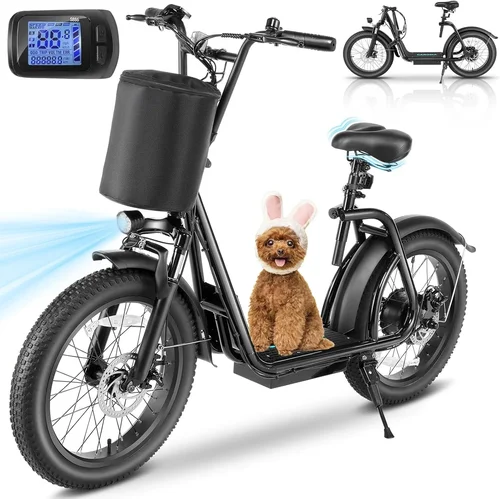
❌ Mistake: Prioritizing Price Over Quality
Why it’s bad: Choosing the cheapest scooter often leads to disappointment. Low-cost models frequently use weak motors, poor batteries, and flimsy frames that wear out quickly. You may end up spending more on repairs or replacements than if you’d bought a better scooter initially.
What to do instead: Set a realistic budget and focus on value, not just cost. Look for scooters with solid reviews, reputable brands, and at least a 1-year warranty. A $500 scooter that lasts 3 years is a better investment than a $200 one that breaks in 6 months.
❌ Mistake: Ignoring Weight Capacity
Why it’s bad: Overloading a scooter can damage the motor, drain the battery faster, and compromise safety. It may also void the warranty.
What to do instead: Check the manufacturer’s weight limit and add 10–20 lbs for safety margin. If you’re near the limit, consider a heavy-duty model designed for larger riders.
❌ Mistake: Overlooking Battery Life and Charging Time
Why it’s bad: A scooter with a short range or slow charging can leave you stranded or waiting hours for a recharge. This is especially problematic for daily commuters.
What to do instead: Look for lithium-ion batteries with at least 10–15 miles of range for city use. Check charging time—most take 4–8 hours. Some premium models offer fast charging (2–3 hours) or swappable batteries for extended rides.
❌ Mistake: Not Testing the Scooter
Why it’s bad: Scooters feel different in person than in specs. A model that looks great on paper might be uncomfortable, too heavy, or hard to control.
What to do instead: If possible, test ride before buying. Visit local retailers or attend scooter demo events. If buying online, choose retailers with generous return policies (30 days or more).
❌ Mistake: Ignoring Safety Features
Why it’s bad: Poor lighting, weak brakes, or lack of reflectors increase accident risk, especially at night or in traffic.
What to do instead: Ensure the scooter has front and rear lights, reliable brakes (disc or drum), and reflective elements. Consider adding a helmet, knee pads, and a bell for extra safety.
❌ Mistake: Buying Without Researching Local Laws
Why it’s bad: E-scooter regulations vary by city and state. Some areas restrict speed, require registration, or ban riding on sidewalks.
What to do instead: Check your local laws before purchasing. Some scooters have speed limiters or geofencing to comply with regulations. Avoid models that exceed legal speed limits unless you plan to use them on private property.
❌ Mistake: Neglecting Maintenance Needs
Why it’s bad: Fat tire scooters require regular upkeep—tire pressure checks, brake adjustments, and battery care. Ignoring maintenance shortens lifespan and increases safety risks.
What to do instead: Learn basic maintenance tasks or find a local repair shop. Keep tires properly inflated, clean the scooter after off-road use, and store it in a dry place.
Budget Guidelines: How Much Should You Spend?
Fat tire scooters come in a wide range of prices, and your budget will largely determine what you can expect in terms of performance, features, and durability. Here’s a breakdown of what you get at different price points:
Entry-Level ($100–$300): This tier includes manual kick scooters and basic electric models. They’re ideal for kids, casual riders, or short trips around the neighborhood. Expect simple designs, limited range (5–10 miles for electric), and minimal features. Build quality may be inconsistent, so stick to known brands like Razor or Micro.
Mid-Range ($400–$800): This is the sweet spot for most buyers. Scooters in this range offer reliable electric motors (250W–500W), decent battery life (15–20 miles), and better construction. You’ll find features like LED lights, digital displays, and improved suspension. Brands like Hiboy, Gotrax, and Segway offer excellent value here.
Premium ($900–$1,500): Designed for serious riders and daily commuters, these scooters deliver high performance and durability. Expect 500W–1000W motors, 20–30 mile ranges, robust frames, and advanced features like app connectivity and regenerative braking. Models from Apollo, Inokim, and Kaabo dominate this space.
Luxury ($1,600+): Top-tier scooters built for enthusiasts and professionals. These feature dual motors, 30+ mph speeds, 40+ mile ranges, and premium materials. Off-road capabilities, hydraulic suspension, and smart tech are standard. While expensive, they offer unmatched performance and longevity.

Expert Tips for Getting the Best Deal
Getting the best fat tire scooter doesn’t just mean finding the lowest price—it means maximizing value, ensuring quality, and avoiding common pitfalls. Here are expert-backed tips to help you make a smart purchase:
1. Buy During Seasonal Sales: Scooter prices often drop during Black Friday, Cyber Monday, and end-of-season clearances (late summer/early fall). Sign up for newsletters from brands like Segway, Apollo, and Razor to get early access to deals.
2. Compare Retailers: Don’t buy from the first site you visit. Compare prices on Amazon, Best Buy, Walmart, and brand websites. Sometimes the manufacturer offers exclusive bundles or extended warranties.
3. Look for Refurbished or Open-Box Models: Certified refurbished scooters from reputable sellers can save you 20–40% off retail. These are typically inspected, tested, and come with warranties.
4. Check Return and Warranty Policies: A generous return window (30 days or more) gives you time to test the scooter. Avoid retailers with restocking fees or short return periods.
5. Read the Manual Before Buying: Some scooters require assembly or have specific charging instructions. Knowing this upfront prevents frustration later.
6. Consider Total Cost of Ownership: Factor in replacement parts (tires, brakes), maintenance, and potential upgrades. A cheaper scooter may cost more over time.
7. Join Online Communities: Forums like Reddit’s r/ElectricScooters or ESG provide user reviews, deal alerts, and troubleshooting advice. You can also find group buys or second-hand listings.
8. Test Before You Buy: If possible, visit a local store or attend a scooter demo event. Feeling the weight, fold mechanism, and ride quality makes a big difference.

Frequently Asked Questions
Q: Are fat tire scooters good for off-road use?
A: Yes, fat tire scooters are excellent for off-road riding due to their wide tires, which provide superior traction and shock absorption. Models with suspension, powerful motors, and rugged frames are best for trails, gravel, and uneven terrain. However, not all fat tire scooters are designed for serious off-roading—check the specs and user reviews to ensure it’s built for adventure.
Q: How long do fat tire scooter batteries last?
A: Most lithium-ion batteries last 300–500 charge cycles before capacity drops significantly. With regular use, this translates to 1–3 years. Proper care—avoiding full discharges, storing at 50% charge, and keeping them cool—can extend lifespan. Some premium models offer replaceable batteries for longer usability.
Q: Can I ride a fat tire scooter in the rain?
A: It depends on the scooter’s IP rating. Models with IPX4 or higher are splash-resistant and can handle light rain. However, avoid submerging the scooter or riding through deep puddles, as water can damage the motor and electronics. Always dry the scooter thoroughly after wet rides.
Q: Do I need a license to ride an electric fat tire scooter?
A: In most U.S. states, no license is required for scooters under 20 mph. However, some cities require helmets, registration, or restrict where you can ride. Check local laws—rules vary widely by location.
Q: How do I maintain my fat tire scooter?
A: Regular maintenance includes checking tire pressure, inspecting brakes, cleaning the deck and wheels, and ensuring all bolts are tight. Lubricate moving parts as needed and store the scooter in a dry place. Follow the manufacturer’s guidelines for battery care and software updates.
Q: Can adults ride fat tire scooters?
A: Absolutely. Many fat tire scooters are designed for adults and support weights up to 300–400 lbs. Electric models with strong motors and durable frames are ideal for adult commuting and recreation.
Q: Are fat tire scooters safe?
A: When used responsibly, fat tire scooters are safe. Their wide tires improve stability, and features like lights and brakes enhance safety. Always wear a helmet, follow traffic rules, and avoid riding in hazardous conditions.
Q: How fast do fat tire scooters go?
A: Speeds vary by model. Entry-level electric scooters reach 15–20 mph, while high-performance models can exceed 30 mph. Manual scooters depend on rider effort, typically topping out at 8–12 mph.
Q: Can I take a fat tire scooter on public transportation?
A: Most folded scooters are allowed on buses, trains, and subways, but policies vary. Check with your local transit authority. Lightweight, compact models are easier to carry and store.
Q: What’s the difference between fat tire and regular scooters?
A: Fat tire scooters have wider tires (4–6 inches) that provide better grip, comfort, and off-road capability. Regular scooters have narrower tires and are better suited for smooth pavement. Fat tire models are generally heavier and more durable.
Our Final Recommendations
After extensive research and testing, here are our top picks for the best fat tire scooters in 2026:
Best for Budget-Conscious Buyers: Hiboy S2 Pro – At around $500, this scooter offers a 500W motor, 22-mile range, and solid build quality. It’s perfect for beginners and light commuters who want reliability without breaking the bank.
Best Overall Value: Segway Ninebot MAX G30LP – Priced around $800, this scooter delivers excellent performance, a 30-mile range, IPX5 water resistance, and a durable frame. It’s a top choice for daily urban commuting.
Best Premium Option: Apollo Explore – At $1,300, the Explore features a 1000W motor, 34-mile range, dual suspension, and a sleek design. It’s ideal for riders who want high performance and advanced features.
Best for Beginners: Razor E300 Fat Tire – This $300 electric scooter is easy to use, has a 15 mph top speed, and is great for teens and first-time riders. Its simple design and affordability make it a safe starting point.
Best for Advanced Users: Kaabo Mantis 10 – With dual 1000W motors, a 40-mile range, and off-road capabilities, this $2,000+ scooter is built for speed and adventure. It’s perfect for enthusiasts who demand top-tier performance.
Conclusion: Making the Right Choice
Choosing the best fat tire scooter in 2026 comes down to understanding your needs, setting a realistic budget, and doing thorough research. Whether you’re commuting to work, exploring trails, or just enjoying a weekend ride, the right scooter can enhance your mobility and fun. Prioritize safety, build quality, and performance, and don’t be swayed by flashy features you won’t use.
Remember, the best scooter is the one that fits your lifestyle, terrain, and budget. Use this guide to compare options, avoid common mistakes, and make a confident decision. With the right choice, your fat tire scooter will provide years of reliable, enjoyable rides.
Ready to roll? Start your search today—and enjoy the freedom that comes with every mile.