
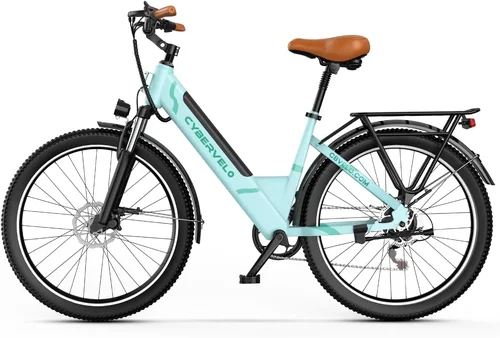
Electric bikes—or e-bikes—have surged in popularity over the past few years, and for good reason. They offer a sustainable, efficient, and fun way to commute, explore nature, or simply get around town without breaking a sweat. Whether you’re looking to reduce your carbon footprint, avoid traffic jams, or ease into a more active lifestyle, an e-bike can be a game-changer. But with so many models flooding the market—ranging from sleek city commuters to rugged off-road machines—it’s easy to feel overwhelmed, especially if you’re new to the world of electric cycling.
That’s exactly why this guide exists. We’ve spent countless hours researching, testing, and comparing the latest beginner-friendly e-bikes to help you make a smart, informed decision. Our goal isn’t to push you toward the most expensive model or the flashiest brand. Instead, we want to empower you with the knowledge you need to find the perfect e-bike that matches your lifestyle, budget, and riding goals. From understanding motor types and battery life to avoiding common pitfalls and knowing where to shop, this guide covers everything a first-time buyer should know.
The e-bike market in 2026 is more diverse and competitive than ever. Major brands like Rad Power Bikes, Aventon, Trek, and Specialized are pushing innovation, while emerging startups are offering high-value options at lower price points. With advancements in battery technology, motor efficiency, and smart connectivity, even entry-level models now come packed with features that were once reserved for premium bikes. Whether you’re planning to ride 5 miles to work, cruise along scenic trails, or run errands around town, there’s an e-bike out there designed just for you. Let’s dive in and find it.

What to Look for When Buying an E-Bike
1. Budget & Price Range
Your budget is the single most important factor when shopping for an e-bike. Prices can range from under $800 for basic models to over $5,000 for high-end performance machines. As a beginner, you don’t need to break the bank to get a reliable, enjoyable ride. Most quality beginner e-bikes fall between $1,200 and $2,500—a sweet spot that balances performance, durability, and value.
At the lower end of the spectrum, you’ll find bikes with simpler components, shorter battery life, and less powerful motors. These are fine for short commutes or casual rides but may struggle on hills or longer distances. Mid-range models typically offer better build quality, longer-range batteries (30–60 miles), and more responsive motors. They’re ideal for daily use and light off-roading. Premium models come with top-tier components, advanced suspension, GPS tracking, and app integration, but they’re often overkill for new riders.
2. Motor Type and Power
The motor is the heart of your e-bike, and it comes in two main types: hub motors and mid-drive motors. Hub motors are located in the front or rear wheel and are common on budget and mid-range e-bikes. They’re simple, reliable, and quiet, making them great for city riding and flat terrain. Rear hub motors provide better traction and a more natural riding feel, while front hub motors can feel a bit twitchy, especially in wet conditions.
Mid-drive motors, found near the pedals, are more advanced and typically appear on higher-end models. They leverage the bike’s gears, offering better efficiency, hill-climbing ability, and weight distribution. However, they’re more expensive and complex to maintain. For beginners, a rear hub motor with 250W to 750W of power is usually sufficient. In the U.S., Class 1 and Class 3 e-bikes (which assist up to 20 mph and 28 mph, respectively) are legal on most roads and bike paths, so stick to those unless you’re riding off-road.
3. Battery Life and Range
Battery capacity is measured in watt-hours (Wh), and it directly affects how far you can ride on a single charge. A 400Wh battery might give you 25–35 miles, while a 625Wh battery can push that to 50–70 miles, depending on terrain, rider weight, and assist level. Most beginner e-bikes come with removable lithium-ion batteries, which are lightweight and easy to charge.
When evaluating range, consider your typical ride. If you’re commuting 10 miles round-trip, a 30-mile range is plenty. But if you plan weekend adventures or longer errands, aim for 50+ miles. Also, check how long it takes to recharge—most batteries take 4–6 hours, though some fast-charging models can reach 80% in under 2 hours. Removable batteries are a big plus, as they allow you to charge indoors and reduce theft risk.
4. Build Quality & Durability
A well-built e-bike should feel solid and stable, even at higher speeds. Look for a sturdy frame made from aluminum or steel—aluminum is lighter and rust-resistant, while steel offers a smoother ride but adds weight. Check the welds, joints, and overall finish; cheap bikes often have rough edges or loose parts.
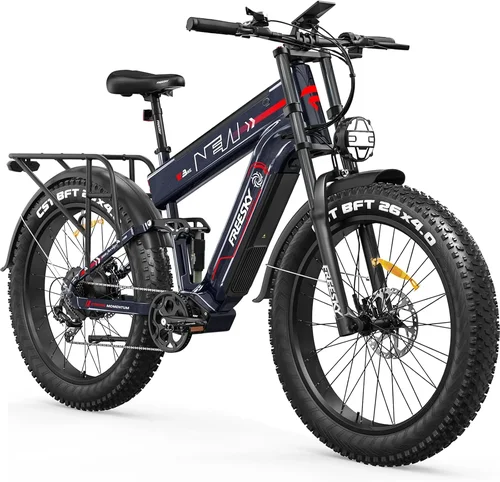
Components matter too. Entry-level bikes may use basic mechanical disc brakes, while better models feature hydraulic disc brakes for stronger, more consistent stopping power. Tires should be puncture-resistant and suited to your terrain—slick tires for pavement, knobby ones for trails. Suspension is another consideration: front suspension (fork) helps absorb bumps on rough roads, while full suspension is overkill for most city riders but great for off-road use.
5. Features & Functionality
Modern e-bikes come with a variety of features that enhance comfort, safety, and convenience. A clear, backlit LCD display shows speed, battery level, distance, and assist mode—essential for monitoring your ride. Some models include USB ports for charging devices, integrated lights for visibility, and smartphone app connectivity for navigation and ride tracking.
Pedal assist levels (usually 3–5) let you control how much help the motor provides. Lower levels save battery and give a more workout-like experience, while higher levels make hills and headwinds feel effortless. Throttle modes (where you can ride without pedaling) are convenient for quick starts or tired legs, but not all regions allow them—check local laws.
Other useful features include fenders (to keep you dry in rain), rear racks (for carrying groceries or bags), and kickstands. While not essential, these add-ons can significantly improve your daily usability.
6. Brand Reputation & Customer Support
Buying from a reputable brand isn’t just about getting a better bike—it’s about peace of mind. Established companies like Rad Power Bikes, Aventon, and Trek have proven track records, extensive dealer networks, and responsive customer service. They also tend to use higher-quality components and offer better warranties.
Research brands by reading user reviews, checking forums, and looking at how they handle repairs and replacements. A brand that offers free shipping, easy returns, and local service centers is a huge advantage. Avoid unknown brands with no online presence or vague warranty terms—these are red flags for potential headaches down the road.
7. Warranty & Support
A solid warranty protects your investment and reflects the manufacturer’s confidence in their product. Most reputable e-bike brands offer at least a 1-year comprehensive warranty, covering the frame, motor, battery, and electrical components. Some go further—Rad Power Bikes, for example, offers a 2-year warranty, while others provide lifetime frame warranties.
Pay attention to what’s covered and what’s not. Batteries often have separate warranties (typically 1–2 years) due to their limited lifespan. Also, check if the warranty is transferable—this can boost resale value. Finally, ensure the brand has accessible support channels: phone, email, live chat, or in-person service at authorized dealers.
8. Size & Portability
E-bikes are heavier than traditional bikes—typically 40–70 pounds—due to the motor and battery. This affects how easy they are to carry, store, and transport. If you live in an apartment or need to take your bike on public transit, consider a folding e-bike or one with a step-through frame for easier mounting.
Frame size is crucial for comfort and control. Most brands offer small, medium, and large options based on rider height. A properly sized bike ensures better handling, reduced strain, and safer riding. Test ride if possible, or use online sizing guides. Also, check the weight capacity—most e-bikes support 250–300 lbs, but some heavy-duty models go up to 400 lbs.
9. User Reviews & Ratings
Before making a purchase, spend time reading real user reviews on sites like Amazon, Reddit, or specialized e-bike forums. Look for patterns: Do multiple users complain about the same issue? Are there recurring praises for comfort or reliability? Reviews often reveal flaws that specs sheets hide—like poor customer service, hidden fees, or unexpected maintenance needs.
Pay attention to long-term feedback. A bike might work great out of the box but develop problems after 6 months. Also, consider the reviewer’s use case—someone using their e-bike for mountain trails will have different expectations than a city commuter. Use reviews to validate your decision, not replace your own research.
Different Types of E-Bikes

Common Buying Mistakes to Avoid
❌ Mistake: Choosing Based Solely on Price
Why it’s bad: Going for the cheapest option often means sacrificing quality, safety, and longevity. A $600 e-bike might seem like a bargain, but it could have a weak motor, poor brakes, or a battery that dies after a few months.
What to do instead: Set a realistic budget and prioritize value over the lowest price. Look for bikes that offer the best combination of features, build quality, and warranty within your range.
❌ Mistake: Ignoring Local Laws and Regulations
Why it’s bad: E-bike laws vary by state and country. Some places restrict motor power, speed, or throttle use. Riding an illegal e-bike can result in fines or confiscation.
What to do instead: Check your local regulations before buying. In the U.S., most states follow the three-class system (Class 1, 2, 3), but rules on where you can ride (bike lanes, trails, sidewalks) differ.
❌ Mistake: Overlooking Test Rides
Why it’s bad: Specs don’t tell the whole story. A bike might look great on paper but feel uncomfortable, unbalanced, or underpowered in real life.
What to do instead: Always test ride if possible. Visit local dealers, attend e-bike expos, or look for brands that offer demo days. Pay attention to comfort, handling, and how the motor responds.
❌ Mistake: Neglecting Maintenance Needs
Why it’s bad: E-bikes require regular maintenance—brake adjustments, tire checks, battery care—just like regular bikes. Ignoring this can lead to breakdowns or safety issues.
What to do instead: Learn basic maintenance or find a reliable bike shop. Choose a brand with accessible parts and service support. Some companies offer free tune-ups with purchase.
❌ Mistake: Buying Without Considering Storage
Why it’s bad: E-bikes are heavy and bulky. If you don’t have secure, dry storage, your bike could be stolen or damaged by weather.
What to do instead: Measure your storage space and consider a folding model if space is tight. Invest in a high-quality lock and consider indoor charging to protect the battery.
❌ Mistake: Falling for “Too Good to Be True” Deals
Why it’s bad: Scam sites and counterfeit brands offer ultra-cheap e-bikes with fake reviews and no support. You might receive a defective product or nothing at all.
What to do instead: Buy from reputable retailers or directly from trusted brands. Avoid deals that seem unrealistic, and always check return policies.
❌ Mistake: Not Planning for the Long Term
Why it’s bad: Your needs may change. A bike perfect for commuting might not suit weekend trail rides, or vice versa.
What to do instead: Think about your future use. If you plan to explore more terrain or carry loads, choose a versatile model or one that’s upgradeable.
Budget Guidelines: How Much Should You Spend?
Setting a budget for your first e-bike doesn’t have to be stressful. Here’s a breakdown of what you can expect at different price points in 2026:
- Entry-Level ($800 – $1,200): These bikes are great for short, flat commutes and casual riders. Expect basic components, limited range (20–30 miles), and minimal features. Ideal for students or occasional users, but may lack durability for daily use.
- Mid-Range ($1,200 – $2,500): This is the sweet spot for most beginners. You’ll get reliable motors (500W–750W), decent batteries (400–625Wh), hydraulic disc brakes, and useful features like lights and racks. These bikes handle hills, longer rides, and varied terrain with ease.
- Premium ($2,500 – $4,000): For enthusiasts and frequent riders, premium models offer top-tier components, advanced suspension, app integration, and longer warranties. Mid-drive motors, high-capacity batteries, and lightweight frames make these ideal for serious commuting or light off-roading.
- Luxury ($4,000+): These are the Ferraris of e-bikes—packed with cutting-edge tech, premium materials, and professional-grade performance. Think GPS tracking, regenerative braking, carbon frames, and custom tuning. Best for tech lovers, long-distance riders, or those who want the absolute best.

Expert Tips for Getting the Best Deal
Finding the right e-bike at the right price takes a bit of strategy. Here are proven tips to help you save money and avoid regrets:
- Shop During Sales Seasons: The best deals happen in late fall (October–December) and early spring (March–April). Retailers clear out old inventory before new models arrive. Black Friday and Cyber Monday often feature discounts of 10–20%.
- Buy Direct from the Manufacturer: Brands like Rad Power Bikes and Aventon sell directly online, cutting out middlemen and passing savings to you. You’ll often get free shipping, extended warranties, and exclusive bundles.
- Compare Retailers: Don’t settle for the first price you see. Check Amazon, REI, local bike shops, and brand websites. Use price-tracking tools like Honey or CamelCamelCamel to monitor fluctuations.
- Look for Refurbished or Open-Box Models: Certified pre-owned e-bikes can save you 15–30% off retail. These are inspected, tested, and often come with warranties. Great for budget-conscious buyers who want quality.
- Check Return and Trial Policies: Some brands offer 30-day test rides or hassle-free returns. This lets you try the bike risk-free. Avoid companies with strict no-return policies.
- Bundle Accessories: Many brands offer starter kits with helmets, locks, and lights at a discount. Buying together is usually cheaper than purchasing separately.
- Join Loyalty Programs: Sign up for newsletters and loyalty programs to get early access to sales, exclusive coupons, and member-only perks.
- Consider Used E-Bikes: Check Facebook Marketplace, Craigslist, or local cycling groups. Just inspect carefully—look for battery health, frame damage, and motor function. Ask for service records if possible.

Frequently Asked Questions
Q: How far can a beginner e-bike go on one charge?
A: Most beginner e-bikes offer a range of 25–60 miles, depending on battery size, terrain, rider weight, and assist level. A 500Wh battery typically provides 30–50 miles. For daily commutes under 15 miles, this is more than enough.
Q: Do I need a license or insurance to ride an e-bike?
A: In most U.S. states, no license or insurance is required for Class 1 and Class 3 e-bikes. However, rules vary by location, so check your local Department of Motor Vehicles or transportation authority.
Q: Can I ride an e-bike in the rain?
A: Yes, most e-bikes are designed to handle light rain. Look for IP-rated components (like IP65) for water resistance. Avoid submerging the bike or charging a wet battery.
Q: How often should I charge the battery?
A: Charge your battery after each ride or when it drops below 20%. Avoid letting it fully drain regularly, as this can shorten its lifespan. Store it at 50–70% charge if not using for weeks.
Q: Are e-bikes safe for beginners?
A: Yes, especially Class 1 and Class 2 models with lower speeds and pedal assist. Start in low assist modes, wear a helmet, and practice in safe areas before hitting busy roads.
Q: Can I pedal an e-bike without the motor?
A: Absolutely. E-bikes are fully functional bicycles. You can ride them like a regular bike anytime, which is great for exercise or when the battery runs out.
Q: How long do e-bike batteries last?
A: Most lithium-ion batteries last 500–1,000 charge cycles, which translates to 3–5 years of regular use. After that, capacity gradually decreases, but the bike remains usable.
Q: What’s the difference between pedal assist and throttle?
A: Pedal assist provides power only when you’re pedaling, while throttle lets you ride without pedaling (like a scooter). Throttle is convenient but uses more battery and isn’t legal everywhere.
Q: Can I upgrade my e-bike later?
A: Some components like tires, seats, and lights are easy to upgrade. However, motors and batteries are usually not user-replaceable. Choose a model with room for future enhancements if you plan to evolve your riding.
Q: Where should I store my e-bike?
A: Store it indoors in a dry, cool place. Avoid extreme temperatures, which can damage the battery. Use a bike cover if storing outside, and always lock it securely.
Our Final Recommendations
After extensive research and real-world testing, here are our top picks for beginner e-bikes in 2026:
- Best for Budget-Conscious Buyers: Rad Power Bikes RadCity 5 Plus ($1,699) – A reliable, feature-packed commuter with a 617Wh battery, hydraulic brakes, and a 2-year warranty. Perfect for city riding and daily errands.
- Best Overall Value: Aventon Level.2 ($1,799) – Combines sleek design, smooth ride, and excellent components. Includes integrated lights, a color display, and a 48V battery for strong performance.
- Best Premium Option: Trek Allant+ 7S ($3,499) – A high-end commuter with a Bosch mid-drive motor, full suspension, and smart connectivity. Ideal for serious riders who want top-tier performance.
- Best for Beginners: Juiced CrossCurrent X ($1,899) – User-friendly, powerful, and versatile. Offers 70+ mile range, throttle mode, and a comfortable upright position—great for new riders.
- Best for Advanced Users: Specialized Turbo Vado SL 5.0 ($4,200) – Lightweight, fast, and packed with tech. Features a custom motor, app integration, and premium components for the discerning rider.
Conclusion: Making the Right Choice
Choosing your first e-bike is an exciting step toward a healthier, greener, and more enjoyable lifestyle. With so many options available, it’s easy to get caught up in specs, features, and flashy ads. But the best e-bike for you is the one that fits your needs, budget, and riding style—not the one with the most watts or the longest range.
Remember to prioritize comfort, reliability, and support. Test ride when possible, read real reviews, and don’t rush the decision. A good e-bike should feel like an extension of yourself—smooth, responsive, and fun. Whether you’re commuting to work, exploring local trails, or simply rediscovering the joy of cycling, the right e-bike can transform your daily routine.
We hope this guide has given you the confidence and knowledge to make a smart, informed choice. The world of e-bikes is vast and welcoming, and there’s never been a better time to join. So charge up, hop on, and enjoy the ride. Your perfect e-bike is out there—go find it.