
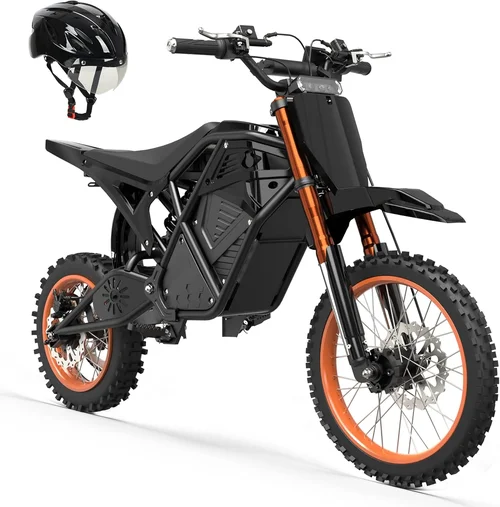
Electric bikes have evolved far beyond simple pedal-assist commuter machines. In 2025, the fastest e-bikes on the market blur the line between bicycles and light motorcycles, delivering speeds that were unimaginable just a few years ago. Whether you’re a thrill-seeker craving adrenaline-pumping acceleration, a commuter tired of traffic jams, or an outdoor enthusiast looking to conquer steep mountain trails with ease, high-performance e-bikes now offer real-world speed, range, and reliability. But with so many models flooding the market—from sleek urban speedsters to rugged off-road beasts—choosing the right fast e-bike can feel overwhelming.
This comprehensive buying guide is designed to cut through the noise and help you make a smart, informed decision. We’ll walk you through every critical factor you need to consider, from motor power and battery technology to legal restrictions and safety features. You’ll learn how to compare different types of fast e-bikes, avoid common purchasing pitfalls, and find the perfect model that matches your riding style, budget, and performance expectations. By the end, you’ll have the knowledge and confidence to invest in an e-bike that doesn’t just go fast—it goes far, lasts long, and delivers an exhilarating ride every time.
The fast e-bike market in 2025 is more dynamic and competitive than ever. Major brands like Specialized, Trek, Rad Power Bikes, and emerging innovators such as Cake, DYU, and Heybike are pushing the boundaries of what’s possible. Advances in lithium-ion battery efficiency, brushless motor design, and smart integration have made high-speed e-bikes more accessible, efficient, and safer. However, with great speed comes great responsibility—and complexity. Regulations vary widely by region, battery life can be deceptive, and not all “fast” e-bikes are built to handle sustained high performance. This guide will equip you with the expertise to navigate these challenges and find a bike that’s not only fast but also reliable, legal, and built to last.

What to Look for When Buying Fast E-Bikes
1. Motor Power & Type
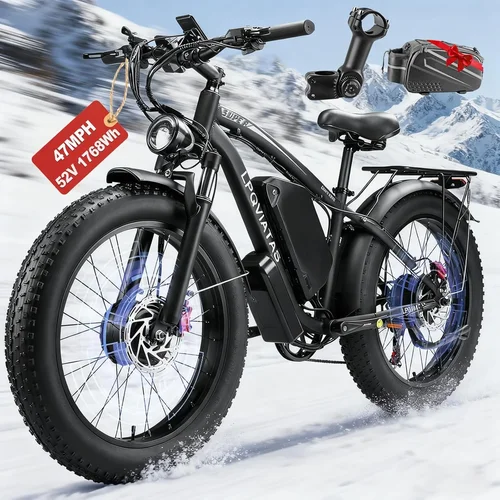
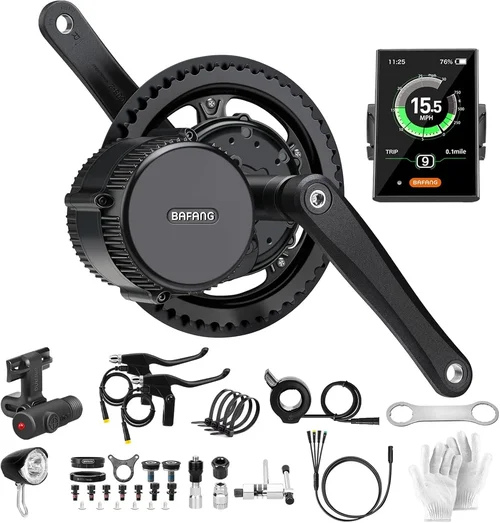
The motor is the heart of any fast e-bike, and its power directly impacts speed, acceleration, and hill-climbing ability. In 2025, most high-performance e-bikes feature brushless DC motors ranging from 500W to over 2000W. Motors above 750W are typically classified as “speed pedelecs” or “class 3+” e-bikes and can propel riders to 28 mph (45 km/h) or more. Hub motors—mounted in the front or rear wheel—are common in budget and mid-range models, offering simplicity and direct power delivery. Mid-drive motors, positioned at the bike’s crankset, are preferred for performance because they leverage the bike’s gears, providing better torque, efficiency, and weight distribution.
When evaluating motor specs, don’t just look at wattage—consider torque (measured in Newton-meters or Nm). A 750W motor with 80Nm of torque will feel significantly stronger than one with only 50Nm, especially on inclines. Also, check whether the motor offers smooth pedal assist or sudden “throttle-only” bursts. For fast riding, a responsive, high-torque mid-drive motor paired with a high-capacity battery is ideal. Brands like Bosch, Shimano STEPS, and Bafang dominate the premium segment, while more affordable options from Tongsheng and MXUS offer solid performance for the price.
2. Battery Capacity & Range
Battery technology is the backbone of any fast e-bike’s performance. In 2025, most high-speed models use lithium-ion (Li-ion) or lithium nickel manganese cobalt oxide (NMC) batteries, which offer high energy density, long cycle life, and fast charging. Battery capacity is measured in watt-hours (Wh), and for fast e-bikes, you’ll want at least 600Wh—preferably 750Wh or more—to maintain high speeds without frequent recharging.
Range is a tricky metric because it depends on speed, terrain, rider weight, assist level, and weather. A fast e-bike cruising at 25–28 mph will drain its battery much faster than one riding at 15 mph. For example, a 750Wh battery might give you 40–60 miles on eco mode but only 20–30 miles at full throttle. Look for bikes with removable batteries for easy charging and consider models with dual-battery options for extended range. Fast charging (0–80% in under 2 hours) is a valuable feature, especially for commuters. Also, check the battery’s BMS (Battery Management System)—a quality BMS protects against overcharging, overheating, and deep discharge, extending battery life.
3. Top Speed & Legal Compliance
Speed is the defining feature of a fast e-bike, but it’s also the most regulated. In the U.S., federal law limits e-bikes to 20 mph on throttle-only and 28 mph on pedal assist, classifying them as bicycles if they meet these criteria. However, many fast e-bikes are sold with “unlocked” modes that exceed these limits—sometimes reaching 35–45 mph. While tempting, riding above legal speeds can void warranties, invalidate insurance, and result in fines or confiscation.
Before buying, research your local laws. In Europe, the limit is typically 25 km/h (15.5 mph) for standard e-bikes, though some countries allow “S-Pedelecs” up to 45 km/h with registration and insurance. In Canada, the limit is 32 km/h. Some manufacturers offer region-specific firmware or speed limiters. If you plan to ride on public roads, choose a model that’s street-legal in your area. For off-road or private property use, higher speeds may be acceptable—but always prioritize safety and legality.
4. Frame & Build Quality
A fast e-bike must be built to handle the stresses of high-speed riding. Look for frames made from high-strength aluminum alloy (like 6061 or 7005) or carbon fiber for lightweight durability. Steel frames are strong but heavy, making them less ideal for speed. The frame should have reinforced welds, internal cable routing, and mounts for racks, fenders, or water bottles if needed.
Suspension is another critical factor. Full-suspension bikes with front forks and rear shocks (like those from Trek or Specialized) absorb bumps and maintain traction at high speeds, especially on rough terrain. Hardtail models (front suspension only) are lighter and more efficient on smooth roads but less comfortable on trails. For urban speedsters, a rigid frame with quality tires may suffice. Always check the bike’s weight capacity—most fast e-bikes support 250–300 lbs, but some heavy-duty models go up to 400 lbs.
5. Braking System
At high speeds, stopping power is non-negotiable. Mechanical disc brakes are common on budget models but struggle with heat buildup during prolonged braking. For fast e-bikes, hydraulic disc brakes are the gold standard. They offer superior modulation, consistent performance in wet conditions, and require less hand force—critical when you need to stop quickly.
Look for 180mm or 203mm rotors for maximum stopping power. Some premium models feature dual-piston or four-piston calipers for even greater performance. Regenerative braking, which recovers energy during deceleration, is rare but emerging in high-end models. Always test the brakes during a demo ride—listen for squealing, check for lever feel, and ensure the bike stops smoothly without skidding.
6. Tires & Wheels
Tires play a crucial role in speed, grip, and comfort. Fast e-bikes typically use 26”, 27.5”, or 29” wheels with wide, puncture-resistant tires (2.0” to 2.8” width). Knobby tires are great for off-road traction, while slick or semi-slick tires reduce rolling resistance on pavement. Tubeless setups are increasingly common, offering lower pressure for better grip and fewer flats.
Check the tire’s TPI (threads per inch)—higher TPI means a lighter, more supple tire that rolls faster. Brands like Maxxis, Schwalbe, and Continental dominate the performance segment. For high-speed stability, ensure the wheels are double-walled and laced with at least 32 spokes. Carbon wheels are available on luxury models but add significant cost.
7. Display & Smart Features
Modern fast e-bikes come with advanced displays that show speed, battery level, assist mode, distance, and more. Color LCD screens are standard on mid-to-high-end models, while basic LED indicators suffice for budget bikes. Look for Bluetooth connectivity, GPS tracking, and app integration (via iOS or Android) for route planning, ride analytics, and anti-theft alerts.
Some bikes offer customizable ride modes, cruise control, and regenerative braking settings. Premium models like those from Specialized or Trek include built-in lights, turn signals, and even collision detection. While not essential, these features enhance safety and convenience, especially for daily commuters.
8. Warranty & Customer Support
A fast e-bike is a significant investment, so robust warranty coverage is essential. Most reputable brands offer 1–2 years on the frame, 1 year on the motor and battery, and 6 months to 1 year on components. Some, like Rad Power Bikes, provide 2-year comprehensive coverage. Check if the warranty includes labor and shipping costs.
Customer support matters too. Can you get parts quickly? Is there a local service center? Brands with strong U.S. or EU support networks (like Trek, Giant, or Bosch) are preferable. Read user reviews about repair experiences and response times. A good warranty and responsive support can save you hundreds in the long run.
Different Types of Fast E-Bikes

Common Buying Mistakes to Avoid
❌ Mistake: Ignoring Local Laws and Regulations
Why it’s bad: Buying a bike that exceeds legal speed limits can lead to fines, impoundment, or even criminal charges in some jurisdictions. It may also void your warranty and insurance.
What to do instead: Research your local e-bike laws before purchasing. Choose a model that’s compliant or can be easily limited via firmware. If you need higher speeds, ensure the bike is registered and insured where required.
❌ Mistake: Prioritizing Speed Over Battery Life
Why it’s bad: A bike that hits 30 mph but dies after 15 miles isn’t practical for daily use. High-speed riding drains batteries quickly.
What to do instead: Balance speed with range. Aim for at least 750Wh battery capacity and check real-world range tests. Consider models with dual-battery support for long rides.
❌ Mistake: Skipping the Test Ride
Why it’s bad: E-bikes handle differently based on weight, motor placement, and suspension. What looks good on paper may feel unstable or uncomfortable.
What to do instead: Always test ride before buying. Pay attention to acceleration, braking, steering, and comfort. If buying online, choose retailers with generous return policies.
❌ Mistake: Overlooking Braking Performance
Why it’s bad: Weak brakes can’t stop a heavy, fast e-bike safely, especially on descents or in traffic.
What to do instead: Insist on hydraulic disc brakes with large rotors. Test braking at high speed during a demo. Avoid bikes with only rim or mechanical disc brakes.
❌ Mistake: Choosing Based on Price Alone
Why it’s bad: The cheapest fast e-bike often cuts corners on motor quality, battery safety, and build durability.
What to do instead: Set a realistic budget and prioritize value over the lowest price. Mid-range bikes ($2,000–$4,000) often offer the best balance of performance and reliability.
❌ Mistake: Ignoring After-Sales Support
Why it’s bad: E-bikes require maintenance and occasional repairs. Poor support can leave you stranded with a broken bike.
What to do instead: Choose brands with strong customer service, local dealers, and clear warranty terms. Read user reviews about repair experiences.
❌ Mistake: Neglecting Safety Gear
Why it’s bad: High-speed riding increases the risk of accidents. Without proper gear, injuries can be severe.
What to do instead: Invest in a high-quality helmet (preferably MIPS-certified), gloves, reflective clothing, and lights. Consider protective pads for off-road use.
Budget Guidelines: How Much Should You Spend?
Entry-Level ($1,200 – $2,000):
At this price, expect hub motors (500W–750W), basic LCD displays, mechanical disc brakes, and 400–600Wh batteries. These bikes are great for beginners or casual riders but may lack durability and range for daily high-speed use. Examples include the Heybike Mars and Ancheer AN-EB003. Ideal for short commutes and light trails.
Mid-Range ($2,000 – $4,000):
This is the sweet spot for most buyers. You’ll find mid-drive motors (750W–1000W), hydraulic brakes, 600–750Wh batteries, and better build quality. Models like the RadRover 6 Plus or Trek Allant+ 7 offer excellent performance, range, and reliability. Suitable for daily commuting, weekend adventures, and moderate off-road use.
Premium ($4,000 – $7,000):
For enthusiasts and serious riders, premium bikes deliver top-tier components: Bosch or Shimano motors, full suspension, carbon frames, and advanced displays. Expect 750–1000Wh batteries, fast charging, and smart features. Examples include the Specialized Turbo Levo SL and Giant Trance X E+. These bikes handle high speeds with confidence and are built to last.
Luxury ($7,000+):
At this tier, you’re paying for cutting-edge technology, ultra-light materials, and bespoke design. Think carbon fiber frames, dual batteries, regenerative braking, and AI-assisted ride modes. Brands like Cake, Riese & Müller, and Stromer dominate this space. These are for collectors, tech lovers, and those who demand the absolute best—no compromises.
Expert Tips for Getting the Best Deal
1. Buy During Off-Season Sales: E-bike prices drop in late fall and winter (October–February) as retailers clear inventory. Look for Black Friday, Cyber Monday, and end-of-year sales. Some brands offer 10–20% discounts during these periods.
2. Compare Online and In-Store Prices: Online retailers like REI, Backcountry, and direct-from-brand sites often have better deals than local shops. However, in-store purchases let you test ride and get immediate support. Some shops price-match online offers.
3. Look for Demo or Refurbished Models: Many brands sell certified pre-owned or demo bikes at 15–30% off. These are inspected, tested, and often come with full warranties. Rad Power Bikes and Trek offer excellent refurbished programs.
4. Check for Government Incentives: Some U.S. states and European countries offer e-bike purchase rebates or tax credits. California’s Clean Vehicle Rebate Project (CVRP) and France’s “prime à la conversion” can save you hundreds.
5. Read User Reviews on Multiple Platforms: Don’t rely on manufacturer sites. Check Amazon, Reddit (r/ebikes), and YouTube reviews for real-world feedback. Look for comments on battery life, reliability, and customer service.
6. Negotiate Accessories and Upgrades: When buying from a dealer, ask for free accessories—lights, locks, phone mounts—or discounts on upgrades like better tires or saddles.
7. Consider Financing Options: Many brands offer 0% APR financing for 6–24 months. This lets you spread the cost without interest, making premium bikes more accessible.
8. Register for Brand Newsletters: Brands often send exclusive promo codes to subscribers. You might get 5–10% off your first purchase or early access to sales.

Frequently Asked Questions
Q: Are fast e-bikes legal on bike paths and roads?
A: It depends on your location. In the U.S., class 3 e-bikes (28 mph max) are allowed on most bike lanes and paths unless locally restricted. Speed pedelecs (over 28 mph) may require registration and are often limited to roads. Always check local laws.
Q: How fast can a fast e-bike really go?
A: Most street-legal fast e-bikes top out at 28 mph (45 km/h). Unlocked models can reach 35–45 mph, but this is illegal on public roads in most areas. Off-road, speeds over 40 mph are possible with high-power motors.
Q: Do I need a license to ride a fast e-bike?
A: In most U.S. states, no license is required for class 1–3 e-bikes. However, speed pedelecs (S-Pedelecs) in Europe and some U.S. states may require a moped license, registration, and insurance.
Q: How long do fast e-bike batteries last?
A: A quality lithium-ion battery lasts 500–1,000 charge cycles, or roughly 3–5 years with regular use. Proper care—avoiding extreme temperatures and deep discharges—can extend lifespan.
Q: Can I upgrade my e-bike for more speed?
A: Some bikes allow firmware unlocks or motor swaps, but this often voids warranties and may be illegal. It’s safer and more reliable to buy a bike that meets your speed needs from the start.
Q: Are fast e-bikes safe?
A: When ridden responsibly with proper gear and maintenance, yes. However, high speeds increase accident risk. Always wear a helmet, follow traffic laws, and avoid reckless riding.
Q: How much maintenance do fast e-bikes require?
A: Regular maintenance includes brake checks, tire pressure, chain lubrication, and battery care. Most riders service their bikes every 3–6 months. Mid-drive motors may need occasional servicing.
Q: Can I ride a fast e-bike in the rain?
A: Yes, most e-bikes are water-resistant (IP65 or higher), but avoid submerging them. Dry the bike after wet rides and check electrical connections regularly.
Q: What’s the difference between pedal assist and throttle?
A: Pedal assist provides power only when you pedal, while throttle lets you ride without pedaling. Fast e-bikes often have both, but throttle use drains the battery faster.
Q: Should I buy a fast e-bike online or in-store?
A: In-store lets you test ride and get expert advice. Online offers better prices and selection. If buying online, choose retailers with free returns and assembly services.
Our Final Recommendations
Best for Budget-Conscious Buyers:
Rad Power Bikes RadRover 6 Plus – At around $1,999, this fat-tire e-bike delivers 750W power, 45+ mile range, and hydraulic brakes. It’s street-legal, durable, and backed by excellent customer support.
Best Overall Value:
Trek Allant+ 7 – Priced at $3,799, this urban speedster features a Bosch Performance Line motor, 625Wh battery, and integrated lights. It’s fast, comfortable, and perfect for daily commuting.
Best Premium Option:
Specialized Turbo Levo SL – At $6,500, this lightweight full-suspension e-MTB offers 60Nm torque, 700Wh battery, and trail-ready performance. Ideal for serious off-road enthusiasts.
Best for Beginners:
Heybike Cityscape – For under $1,500, this folding e-bike offers 750W power, 20 mph top speed, and easy portability. Great for new riders and city dwellers.
Best for Advanced Users:
Cake Kalk OR – A $12,000 off-road beast with 11kW peak power, 50+ mph capability, and minimalist design. Built for adrenaline junkies and professional riders.
Conclusion: Making the Right Choice
Choosing the best fast e-bike in 2025 isn’t just about picking the one with the highest top speed—it’s about finding the right balance of power, range, safety, and legality for your lifestyle. Whether you’re zipping through city streets, conquering mountain trails, or simply escaping traffic, the right e-bike can transform your ride. By considering motor type, battery capacity, braking performance, and local regulations, you’ll avoid costly mistakes and invest in a machine that delivers both excitement and reliability.
Remember, speed is thrilling, but sustainability and safety are paramount. Prioritize quality components, reputable brands, and proper gear. Take advantage of test rides, seasonal sales, and warranty protections. And most importantly, ride responsibly—your safety, and the future of e-bike accessibility, depends on it.
Now that you’re armed with expert knowledge, it’s time to find your perfect fast e-bike. Explore your options, compare models, and choose one that matches your needs, budget, and riding dreams. The open road—and the open trail—are waiting.