
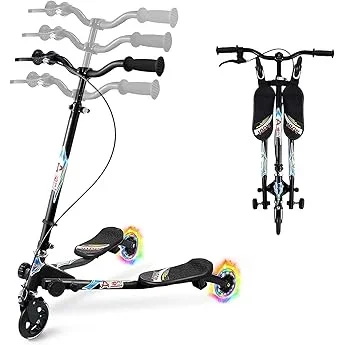
Electric scooters have evolved from niche urban curiosities into mainstream mobility solutions, reshaping how people navigate cities, campuses, and even suburban neighborhoods. With traffic congestion worsening and environmental concerns growing, more commuters are turning to e-scooters as a fast, eco-friendly, and cost-effective alternative to cars or public transit. The global e-scooter market has exploded in recent years, with sales projected to surpass $40 billion by 2026—driven by technological advancements, improved battery life, and a surge in urban micro-mobility infrastructure. Whether you’re a student looking to zip across campus, a commuter trying to avoid rush-hour gridlock, or a weekend explorer seeking adventure, there’s never been a better time to invest in an electric scooter.
But with so many brands flooding the market—from budget-friendly newcomers to high-performance industry veterans—choosing the right one can feel overwhelming. That’s where this comprehensive buying guide comes in. We’ve spent months researching, testing, and analyzing the top e-scooter brands and models available in 2026, focusing on real-world performance, reliability, value, and user experience. In this guide, you’ll learn exactly what to look for when shopping for an e-scooter, how to avoid common pitfalls, and which brands consistently deliver the best combination of quality, innovation, and customer support. From entry-level models under $300 to premium machines pushing $3,000+, we’ll break down every price tier and category so you can make a confident, informed decision that matches your lifestyle, budget, and riding needs.

What to Look for When Buying an eScooter
1. Budget & Price Range
Your budget is the single most important factor when choosing an e-scooter. Prices can range from under $200 for basic commuter models to over $3,000 for high-end performance scooters. Setting a realistic budget upfront helps narrow your options and prevents overspending on features you don’t need. Entry-level scooters typically offer speeds of 15–20 mph and ranges of 10–15 miles, while mid-range models ($500–$1,200) often include better suspension, larger batteries, and improved build quality. Premium scooters ($1,500+) boast top-tier components like hydraulic brakes, dual motors, and advanced suspension systems. Remember: a higher price doesn’t always mean better value. Focus on what you’ll actually use—commuting, off-roading, or casual rides—and prioritize features accordingly.
2. Performance Specifications
Performance specs determine how your scooter handles real-world conditions. Key metrics include top speed, range, motor power, and hill-climbing ability. For city commuting, a top speed of 18–25 mph is usually sufficient, while off-road or long-distance riders may want 30+ mph. Range depends heavily on battery capacity (measured in watt-hours, or Wh), rider weight, terrain, and speed. A 36V 10Ah battery (360Wh) might give you 15–20 miles, but heavier riders or hilly routes will reduce that. Motor power—measured in watts—affects acceleration and incline performance. A 350W motor suits flat urban areas, but 500W–1,000W is better for hills or heavier loads. Always check real-world range tests, not just manufacturer claims, which are often optimistic.
3. Build Quality & Durability
A scooter’s build quality directly impacts its lifespan and safety. Look for frames made from aircraft-grade aluminum or reinforced steel, which resist bending and corrosion. Check the deck size and grip tape—larger decks provide better stability, especially for taller riders. Folding mechanisms should feel solid and secure; wobbly joints are a red flag. Water resistance matters too: IP54 rating means splash-proof, while IPX5 or higher offers protection against rain and puddles. Avoid scooters with plastic-heavy construction or flimsy welds. Brands like Dualtron, Apollo, and Segway invest heavily in engineering and materials, resulting in scooters that last years with proper care. Durability also includes tire type—pneumatic (air-filled) tires absorb shocks better than solid rubber, though they’re prone to punctures.
4. Features & Functionality
Modern e-scooters come packed with features that enhance safety, convenience, and ride quality. Essential features include bright LED headlights and taillights, responsive brakes (disc or drum), and a clear digital display showing speed, battery, and mode. Advanced models may offer regenerative braking, app connectivity, cruise control, and customizable riding modes. Suspension systems—spring, hydraulic, or air—greatly improve comfort on rough roads. Some scooters include USB charging ports, phone mounts, or integrated locks. While extras like Bluetooth speakers or ambient lighting are nice, prioritize safety and usability. For example, a scooter with poor lighting is risky at night, no matter how many bells and whistles it has. Always test features in person if possible.
5. Brand Reputation
Not all e-scooter brands are created equal. Established brands like Segway-Ninebot, Xiaomi, and Unagi have proven track records for reliability, innovation, and customer service. They invest in R&D, rigorous testing, and global support networks. Lesser-known brands may offer tempting prices, but they often cut corners on components or lack售后 support. Check online forums, Reddit communities, and YouTube reviews to see how brands handle issues like battery degradation, warranty claims, or part availability. A strong reputation also means better resale value—popular models from trusted brands hold their value longer. Avoid “no-name” brands sold exclusively through third-party marketplaces unless they have verified customer feedback and transparent company information.
6. Warranty & Support
A solid warranty is a sign of a brand’s confidence in its product. Most reputable brands offer at least a 12-month warranty covering motor, battery, and frame defects. Premium brands like Apollo and Kaabo often provide 18–24 months, sometimes with extended battery coverage. Read the fine print: some warranties exclude normal wear, water damage, or modifications. Customer support responsiveness is equally important. Can you reach a human quickly? Are replacement parts readily available? Brands with US-based support (like Bird, Lime, or Segway) tend to resolve issues faster than those relying on overseas centers. Avoid brands with vague warranty terms or no contact information. A good warranty can save you hundreds in repair costs down the line.
7. Size & Portability
If you plan to carry your scooter on public transit, store it under a desk, or take it on trips, portability is crucial. Weight, folded dimensions, and handlebar design all affect ease of transport. Lightweight models (under 30 lbs) are ideal for students or office workers, while heavier scooters (40+ lbs) suit dedicated riders who don’t need to carry them often. Look for scooters with compact folding mechanisms—some fold down to the size of a suitcase. Telescoping handlebars and removable batteries add convenience. However, lighter scooters often sacrifice durability or performance. Balance portability with your usage: a 25-lb scooter might be perfect for a 10-minute commute but impractical for a 30-mile weekend ride.
8. User Reviews & Ratings
Never rely solely on manufacturer specs or marketing claims. Real user reviews reveal hidden flaws, long-term reliability, and everyday usability. Platforms like Amazon, Reddit (r/ElectricScooters), and specialized forums provide honest feedback from thousands of riders. Pay attention to recurring complaints—battery issues, brake failures, or poor customer service are major red flags. Also note positive trends: consistent praise for comfort, build quality, or app integration indicates a well-designed product. Be wary of fake reviews; look for detailed, photo-backed experiences. If a scooter has hundreds of 5-star reviews but no critical feedback, it may be suspicious. Use reviews to validate your shortlist, not replace hands-on research.
Different Types of eScooters

Common Buying Mistakes to Avoid
❌ Mistake: Prioritizing Price Over Quality
Why it’s bad: Cheap scooters often use low-grade batteries, weak motors, and flimsy frames that fail within months. You may end up spending more on repairs or replacements than if you’d bought a reliable mid-range model initially.
What to do instead: Set a minimum quality threshold. Even on a tight budget, aim for brands with decent warranties and user reviews. A $350 scooter from a reputable brand is better than a $200 no-name model.
❌ Mistake: Ignoring Real-World Range Claims
Why it’s bad: Manufacturers often advertise range under ideal conditions (light rider, flat terrain, low speed). In reality, range can drop by 30–50% with hills, wind, or heavier loads.
What to do instead: Divide the advertised range by 1.5 to estimate real-world performance. If you need 15 miles, choose a scooter rated for at least 22–25 miles.
❌ Mistake: Overlooking Braking Systems
Why it’s bad: Poor brakes increase accident risk, especially at higher speeds or in wet conditions. Many budget scooters rely solely on electronic or foot brakes, which are less reliable.
What to do instead: Always choose scooters with disc or drum brakes, preferably dual systems. Test braking responsiveness before buying.
❌ Mistake: Neglecting Tire Type
Why it’s bad: Solid tires are puncture-proof but offer a harsh ride on rough roads. Pneumatic tires are comfortable but vulnerable to flats, requiring maintenance.
What to do instead: Match tire type to your terrain. Urban riders on smooth pavement can use solids; off-road or bumpy-city riders should opt for air-filled tires with puncture-resistant liners.
❌ Mistake: Skipping the Test Ride
Why it’s bad: Specs don’t reveal how a scooter feels—its balance, throttle response, or comfort over bumps. A scooter that looks great on paper may be awkward or unstable in practice.
What to do instead: Visit local retailers or demo events. If buying online, check return policies and ensure you can test it risk-free for at least a week.
❌ Mistake: Ignoring Local Laws and Regulations
Why it’s bad: Some cities restrict e-scooter speed, require helmets, or ban riding on sidewalks. A high-speed scooter might be illegal where you live.
What to do instead: Research local regulations before purchasing. Choose a scooter that complies with speed limits and safety requirements in your area.
❌ Mistake: Forgetting About Maintenance
Why it’s bad: E-scooters need regular upkeep—tire pressure checks, brake adjustments, and battery care. Neglect leads to reduced performance and safety hazards.
What to do instead: Factor in maintenance costs and time. Choose brands with accessible parts and clear service guides. Learn basic maintenance or find a local repair shop.
Budget Guidelines: How Much Should You Spend?
Entry-Level ($150–$400): Ideal for casual riders, students, or short commutes under 5 miles. Expect basic features: 15–20 mph top speed, 10–15 mile range, single braking system, and minimal suspension. Brands like Gotrax, Razor, and Xiaomi offer reliable options in this range. These scooters are great for learning but may struggle on hills or with heavier riders.
Mid-Range ($500–$1,200): The sweet spot for most buyers. These scooters balance performance, durability, and price. Look for 20–25 mph speeds, 20–30 mile ranges, dual brakes, and decent suspension. Models from Segway-Ninebot, Apollo, and Unagi excel here. They’re suitable for daily commuting, longer rides, and varied terrain.
Premium ($1,500–$3,000): For enthusiasts and serious commuters. Expect high-performance motors (800W–1,500W), long-range batteries (40+ miles), advanced suspension, and premium materials. Brands like Dualtron, Kaabo, and Nanrobot dominate this space. These scooters handle hills, rough roads, and heavy loads with ease.
Luxury ($3,000+): Top-tier machines for tech lovers and professionals. Features include dual motors, hydraulic suspension, app integration, and carbon fiber components. Models like the Dualtron Thunder 2 or Kaabo Mantis Pro offer race-car-like performance but come with steep price tags and higher maintenance needs.

Expert Tips for Getting the Best Deal
- Buy During Off-Peak Seasons: E-scooter sales peak in spring and summer. Shop in late fall or winter for discounts, clearance events, or holiday promotions.
- Compare Retailers: Prices vary widely between Amazon, brand websites, and local shops. Check for bundle deals (helmets, locks, extended warranties) that add value.
- Watch for Refurbished Models: Certified refurbished scooters from reputable brands offer significant savings with full warranties. They’re often indistinguishable from new.
- Use Price Tracking Tools: Set alerts on Google Shopping or CamelCamelCamel to monitor price drops on your target model.
- Negotiate with Local Dealers: Independent retailers may offer discounts, free accessories, or service packages to close a sale.
- Check Return Policies: Ensure you can return or exchange the scooter within 14–30 days if it doesn’t meet expectations. Avoid retailers with restocking fees.
- Join Loyalty Programs: Brands like Segway and Apollo offer member discounts, early access to sales, and exclusive perks.
- Consider Financing: Some brands offer 0% APR financing for 6–12 months, making premium models more accessible without upfront cost.

Frequently Asked Questions
Q: How long do e-scooter batteries last?
A: Most lithium-ion batteries last 300–500 charge cycles before capacity drops to 80%. With daily use, that’s about 1.5–3 years. Proper care—avoiding full discharges, storing at 50% charge, and keeping cool—can extend lifespan.
Q: Can I ride an e-scooter in the rain?
A: It depends on the IP rating. IPX4 handles light splashes; IPX5 or higher is safe for rain. Avoid deep puddles or heavy downpours, as water can damage electronics. Always dry the scooter after wet rides.
Q: Are e-scooters safe?
A: When used responsibly, yes. Wear a helmet, follow traffic laws, and avoid high speeds in crowded areas. Choose scooters with good brakes, lights, and stability. Beginners should start slow and practice in safe zones.
Q: How fast can e-scooters go?
A: Most consumer models reach 15–30 mph. High-performance scooters can hit 40–60 mph. Speed depends on motor power, weight, and terrain. Always check local speed limits.
Q: Do I need a license to ride an e-scooter?
A: In most US states, no license is required for scooters under 20 mph. However, some cities require registration or restrict riding to bike lanes. Check local laws before riding.
Q: Can I take my e-scooter on public transit?
A: Many buses and trains allow folded scooters, but policies vary. Check with your transit authority. Lightweight, compact models are easiest to carry.
Q: What’s the difference between hub and belt motors?
A: Hub motors are integrated into the wheel—simple, quiet, and low-maintenance. Belt motors use a drive belt—more efficient at high speeds but require periodic belt replacement. Hub motors are more common in consumer scooters.
Q: How do I maintain my e-scooter?
A: Regularly check tire pressure, tighten bolts, clean the deck, and inspect brakes. Lubricate moving parts monthly. Store in a dry place and charge the battery every few weeks if unused.
Q: Can I upgrade my scooter’s battery?
A: Some brands offer upgrade kits, but compatibility varies. DIY upgrades can void warranties and pose safety risks. Consult the manufacturer before modifying.
Q: What should I do if my scooter breaks down?
A: Contact the manufacturer’s support team first. If under warranty, they may repair or replace it. For out-of-warranty issues, find a certified repair shop or order parts online.
Our Final Recommendations
Best for Budget-Conscious Buyers: Xiaomi Mi Electric Scooter 4 Lite – At under $400, it offers excellent build quality, 18.6 mph top speed, and 18.6-mile range. Ideal for students and short commutes.
Best Overall Value: Segway-Ninebot Max G30LP – Priced around $800, it delivers 30 mph speed, 40-mile range, IPX5 water resistance, and a robust frame. Perfect for daily commuters who want reliability and performance.
Best Premium Option: Apollo Explore – At $1,299, it features a 52V battery, 34 mph top speed, dual suspension, and a sleek design. Great for long-distance riders and tech enthusiasts.
Best for Beginners: Gotrax GXL V2 – Affordable ($350), lightweight, and easy to control. Comes with a clear display, decent brakes, and a 15.5-mile range—perfect for first-time riders.
Best for Advanced Users: Dualtron Thunder 2 – A $3,500 powerhouse with dual 1,200W motors, 70 mph top speed, and 80-mile range. Built for speed demons and off-road adventurers who demand the best.
Conclusion: Making the Right Choice
Choosing the right e-scooter isn’t just about picking the fastest or most expensive model—it’s about finding the perfect match for your lifestyle, budget, and riding goals. Whether you’re commuting across town, exploring trails, or just enjoying weekend rides, the right scooter can transform your daily routine. By focusing on key factors like performance, build quality, safety features, and brand reputation, you’ll avoid costly mistakes and invest in a ride that lasts. Remember to test before you buy, read real user reviews, and prioritize long-term value over short-term savings. With the insights from this guide, you’re equipped to navigate the crowded e-scooter market with confidence. So charge up, strap on your helmet, and hit the road—your ideal electric ride is out there waiting.