
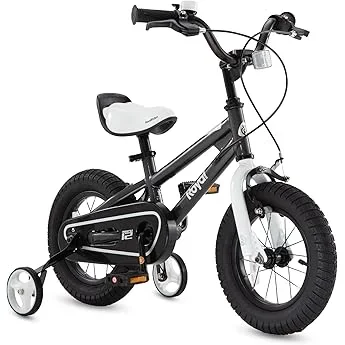
Electric bikes for kids have surged in popularity over the past few years, and for good reason. They offer a fun, eco-friendly, and confidence-boosting way for children to explore their neighborhoods, commute to school, or simply enjoy outdoor adventures with family and friends. Unlike traditional bicycles, e-bikes provide pedal-assist or throttle-powered support, making it easier for younger riders to tackle hills, cover longer distances, and keep up with older siblings or parents. This added assistance doesn’t replace the physical activity—kids still pedal and steer—but it reduces fatigue and increases accessibility, especially for those still building strength and endurance.
However, choosing the right kids’ e-bike isn’t as simple as picking the flashiest model on the shelf. With a growing number of brands, styles, and price points flooding the market, parents and guardians need a clear, expert-backed guide to navigate the options wisely. Safety, age appropriateness, battery life, build quality, and long-term value are just a few of the critical factors that separate a great purchase from a regrettable one. This comprehensive buying guide is designed to cut through the noise and help you make an informed decision tailored to your child’s needs, your budget, and your peace of mind.
Whether you’re shopping for a first-time rider aged 6 or a more experienced teen ready to explore further, this guide will walk you through every essential consideration. You’ll learn how to evaluate performance specs, understand safety features, compare different types of kids’ e-bikes, avoid common pitfalls, and find the best value for your investment. We’ll also share expert tips on timing your purchase, where to buy, and what to look for during a test ride. By the end, you’ll have the knowledge and confidence to choose a kids’ e-bike that’s not only fun and functional but also safe and built to last.
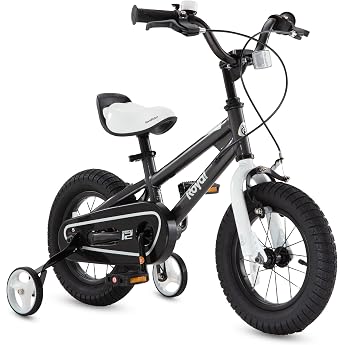
What to Look for When Buying Kids’ E-Bikes
1. Safety Features & Compliance
Safety is non-negotiable when it comes to children’s transportation. A high-quality kids’ e-bike should meet or exceed recognized safety standards, such as those set by the Consumer Product Safety Commission (CPSC) in the U.S. or EN 15194 in Europe. Look for bikes with reliable braking systems—preferably front and rear disc brakes or V-brakes with responsive levers sized for small hands. Many modern kids’ e-bikes also include features like automatic motor cutoff when braking, LED headlights and taillights for visibility, and reflective materials on the frame and tires.
Another crucial safety element is speed control. Most reputable brands limit top speeds based on age and weight. For example, bikes designed for 6–10-year-olds typically cap out at 10–12 mph, while models for older kids (11–14) may go up to 15–18 mph. Some even offer adjustable speed settings via a parent-controlled app or key lockout, allowing you to restrict power until your child gains experience. Always ensure the bike has a sturdy kickstand, non-slip pedals, and a low stand-over height so your child can easily put their feet down when stopping.
2. Age, Weight, and Height Compatibility
Kids grow quickly, so selecting an e-bike that fits your child properly is essential for both comfort and control. Most manufacturers specify recommended age ranges, but these should be cross-referenced with your child’s actual height and inseam measurement. A bike that’s too big can be dangerous—your child won’t be able to reach the ground or handlebars confidently—while one that’s too small will quickly become obsolete.
Check the bike’s minimum and maximum rider weight capacity. Entry-level models often support up to 100–120 lbs, while more robust frames can handle 150+ lbs, accommodating older or taller children. Seat height adjustability is another key feature; look for seats that can be lowered enough for younger riders to touch the ground flat-footed. Handlebar height and reach should also allow a natural, upright riding posture without straining the back or arms.
3. Motor Power & Performance
The motor is the heart of any e-bike, and for kids, less is often more—at least in terms of raw power. Most kids’ e-bikes use hub motors (located in the front or rear wheel) ranging from 250W to 500W. A 250W motor is usually sufficient for flat terrain and light hills, ideal for younger riders. A 350W–500W motor offers more torque and better hill-climbing ability, suitable for older kids or hilly areas.
Pay attention to whether the bike uses pedal-assist (PAS), throttle, or both. Pedal-assist encourages active pedaling and builds fitness, while throttle-only modes let kids ride without pedaling—great for short bursts but less beneficial for skill development. Many top models combine both, giving parents flexibility. Avoid bikes with excessively powerful motors (750W+) unless your child is a teen with significant riding experience and you’re in a rural or off-road setting.
4. Battery Life & Charging Time
Battery performance directly impacts how far and how long your child can ride. Kids’ e-bikes typically use lithium-ion batteries with capacities between 250Wh and 500Wh. A 36V 7.8Ah (≈280Wh) battery might offer 15–25 miles per charge, depending on terrain, rider weight, and assist level. Higher-capacity batteries (e.g., 36V 10.4Ah = 374Wh) can extend range to 25–35 miles—ideal for longer rides or commutes.
Charging time usually ranges from 3 to 6 hours. Look for batteries with smart charging technology that prevents overcharging and extends lifespan. Removable batteries are a huge plus—they allow you to charge indoors (away from moisture and extreme temperatures) and swap in a spare for extended outings. Always check the battery’s expected cycle life (typically 500–1,000 full charges) and whether replacement packs are readily available.
5. Build Quality & Durability
Kids are tough on equipment, so durability matters. Frame material is a key indicator: aluminum alloy is lightweight, rust-resistant, and strong—making it the gold standard for kids’ e-bikes. Avoid steel frames unless they’re specifically reinforced, as they’re heavier and prone to rust. Weld quality should be smooth and consistent, with no cracks or rough edges.
Tires should be puncture-resistant and appropriately sized—20-inch wheels are common for ages 6–10, while 24-inch suits 10–14-year-olds. Suspension isn’t always necessary for city riding, but front suspension forks can improve comfort on rough paths or trails. Check that all bolts, spokes, and connectors are securely fastened out of the box, and ensure the bike comes with basic tools for adjustments.
6. Features & Functionality
Modern kids’ e-bikes come packed with features that enhance usability and fun. Essential ones include:
– Adjustable seat and handlebars
– LED display showing speed, battery level, and assist mode
– Multiple pedal-assist levels (e.g., Eco, Normal, Sport)
– Horn or bell
– Rear rack for carrying backpacks or groceries
– Phone mount compatibility (for older kids)
Some premium models offer Bluetooth connectivity, GPS tracking, or companion apps that let parents monitor location, set geofences, or lock the motor remotely. While not essential, these can add peace of mind, especially for independent riders. Avoid bikes with overly complex interfaces—kids should be able to operate basic functions intuitively.
7. Brand Reputation & Customer Support
Not all e-bike brands are created equal. Established names like Gotrax, Razor, Swagtron, and Segway-Ninebot have proven track records in the kids’ and entry-level e-bike market. They invest in safety testing, offer better warranties, and provide accessible customer service. Lesser-known or no-name brands may cut corners on components or disappear when you need support.
Research online reviews, especially from verified purchasers with kids of similar age and size. Look for brands that actively respond to complaints and provide clear documentation (manuals, assembly videos, FAQs). A strong social media presence and active community forums are also good signs of engaged customer support.
8. Warranty & Return Policy
A solid warranty protects your investment. Most reputable kids’ e-bike brands offer at least a 1-year limited warranty covering the frame, motor, and battery. Some extend coverage to 2 years or include free replacements for defective parts. Pay close attention to what’s excluded—wear items like tires, brakes, and chains are often not covered.
Return policies vary widely. Online retailers like Amazon or Walmart may offer 30-day returns, while direct-from-brand purchases might have stricter windows. Always confirm whether you’ll pay return shipping and if the bike must be unassembled. A generous return policy gives you time to test the bike in real-world conditions and ensure it’s the right fit.
Different Types of Kids’ E-Bikes

Common Buying Mistakes to Avoid
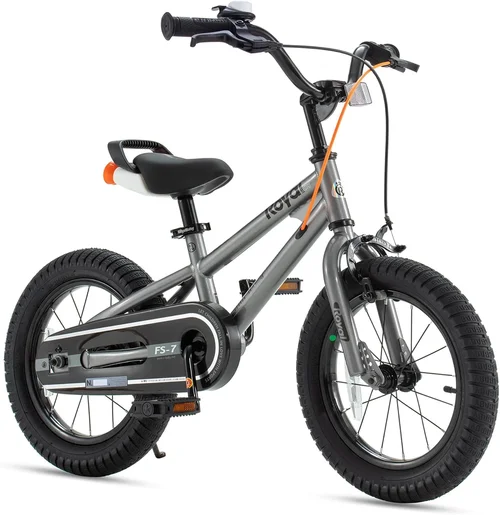
❌ Mistake: Prioritizing Price Over Safety
Why it’s bad: The cheapest e-bikes often use subpar brakes, weak frames, or uncertified batteries that can overheat or fail. In worst-case scenarios, this leads to accidents or fire hazards.
What to do instead: Set a minimum safety threshold. Even on a tight budget, choose a model with CPSC certification, disc brakes, and a reputable brand name. Think of it as an investment in your child’s wellbeing.
❌ Mistake: Buying Too Big “For Growth”
Why it’s bad: A bike that’s too large compromises control, increases fall risk, and discourages riding. Kids may feel intimidated or unsafe, defeating the purpose of the purchase.
What to do instead: Focus on current fit, not future growth. Most kids outgrow bikes in 1–2 years anyway. If you must account for growth, look for highly adjustable seats and handlebars—but never sacrifice immediate safety for hypothetical longevity.
❌ Mistake: Ignoring Local Laws and Regulations
Why it’s bad: Some cities restrict e-bike use by age, require helmets, or ban throttle-only bikes on sidewalks or bike paths. Violating these rules can result in fines or confiscation.
What to do instead: Check your municipal or state regulations before buying. Many areas require riders under 16 to wear helmets and prohibit e-bikes on certain trails. Choose a compliant model to avoid legal headaches.
❌ Mistake: Overlooking Assembly and Maintenance
Why it’s bad: Many e-bikes ship partially assembled. If you’re not comfortable tightening bolts, aligning brakes, or inflating tires, the bike may be unsafe to ride right out of the box.
What to do instead: Either choose a brand that offers professional assembly (some retailers do this for a fee) or learn basic maintenance. Keep a toolkit handy and schedule regular check-ups—especially before long rides.
❌ Mistake: Assuming All “Kid-Sized” Bikes Are Equal
Why it’s bad: Some manufacturers simply shrink adult e-bike designs without adjusting geometry, weight distribution, or control placement. These bikes can feel awkward or unstable for small riders.
What to do instead: Look for bikes specifically engineered for children—with shorter reach, lighter frames, and ergonomic grips. Test ride if possible, or read detailed reviews from parents with similar-sized kids.
❌ Mistake: Neglecting the Test Ride
Why it’s bad: Photos and specs don’t reveal how a bike handles. Your child might find the seat uncomfortable, the throttle too sensitive, or the weight unbalanced.
What to do instead: Whenever possible, visit a local dealer for a test ride. If buying online, choose retailers with generous return policies so you can evaluate the bike in real conditions.
Budget Guidelines: How Much Should You Spend?
Entry-Level ($200–$400): This tier includes balance e-bikes and basic pedal-assist models ideal for young beginners. Expect simpler components, shorter battery life (10–15 miles), and limited features. Great for short neighborhood rides and learning fundamentals. Brands like Razor and Swagtron offer reliable options here.
Mid-Range ($400–$700): The sweet spot for most families. These bikes offer better build quality, longer range (15–25 miles), improved brakes, and useful features like LED displays and adjustable assist levels. Models from Gotrax, Segway, and Ancheer shine in this category—balancing performance, safety, and value.
Premium ($700–$1,200): Designed for serious young riders or frequent use. Expect high-capacity batteries, durable suspension, smart connectivity, and robust frames. These bikes often support older or heavier kids and handle varied terrain with ease. Ideal for commuting, trail riding, or multi-hour adventures.
Luxury ($1,200+): Top-tier models with advanced tech, premium materials, and extensive customization. Think GPS tracking, app integration, carbon fiber elements, and professional-grade components. While overkill for casual use, they’re perfect for tech-forward families or competitive young cyclists.

Expert Tips for Getting the Best Deal
– Buy during off-season sales: Late fall and winter see the biggest discounts as retailers clear inventory. Black Friday, Cyber Monday, and post-holiday sales are prime times to score 20–30% off.
– Compare direct vs. retail: Buying directly from the manufacturer (e.g., Gotrax.com) often includes exclusive bundles or extended warranties. But big-box stores like Costco or Walmart may offer easier returns and in-person support.
– Watch for refurbished models: Certified pre-owned e-bikes from reputable sellers can save you 25–40% while still offering warranty coverage. Ensure they’ve been inspected and battery health is verified.
– Check student or family discounts: Some brands offer educational pricing or multi-bike deals. It never hurts to ask!
– Read the fine print on warranties: A “2-year warranty” might only cover the frame, not the battery or motor. Know what’s protected before you need it.
– Test multiple models: If possible, visit a local bike shop that carries e-bikes. Let your child try different sizes and styles—comfort is subjective!
– Join online communities: Facebook groups, Reddit forums (like r/ebikes), and YouTube review channels often share real-world insights, deal alerts, and troubleshooting tips.
– Consider resale value: Well-maintained e-bikes from top brands hold value better. Keep receipts, manuals, and original packaging if you plan to sell later.

Frequently Asked Questions
Q: Are kids’ e-bikes safe?
A: Yes—when chosen and used responsibly. Look for CPSC-certified models with age-appropriate speed limits, reliable brakes, and sturdy construction. Always supervise younger riders and enforce helmet use.
Q: What age is appropriate for a kids’ e-bike?
A: Most start at age 4–5 with balance e-bikes (no pedals). Pedal-assist models are suitable for ages 6+, depending on maturity and coordination. Always follow manufacturer guidelines.
Q: Do kids need a license or registration?
A: In most U.S. states, no—e-bikes under 20 mph with motors ≤750W are treated like regular bicycles. However, some cities require helmets for minors or restrict where e-bikes can be ridden. Check local laws.
Q: How long does the battery last?
A: Typically 15–35 miles per charge, depending on terrain, rider weight, and assist level. Battery lifespan is 2–4 years with proper care (avoid extreme temps, don’t fully drain regularly).
Q: Can I convert a regular bike to an e-bike?
A: Technically yes, but it’s not recommended for kids. Conversion kits often lack safety certifications, proper weight distribution, and child-sized controls. Stick to purpose-built models.
Q: What if my child outgrows the bike quickly?
A: Consider buying from brands with strong resale markets (e.g., Gotrax, Segway). You can often recoup 50–70% of the cost if the bike is well-maintained.
Q: Are throttle-only bikes bad for kids?
A: Not inherently—but they encourage less pedaling, which reduces exercise benefits. Many experts recommend pedal-assist as the primary mode, with throttle as a backup for hills or fatigue.
Q: How do I maintain a kids’ e-bike?
A: Clean it regularly, check tire pressure weekly, tighten bolts monthly, and store the battery indoors. Take it to a bike shop for annual tune-ups, especially before riding season.
Q: Can kids ride e-bikes on sidewalks?
A: It depends on local laws. Many cities prohibit e-bikes on sidewalks due to speed concerns. Teach kids to ride in bike lanes or on designated paths whenever possible.
Q: What should I do if the motor stops working?
A: First, check the battery charge and connections. If it persists, contact the manufacturer—most offer troubleshooting guides or free repairs under warranty.
Our Final Recommendations
Best for Budget-Conscious Buyers: Gotrax Giro – At under $400, this 20-inch pedal-assist e-bike offers solid build quality, 15-mile range, and simple controls perfect for ages 8–12. Great entry point without sacrificing safety.
Best Overall Value: Segway Ninebot Zing E8 – Priced around $550, it combines a 250W motor, 15.5 mph top speed, removable battery, and sleek design. Ideal for commuting and weekend adventures.
Best Premium Option: RAD Power Bikes RADMini Kids – Though pricier (~$1,100), it delivers premium components, front suspension, 24-inch wheels, and a 35-mile range. Built to grow with your child.
Best for Beginners: Razor MX650 Dirt Rocket – A throttle-only off-roader for ages 10+, with rugged tires and a low center of gravity. Perfect for backyard fun and light trail use.
Best for Advanced Users: Swagtron Swagcycle EB5 Pro – With app connectivity, GPS tracking, and dual suspension, this smart e-bike (~$900) suits tech-savvy teens ready for independent riding.
Conclusion: Making the Right Choice
Choosing the best kids’ e-bike is about more than just speed or style—it’s about matching your child’s abilities, your family’s lifestyle, and your long-term expectations. By prioritizing safety, proper fit, and reputable brands, you’ll set your child up for years of joyful, confidence-building rides. Remember, the goal isn’t to buy the most powerful or expensive model, but the one that feels right, rides smoothly, and inspires a love for outdoor activity.
Take your time, do your research, and involve your child in the decision when appropriate. Test rides, reading real reviews, and understanding warranty terms can make all the difference. And don’t forget the essentials: a well-fitting helmet, a sturdy lock, and plenty of practice in a safe environment.
With the insights from this guide, you’re now equipped to navigate the kids’ e-bike market with confidence. Whether you’re shopping for a first-time rider or upgrading to a more capable model, the perfect e-bike is out there—waiting to unlock new adventures, independence, and unforgettable family memories. Happy riding!