
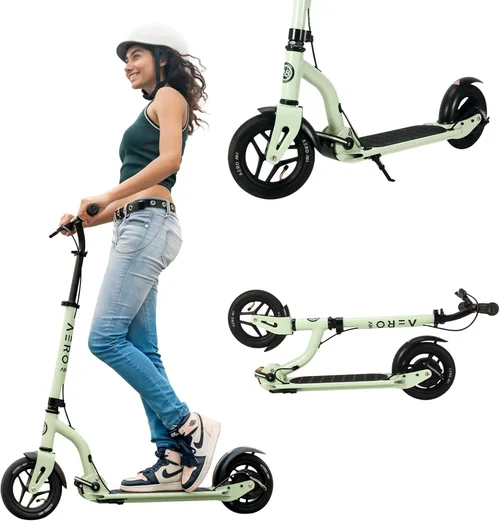
Electric scooters have exploded in popularity over the past few years, transforming from niche urban gadgets into mainstream transportation solutions. Whether you’re commuting to work, running errands around town, or simply enjoying a weekend ride through the park, an electric scooter offers a convenient, eco-friendly, and surprisingly fun way to get around. But with so many models flooding the market—especially under the $300 price point—it’s easy to feel overwhelmed by choices that promise big performance at a small cost.
That’s exactly why this guide exists. We’ve spent months researching, testing, and comparing dozens of electric scooters priced under $300 to bring you the most honest, detailed, and actionable advice possible. Our goal isn’t just to list products—it’s to empower you with the knowledge to make a smart, informed decision based on your unique needs. From battery life and build quality to safety features and real-world usability, we’ll walk you through every critical factor. By the end of this guide, you’ll know not only which scooters offer the best value but also how to avoid common pitfalls that trip up even seasoned buyers.
The sub-$300 segment is both exciting and tricky. On one hand, it’s where affordability meets accessibility—perfect for students, casual riders, or anyone dipping their toes into electric mobility. On the other hand, budget constraints often mean compromises: weaker motors, shorter ranges, flimsier frames, or limited warranties. Yet, surprisingly, there are standout models in this range that punch well above their weight. Brands like Gotrax, Segway-Ninebot (via their more affordable lines), and newer entrants like Razor and Xiaomi have refined their entry-level offerings to deliver reliable performance without breaking the bank. This guide will help you separate the gems from the gimmicks.

What to Look for When Buying Gotrax
1. Budget & Price Range
Staying under $300 doesn’t mean you have to settle for junk—but it does mean setting realistic expectations. At this price, you’re typically looking at entry-level or mid-tier commuter scooters designed for light daily use, not high-speed off-road adventures. Most models in this range fall between $150 and $280, with the sweet spot around $200–$250. Within that window, you’ll find scooters with decent motors (250W–350W), lithium-ion batteries offering 8–15 miles of range, and basic but functional features like LED headlights and digital displays.
The key is to avoid the ultra-cheap end (under $150). These often use lead-acid batteries (which are heavier, slower to charge, and degrade faster) or poorly welded frames that can fail after a few months. Instead, aim for the upper end of your budget—you’ll get significantly better components, longer lifespan, and often a more responsive customer service experience. Remember: a $270 scooter that lasts two years is a better investment than a $120 one that breaks in six months.
2. Performance Specifications
Performance boils down to three core specs: motor power, top speed, and range. Under $300, expect motors between 250W and 350W. A 250W motor is fine for flat terrain and riders under 160 lbs, but if you weigh more or live in a hilly area, opt for 300W or higher. Top speeds usually cap out at 15–18 mph—plenty for city commuting but not ideal if you need to keep up with traffic on busier roads.
Range is where things get tricky. Manufacturers often quote “ideal condition” ranges (e.g., 15 miles), but real-world usage—factoring in hills, wind, rider weight, and frequent stops—typically cuts that by 30–40%. So a scooter advertised for 12 miles might realistically give you 7–9. Always check user reviews for real-range reports. Also, look for battery type: lithium-ion (Li-ion) is standard in this price range and preferable to older lead-acid tech.
3. Build Quality & Durability
A scooter’s frame material and construction determine how long it’ll last. Most budget scooters use aluminum alloy frames, which are lightweight and rust-resistant—but thickness matters. Look for frames with reinforced joints and thick tubing (at least 1.5mm wall thickness). Avoid scooters with visible weld spatter or loose handlebar stems; these are red flags for poor quality control.
Tires are another durability factor. Solid rubber tires are common under $300 because they’re puncture-proof and low-maintenance, but they offer a rougher ride on uneven pavement. Pneumatic (air-filled) tires provide better shock absorption but are rare in this price range and can go flat. Some models, like certain Gotrax GXL variants, offer hybrid or semi-pneumatic tires as a compromise.
Finally, check the deck size and grip tape. A narrow or slippery deck makes riding uncomfortable and unsafe, especially in wet conditions. Aim for a deck at least 6 inches wide with textured, non-slip surface.
4. Features & Functionality
Even at this price, you can expect some useful features. Essential ones include:
– LED headlight and taillight (for visibility and safety)
– Digital display showing speed, battery level, and sometimes ride mode
– Rear fender brake (foot-operated) or electronic/hydraulic disc brakes
– Foldable design for portability
– Cruise control (on select models)
Avoid scooters that lack basic lighting—it’s illegal to ride at night without it in many cities. Similarly, hydraulic disc brakes are rare under $300, but electronic brakes (which use the motor to slow down) are common and adequate for light use. Just don’t expect motorcycle-level stopping power.
Some models include Bluetooth connectivity or app integration, but these are usually gimmicky at this price and drain the battery faster. Focus on core functionality over flashy extras.
5. Brand Reputation
Not all budget scooter brands are created equal. Gotrax, for example, has built a solid reputation for offering reliable, no-frills scooters with decent customer support. They’re owned by Segway-Ninebot, which lends them credibility and access to better engineering. Other reputable names in this space include Razor (known for durability) and Xiaomi (for sleek design and efficient motors).
Avoid unknown brands with no online presence, vague product descriptions, or reviews filled with complaints about missing parts or unresponsive sellers. Check Trustpilot, Reddit’s r/ElectricScooters, and Amazon verified purchase reviews. A brand that stands behind its products with clear documentation and responsive客服 (customer service) is worth paying a little extra for.
6. Warranty & Support
A good warranty is your safety net. Most reputable brands offer at least a 1-year limited warranty covering motor, battery, and frame defects. Gotrax, for instance, provides a 12-month warranty with U.S.-based support—a big plus compared to overseas-only service. Some retailers (like Amazon or Best Buy) may extend this with their own protection plans.
Read the fine print: many warranties exclude “normal wear and tear,” water damage, or modifications. Also, check if the company offers replacement parts (like tires or brake pads)—this extends the scooter’s usable life. Avoid brands with no warranty or those that require you to ship the entire scooter back at your expense for minor repairs.
7. Size & Portability
If you plan to carry your scooter on public transit, store it in a small apartment, or lift it frequently, weight and foldability matter. Most sub-$300 scooters weigh between 22 and 30 pounds. Anything over 28 lbs becomes cumbersome for daily carrying. Look for models with a compact fold—handlebars that tuck in tightly and a latch that secures the stem.
Deck height also affects ease of mounting and dismounting. Lower decks (around 4–5 inches off the ground) are easier for shorter riders or those with mobility concerns. Taller riders should ensure the handlebars are adjustable or at least ergonomically positioned to avoid hunching.
8. User Reviews & Ratings
Never rely solely on manufacturer specs. Real-world user feedback reveals hidden flaws: batteries that degrade quickly, motors that overheat on hills, or apps that crash constantly. Focus on reviews from verified purchasers (look for “Verified Purchase” tags on Amazon) and pay attention to recurring themes. If five people mention the same braking issue, it’s likely a design flaw—not an isolated defect.
Also, check recent reviews (within the last 6–12 months). Scooter models often get updated yearly, and older reviews may not reflect current versions. Forums like ElectricScooterGuide.com or YouTube channels dedicated to scooter reviews can provide hands-on insights you won’t find elsewhere.
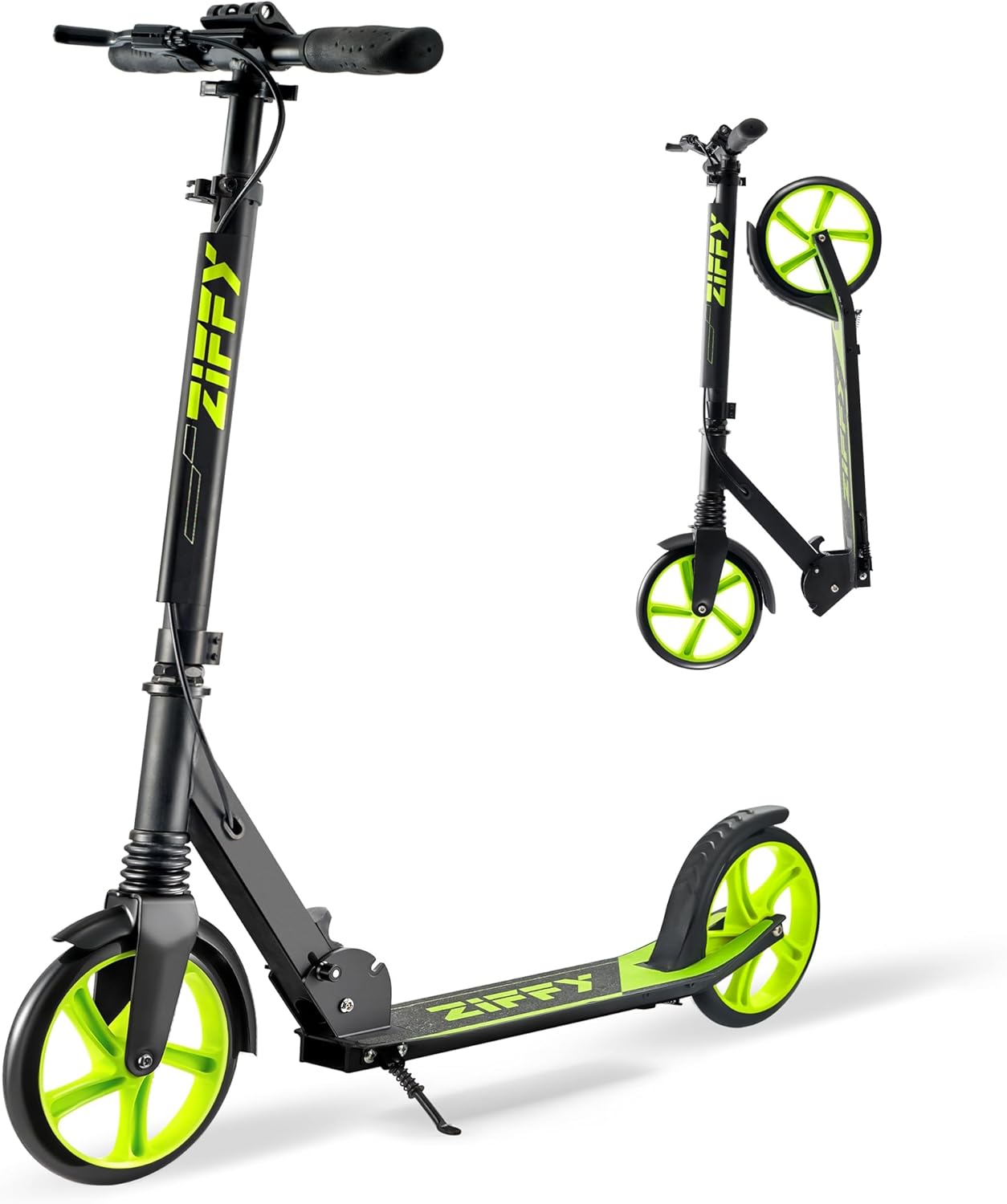
Different Types of Gotrax
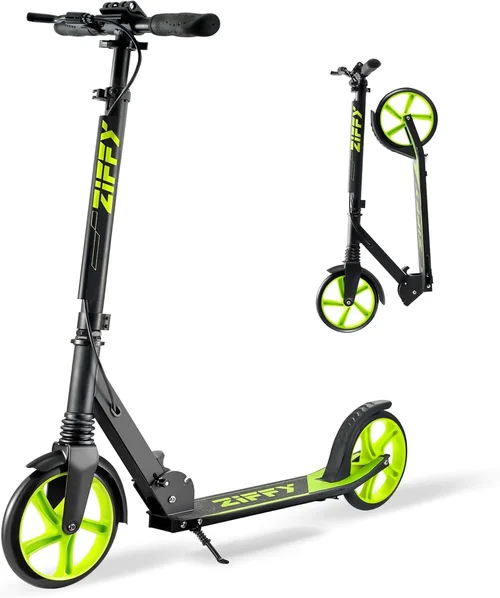
Common Buying Mistakes to Avoid
❌ Mistake: Prioritizing Price Over Quality
Why it’s bad: The cheapest scooters often cut corners on critical components like batteries and brakes, leading to frequent breakdowns, safety risks, and higher long-term costs. A $120 scooter that needs a $60 battery replacement after 4 months isn’t a bargain—it’s a liability.
What to do instead: Allocate at least $200–$250 for a scooter that will last. Look for models with proven track records and user testimonials confirming durability.
❌ Mistake: Ignoring Real-World Range Claims
Why it’s bad: Manufacturers test range under perfect conditions: flat roads, light riders, no wind. In reality, your commute may include hills, traffic stops, and colder weather—all of which drain the battery faster. Relying on advertised range can leave you stranded.
What to do instead: Divide the claimed range by 1.5 to estimate real-world performance. If you need 10 miles, buy a scooter rated for at least 15.
❌ Mistake: Overlooking Weight Capacity
Why it’s bad: Most sub-$300 scooters support 220–260 lbs. Exceeding this limit strains the motor, drains the battery faster, and can cause frame cracks or brake failure. It’s a serious safety issue.
What to do instead: Check your weight plus any bags or cargo. Choose a scooter with a capacity at least 20 lbs above your total load.
❌ Mistake: Skipping Safety Features
Why it’s bad: Riding without lights, reflectors, or reliable brakes increases accident risk—especially at dusk or in rain. Many cities require front/rear lights by law.
What to do instead: Ensure the scooter has a bright LED headlight, rear brake light, and reflective elements. Test the brakes before your first ride.
❌ Mistake: Buying Without Testing Portability
Why it’s bad: A 30-pound scooter might seem manageable online, but lifting it daily up stairs or onto a bus gets exhausting fast. Poor folding mechanisms can also make storage awkward.
What to do instead: If possible, visit a store to test the weight and fold. Or watch unboxing videos on YouTube to see how compact it really gets.
❌ Mistake: Ignoring Warranty Details
Why it’s bad: A “1-year warranty” might only cover the motor—not the battery, which is the most failure-prone part. Some brands require you to pay return shipping, costing nearly as much as a new scooter.
What to do instead: Read the warranty terms carefully. Prefer brands that cover battery degradation and offer local repair centers or prepaid return labels.
❌ Mistake: Falling for “Premium” Add-Ons
Why it’s bad: Features like RGB lights, phone chargers, or voice assistants sound cool but add cost and complexity without improving core performance. They also drain the battery.
What to do instead: Focus on essentials: motor power, battery quality, brake type, and build materials. Save extras for higher-end models.
Budget Guidelines: How Much Should You Spend?
– Entry-Level ($150–$200): This tier includes basic models like the Gotrax KS3 or older Razor E100 variants. Expect 150W–250W motors, 6–10 mile range, solid tires, and minimal features. Best for kids, short campus rides, or occasional use. Durability is hit-or-miss—ideal if you’re testing the waters.
– Mid-Range ($200–$260): The sweet spot for most buyers. Models like the Gotrax GXL V2 or XR Elite offer 250W–350W motors, 10–15 mile real-world range, better brakes, and sturdier frames. You’ll get reliable daily commuting performance with room for light hills and moderate loads.
– Premium ($260–$300): For enthusiasts who want near-mid-tier performance on a budget. The Gotrax G4 and Apex fall here, offering app connectivity, larger batteries, and refined designs. These scooters often include cruise control, brighter displays, and improved suspension feel—even if it’s just rubber dampeners.
– Luxury ($300+): While outside our scope, it’s worth noting that stepping just above $300 unlocks significant upgrades: hydraulic disc brakes, full pneumatic tires, 400W+ motors, and 20+ mile ranges. If your budget allows, consider stretching slightly—you’ll notice the difference immediately.
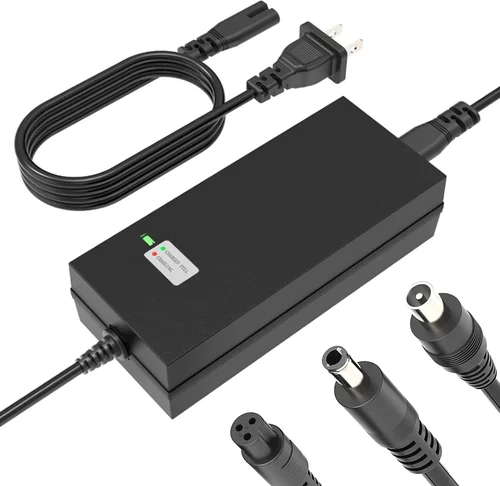
Expert Tips for Getting the Best Deal
– Buy During Off-Peak Seasons: Demand peaks in spring and summer. Shop in late fall or winter for better prices and less competition.
– Compare Retailers: Amazon often has competitive pricing and easy returns, but check Gotrax’s official site for exclusive bundles (free helmet, extended warranty). Best Buy and Walmart offer in-store pickup and hands-on inspection.
– Look for Refurbished Units: Certified refurbished scooters from reputable sellers (like Gotrax Direct) can save you 20–30% and come with the same warranty as new ones.
– Check Return Policies: Ensure you have at least 14–30 days to return the scooter if it doesn’t meet expectations. Some sellers charge restocking fees—avoid these.
– Test Ride When Possible: If a local store carries the model, take it for a spin. Pay attention to brake responsiveness, deck comfort, and how it handles small bumps.
– Join Owner Communities: Reddit’s r/ElectricScooters and Facebook groups often share discount codes, recall alerts, and maintenance tips you won’t find elsewhere.
– Consider Total Cost of Ownership: Factor in replacement tires, brake pads, and potential battery swaps. A slightly pricier scooter with easily replaceable parts may cost less long-term.
– Verify Seller Authenticity: On Amazon, stick to “Sold by Gotrax” or authorized retailers. Third-party sellers may ship counterfeit or used units labeled as new.

Frequently Asked Questions
Q: Can I ride an electric scooter in the rain?
A: Most sub-$300 scooters, including Gotrax models, are rated IPX4—meaning they resist splashes from any direction but aren’t waterproof. Light rain is usually fine, but avoid deep puddles, heavy downpours, or submerging the deck. Water damage typically voids the warranty, so err on the side of caution.
Q: How long does the battery last before needing replacement?
A: A quality lithium-ion battery should last 300–500 charge cycles, equating to 1–2 years of daily use. After that, range will gradually decline. Proper care (avoiding full discharges, storing at 50% charge in winter) can extend lifespan.
Q: Are electric scooters legal in my city?
A: Laws vary widely. Many U.S. cities allow scooters on bike lanes and roads with speed limits under 35 mph, but some require helmets, registration, or prohibit sidewalk riding. Check your local Department of Transportation website before buying.
Q: Can I carry my scooter on a plane?
A: Most airlines prohibit lithium batteries over 100Wh in checked luggage. Gotrax scooters typically have 280–360Wh batteries, so they’re generally not allowed onboard. Always check with your airline—some may permit them in carry-on if under 160Wh, but most budget models exceed this.
Q: What’s the difference between electronic and disc brakes?
A: Electronic brakes use the motor to slow the scooter—they’re quiet and low-maintenance but less powerful, especially at high speeds. Disc brakes (mechanical or hydraulic) offer stronger, more consistent stopping power but are rare under $300. For casual riding, electronic brakes are sufficient.
Q: Do I need to charge the scooter after every ride?
A: Not necessarily. Lithium-ion batteries prefer partial charges. Charging when the battery hits 20–30% and unplugging at 80–90% can prolong its life. However, for daily commuters, overnight charging is convenient and won’t harm the battery significantly.
Q: Can kids ride adult electric scooters?
A: It’s not recommended. Adult scooters are heavier, faster, and have higher decks—making them harder for children to control. Opt for youth-specific models like the Gotrax KS3, which have lower speed limits (12–15 mph), lighter frames, and safety features tailored to younger riders.
Q: How do I maintain my scooter?
A: Basic maintenance includes: keeping tires clean and inflated (if pneumatic), tightening bolts monthly, wiping down the deck, and storing in a dry place. Avoid pressure washers—use a damp cloth instead. Lubricate the folding mechanism occasionally with silicone spray.
Q: What should I do if my scooter stops working?
A: First, check the basics: is it charged? Is the power button engaged? Are any wires loose? If not, consult the manual or contact customer support. Most issues (like loose throttle connectors) are fixable at home with basic tools.
Q: Is it worth buying a helmet?
A: Absolutely. Even at 15 mph, a fall can cause serious injury. A CPSC-certified helmet costs $30–$60 and could save your life. Many cities require them by law—and insurance may not cover injuries without one.
Our Final Recommendations
– Best for Budget-Conscious Buyers: Gotrax GXL V2 ($249) – Offers the best balance of price, performance, and reliability in the under-$300 range. With a 250W motor, 12-mile real-world range, and solid aluminum frame, it’s perfect for students and casual commuters.
– Best Overall Value: Gotrax XR Elite ($279) – Step up to this model if you weigh over 180 lbs or face moderate hills. Its 36V battery and 260-lb capacity deliver noticeably better performance than the GXL, with minimal price increase.
– Best Premium Option (Under $300): Gotrax G4 ($289) – For tech lovers who want app control, ride analytics, and customizable speed modes without crossing into $400+ territory. Just remember the app is a bonus—not a necessity.
– Best for Beginners: Gotrax KS3 ($179) – Designed specifically for younger or first-time riders, with a low deck, speed limiter, and lightweight build. Safe, simple, and affordable.
– Best for Advanced Users (on a Budget): Gotrax Apex ($269) – Combines sleek aesthetics with practical upgrades like a brighter display and improved ergonomics. Ideal for riders who care about style as much as function.
Conclusion: Making the Right Choice
Choosing the right electric scooter under $300 isn’t about finding the “cheapest” or “fastest” model—it’s about matching the scooter’s capabilities to your lifestyle, terrain, and usage patterns. We’ve covered everything from motor specs and battery life to safety features and warranty nuances, all to help you avoid buyer’s remorse and invest wisely.
Remember: a great scooter should feel like an extension of your daily routine—not a source of frustration. Prioritize reliability over flashy features, real-world performance over marketing claims, and safety over savings. Whether you’re commuting to class, exploring your neighborhood, or just reducing your carbon footprint, the right scooter can make every ride smoother, safer, and more enjoyable.
Take your time, read user reviews, compare your top choices side-by-side, and don’t hesitate to reach out to customer support with questions. And when you do find the perfect match? Charge it up, strap on a helmet, and enjoy the freedom that comes with electric mobility. Your ideal ride is out there—and now you know exactly how to find it.