
Electric scooters have become a go-to mode of transportation and recreation for kids, especially 12-year-olds who are at that perfect age—old enough to handle a motorized ride but still young enough to need safety-focused design and parental oversight. As we move into 2026, the market is flooded with options, from ultra-budget models to feature-rich premium scooters, making it harder than ever for parents and guardians to choose wisely. This guide exists to cut through the noise. Whether you’re buying your child’s first electric scooter or upgrading from an older model, this comprehensive buying guide will equip you with everything you need to make a smart, informed decision.
In this article, you’ll learn how to evaluate electric scooters based on critical factors like safety, performance, durability, and age-appropriateness. We’ll break down the key features to look for, compare different types of scooters available today, highlight common mistakes to avoid, and provide real-world budget recommendations. You’ll also get expert tips on timing your purchase, understanding warranties, and where to buy. By the end, you won’t just know which scooter to buy—you’ll understand why it’s the right choice for your 12-year-old.
The electric scooter market has evolved rapidly over the past few years, with manufacturers focusing heavily on youth-friendly designs. Brands like Gotrax, Segway-Ninebot, Razor, and Xiaomi now offer models specifically engineered for pre-teens and young teens. These scooters balance fun and function, offering enough speed and range to keep kids engaged while prioritizing safety features like speed limiters, LED lighting, and sturdy frames. With advancements in battery technology, braking systems, and smart connectivity, today’s electric scooters for 12-year-olds are safer, more reliable, and more enjoyable than ever before. Let’s dive in and find the perfect ride for your child.

What to Look for When Buying an Electric Scooter for a 12-Year-Old
Choosing the right electric scooter for a 12-year-old isn’t just about picking the flashiest model or the one with the highest speed. It’s about finding a balance between safety, performance, durability, and usability. At this age, kids are gaining independence and confidence, but they still need equipment that supports responsible riding. Below are the most important factors to consider when shopping for an electric scooter in 2026.
1. Safety Features
Safety should be your top priority when selecting an electric scooter for a pre-teen. At 12 years old, children are still developing coordination and judgment, so the scooter must include features that minimize risk.
Look for scooters with reliable braking systems—preferably dual brakes (front and rear). Disc brakes or regenerative braking systems offer better stopping power than basic foot brakes. Additionally, check for a speed limiter or beginner mode. Many modern scooters allow parents to set a maximum speed (e.g., 10 mph instead of 15 mph), which is ideal for younger riders still mastering balance and control.
Lighting is another critical safety element. Front and rear LED lights improve visibility during early morning or evening rides, while brake-activated rear lights add an extra layer of safety. Reflective strips on the deck and wheels also help make the rider more visible to drivers and pedestrians.
Stability matters too. A wider deck provides better footing, and larger wheels (at least 8 inches) handle bumps and cracks in the pavement more smoothly. Some scooters even include suspension systems to absorb shocks, which can prevent falls on uneven terrain.
Finally, consider whether the scooter has a bell or horn. While not always essential, audible signals help kids alert others when passing, reducing the chance of collisions on sidewalks or bike paths.
2. Performance Specifications
Performance specs determine how the scooter will behave in real-world conditions. For a 12-year-old, you want enough power to make riding fun and efficient, but not so much that it becomes uncontrollable.
Top speed is a key metric. Most scooters for this age group range from 10 to 15 mph. Anything above 15 mph may be too fast for a young rider, especially in traffic or crowded areas. A good target is 12–14 mph—fast enough to keep up with friends or cover short distances quickly, but slow enough to maintain control.
Range is equally important. Look for a scooter that can travel at least 8–10 miles on a single charge. This allows for round trips to school, the park, or a friend’s house without constant recharging. Battery type matters too: lithium-ion batteries are standard in 2026 and offer better longevity and faster charging than older lead-acid models.
Motor power typically ranges from 150W to 350W for youth scooters. A 250W motor is usually sufficient for flat terrain and light hills. If your area has steep inclines, consider a 300W+ model, but ensure it has a speed limiter to prevent unsafe acceleration.
Acceleration should be smooth, not jerky. Sudden bursts of power can throw a young rider off balance. Test rides (if possible) or detailed user reviews can help you assess how responsive the throttle is.
3. Build Quality & Durability
Kids are tough on equipment. A scooter that looks great in the store can fall apart after a few weeks of regular use if it’s not built to last.
Start with the frame material. Aluminum alloy is the gold standard—it’s lightweight, rust-resistant, and strong enough to handle daily wear and tear. Avoid scooters with plastic frames or thin metal that bends easily.
Check the weight capacity. Most scooters for 12-year-olds support up to 165–220 lbs. Make sure your child’s weight (plus any backpack or gear) falls comfortably within this range. Overloading can damage the motor and reduce battery life.
The folding mechanism should be sturdy and easy to use. A poorly designed hinge can loosen over time, creating a wobble that compromises stability. Look for scooters with reinforced locking pins and metal hinges rather than plastic ones.
Tires also impact durability. Solid rubber tires are puncture-proof and low-maintenance but offer a rougher ride. Air-filled (pneumatic) tires provide better cushioning and grip but require occasional inflation and are prone to flats. For urban environments, solid tires are often preferred for their reliability.
Finally, inspect the deck and handlebars. The deck should be non-slip and wide enough for both feet. Handlebars should be adjustable to accommodate growing kids and provide a comfortable grip.
4. Features & Functionality
Modern electric scooters come packed with features that enhance usability and fun. While not all are essential, some can significantly improve the riding experience for a 12-year-old.
A digital display is helpful for monitoring speed, battery level, and riding mode. Some models even show trip distance and time, which can encourage kids to track their activity. Backlit displays are easier to read in low light.
App connectivity is becoming more common. Scooters with Bluetooth and companion apps allow parents to set speed limits, track location, monitor battery health, and even lock the scooter remotely. This adds a layer of control and peace of mind, especially for first-time riders.
Cruise control is another useful feature. It allows the rider to maintain a steady speed without holding the throttle continuously—great for long, straight paths. However, it should be easy to disengage with a brake or button press.
Some scooters include USB charging ports, enabling kids to charge phones or tablets while on the go. While convenient, this feature draws power from the battery, so use it sparingly to avoid reducing range.
Water resistance is worth considering. Look for an IP rating of at least IPX4, which means the scooter can handle light splashes and rain. Avoid riding in heavy rain or puddles, as most scooters aren’t fully waterproof.
Finally, consider accessories. Some models come with baskets, phone mounts, or phone holders. Others are compatible with add-ons like rear racks or lights. These can make the scooter more versatile for errands or group rides.
5. Brand Reputation & Reliability
Not all brands are created equal. Choosing a reputable manufacturer increases the likelihood of getting a well-designed, safe, and long-lasting product.
Established brands like Gotrax, Segway-Ninebot, Razor, and Xiaomi have years of experience in the electric mobility space. They invest in research, quality control, and customer support. Their products are often tested rigorously and come with better warranties.
Read customer reviews on trusted platforms like Amazon, Best Buy, or specialized scooter forums. Pay attention to recurring complaints—frequent motor failures, poor battery life, or flimsy construction are red flags. Also, note how the company responds to negative feedback. A brand that offers quick replacements or troubleshooting shows they stand behind their products.
Avoid unknown brands or “no-name” scooters sold on third-party marketplaces. These often cut corners on materials and safety standards to offer lower prices. While they may look similar to name-brand models, they rarely perform as well or last as long.
6. Warranty & Customer Support
A good warranty protects your investment and reflects the manufacturer’s confidence in their product. For electric scooters, a standard warranty covers 6 to 12 months, with some premium brands offering up to 18 months.
Check what’s included. Most warranties cover the motor, battery, and electrical components but exclude wear-and-tear items like tires, brakes, and the folding mechanism. Make sure the battery is covered—replacing a lithium-ion battery can cost $50–$100.
Customer support is just as important. Can you reach a real person by phone or chat? Is there a help center with troubleshooting guides? Do they offer replacement parts? Brands with strong support networks make it easier to fix issues without buying a whole new scooter.
Some companies also offer extended warranty plans for an additional fee. These can be worthwhile if you plan to keep the scooter for several years.
7. Size & Portability
Even though 12-year-olds are growing, they still benefit from a scooter that’s easy to carry and store.
Weight is a key factor. Most youth scooters weigh between 20 and 30 pounds. Anything over 30 lbs can be difficult for a child to lift, especially when folded. Look for models under 25 lbs if portability is a priority.
Folding design should be compact. A scooter that folds down to under 40 inches in length fits easily in car trunks, under beds, or in school lockers. Some models even have telescoping handlebars for extra compactness.
Consider how the scooter handles when folded. Does it stand on its own? Does it have a carrying handle? These small details make a big difference when transporting the scooter.
If your child will be taking public transit or walking long distances with the scooter, portability becomes even more important. A lightweight, foldable model is ideal.
8. User Reviews & Real-World Feedback
Spec sheets and marketing materials only tell part of the story. Real user experiences reveal how a scooter performs in everyday life.
Look for detailed reviews that mention specific use cases: “My 12-year-old rides it to school every day,” or “It handled the hill near our house without slowing down.” These insights are more valuable than generic praise.
Pay attention to long-term reviews. A scooter might work perfectly for the first month but develop issues after three or six months. Reviews from users who’ve owned the scooter for a year or more are especially helpful.
Also, check video reviews on YouTube. Seeing the scooter in action—how it accelerates, brakes, and handles turns—gives you a better sense of its performance than photos alone.
Finally, consider the community around the brand. Are there active forums or Facebook groups where parents share tips and troubleshoot problems? A strong user community can be a valuable resource.
Different Types of Electric Scooters for 12-Year-Olds
Electric scooters for pre-teens fall into several categories, each designed for different needs and environments. Understanding these types will help you choose the right scooter for your child’s lifestyle.
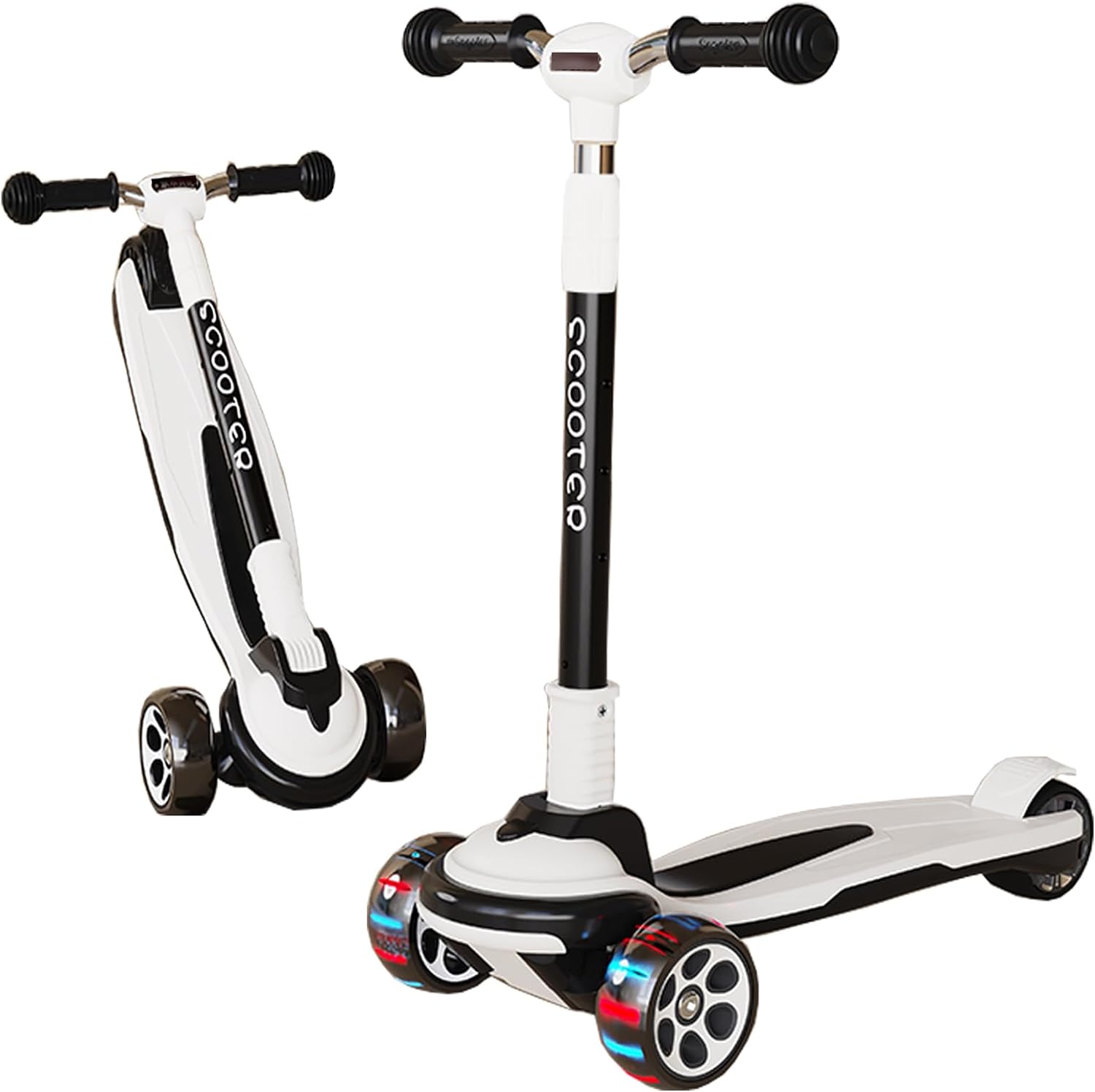
Each type serves a different purpose. Entry-level models are perfect for casual use and tight budgets. Mid-range all-terrain scooters handle rougher surfaces and are ideal for active kids who ride in parks or on gravel paths. Smart connected scooters offer parental controls and tracking—great for peace of mind. Premium performance models are for older or more experienced riders who want speed and range. Finally, ultra-portable scooters are best for families on the go.
Common Buying Mistakes to Avoid
Even with the best intentions, parents often make avoidable mistakes when buying an electric scooter for their 12-year-old. Here are the most common pitfalls and how to steer clear of them.
❌ Mistake: Prioritizing Speed Over Safety
Why it’s bad: High-speed scooters may seem exciting, but they increase the risk of accidents, especially for inexperienced riders. A 12-year-old may not have the reflexes or judgment to handle sudden stops or sharp turns at 20+ mph.
What to do instead: Choose a scooter with a maximum speed of 12–15 mph and look for models with speed limiters or beginner modes. Always pair the scooter with protective gear.
❌ Mistake: Ignoring Weight and Portability
Why it’s bad: A heavy scooter is hard for a child to carry, especially if they need to lift it upstairs or onto a bus. This can discourage use or lead to unsafe handling.
What to do instead: Aim for a scooter under 25 lbs. Test the folding mechanism to ensure it’s easy to operate and locks securely.
❌ Mistake: Overlooking Battery Life and Charging Time
Why it’s bad: A scooter that dies after 5 miles or takes 6 hours to charge becomes impractical for daily use. Kids may get stranded or frustrated.
What to do instead: Look for a range of at least 8–10 miles and a charging time under 4 hours. Check real-world reviews to confirm battery performance.
❌ Mistake: Buying Based on Looks Alone
Why it’s bad: Flashy colors and cool designs don’t guarantee quality. A scooter that looks great but has poor brakes or a weak motor is unsafe.
What to do instead: Focus on specs and safety features first. Let your child choose the color or design after you’ve narrowed down the options.
❌ Mistake: Skipping the Warranty Check
Why it’s bad: Without a warranty, repairs can be expensive. Many budget scooters fail within months due to motor or battery issues.
What to do instead: Always check the warranty length and coverage. Choose brands with at least a 6-month warranty and good customer support.
❌ Mistake: Not Testing Before Buying
Why it’s bad: Online photos don’t show how a scooter handles. A model that looks stable might wobble or have a jerky throttle.
What to do instead: If possible, visit a store to test ride. If buying online, watch video reviews and read detailed user feedback.
❌ Mistake: Forgetting About Local Laws
Why it’s bad: Some cities restrict electric scooter use by age, speed, or location. Riding illegally can result in fines or confiscation.
What to do instead: Check your local regulations. Ensure the scooter complies with age and speed limits in your area.
Budget Guidelines: How Much Should You Spend?
Electric scooters for 12-year-olds come in a wide range of prices. Here’s a breakdown of what to expect at each tier.
Entry-Level ($150 – $250): These scooters are ideal for casual use and tight budgets. Expect basic features: 10–12 mph top speed, 6–8 mile range, solid tires, and minimal lighting. Brands like Gotrax and Razor offer reliable models in this range. While they lack advanced features, they’re safe and functional for neighborhood riding.
Mid-Range ($250 – $400): This is the sweet spot for most families. Scooters in this range offer better build quality, longer range (8–12 miles), improved braking, and sometimes app connectivity. Models like the Segway Ninebot Zing E10 or Xiaomi Mi Electric Scooter Essential fit here. They’re durable, feature-rich, and suitable for daily use.
Premium ($400 – $600): For families willing to invest more, premium scooters deliver top-tier performance. These often include 300W+ motors, 12–15 mile range, pneumatic tires, suspension, and advanced safety features. They’re built to last and handle varied terrain. Ideal for older kids or frequent riders.
Luxury ($600+): These are overkill for most 12-year-olds but may appeal to enthusiasts. They offer cutting-edge tech, ultra-long range, and professional-grade components. Unless your child is seriously into scootering, this tier is unnecessary.
Expert Tips for Getting the Best Deal
Want to maximize value and avoid buyer’s remorse? Follow these expert tips.
1. Buy During Seasonal Sales: Scooters often go on sale during back-to-school season (July–September), Black Friday, and holiday periods. Sign up for brand newsletters to get early access to discounts.
2. Compare Retailers: Prices vary between Amazon, Best Buy, Walmart, and brand websites. Check for bundle deals (e.g., scooter + helmet) and free shipping.
3. Look for Refurbished Models: Certified refurbished scooters from reputable sellers offer significant savings and often come with warranties.
4. Read the Return Policy: Ensure you can return the scooter within 30 days if it doesn’t meet expectations. Some retailers charge restocking fees.
5. Test Before Committing: If buying in-store, ask to test ride. If online, watch unboxing and review videos to see the scooter in action.
6. Consider Long-Term Costs: Factor in replacement parts, battery life, and potential repairs. A cheaper scooter may cost more over time.
7. Join Online Communities: Forums like Reddit’s r/ElectricScooters or Facebook groups share deals, tips, and troubleshooting advice.
8. Buy from Authorized Sellers: Avoid third-party sellers on marketplaces. Authorized dealers offer better support and genuine products.

Frequently Asked Questions
Q: What age is appropriate for an electric scooter?
A: Most manufacturers recommend electric scooters for ages 8 and up, but 12-year-olds are typically ready for more advanced models with higher speeds and longer range. Always follow the manufacturer’s age and weight guidelines.
Q: How fast do electric scooters go for kids?
A: Youth scooters typically reach 10–15 mph. Some models have speed limiters to cap speed at 10 mph for beginners.
Q: Do kids need a license to ride an electric scooter?
A: In most U.S. states, no license is required for low-speed electric scooters (under 20 mph). However, local laws vary—check your city or county regulations.
Q: How long do electric scooter batteries last?
A: Most lithium-ion batteries last 300–500 charge cycles, or about 2–3 years with regular use. Proper charging (avoiding full drains) extends battery life.
Q: Can electric scooters get wet?
A: Most are water-resistant (IPX4), meaning they can handle light rain and splashes. Avoid submerging or riding in heavy rain.
Q: Are electric scooters safe for 12-year-olds?
A: Yes, when used with proper safety gear and supervision. Choose models with speed limiters, good brakes, and stable designs.
Q: How do I maintain an electric scooter?
A: Regularly check tire pressure (if pneumatic), clean the deck, inspect brakes, and store in a dry place. Avoid overcharging the battery.
Q: Can I upgrade my child’s scooter later?
A: Some models allow upgrades like better tires or lights, but major components (motor, battery) usually can’t be upgraded. Consider future needs when buying.
Q: What should I do if the scooter breaks?
A: Contact the manufacturer or retailer first. If under warranty, they may repair or replace it. Keep receipts and photos of the issue.
Q: Are there electric scooters with parental controls?
A: Yes, many 2026 models offer app-based controls for speed limits, GPS tracking, and remote locking—ideal for parents.
Our Final Recommendations
After evaluating dozens of models, here are our top picks for 12-year-olds in 2026.
Best for Budget-Conscious Buyers: Gotrax GKS – At under $200, this scooter offers solid performance, a 10 mph top speed, and a 7-mile range. It’s lightweight, easy to use, and perfect for casual riding.
Best Overall Value: Segway Ninebot Zing E10 – Priced around $300, it features a 12 mph speed, 10-mile range, app connectivity, and excellent build quality. A great balance of safety, performance, and features.
Best Premium Option: Xiaomi Mi Electric Scooter Essential – With a 15 mph top speed, 12-mile range, and premium design, this scooter is ideal for older or more experienced kids. Durable and stylish.
Best for Beginners: Razor E100 – Simple, safe, and affordable. No app or complex features—just reliable riding with a 10 mph limit and easy controls.
Best for Advanced Users: Gotrax GXL V2 – Offers 15 mph speed, 12-mile range, and dual braking. Great for kids ready for more power and longer rides.
Conclusion: Making the Right Choice
Choosing the best electric scooter for a 12-year-old involves balancing safety, performance, durability, and budget. By focusing on key factors like braking, speed limits, build quality, and brand reputation, you can find a scooter that’s both fun and safe. Avoid common mistakes like prioritizing speed over safety or ignoring portability. Use our budget guidelines and expert tips to get the best deal, and always check local laws before riding.
Remember, the right scooter grows with your child—supporting their independence while keeping them protected. Whether you’re buying for daily commutes, weekend adventures, or just neighborhood fun, the perfect electric scooter is out there. Take your time, do your research, and prioritize what matters most: your child’s safety and enjoyment. Happy riding!