
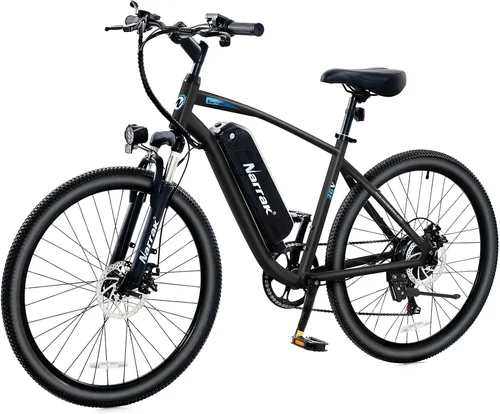
Electric mountain bikes (eMTBs) have revolutionized off-road cycling, blending the thrill of trail riding with the power of electric assist. Whether you’re tackling steep climbs, exploring remote backcountry trails, or simply commuting with a little extra boost, an eMTB under $3,000 can deliver exceptional performance without breaking the bank. As we move into 2025, the market has matured significantly—offering better components, smarter motors, and more durable builds at accessible price points. This guide is designed to help you navigate that landscape with confidence.
Choosing the right electric mountain bike isn’t just about picking the shiniest model or the one with the longest range. It’s about matching your riding style, terrain, and personal needs to a bike that delivers reliable performance, comfort, and value. With dozens of brands and hundreds of models available, the decision can feel overwhelming. That’s where this comprehensive buying guide comes in. We’ll walk you through every critical factor—from motor power and battery life to frame materials and suspension systems—so you can make an informed choice.
By the end of this article, you’ll understand exactly what to look for in an electric mountain bike under $3,000, how to avoid common pitfalls, and which models offer the best balance of performance, durability, and affordability. Whether you’re a weekend warrior, a daily commuter, or someone just getting into mountain biking, this guide will equip you with the knowledge to invest wisely. Let’s dive into the essentials.
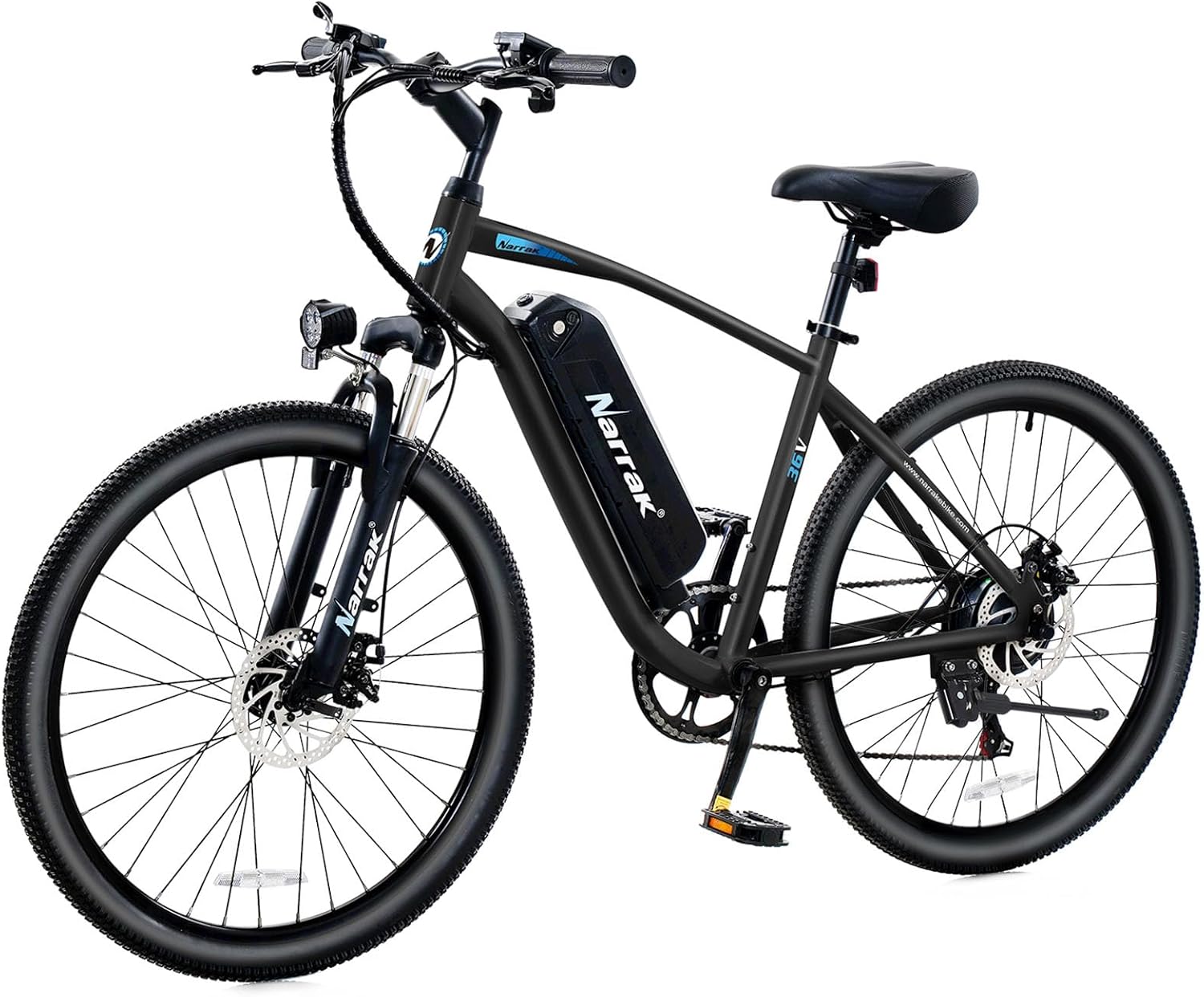
What to Look for When Buying Electric Mountain Bikes
1. Motor Type and Power Output
The motor is the heart of any electric mountain bike. In 2025, most quality eMTBs under $3,000 feature mid-drive motors—preferred over hub motors for their balanced weight distribution and superior climbing ability. Mid-drive motors, such as those from Bosch, Shimano STEPS, or Bafang, sit near the bottom bracket and power the crankset directly, allowing them to leverage the bike’s gears efficiently.
Look for motors with a power output between 250W and 750W. While 250W is standard in many regions (and often required for legal compliance), higher-wattage motors (like 500W or 750W) deliver more torque and better performance on steep or technical terrain. Torque, measured in Newton-meters (Nm), is especially important—aim for at least 70 Nm for serious trail riding. For example, the Shimano EP6 motor offers 85 Nm of torque and is found in several high-performing bikes under $3,000.
2. Battery Capacity and Range
Battery life determines how far you can ride on a single charge. Capacity is measured in watt-hours (Wh), and for eMTBs under $3,000, expect batteries ranging from 400Wh to 630Wh. A 500Wh battery is a sweet spot—offering a balance between weight, cost, and range.
Range varies widely based on terrain, rider weight, assist level, and weather. On flat terrain with minimal assist, a 500Wh battery might last 80–100 miles. But on steep mountain trails with high assist, that drops to 25–40 miles. Always check real-world range estimates from user reviews, not just manufacturer claims.
Removable batteries are a must for convenience—allowing you to charge indoors or swap in a spare. Some brands, like Trek and Specialized, offer optional range extenders (extra batteries that attach externally), which can double your range for long adventures.
3. Frame Material and Geometry
The frame is the foundation of your eMTB’s performance and durability. Most bikes under $3,000 use aluminum alloy frames—lightweight, strong, and cost-effective. While carbon fiber frames are lighter and absorb vibrations better, they’re rare in this price range and often reserved for premium models.
Geometry affects handling and comfort. Look for a slack head tube angle (65–67 degrees) for stability on descents, a long reach for confidence at speed, and a low bottom bracket for better center of gravity. Trail-focused eMTBs often feature progressive geometry designed for aggressive riding, while more relaxed setups suit casual or cross-country use.
Weld quality matters too. Check for smooth, clean welds and reinforced joints—especially around the motor mount and battery housing, which endure significant stress.
4. Suspension System
Suspension absorbs shocks from rough terrain, improving control and reducing fatigue. Most eMTBs under $3,000 come with front suspension (hardtail) or full suspension (dual).
– Hardtail: Front fork only. Lighter, simpler, and more efficient for climbing. Ideal for smoother trails, cross-country, or commuting. Look for forks with 100–140mm of travel and lockout features.
– Full Suspension: Front and rear suspension. Better for technical trails, drops, and rough descents. Expect 120–160mm of travel. Rear shocks should be tunable (preload, rebound) for customization.
Brands like RockShox, Fox, and Marzocchi dominate the mid-range market. A RockShox Recon or Fox 32 fork is common in this price bracket and offers reliable performance. For rear shocks, look for air-sprung models (lighter and more adjustable) over coil.
5. Drivetrain and Gearing
The drivetrain determines how smoothly and efficiently you can shift gears. Most eMTBs under $3,000 use 1x (single chainring) drivetrains, which simplify shifting and reduce maintenance. Look for reliable groupsets from Shimano (Deore, SLX, XT) or SRAM (NX, GX).
– Shimano Deore: Great entry-level option, durable and smooth.
– Shimano SLX/XT: Mid-to-high tier, lighter and more precise.
– SRAM NX/GX: Excellent performance, especially GX with its wide 11-50T cassette.
A wide-range cassette (e.g., 11-51T) gives you low gears for climbing and high gears for speed. Ensure the derailleur has a clutch mechanism to prevent chain slap on rough terrain.
6. Braking System
Stopping power is critical, especially on steep, technical descents. Hydraulic disc brakes are standard on quality eMTBs and far superior to mechanical or rim brakes. Look for 4-piston calipers for aggressive riding or 2-piston for lighter use.
Rotor size matters too—180mm is adequate for most riders, but 203mm rotors offer better heat dissipation and stopping power on long descents. Brands like Shimano, SRAM, and Tektro offer reliable options in this range.
7. Tires and Wheels
Tires are your only contact with the trail. Wider tires (2.4″–2.6″) provide better traction and cushioning. Look for aggressive tread patterns with knobs for grip on loose or muddy terrain.
Tubeless-ready wheels are a big plus—they allow lower tire pressures for better grip and reduce the risk of pinch flats. Many bikes under $3,000 now come tubeless-ready out of the box, though you may need to add sealant.
Wheel size also affects ride quality:
– 27.5″: More agile, better for technical trails.
– 29″: Rolls over obstacles easier, faster on flat terrain.
– Mixed (29″ front, 27.5″ rear): Combines stability and maneuverability—popular on modern trail bikes.
8. Display and Connectivity
The display shows speed, battery level, assist mode, and sometimes navigation or ride stats. Most bikes under $3,000 come with basic LCD or LED displays. Higher-end models may include Bluetooth connectivity, app integration, or GPS.
Shimano’s E-Tube app, for example, lets you customize assist levels and monitor battery health. Bosch’s Kiox display offers detailed ride data and navigation. While not essential, these features enhance the riding experience and help you track performance over time.
9. Weight and Portability
Electric mountain bikes are heavier than traditional bikes—typically 45–60 lbs. This is due to the motor, battery, and reinforced frame. While you can’t avoid the weight, consider how you’ll transport the bike.
If you plan to load it onto a car rack, look for models with thru-axles (15mm front, 12mm rear) for secure mounting. Some bikes include integrated racks or mounts for accessories. Folding eMTBs are rare in this category but worth considering if storage space is limited.
10. Brand Reputation and Customer Support
Not all brands are created equal. Established names like Trek, Specialized, Giant, and Cannondale have strong reputations for quality and service. They also offer better warranty coverage and local dealer support.
Emerging brands like Rad Power Bikes, Aventon, or Heybike offer great value but may have limited service networks. Research customer reviews and check if the brand has certified dealers near you. A good warranty (at least 2 years on frame and motor) is a sign of confidence in the product.
Different Types of Electric Mountain Bikes

Common Buying Mistakes to Avoid
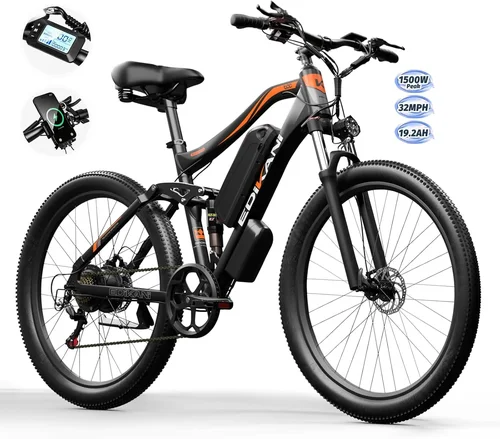
❌ Mistake: Prioritizing Price Over Performance
Why it’s bad: Going for the cheapest option often means compromising on motor quality, battery life, or component durability. A $1,200 eMTB might save you money upfront but could leave you stranded on the trail or require frequent repairs.
What to do instead: Set a realistic budget ($2,000–$3,000) and focus on value. Look for bikes with reputable motors, reliable drivetrains, and good warranties. A slightly higher investment often pays off in longevity and enjoyment.
❌ Mistake: Ignoring Fit and Sizing
Why it’s bad: An ill-fitting bike causes discomfort, reduces control, and increases injury risk. Electric mountain bikes are heavy—poor fit compounds the problem.
What to do instead: Use the manufacturer’s size chart and, if possible, test ride multiple sizes. Pay attention to standover height, reach, and saddle position. Many brands offer virtual fit tools or dealer consultations.
❌ Mistake: Overlooking Battery Realism
Why it’s bad: Manufacturers often quote ideal range (e.g., “up to 100 miles”), but real-world conditions (hills, wind, high assist) cut that in half.
What to do instead: Read user reviews and forums for real range reports. Plan routes with charging points or carry a spare battery if needed. Consider your typical ride length and terrain.
❌ Mistake: Skipping the Test Ride
Why it’s bad: Specs don’t tell the whole story. How a bike feels—its balance, responsiveness, and comfort—can only be judged by riding it.
What to do instead: Visit local dealers or attend demo days. Test on varied terrain if possible. Pay attention to motor engagement, suspension feel, and braking performance.
❌ Mistake: Neglecting Maintenance Needs
Why it’s bad: eMTBs require more maintenance than regular bikes—battery care, motor servicing, and drivetrain wear are all factors.
What to do instead: Learn basic maintenance (cleaning, chain lubrication, brake checks). Choose a brand with accessible service centers. Budget for annual tune-ups.
❌ Mistake: Buying Based on Looks Alone
Why it’s bad: A sleek design doesn’t guarantee performance. Some flashy bikes cut corners on components to afford aesthetics.
What to do instead: Focus on function over form. Compare specs, read reviews, and prioritize reliability. A well-built bike may not win beauty contests, but it’ll get you home safely.
❌ Mistake: Ignoring Local Laws and Regulations
Why it’s bad: eMTB classifications vary by region. Some areas restrict motor power, speed, or where you can ride.
What to do instead: Check local laws before buying. Class 1 (pedal-assist up to 20 mph) is widely allowed. Class 3 (up to 28 mph) may be restricted to roads or bike paths.
Budget Guidelines: How Much Should You Spend?
Entry-Level ($1,500–$2,000): These bikes are great for beginners or casual riders. Expect basic motors (250W–500W), smaller batteries (400–500Wh), and entry-level components. Hardtail designs are common. Ideal for smooth trails, commuting, or light off-road use. Examples: Rad Power RadRover 6, Aventon Aventure.
Mid-Range ($2,000–$2,600): The sweet spot for most buyers. You’ll find mid-drive motors (Shimano, Bosch), 500–630Wh batteries, and better suspension and drivetrains. Full-suspension options appear here. Great for technical trails and longer rides. Examples: Trek Powerfly 4, Specialized Turbo Levo SL Comp.
Premium ($2,600–$3,000): For enthusiasts and serious riders. High-torque motors (80+ Nm), top-tier suspension (Fox, RockShox), and advanced features like app connectivity. Lightweight frames and tubeless-ready wheels are standard. Examples: Giant Trance X E+, Cannondale Moterra Neo 2.
Luxury ($3,000+): While beyond our scope, these bikes offer carbon frames, cutting-edge tech, and race-level performance. If you’re close to $3,000, you might find last year’s premium models on sale.
Expert Tips for Getting the Best Deal
– Buy in the Off-Season: Demand drops in late summer and fall. Retailers discount older models to clear inventory.
– Check Direct-to-Consumer Brands: Companies like Rad Power Bikes or Heybike offer lower prices by cutting out dealers—but verify service options.
– Negotiate Accessories: Ask for free pedals, lights, or a helmet. Some dealers include them to close the sale.
– Consider Certified Pre-Owned: Many brands sell refurbished eMTBs with warranties—often 20–30% cheaper.
– Read Return Policies: Ensure you can return or exchange the bike if it doesn’t fit or perform as expected.
– Join Online Communities: Forums like Reddit’s r/ebikes or MTBR offer real-user insights and deal alerts.
– Test Ride Multiple Models: Don’t settle for the first bike you try. Compare at least 2–3 options.
– Factor in Total Cost of Ownership: Include maintenance, insurance, and potential upgrades in your budget.

Frequently Asked Questions
Q: Can I ride an electric mountain bike on regular trails?
A: It depends on local regulations. Many natural surface trails allow Class 1 eMTBs, but some prohibit motorized vehicles. Always check trail rules before riding.
Q: How long does the battery last?
A: Most eMTB batteries last 500–1,000 charge cycles, or 3–5 years with regular use. Proper care (avoiding extreme temps, not draining to 0%) extends lifespan.
Q: Are electric mountain bikes hard to maintain?
A: Not significantly harder than regular bikes, but they do require attention to the motor, battery, and electrical connections. Regular cleaning and professional servicing help.
Q: Can I pedal without the motor?
A: Yes. eMTBs are fully functional bicycles. The motor only assists—you can ride it like a regular bike if the battery dies.
Q: Do I need a special license or insurance?
A: In most U.S. states, no license is required for Class 1 or 2 eMTBs. Insurance is optional but recommended for theft or damage coverage.
Q: How fast can an eMTB go?
A: Class 1 eMTBs assist up to 20 mph, Class 3 up to 28 mph. Speed depends on rider input, terrain, and assist level.
Q: Are eMTBs good for beginners?
A: Absolutely. The motor helps with hills and fatigue, making mountain biking more accessible. Start with a hardtail or XC model to build skills.
Q: Can I upgrade components later?
A: Yes, but some parts (like motors and batteries) are integrated. Drivetrain, brakes, and suspension can usually be upgraded.
Q: What’s the difference between pedal assist and throttle?
A: Pedal assist activates when you pedal. Throttle lets you ride without pedaling (like a scooter). Most trail eMTBs use pedal assist only for better control.
Q: How do I charge the battery?
A: Use the included charger. Most take 3–6 hours to fully charge. Charge at room temperature and avoid overcharging.
Our Final Recommendations
Best for Budget-Conscious Buyers: Rad Power RadRover 6 ($1,999)
A fat-tire hardtail with a 750W motor, 48V 14Ah battery, and solid build quality. Great for beginners and casual trail riders.
Best Overall Value: Trek Powerfly 4 ($2,799)
Shimano EP6 motor, 630Wh battery, full suspension, and excellent geometry. Ideal for serious trail riding.
Best Premium Option: Giant Trance X E+ ($2,999)
Bosch Performance Line CX motor, 750Wh battery, and top-tier Fox suspension. A near-pro-level bike under $3,000.
Best for Beginners: Specialized Turbo Levo SL Comp ($2,850)
Lightweight, efficient, and easy to handle. Perfect for new riders wanting a smooth, confidence-inspiring experience.
Best for Advanced Users: Cannondale Moterra Neo 2 ($2,999)
High-torque motor, aggressive geometry, and race-ready components. Built for technical terrain and fast descents.
Conclusion: Making the Right Choice
Choosing the best electric mountain bike under $3,000 is about more than specs—it’s about finding a bike that matches your lifestyle, terrain, and riding goals. With the right knowledge, you can avoid costly mistakes and invest in a machine that delivers years of adventure.
Remember to prioritize motor quality, battery capacity, and fit. Test ride whenever possible, and don’t overlook the importance of brand support and warranty. Whether you’re climbing mountain passes or cruising forest trails, the right eMTB will transform your ride.
Take your time, do your research, and choose wisely. The perfect electric mountain bike is out there—ready to take you farther, faster, and with more fun than ever before.